If you're researching electric car history to decide whether an EV makes sense in 2026, here's the practical bottom line: modern battery-electric vehicles now deliver 250–400+ miles of EPA-rated range, charge from 10–80% in 18–35 minutes at DC fast chargers (150–350 kW), and cost roughly $0.04–$0.06 per mile to fuel at home versus $0.12–$0.16 per mile for a 27-MPG gas car at $3.50/gallon. Upfront purchase prices range from about $30,000 to $75,000 before the federal §30D tax credit (up to $7,500 for eligible buyers and vehicles). Whether an EV saves you money depends on your home charging access, annual mileage, local electricity rates, and climate. This guide traces how we got here—and gives you the data to make a real purchase decision today.
Quick Answer: What Electric Car History Means for Buyers in 2026
Electric cars aren't new—they dominated the 1890s, faded after the Model T, and returned with the lithium-ion battery revolution starting in the 2010s. Today's EVs solve the range and charging problems that limited earlier generations, but ownership economics still depend on your specific situation: home charging access, driving patterns, climate, and eligibility for tax incentives.
The Arc of Electric Car History: Key Milestones That Shaped Today's Market
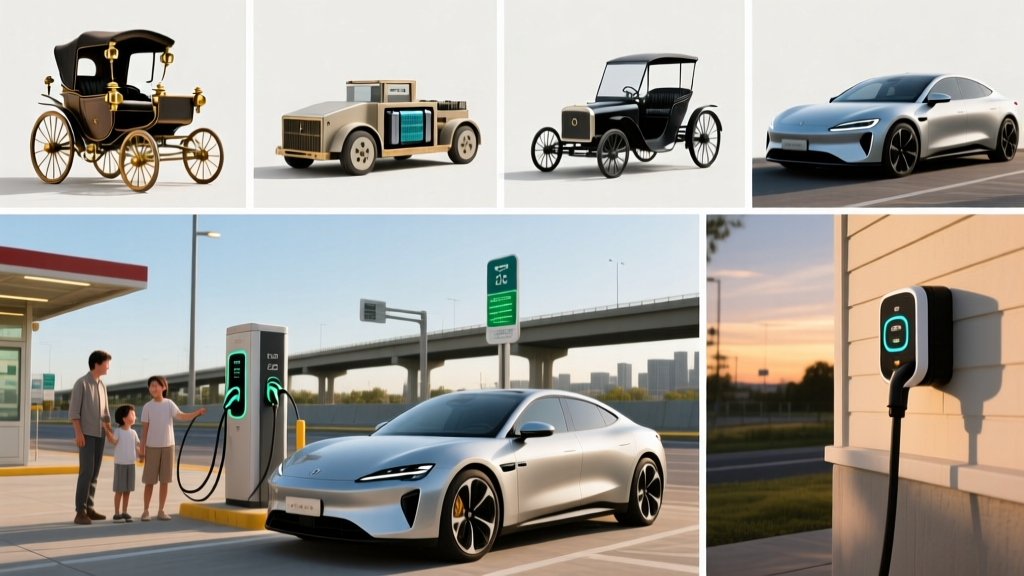
Understanding electric car history isn't just trivia—it explains why today's EVs are designed the way they are, why charging infrastructure is fragmented, and why battery costs have plummeted. Here are the turning points:
- 1830s–1890s: Early electric carriages and the first practical EVs. By 1900, electric cars held 38% of the US automobile market, prized for quiet operation and no hand-cranking.
- 1908–1920s: The Ford Model T at $260 and cheap gasoline killed the first EV wave. Electric starters (1912) removed gas cars' last major inconvenience.
- 1996–2003: GM's EV1 proved modern electric propulsion was viable but was recalled and crushed—a cautionary tale about manufacturer commitment.
- 2008–2012: The Tesla Roadster (244-mile range) and Nissan Leaf (73-mile range) launched the lithium-ion era. Battery costs were above $1,000/kWh.
- 2017–2022: Battery pack prices dropped below $150/kWh. The Chevrolet Bolt offered 259 miles for under $37,000. Tesla's Supercharger network scaled past 30,000 stalls globally.
- 2023–2026: The industry adopted the NACS (North American Charging Standard) connector as the de facto standard, with Ford, GM, Rivian, Hyundai, and others transitioning away from CCS1. The IRS §30D tax credit introduced point-of-sale transfers and strict battery-sourcing requirements.
Each of these eras shaped what you can buy today: the NACS transition means adapter availability matters for non-Tesla buyers in 2026, and battery-sourcing rules mean not every EV qualifies for the full federal credit.
How Today's EVs Compare to Gas Cars and Hybrids: The Numbers
History shows EVs lost to gas cars on cost and convenience for a century. In 2026, the comparison looks dramatically different—but it's not a universal win. Let's look at concrete data across a representative midsize crossover comparison: a 2026 Tesla Model Y Long Range (BEV), a 2026 Toyota RAV4 Hybrid (HEV), and a 2026 Toyota RAV4 LE (gas-only baseline).
| Metric | Tesla Model Y LR (BEV) | RAV4 Hybrid (HEV) | RAV4 LE (Gas) |
|---|---|---|---|
| Base MSRP | $44,990 | $33,425 | $30,425 |
| EPA Range / Tank | 320 mi | ~580 mi (14.5 gal) | ~475 mi (14.5 gal) |
| Efficiency | 122 MPGe (27 kWh/100mi) | 39 MPG combined | 30 MPG combined |
| Fuel/Energy Cost per Mile | $0.048 (home, $0.18/kWh) | $0.128 ($3.50/gal) | $0.167 ($3.50/gal) |
| Annual Fuel Cost (12k mi) | $576 | $1,538 | $2,004 |
| 0–60 mph | 5.0 sec | 7.4 sec | 8.2 sec |
| Estimated §30D Credit | Up to $7,500 (if eligible) | N/A | N/A |
| 5-Year Fuel Savings vs. Gas | ~$7,140 | ~$2,330 | — |
Sources: fueleconomy.gov, manufacturer spec sheets. Fuel cost assumes 12,000 miles/year, $0.18/kWh national average residential electricity, $3.50/gallon regular unleaded. Actual costs vary by region and utility rate.
The BEV wins on per-mile cost and performance but carries a higher upfront price and lower total range. The hybrid splits the difference: no charging needed, lower fuel cost than gas, and a lower MSRP than the EV. The right choice depends on the decision factors below.
Real Costs of EV Ownership in 2026: A Full Breakdown
Electric car history is full of vehicles that looked cheap until owners hit hidden costs. Here's what actually hits your wallet over five years and 60,000 miles of ownership.
| Cost Category | 2026 Tesla Model Y LR | 2026 RAV4 Hybrid | 2026 RAV4 Gas |
|---|---|---|---|
| Purchase Price (after est. credit) | $37,490* | $33,425 | $30,425 |
| Home Charger Install (Level 2) | $800–$1,500 | $0 | $0 |
| Fuel / Electricity (5 yrs) | $2,880 | $7,690 | $10,020 |
| Maintenance (5 yrs) | $1,200–$1,800 | $2,800–$3,500 | $3,200–$4,000 |
| Insurance (5 yrs, est. avg) | $9,000–$11,000 | $6,500–$8,000 | $6,000–$7,500 |
| Estimated Depreciation | $18,000–$22,000 | $12,000–$15,000 | $13,000–$16,000 |
| Total 5-Year Cost (est.) | $69,370–$74,870 | $62,415–$67,615 | $62,645–$67,945 |
*Assumes full $7,500 §30D credit applied at point of sale. Eligibility requires meeting IRS income caps ($150K single / $300K joint), MSRP caps ($55K SUVs / $50K sedans), and critical-mineral/battery-component sourcing rules. Verify eligibility before purchase.
Key takeaways from the cost data:
- Fuel and maintenance savings are real: The Model Y saves roughly $7,140 in fuel and $1,400–$2,200 in maintenance over five years compared to the gas RAV4.
- Insurance is higher for EVs: Expect 20–40% higher premiums due to repair costs and parts pricing. Get quotes before buying.
- Depreciation is the wildcard: EV resale values have been volatile. Tesla price cuts in 2023–2024 hammered used values. Hybrids have held value better in the current market.
- Home charging installation is a one-time cost but can spike to $2,000–$4,000 if your electrical panel needs a 200-amp upgrade.
Common Electric Car Misconceptions—Corrected with Data
A century of electric car history has produced plenty of myths. Here's what the data actually shows in 2026.
| Myth | Fact (with data) |
|---|---|
| "EV batteries need replacing every few years." | Modern NMC and LFP packs are warrantied for 8 years/100,000 miles at 70% capacity retention. Real-world data shows most packs lose only 10–15% capacity over 150,000 miles. Full replacements cost $8,000–$18,000 but are rarely needed in the vehicle's first decade. |
| "You can't take an EV on a road trip." | A 320-mile EPA-range EV with 200+ kW DC fast charging adds ~200 miles in 15–20 minutes. Cross-country trips take 20–40 minutes longer per day versus gas. Planning apps like A Better Routeplanner make this straightforward. |
| "EVs are worse in cold weather." | Range drops 15–30% in sub-freezing temperatures due to cabin heating and battery chemistry. A 320-mile EV might deliver 225–270 miles at 20°F. Preconditioning and heat pumps (standard on most 2026 models) mitigate this significantly. |
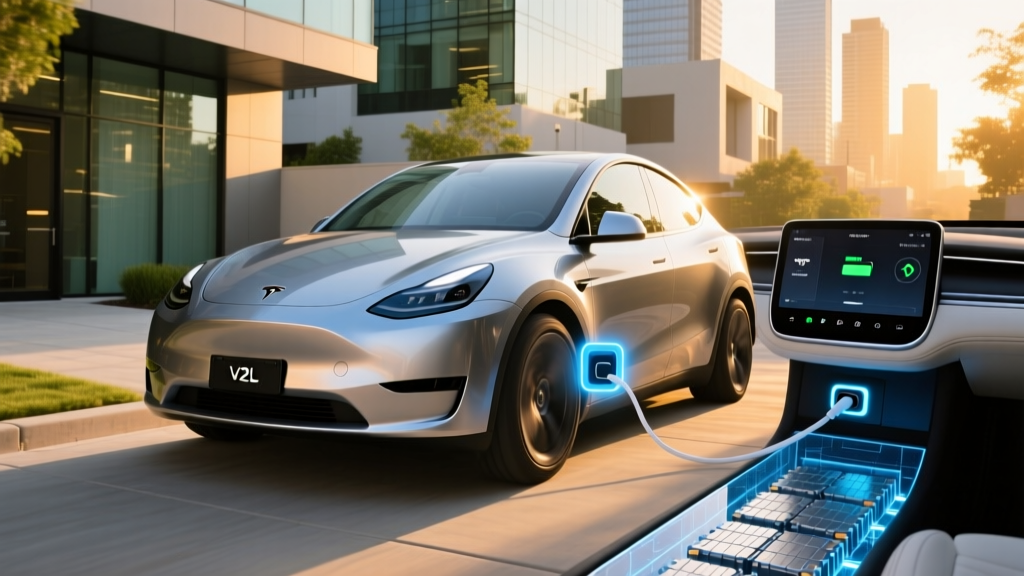
| "The grid can't handle mass EV adoption." | Most charging happens overnight during off-peak hours. A single EV adds roughly the load of a central AC unit. Utilities manage this with time-of-use rates; widespread V2G (vehicle-to-grid) is still emerging. |
| "EVs produce more emissions than gas cars." | Even on coal-heavy grids, lifecycle emissions are 50–70% lower than gas cars over 150,000 miles, per Argonne National Laboratory analysis. On clean grids (hydro, wind, solar), the advantage exceeds 80%. |
What First-Time EV Buyers Must Know in 2026
The lessons from electric car history converge into practical buying advice. Here's what separates a satisfying EV purchase from a regret-filled one.
Home Charging Is the Make-or-Break Factor
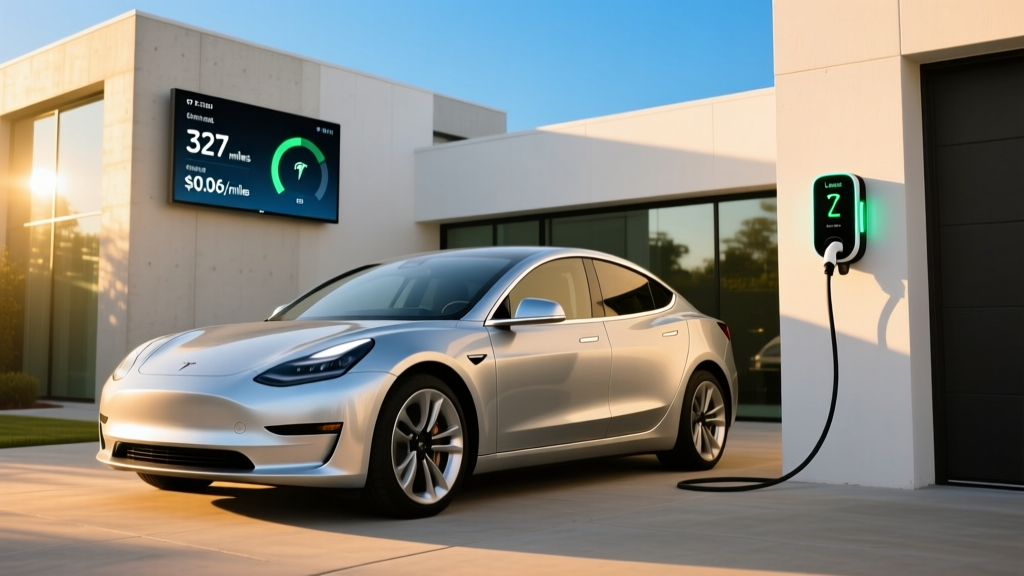
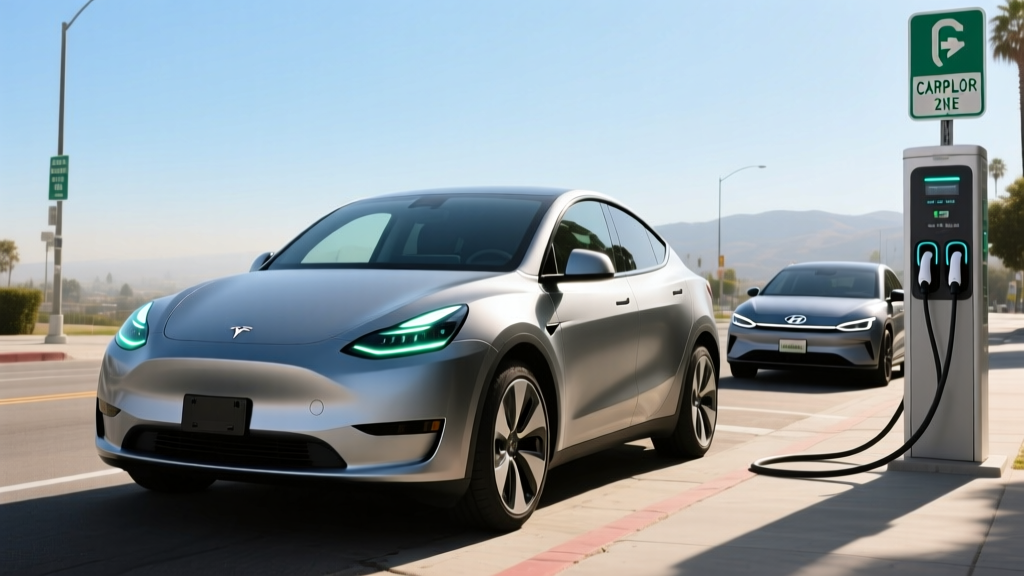
Over 80% of EV charging happens at home. If you can install a Level 2 charger (240V, 32–48 amps, delivering 7.7–11.5 kW), you'll wake up to 30–45 miles of range per hour of charging—enough to replenish a full day's driving overnight. Without home charging, you're reliant on public DC fast chargers, which cost $0.30–$0.50/kWh (roughly double home rates) and require 20–40 minute stops.
Understand the Connector Transition
As of 2026, the industry is mid-transition from CCS1 to NACS (Tesla's connector). Tesla Superchargers now accept NACS-equipped Fords, GMs, Rivians, and others. If you buy a CCS-equipped vehicle, confirm adapter availability (typically $200–$250) for Supercharger access. Hyundai/Kia's 2026 models ship with NACS native ports.
Real-World Range vs. EPA Stickers
EPA range is a combined city/highway estimate under ideal conditions. Plan for:
- Highway driving at 75+ mph: Expect 10–20% less than EPA (aerodynamic drag scales with the square of speed).
- Cold weather (below 32°F): Expect 15–30% loss, worst with resistive cabin heating.
- DC fast charging taper: Peak kW rates (e.g., 250 kW) only hold between ~10–50% state of charge. Above 80%, speeds drop to 50–80 kW to protect the battery. This is why 10–80% times are the standard metric.
Federal Tax Credit Eligibility Is Not Guaranteed
The §30D credit of up to $7,500 now requires:
- Buyer AGI under $150,000 (single) or $300,000 (joint)
- Vehicle MSRP under $55,000 (sedans) or $80,000 (SUVs/trucks—note: the SUV cap is $80K per current IRS classification)
- Critical minerals and battery components sourced from the US or FTA partners (percentages increase annually)
- Point-of-sale transfer available at participating dealers
Always verify a specific VIN's eligibility on the fueleconomy.gov credit lookup tool before committing.
Your EV Decision Framework: When to Buy, When to Wait, When to Choose Hybrid
If-Then EV Buying Guide for 2026
- If you have a garage or driveway with 240V access (or can install it) AND drive under 300 miles/day AND qualify for the §30D credit → A BEV is likely your best financial and practical choice. Target a model with 280+ miles EPA range and 150+ kW DC fast charging.
- If you live in an apartment without charging access AND public chargers are sparse in your area → A PHEV or HEV is the smarter move. You'll get hybrid efficiency without range anxiety, and PHEVs like the Toyota RAV4 Prime (42 miles electric-only) can handle most daily commutes on electricity when you do have access.
- If you regularly drive 400+ miles in cold climates AND can't tolerate charging stops → A hybrid remains the pragmatic choice until solid-state batteries or 500+ mile BEVs reach mainstream pricing (expected 2028–2030).
- If you're considering a used EV → Check battery State of Health (SoH) via the vehicle's telematics or a dealer diagnostic. A pack at 85%+ SoH with 60,000 miles is typically a sound buy. Avoid vehicles below 75% SoH unless priced at a steep discount factoring in $10,000+ replacement cost.
- If you tow frequently → Expect 40–50% range reduction when towing near max capacity. The Rivian R1T (EPA ~350 mi) drops to ~180 miles towing 7,000 lbs. Hybrids handle towing with less range penalty.
Frequently Asked Questions About Electric Car History and Buying
Why did electric cars disappear in the early 1900s?
Three factors: the Ford Model T's mass-production price ($260 by 1920s vs. $1,000+ for EVs), cheap Texas gasoline, and the 1912 electric starter that eliminated dangerous hand-cranking of gas engines. Electric cars couldn't compete on range (30–40 miles) or refueling speed once gas stations proliferated.
What was the first modern electric car?
The 2008 Tesla Roadster was the first highway-capable EV with lithium-ion batteries and over 200 miles of range (244 miles). The 2010 Nissan Leaf was the first mass-market affordable EV (73 miles range, ~$33,000). Both launched the modern era.
How long do EV batteries actually last?
Data from vehicles with 150,000+ miles shows most NMC batteries retain 85–90% capacity after 100,000 miles. LFP batteries (used in base-model Teslas and some Chinese-market vehicles) show even lower degradation—often 90%+ at 100,000 miles. Federal warranty mandates require 8 years/100,000 miles coverage at 70% minimum capacity retention.
Is it cheaper to charge at home or at public stations?
Home charging at the national average of $0.18/kWh costs roughly $0.048 per mile (for a vehicle averaging 3.5 miles/kWh). Public DC fast charging at $0.35–$0.50/kWh costs $0.09–$0.14 per mile. Exclusive public charging erases most of the fuel-cost advantage over a fuel-efficient hybrid.
What's the biggest lesson from electric car history for today's buyers?
Infrastructure and battery cost determine EV viability more than the vehicles themselves. The 1900s lacked cheap batteries and gas stations. The 2010s lacked charging networks and affordable packs. In 2026, both infrastructure and battery economics have crossed the viability threshold for most drivers with home charging—but not for all. Match the vehicle to your specific situation, not to the hype.