Quick Answer: Does an Electric Can-Am Outlander Exist in 2026?
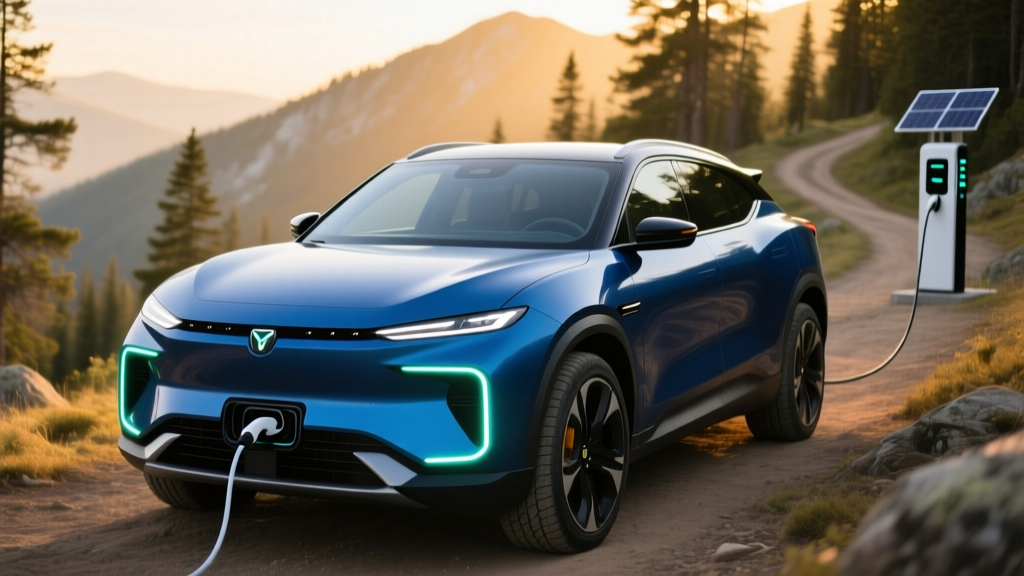
As of early 2026, BRP has not released a fully electric Can-Am Outlander ATV/UTV for consumer purchase. BRP's electric push currently centers on the Can-Am Origin (electric motorcycle) and Can-Am Pulse (electric street bike), both built on the Rotax E-POWER platform. The company has signaled electrification across its lineup, but an all-electric Outlander remains in the announced/concept stage — no EPA range, MSRP, or production timeline has been confirmed.
If you're researching an electric Can-Am Outlander today, here's what you actually need to know: the gas Outlander lineup's costs, what an EV version would need to deliver, and whether swapping to an electric UTV/ATV makes financial sense for your use case.
What We Know About BRP's Electric ATV Plans
BRP (Bombardier Recreational Products) committed to offering electric models in each of its core product lines by the end of 2026. That commitment, announced in 2022, has materialized in the motorcycle segment with the Can-Am Pulse and Origin. The Outlander — BRP's best-selling ATV platform — is widely expected to be next, but the company has not published specifications for an electric variant.
What we can infer from BRP's existing electric powertrain:
- Rotax E-POWER motor: The Pulse produces 47 hp and 53 lb-ft of torque from a liquid-cooled permanent-magnet motor.
- Battery: The Origin uses an 8.9 kWh (total) / 7.6 kWh (usable) lithium-ion pack — adequate for motorcycles, but far too small for a 700+ lb ATV doing trail work or towing.
- Charging: Level 2 (J1772) on the Pulse/Origin, reaching 20-80% in roughly 1.5 hours. An Outlander EV would likely need a larger battery and potentially DC fast-charge capability.
For a full-size electric ATV to be viable, industry analysts estimate a battery pack in the 15-25 kWh range (usable), with at least 60-80 miles of mixed-use range and a 0-80% charge time under 45 minutes on Level 2.
2026 Gas Can-Am Outlander: What You're Comparing Against
Until an electric Outlander ships, the gas models set the baseline. Here are the 2026 MSRPs and specs for key trims:
| Model | Engine | HP | Fuel Capacity | Towing | Base MSRP |
|---|---|---|---|---|---|
| Outlander 500 | 650cc single | 40 hp | 5.3 gal | 1,300 lb | $7,649 |
| Outlander 700 | 850cc twin | 50 hp | 5.3 gal | 1,830 lb | $9,449 |
| Outlander 1000R | 999cc V-twin | 101 hp | 5.3 gal | 1,830 lb | $14,099 |
| Outlander MAX 6x6 | 850cc twin | 50 hp | 5.3 gal | 1,650 lb | $16,049 |
Source: Can-Am official specifications. Prices exclude destination, dealer prep, and taxes.
Electric UTV vs Gas: Real Ownership Costs Over 5 Years
To model what an electric Outlander would cost to own versus the gas version, we're using reasonable estimates based on BRP's existing EV powertrain data and comparable electric UTVs (like the Polaris Ranger EV, discontinued but instructive).
| Cost Factor | Gas Outlander 700 | Est. Electric Outlander |
|---|---|---|
| Purchase Price (MSRP) | $9,449 | $14,000-$17,000 (est.) |
| Fuel/Energy per Year (500 hrs/yr) | $720 (gas @ $3.80/gal, ~20 mpg-eq) | $95 (electric @ $0.14/kWh) |
| 5-Year Fuel/Energy | $3,600 | $475 |
| Annual Maintenance | $300 (oil, filters, plugs, belts) | $80 (brake fluid, coolant check) |
| 5-Year Maintenance | $1,500 | $400 |
| Insurance (avg annual) | $450 | $520 (est. higher replacement cost) |
| 5-Year Total Operating Cost | $5,100 + $9,449 = $14,549 | $995 + ~$15,500 = $16,495 |
The takeaway: An electric Outlander would likely carry a $5,000-$7,500 purchase premium. Even with dramatically lower fuel and maintenance costs (~$3,125 savings over 5 years), the electric version does not reach cost parity within a typical 5-year ownership window for most riders. Break-even happens around year 7-8 for moderate users, or year 4-5 for heavy commercial/agricultural users logging 1,000+ hours annually.
Real-World Ownership Considerations Most Buyers Overlook
Home Charging Access Is Non-Negotiable
Public DC fast-charging infrastructure does not exist for off-road vehicles. There are no CHAdeMO or NACS chargers at trailheads. An electric ATV is viable only if you can charge at home or at a farm/shop. A standard 120V outlet (Level 1) would take 12-18 hours to fill a 20 kWh pack — adequate for overnight charging after a day's ride, but limiting for back-to-back use. A Level 2 (240V) install, costing $800-$2,000 depending on panel capacity and run length, cuts that to 3-5 hours.
Cold-Weather Range Loss Hits ATVs Harder
Lithium-ion batteries lose 20-35% of usable capacity at temperatures below 32°F. Unlike a Tesla or Rivian with active thermal management and battery preconditioning, an ATV's pack is smaller and less likely to have sophisticated heating. If an electric Outlander delivers 70 miles of range in 70°F weather, expect 45-55 miles in January in Minnesota. For hunters and ice-fishing users, this is a dealbreaker without a mid-day charging option.
Towing and Payload Crush Range
Pulling a 1,200 lb trailer or hauling firewood uphill can double energy consumption. The gas Outlander 700 doesn't care — it burns more fuel, but you refuel in 3 minutes from a jerry can. An electric equivalent under heavy load could see its 70-mile range drop to 30-35 miles, with no fast-charging option in the field.
Tax Credits: §30D Likely Doesn't Apply
The federal §30D Clean Vehicle Credit applies to on-road vehicles with 4+ wheels and a GVWR under 14,000 lbs that are street-legal. ATVs and most UTVs (side-by-sides) are classified as off-road vehicles and do not qualify for the up-to-$7,500 federal credit. Some states offer separate off-road EV incentives — check your state's energy or environmental agency — but don't count on $7,500 in your budget math.
Common Misconceptions About Electric ATVs
| Myth | Fact |
|---|---|
| "Electric ATVs have no power for real work." | Electric motors deliver peak torque at 0 RPM. BRP's Rotax E-POWER produces 53 lb-ft instantly — comparable to the 650cc gas Outlander's torque curve at higher revs. |
| "You can charge from any trailhead outlet." | Standard 120V outlets at campgrounds or parking lots deliver ~1.4 kW. Charging a 20 kWh pack from empty takes 14+ hours. This is not a practical mid-ride top-up. |
| "Electric means zero maintenance." | Suspension bushings, brake pads, CV joints, and coolant still require service. You save on oil changes and spark plugs, but mechanical wear remains. |
| "The battery will need replacing in 3 years." | Modern lithium-ion packs are rated for 1,000-2,000 full charge cycles before dropping below 80% capacity. At 100 cycles/year, that's 10-20 years before meaningful degradation. |
| "An electric Outlander will be cheaper than gas." | Upfront cost will almost certainly be $5,000-$7,500 higher. Total cost of ownership may eventually favor electric, but only for high-use riders over 7+ years. |
Decision Framework: Should You Wait or Buy Gas Now?
Buy the Gas Outlander Now If:
- You need a work-capable ATV this season for farming, property maintenance, or commercial use.
- You regularly tow heavy loads, ride in sub-freezing temperatures, or operate far from any power source.
- Your annual usage is under 200 hours — the fuel savings of electric won't justify the premium.
- You want the flexibility to refuel from a gas can in remote areas.
Wait for an Electric Outlander If:
- Your use is primarily recreational trail riding within 40-50 miles of home.
- You ride on private property (farm, ranch, large estate) with reliable 240V charging access.
- Noise reduction matters — hunting, wildlife observation, or noise-restricted communities.
- You log 500+ hours annually and can capture the fuel/maintenance savings over a longer ownership period.
- You value instant torque and one-pedal operation for technical trail work.
What to Watch: BRP's Next Moves
BRP has scheduled an "Investor Day" update for mid-2026, where the company is expected to outline its next electric product wave. The Outlander platform is the most commercially significant candidate. Key specs to watch for:
- Battery capacity: Anything under 15 kWh usable will struggle to deliver acceptable range for work use.
- Charge rate: Level 2 only is expected; DC fast charging would be a significant differentiator but adds weight and cost.
- Price positioning: If BRP prices the electric Outlander above $18,000, it will compete with specialty electric UTVs rather than its own gas lineup.
- Street-legal variants: Some states allow UTVs on certain roads with modifications. A street-legal electric Outlander could unlock §30D tax credit eligibility — a massive pricing advantage.
Frequently Asked Questions
Is there an electric Can-Am Outlander I can buy in 2026?
No. BRP has not released an electric Outlander as of early 2026. The company's current electric vehicles are the Can-Am Pulse and Origin motorcycles. An electric Outlander is anticipated but has no confirmed production date or specifications.
How much would an electric Can-Am Outlander cost?
Based on BRP's pricing strategy with the Pulse ($13,999) versus comparable gas motorcycles, and the current gas Outlander 700 at $9,449, a reasonable estimate is $14,000-$17,000 for a mid-tier electric Outlander. Premium trims could exceed $20,000.
Would an electric ATV qualify for the $7,500 federal tax credit?
Almost certainly not. The IRS §30D credit requires the vehicle to be street-legal for use on public roads. Most ATVs and UTVs are classified as off-highway vehicles and are ineligible. Always verify with a tax professional for your specific situation.
What's the range of current electric UTVs for comparison?
The discontinued Polaris Ranger EV offered roughly 40-50 miles of mixed-use range from a 12 kWh lead-acid or lithium pack. Modern electric UTVs from smaller manufacturers (like the BMS Tomberlin or Polaris' upcoming platforms) target 60-80 miles from 18-25 kWh lithium packs. Expect a Can-Am electric Outlander to fall in this range.
Can I charge an electric ATV from a standard household outlet?
Yes, but slowly. A 120V Level 1 outlet delivers approximately 1.4 kW. For a 20 kWh battery, a full charge from empty would take roughly 14 hours. This works for overnight charging after moderate use but is impractical for heavy riders needing same-day turnaround.
How does cold weather affect electric ATV range?
Lithium-ion batteries lose 20-35% of usable capacity in freezing temperatures. An electric Outlander rated for 70 miles at 70°F may deliver only 45-55 miles at 20°F. Unlike electric cars with battery preconditioning, ATV packs are unlikely to have active thermal management, making cold-weather range loss a real limitation.