The Quick Answer: Is an Electric Camper Van Right for You?
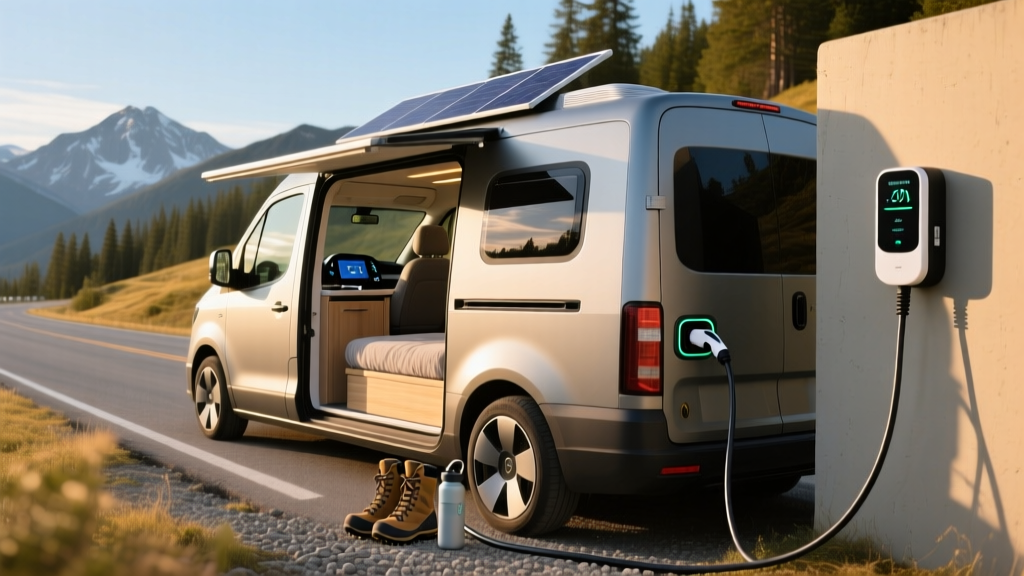
An electric camper van in 2026 makes practical sense if you primarily take weekend trips within 150–200 miles of home, have access to Level 2 home charging, and camp mostly in mild-to-warm climates. Current models like the Winnebago e-RV (built on the Ford E-Transit chassis) and the Thor e-Delight offer 108–150 miles of EPA-estimated range, with real-world highway range dropping to 75–110 miles when fully loaded with gear, water, and passengers. Purchase prices range from roughly $110,000 to $180,000 depending on build-out. If your camping style involves multi-day boondocking in remote areas, cross-country road trips, or frequent winter travel, a gas or diesel Class B van remains the more practical choice today.
What Is an Electric Camper Van — and What's Available Now?
The electric camper van segment is small but growing. Unlike DIY conversions, these are factory-built or upfitter-completed motorhomes on electric commercial van platforms. Here's what's actually available or taking orders for the 2026 model year:
| Model | Chassis | Battery (kWh usable) | EPA Est. Range | Real-World Loaded Range | Peak DC Charge (kW) | 10–80% DC Time | Starting MSRP |
|---|---|---|---|---|---|---|---|
| Winnebago e-RV (2026) | Ford E-Transit | 67 kWh (NMC) | 108 mi | ~75–90 mi | 115 kW | ~45 min | ~$125,000 |
| Thor e-Delight (2026) | Ford E-Transit | 67 kWh (NMC) | 110 mi | ~75–90 mi | 115 kW | ~45 min |
The Ford E-Transit platform dominates this segment because it offers a commercially proven electric drivetrain with widely available service infrastructure. Both Winnebago and Thor add living quarters — a wet bath, galley kitchen, bed platform, and house battery system — on top of the E-Transit's 266-hp electric motor and 67 kWh usable battery pack.
Several startups, including Lightship (formerly Aptera's adjacent venture) and the VW ID. Buzz-based camper concepts from companies like Peace Vans, have announced longer-range electric camper vans targeting 200+ miles. However, as of early 2026, most remain in pre-order or limited-production status. Always verify delivery timelines directly with manufacturers before placing a deposit.
Real-World Range: What the EPA Sticker Doesn't Tell You
EPA vs. Reality: The Winnebago e-RV carries an EPA-estimated range of 108 miles. In real-world camper use — fully loaded with 40 gallons of fresh water (~334 lbs), camping gear, two passengers, and highway speeds of 65–70 mph — expect 75 to 90 miles before needing a charge. In cold weather (below 40°F), range can drop an additional 20–30%, putting realistic winter range at roughly 55–70 miles.
This is the single most important factor in deciding whether an electric camper van fits your lifestyle. The physics are straightforward: a loaded camper van is heavy (curb weights often exceed 9,000 lbs for Class B builds), aerodynamically blunt, and runs auxiliary systems that draw from the traction battery or a separate house battery.
Here's how range breaks down by scenario:
- City campground hopping (45 mph avg, mild weather): 95–110 miles achievable
- Highway cruising (65–70 mph, 75°F): 75–90 miles
- Mountain passes (elevation gain, loaded): 55–70 miles
- Winter highway (30°F, heater running): 55–70 miles
The house battery system (typically a 10–15 kWh lithium iron phosphate / LFP pack separate from the drive battery) powers your lights, fridge, water pump, and outlets while parked. This is a key advantage: unlike a gas van where you'd need to idle or run a generator, an electric camper van can silently power your campsite overnight without emissions or noise — a significant benefit in campgrounds with generator-hour restrictions.
Electric Camper Van vs. Gas Class B: The Full Cost Comparison
The upfront price gap is substantial, but operating costs tell a different story. Here's a five-year ownership comparison assuming 6,000 miles driven annually (typical for a recreational camper van):
| Cost Factor | Electric Camper Van (e-RV) | Gas Class B (Sprinter/Transit) |
|---|---|---|
| Purchase Price (base) | $125,000 | $95,000 |
| Federal §30D Tax Credit | Up to $7,500 (if eligible*) | $0 |
| Fuel/Energy (5 years, 30,000 mi) | $2,700 (home L2 @ $0.14/kWh) | $7,500 (gas @ $3.50/gal, 16 MPG) |
| Maintenance (5 years) | $1,200 (cabin filter, tire rotation, brake inspection) | $3,800 (oil changes, transmission, belts, filters) |
| Insurance (annual avg) | $2,800/yr ($14,000 total) | $2,200/yr ($11,000 total) |
| Estimated Depreciation (5 yr) | ~45% ($56,250) | ~35% ($33,250) |
| 5-Year Total Cost of Ownership | ~$191,150 | ~$150,550 |
*Federal §30D tax credit eligibility for 2026 depends on MSRP caps (vans fall under the $80,000 cap for vans/SUVs, but many electric camper vans exceed this), buyer income limits ($300,000 joint / $150,000 single), and battery critical-mineral sourcing requirements. Check IRS.gov §30D guidelines or consult a tax professional before assuming eligibility.
The electric camper van costs roughly $40,000 more over five years, driven primarily by the higher purchase price and steeper depreciation (the EV RV resale market is still establishing itself). However, if you camp frequently at sites with shore power and rarely exceed 80-mile daily drives, the operating savings and silent, generator-free camping experience can justify the premium for the right buyer.
Charging an Electric Camper Van: Home, Campground, and On the Road
| Charging Level | Power (kW) | Miles Added per Hour | Typical Location | Full Charge Time (0–100%) |
|---|---|---|---|---|
| Level 1 (120V) | 1.4 kW | ~2 mi/hr | Standard outlet | ~48+ hours |
| Level 2 (240V, 32A) | 7.7 kW | ~12 mi/hr | Home garage, campsite | ~9 hours |
| Level 2 (240V, 48A) | 11.5 kW | ~18 mi/hr | Home (upgraded circuit) | ~6 hours |
| DC Fast Charge | 115 kW peak | ~90 mi in first 30 min | Public stations | 10–80% in ~45 min |
Home charging is essential. A 240V Level 2 home charger (requiring a NEMA 14-50 outlet or hardwired connection on a 50-amp or 60-amp circuit) is practically mandatory. Expect a professional installation to cost $800–$2,500 depending on your electrical panel's capacity and the run distance from panel to garage or driveway. If your panel needs upgrading from 100A to 200A service, add $1,500–$3,500.
Campground charging is the Achilles' heel of electric camper vans today. Most RV parks offer 30-amp or 50-amp shore power (120V/240V), which can deliver 3.6–12 kW to your van's onboard charger — enough to fully recharge overnight. However, you'll need the correct adapter (typically a NEMA TT-30 or 14-50 plug), and not all campgrounds allow EV charging from shore power outlets (some restrict them to RV appliances only). Always call ahead.
Public DC fast charging on road trips requires planning. The E-Transit's 115 kW peak charge rate is modest by 2026 passenger-EV standards (many cars now peak at 200–350 kW), and the charge curve tapers significantly above 80% state of charge. On a road trip, plan 45-minute stops every 70–85 miles of highway driving. Use the Alternative Fuels Data Center or PlugShare to map DC fast chargers along your route, and verify that stations can accommodate a vehicle over 20 feet long with a wide turning radius.
Who Should Buy an Electric Camper Van — and Who Shouldn't
Buy an electric camper van if:
- Your typical trips are within a 100-mile radius of home (state parks, lake campgrounds, weekend festivals)
- You have reliable Level 2 home charging (garage or driveway with 240V access)
- You camp primarily in spring through fall, avoiding sustained sub-freezing temperatures
- You value silent, emission-free campsite power without a generator
- You're willing to accept a 5-year cost premium for the environmental and experiential benefits
Stick with a gas or diesel Class B van if:
- You take multi-day cross-country trips or travel to remote boondocking sites without charging infrastructure
- You camp extensively in winter conditions where range loss of 25–35% is common
- You tow a trailer (the E-Transit is rated for only 3,500 lbs max towing, and towing severely reduces range)
- You need a total cost of ownership competitive with a gas van over the first 5 years
- You live in an apartment or lack access to home or workplace Level 2 charging
Common Misconceptions About Electric Camper Vans
| Myth | Fact |
|---|---|
| "You can't go anywhere with only 108 miles of range." | For weekend trips to established campgrounds within a regional radius, 75–100 real-world miles is sufficient — especially when you charge overnight at your campsite. The limitation is road-trip flexibility, not local camping. |
| "The house battery and drive battery are the same." | Current production electric camper vans use separate systems: the traction battery (67 kWh NMC) powers driving, while a dedicated LFP house battery (10–15 kWh) powers living systems. Depleting the house battery does not strand you. |
| "Electric camper vans qualify for the full $7,500 tax credit." | Many exceed the §30D MSRP cap of $80,000 for vans, and battery sourcing requirements may further limit eligibility. Always verify on IRS.gov before purchase. |
| "You can charge at any RV park." | While most RV parks have 30/50-amp outlets, not all permit EV charging from those outlets. Some parks have installed dedicated EV Level 2 chargers; others have not. Always confirm with the campground directly. |
| "Maintenance is zero." | Maintenance is lower — no oil changes, no transmission fluid, fewer moving parts — but you still need tire rotations (heavy vans wear tires faster), cabin air filter replacements, brake inspections, and coolant system checks for the battery thermal management system. |
First-Time EV Camper Buyer: What You Need to Know Before Signing
If you're transitioning from a gas Class B or entering the camper van world for the first time via electric, here are the practical realities that spec sheets won't highlight:
Weight and tires matter more than you think. A fully loaded electric camper van can exceed 9,500 lbs GVWR. This weight accelerates tire wear — budget for replacement tires every 25,000–35,000 miles at $300–$500 per tire for commercial-rated EV tires. Regenerative braking reduces brake pad wear significantly, but the suspension components (springs, bushings, shocks) endure more stress than in a lighter vehicle.
Plan your trips around chargers, not just destinations. Apps like PlugShare, A Better Routeplanner, and the FordPass app (for E-Transit-based builds) let you map routes with charging stops. For a 200-mile trip to a campground, expect one 45-minute DC fast-charge stop along the way. This is manageable but requires a mindset shift from gas-van spontaneity.
Understand your warranty coverage. Ford's electric powertrain warranty covers the battery and drive components for 8 years / 100,000 miles, with a capacity retention threshold of 70% state of health. The coach build (plumbing, cabinetry, appliances) carries a separate warranty from Winnebago or Thor, typically 1–3 years. If you have a drivetrain issue in a remote area, not all RV service centers are equipped to work on high-voltage EV systems — verify authorized service locations near your common camping areas.
Insurance costs more. Specialty RV insurers (Progressive, Good Sam, National General) are still calibrating electric camper van premiums. Expect quotes 20–35% higher than equivalent gas Class B vans, driven by higher replacement costs and limited repair-network data. Shop at least three quotes before purchase.
The Bottom Line: A Niche That Fits Some Campers Perfectly
The electric camper van in 2026 is a real, buyable product — not vaporware — but it serves a narrow use case. If your camping style centers on regional weekend trips, established campgrounds with shore power, and mild weather, the silent operation, zero tailpipe emissions, and overnight home charging offer a genuinely compelling experience that a gas van can't match.
If you chase dispersed campsites down forest service roads, tow a boat, or drive through Montana in January, the range and charging-infrastructure limitations are deal-breaking today. The honest answer is that battery energy density and DC fast-charge infrastructure need another generation of improvement — likely the 2028–2030 timeframe — before electric camper vans can match the go-anywhere freedom of their diesel counterparts.
For now, the electric camper van is best understood as a premium, purpose-built tool for a specific kind of camper: one who plans ahead, camps close, and values quiet nights under the stars without a generator humming in the background.
How far can an electric camper van really go on a charge?
The EPA-estimated range for current models like the Winnebago e-RV is 108 miles. In real-world loaded highway driving, expect 75–90 miles in mild weather and 55–70 miles in cold conditions. City and campground driving at lower speeds can stretch range closer to the EPA figure.
Can I charge an electric camper van at a regular RV campground?
Most RV campgrounds offer 30-amp or 50-amp shore power outlets that can deliver Level 2 charging to your van overnight (6–10 hours for a full charge). However, some parks restrict EV charging from RV outlets. Always call ahead and confirm their policy, and bring the appropriate NEMA adapter.
Do electric camper vans qualify for the federal EV tax credit?
Eligibility under IRS §30D depends on several factors: the van's MSRP must be at or below $80,000 (the cap for vans/SUVs), your household income must fall below $300,000 (joint) or $150,000 (single), and the battery must meet critical-mineral and component-sourcing requirements. Many electric camper vans exceed the MSRP cap. Verify current eligibility at IRS.gov.
What happens if the drive battery runs out in a remote area?
If the traction battery is depleted, the van cannot be driven — same as running out of gas. Roadside assistance can tow you to the nearest charger. The house battery system is separate and will continue to power your lights, fridge, and outlets even if the drive battery is empty. Always plan routes with a charging buffer of at least 15–20 miles.
How long do electric camper van batteries last?
Ford's E-Transit battery is warrantied for 8 years / 100,000 miles with a 70% capacity retention guarantee. NMC chemistry in commercial applications typically retains 80–85% capacity after 100,000 miles with proper care (avoiding repeated 100% charges and deep discharges). Replacement cost for the traction battery, if needed out of warranty, is estimated at $15,000–$22,000 based on current commercial pricing.