Quick Answer: An electric bubble car — a compact, enclosed micro-EV designed for 1–2 passengers — typically costs between $8,000 and $25,000, offers 50–120 miles of real-world range, and charges fully overnight on a standard 120V outlet. These vehicles are best suited for urban commuters with round-trip drives under 40 miles who have access to home or workplace charging. They are not highway-capable in most cases (top speeds 45–65 mph) and do not qualify for the federal §30D EV tax credit because most fall under the Neighborhood Electric Vehicle (NEV) or low-speed vehicle classification rather than full highway-capable passenger cars.
What Exactly Is an Electric Bubble Car?
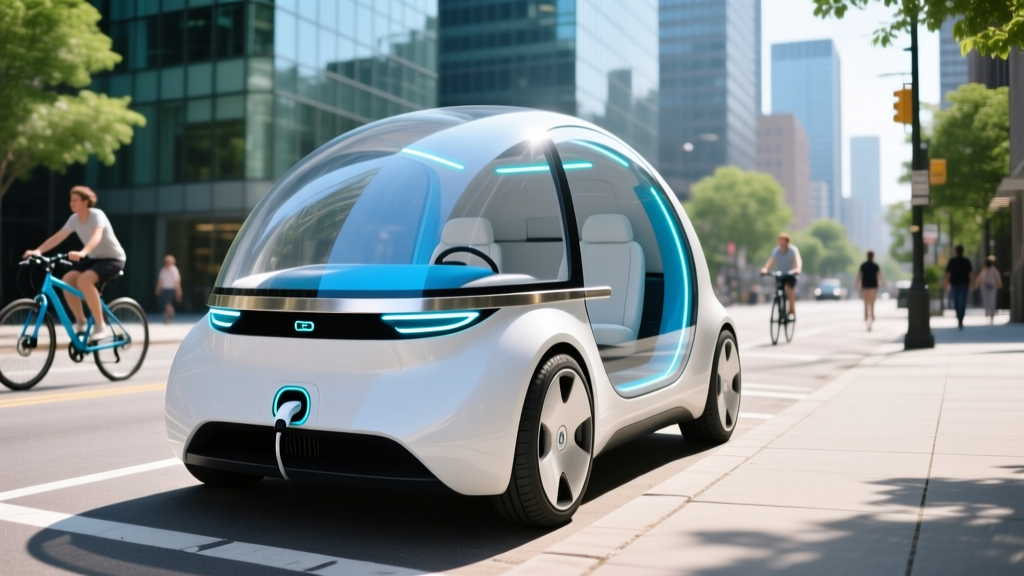
The term "electric bubble car" refers to a class of ultra-compact electric vehicles characterized by their rounded, pod-like enclosures and minimalist designs. Originally popularized in Europe and Asia as urban runabouts, these vehicles are now gaining traction in the U.S. as a bridge between e-bikes and full-size EVs. Think of them as a weather-protected, enclosed alternative to a scooter or golf cart — with doors, a roof, climate control (in some models), and a proper steering wheel.
In 2026, the electric bubble car segment includes vehicles like the Citroën Ami (available through select U.S. importers), the Wuling Hongguang Mini EV (Asia-market, limited U.S. availability), the Microlino (Swiss-designed, Isetta-inspired), and stateside options like the Arcimoto FUV and various NEV-class vehicles from Polarsun and RENO. Some, like the upcoming Slate Auto micro-truck concept, push the boundary of the category.
Most of these vehicles share common traits:
- Battery capacity: 5.5–15 kWh (lithium-ion or LFP)
- Top speed: 25 mph (NEV class) to 62 mph (some European quadricycles)
- Range: 45–120 miles depending on battery size and conditions
- Charging: Standard 120V household outlet; 3–8 hours for a full charge
- Seating: 1–2 passengers
- Curb weight: 900–1,500 lbs
Electric Bubble Car vs. Gas Car vs. Hybrid: The Numbers
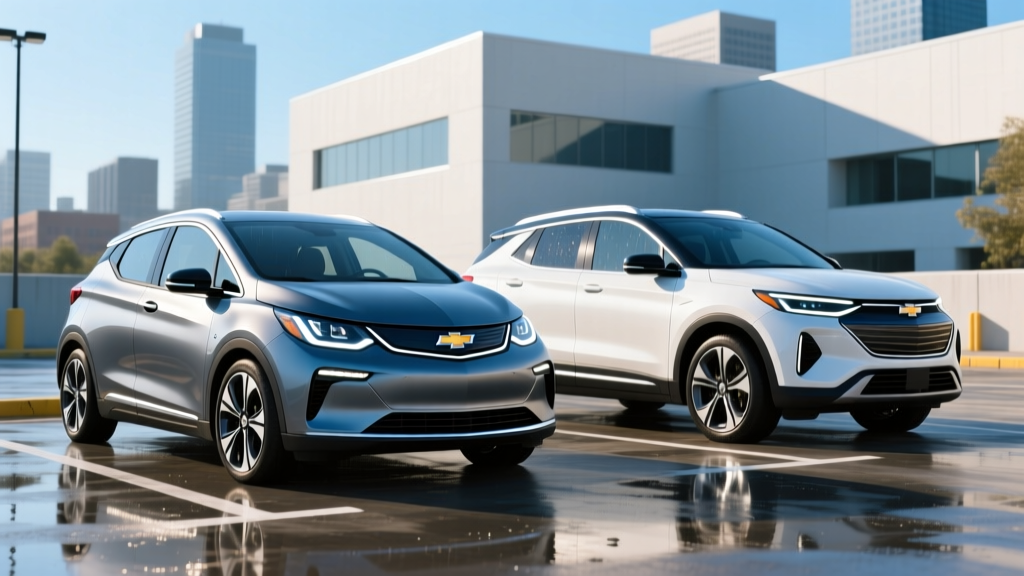
To understand where an electric bubble car fits in the transportation landscape, let's compare it against a conventional gas subcompact (2026 Honda Fit), a compact EV (2026 Chevrolet Bolt EV), and a plug-in hybrid (2026 Toyota Prius Prime). The differences in cost and capability are substantial.
| Spec | Micro-EV (e.g., Citroën Ami) | 2026 Chevy Bolt EV | 2026 Prius Prime (PHEV) | 2026 Honda Fit (Gas) |
|---|---|---|---|---|
| Base MSRP | ~$12,000 (import) | $28,785 | $33,445 | $22,100 |
| EPA Range / Tank Range | ~46 mi (est.) | 259 mi (EPA) | 44 mi electric + 440 mi gas | ~400 mi (10.6 gal tank) |
| Top Speed | 28 mph (NEV) / 45 mph (EU) | 93 mph (governed) | 112 mph | 115 mph |
| Energy / Fuel Cost per Mile | ~$0.03/mi (at $0.14/kWh) | ~$0.04/mi (at $0.14/kWh) | ~$0.05/mi (blended) | ~$0.12/mi (at $3.40/gal, 33 MPG) |
| Federal Tax Credit (§30D) | Not eligible | Up to $7,500* | Up to $7,500* | Not eligible |
| Highway Capable? | No (most models) | Yes | Yes | Yes |
| Annual Insurance (est.) | $400–$800 | $1,500–$2,100 | $1,400–$1,900 | $1,200–$1,700 |
* §30D tax credit eligibility depends on MSRP caps, buyer income limits, and battery critical-mineral sourcing requirements. Verify current rules at IRS.gov. Micro-EVs classified as NEVs or low-speed vehicles do not meet the definition of a qualifying clean vehicle under §30D.
Real-World Range and Charging: What to Actually Expect
The EPA-rated or manufacturer-claimed range on an electric bubble car is typically measured under ideal conditions — flat terrain, moderate temperatures (65–75°F), and low speeds. Real-world performance varies significantly.
Range Reality Check: A micro-EV rated at 46 miles of range (e.g., Citroën Ami with its 5.5 kWh battery) will realistically deliver 30–38 miles in cold weather (below 40°F) or at sustained speeds above 35 mph. In warm weather at city speeds (20–30 mph), you can expect close to the claimed 40–46 miles. Larger-battery micro-EVs like the Microlino (10.5 kWh battery, claimed ~140 miles WLTP) typically deliver 85–105 real-world miles in mixed urban use — and roughly 60–75 miles at highway-adjacent speeds.
Charging is straightforward but slow by full-size EV standards. Most electric bubble cars charge via a standard 120V household outlet (Level 1). Here's what that looks like:
| Charging Level | Power (kW) | Time to Full (5.5 kWh Battery) | Time to Full (10.5 kWh Battery) |
|---|---|---|---|
| Level 1 (120V outlet) | 0.8–1.4 kW | 4–7 hours | 8–13 hours |
| Level 2 (240V, rare on micro-EVs) | 2.0–3.3 kW | 2–3 hours | 3–5 hours |
| DC Fast Charging | N/A (most lack DC capability) | — | — |
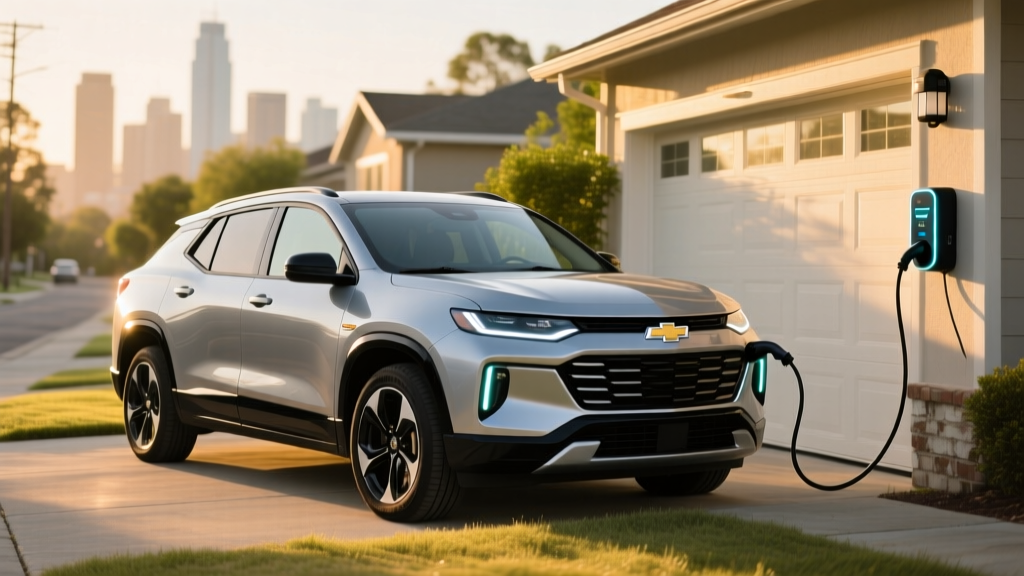
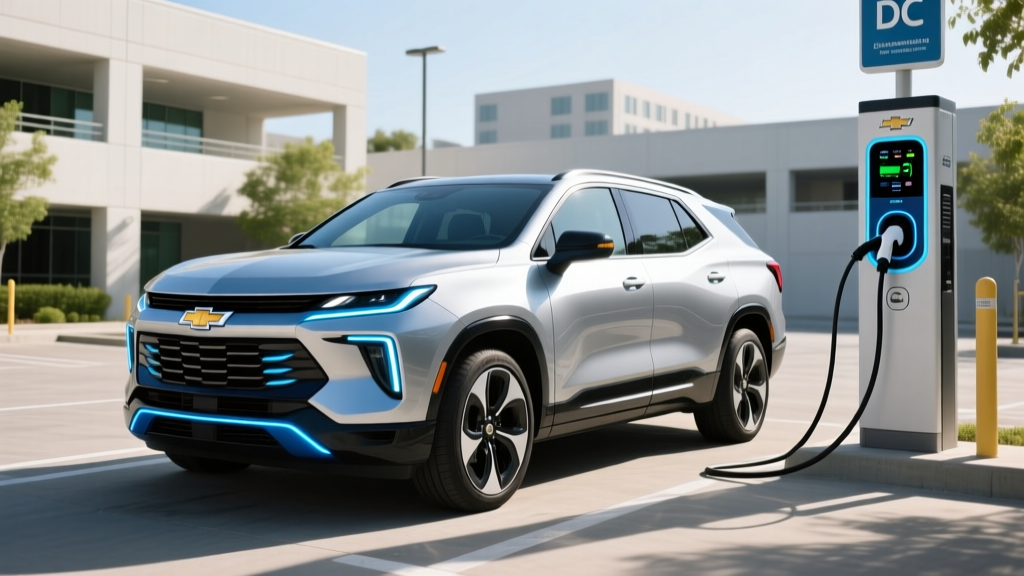
Key charging reality: Most electric bubble cars do not support DC fast charging. Their batteries are too small to benefit from high-power charging, and the onboard chargers are typically limited to 1.4–3.3 kW. This means no road-trip charging stops — these vehicles are strictly local-use machines. For overnight charging, a standard garage or driveway outlet is all you need. A dedicated Level 2 home charger is generally unnecessary and may not even be compatible without an adapter.
One important distinction: kW (kilowatts) measures power — the rate at which energy flows. kWh (kilowatt-hours) measures energy — the total capacity of the battery. A 5.5 kWh battery charged at 1.1 kW takes roughly 5 hours. This is the same relationship as filling a 10-gallon tank with a hose that flows at 2 gallons per minute.
Total Cost of Ownership: 5-Year Breakdown
The appeal of an electric bubble car is largely economic — low purchase price, minimal fuel costs, and virtually no mechanical maintenance. Here's a 5-year ownership projection assuming 25 miles/day, 5 days/week (6,500 miles/year), and $0.14/kWh home electricity.
| Cost Category | Micro-EV (5.5 kWh) | 2026 Honda Fit (Gas) | 2026 Chevy Bolt EV |
|---|---|---|---|
| Purchase Price (base) | $12,000 | $22,100 | $28,785 |
| Federal Tax Credit | $0 | $0 | Up to $7,500 |
| Effective Purchase | $12,000 | $22,100 | $21,285 |
| 5-Year Energy/Fuel | $570 (32,500 mi × $0.0175/mi) | $3,970 (32,500 mi ÷ 33 MPG × $3.40) | $760 (32,500 mi × $0.023/mi) |
| 5-Year Maintenance | ~$200 (tires, cabin filter, brake fluid) | ~$2,400 (oil, filters, brakes, tires) | ~$600 (tires, cabin filter, brake fluid) |
| 5-Year Insurance (est.) | $3,000 | $7,000 | $9,000 |
| 5-Year Total Cost | $15,770 | $35,470 | $31,645 |
| Cost Per Mile | $0.49 | $1.09 | $0.97 |
The micro-EV wins on pure cost by a wide margin — but the comparison is incomplete without factoring in capability. You're trading highway access, crash protection, cargo space, and passenger capacity for a roughly $15,900 savings over five years versus the gas Fit. For a single commuter with a second household car for longer trips, the math is compelling. As a sole vehicle, it's limiting.
Myths vs. Facts: Common Misconceptions About Micro-EVs
| Myth | Fact |
|---|---|
| "Electric bubble cars qualify for the $7,500 federal tax credit." | Most do not. The §30D credit applies to highway-capable vehicles meeting specific battery sourcing, MSRP, and buyer income requirements. NEV-class and low-speed vehicles are excluded. Check IRS §30D guidelines for qualifying vehicles. |
| "You need a special charger installed at home." | Most micro-EVs charge on a standard 120V household outlet. No electrician or panel upgrade is needed for Level 1 charging at these low power levels (under 1.5 kW). |
| "They're just as safe as a regular car." | NEV-class vehicles are not required to meet FMVSS crash-test standards for full-size passenger cars. They lack airbags, crumple zones, and advanced structural safety. They are best used on low-speed roads. See NHTSA.gov for vehicle safety classifications. |
| "The battery will need replacing in 3–5 years." | Modern LFP and lithium-ion batteries in micro-EVs are rated for 1,500–3,000 charge cycles. At daily charging, that's 4–8 years of use before significant degradation (below 80% capacity). Many manufacturers offer 3–5 year battery warranties. |
| "You can drive them on any road." | NEV-class vehicles (top speed ≤25 mph) are legally restricted to roads with speed limits of 35 mph or less in most states. Some states allow them on roads up to 45 mph with local approval. Highway use is prohibited. |
Who Should Buy an Electric Bubble Car — and Who Shouldn't
The decision to buy a micro-EV hinges on your specific commute, household vehicle situation, and local infrastructure. Here's a practical framework:
Choose an electric bubble car if:
- Your daily round-trip commute is under 30 miles on low-speed urban or suburban roads
- You already have a highway-capable vehicle in the household for longer trips
- You have access to a garage, carport, or driveway with a standard 120V outlet
- You live in a mild-to-warm climate (cold weather cuts range by 25–40%)
- Your state and local laws permit NEV or low-speed vehicle operation on your regular routes
- You want to minimize per-mile transportation cost and don't need cargo or passenger flexibility
Choose a full-size EV (e.g., Bolt, Model 3, Ioniq 5) or a PHEV instead if:
- You need highway access for commuting or regular trips over 50 miles
- This will be your only vehicle
- You regularly carry more than one passenger or cargo
- You live in a region with harsh winters and need robust climate control and range
- Crash safety ratings and airbag protection are non-negotiable for your use case
- You want to take advantage of the §30D federal tax credit (up to $7,500 for qualifying vehicles)
First-Time Micro-EV Buyer Checklist
If you've decided an electric bubble car fits your needs, here's what to verify before purchase:
- Legal classification: Confirm whether the vehicle is classified as an NEV (FMVSS 500), a low-speed vehicle, or a full passenger car in your state. This determines where you can legally drive it.
- Registration and insurance: Some states require NEV registration; others treat them like motorcycles or ATVs. Insurance availability varies — not all carriers underwrite NEVs.
- Charging access: Verify you have a dedicated 120V outlet within reach of the vehicle's charge cord. Outdoor-rated extension cords (12-gauge minimum) can work temporarily, but a dedicated outlet is safer for daily use.
- Dealer support and parts: Imported micro-EVs (Citroën Ami, Microlino) may have limited U.S. service networks. Confirm warranty coverage and parts availability before buying.
- Climate reality: If you experience sub-40°F winters, budget for 25–40% range loss. A vehicle rated at 46 miles may deliver only 28–34 miles in January.
- Resale value: The micro-EV resale market is thin. Expect higher depreciation than mainstream EVs — plan to own the vehicle for its full useful life.
Frequently Asked Questions
Can I drive an electric bubble car on the highway?
No. Most electric bubble cars fall under NEV or low-speed vehicle classifications with top speeds of 25–45 mph. Federal and state laws prohibit them on highways and most roads with speed limits above 35 mph. If highway driving is part of your commute, you need a full-size, highway-capable EV.
How long does the battery last in a micro-EV?
Most micro-EV batteries use either LFP (lithium iron phosphate) or NMC (nickel manganese cobalt) chemistry. LFP cells are more durable, typically lasting 2,000–3,000 full charge cycles before degrading to 80% of original capacity. At one charge cycle per day, that translates to roughly 5.5–8 years. Manufacturer warranties typically cover 3–5 years or a specific capacity-retention threshold (usually 70–80% State of Health).
Do electric bubble cars need to be plugged in every night?
With batteries ranging from 5.5 to 15 kWh and daily commutes often consuming 30–80% of capacity, most owners will plug in nightly or every other night. Because Level 1 charging on a standard outlet takes 4–8 hours, overnight charging is the most practical routine. Unlike full-size EVs, there's no benefit to keeping the State of Charge between 20–80% with LFP batteries — they tolerate regular 100% charges better than NMC cells.
What happens if I run out of charge on the road?
Micro-EVs are lightweight enough (900–1,500 lbs) that they can be towed with a standard flatbed or even pushed short distances. Because they lack DC fast charging, roadside charging from a portable generator or public Level 2 station is the only recovery option. Most owners avoid this by keeping trips well within the vehicle's range envelope and planning around known charging locations.
Are there any state or local incentives for buying a micro-EV?
While the federal §30D tax credit does not apply to most NEV-class vehicles, some states and municipalities offer rebates for low-speed electric vehicles, electric bikes, or micromobility purchases. California's CVRP program, for example, has historically offered rebates for certain qualifying vehicles. Check your state's energy office or DMV for current programs. Utility companies may also offer off-peak charging rebates.
How does cold weather affect an electric bubble car?
Cold weather is the biggest real-world limitation. Lithium-ion and LFP batteries lose 25–40% of usable capacity below 32°F due to increased internal resistance and energy consumed by cabin heating (if equipped). A 46-mile rated vehicle may deliver only 28–34 miles in freezing conditions. Micro-EVs with no active battery thermal management are particularly affected. Preconditioning (warming the battery while plugged in) helps but is not available on all models.
Sources: EPA Fuel Economy, IRS Clean Vehicle Credits, NHTSA Vehicle Safety