Quick Answer: Is an Electric Boat Right for You?
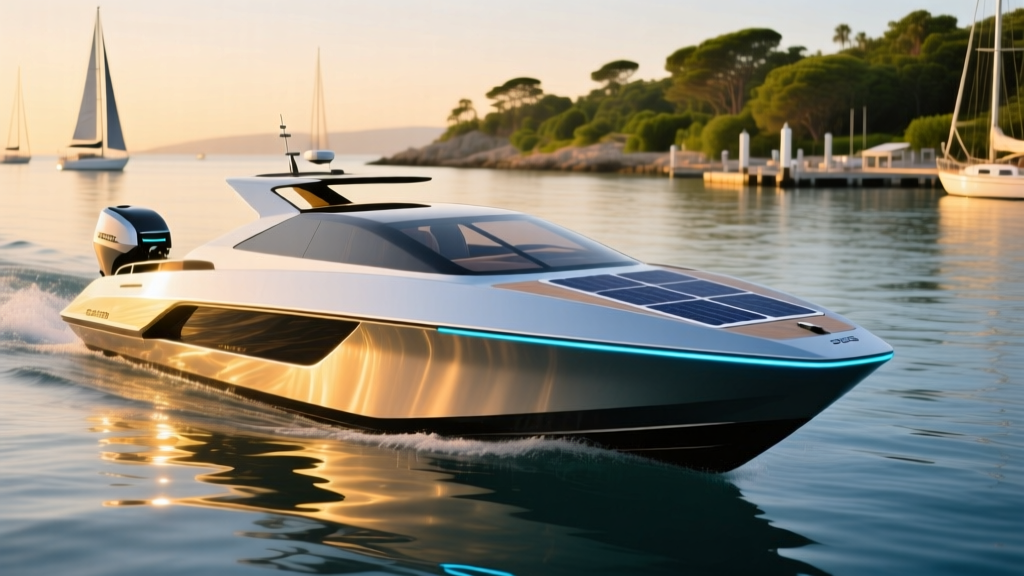
A boat with electric motor is ideal for quiet, zero-emission cruising on lakes, reservoirs, and no-wake zones where gas engines are restricted. Expect 2–5 hours of runtime on a typical 10–40 kWh lithium battery pack, depending on speed and hull type. However, electric outboards currently lag behind gas in peak horsepower (most consumer models top out at 20–50 HP equivalent) and high-speed range. If your primary use is trolling, fishing, or leisurely day trips on a lake with shore-power charging access, electric is a strong choice. If you need offshore range, water-sports towing power, or multi-day trips without dockside charging, a gas outboard or hybrid setup remains more practical.
Why Electric Boats Are Gaining Traction in 2026
Electric marine propulsion has matured significantly. Lithium iron phosphate (LFP) and nickel manganese cobalt (NMC) battery packs designed for marine use now offer better energy density and longer cycle life than the lead-acid setups of a decade ago. Brands like Torqeedo, ePropulsion, Flux Marine, and Mercury's emerging electric line have pushed the category forward.
The draw is straightforward: silent operation, instant torque, zero exhaust fumes, and dramatically lower maintenance. There are no fuel lines to clog, no carburetors to rebuild, no winterization involving fogging oil. For lakes that ban gas motors or enforce strict no-wake electric-only rules, a boat with electric motor is often the only option.
Electric vs Gas Outboard: The Numbers
The comparison below reflects typical 2026 consumer models in the 5–20 HP equivalent range — the most common electric boat motor segment.
| Factor | Electric Outboard (e.g., 10 HP eq.) | Gas Outboard (e.g., 9.9 HP) |
|---|---|---|
| Upfront Cost | $3,500–$8,000 (motor + battery) | $2,800–$4,200 (motor only) |
| Energy/Fuel Cost per Hour | $0.50–$1.50 (electricity at $0.15/kWh) | $6–$12 (gas at ~$3.50/gal, ~1 gal/hr at half-throttle) |
| Runtime / Range | 2–5 hours (varies by battery kWh and throttle) | 6–10+ hours (6-gal external tank) |
| Maintenance per Year | $0–$100 (prop inspection, connections) | $200–$500 (oil, impeller, fuel stabilizer, lower unit) |
| Noise at Cruise | ~45–55 dB | ~75–85 dB |
| Weight (motor head) | 35–75 lbs (motor only; battery separate) | 80–120 lbs |
| Refuel / Recharge Time | 4–8 hours (Level 1, 120V); 1–2 hours (240V) | 2 minutes (pour gas) |
| Typical Lifespan | 3,000–5,000 battery cycles (~10–15 years) | 2,000–3,000 hours (~10–20 years with maintenance) |
The data makes the trade-off clear: electric wins on per-hour operating cost and maintenance, while gas dominates on range, refuel speed, and raw power availability.
Battery Capacity and Real-World Runtime
The single most important spec on any electric boat motor is the battery capacity in kilowatt-hours (kWh). This is the energy storage — analogous to the size of a gas tank. The motor's power rating in kilowatts (kW) determines how fast it can drain that energy.
Here's how that translates to real-world use:
- 3 kWh battery: ~1.5 hours at half-throttle (trolling speeds, 3–4 mph). Common for dinghy and kayak applications.
- 10 kWh battery: ~4–5 hours at half-throttle, ~1.5 hours at full throttle. Suitable for 14–18 ft aluminum fishing boats and pontoons at leisurely speeds.
- 20–40 kWh battery: ~8+ hours at half-throttle. Found on purpose-built electric pontoons and larger day cruisers. Battery pack alone can weigh 300–600 lbs.
Cold-water caveat: Lithium batteries lose 15–25% effective capacity in water temperatures below 45°F. If you boat in early spring or northern latitudes, factor that loss into your runtime planning — just as EV drivers account for cold-weather range reduction.
Charging Logistics: Shore Power and Beyond
Charging an electric boat motor is where many first-time buyers hit a wall — literally. Unlike an EV parked in your garage, a boat lives on a trailer, at a dock, or on a lift. Here's the reality:
| Charging Method | Power | 10 kWh Battery Time | Practical Access |
|---|---|---|---|
| Standard 120V outlet (Level 1) | ~1.0–1.5 kW | 7–10 hours | Home garage, most marinas |
| 240V outlet (Level 2 equivalent) | ~3.0–7.2 kW | 1.5–3 hours | Requires dedicated outlet at dock or home |
| Portable solar (200–400W panel) | ~0.2–0.4 kW | 25–50+ hours (top-off only) | Good for trickle maintenance, not primary |
| Generator (2000W inverter gen) | ~1.6 kW | 6–7 hours | Defeats the purpose for most users |
Home charging access is the key variable. If you trailer your boat home after each outing and have a standard garage outlet, overnight Level 1 charging is sufficient for most weekend use. If your boat stays at a marina slip, confirm whether your dock has accessible 120V or 240V shore power — and whether the marina allows continuous charging. Many older docks have 30-amp marine shore power (120V/3600W), which works but requires the correct adapter.
Total Cost of Ownership: 5-Year Breakdown
Let's compare a realistic 5-year ownership scenario for a 14-foot aluminum fishing boat used ~50 hours per year, comparing an electric outboard (10 HP eq. with 10 kWh battery) against a comparable gas 9.9 HP outboard.
| Cost Category | Electric (10 HP eq.) | Gas (9.9 HP) |
|---|---|---|
| Purchase Price (motor + battery/fuel tank) | $5,500 | $3,400 |
| Energy/Fuel (50 hrs/yr × 5 yrs) | $375 (250 hrs × $1.50/hr avg) | $2,250 (250 hrs × $9/hr avg) |
| Maintenance (5 years) | $250 (prop, connections, anode) | $1,500 (annual service, impeller, fuel system) |
| Battery Replacement (year 12+) | $0 in this window | N/A |
| Insurance Surcharge | $0–$150/yr (varies by carrier) | $0 |
| 5-Year Total | $6,875 | $7,150 |
The electric setup costs more upfront but breaks even or pulls ahead by year 4–5, primarily through fuel and maintenance savings. Beyond year 5, the gap widens in electric's favor — until the battery eventually needs replacement (typically 10–15 years out, at a cost of $2,000–$4,000 for a 10 kWh pack).
Note: Unlike road-going EVs, electric boat motors do not qualify for the federal §30D clean vehicle tax credit. That credit applies to highway-capable vehicles with four wheels. Some states or local utility districts offer marine electrification rebates — check your local utility and state incentive database.
Common Misconceptions About Electric Boats
| Myth | Fact |
|---|---|
| "Electric motors are just for trolling — they can't move a real boat." | Modern 20–50 HP equivalent electric outboards push 18–24 ft pontoons and runabouts to 20+ mph. They're not water-ski boats, but they handle family cruising comfortably. |
| "The battery will die and strand you." | Most systems include low-voltage cutoffs and reserve buffers (similar to an EV's 0% buffer). Plan your runtime conservatively — stay within 70–80% of rated capacity for a safety margin. |
| "You can't use electric motors in saltwater." | Marine-grade electric outboards from Torqeedo, ePropulsion, and others are sealed and use sacrificial anodes for corrosion protection, just like gas outboards. Rinse after saltwater use. |
| "Electric boat motors are maintenance-free forever." | The motor itself needs minimal service, but the prop, lower unit seals, wiring connections, and sacrificial anodes still require annual inspection. The battery will eventually need replacement. |
| "Solar panels on the boat will keep it charged." | A 200W solar panel generates roughly 0.8–1.0 kWh per day in good sun — enough to offset ~30–45 minutes of trolling. Useful for extending range, not for primary recharging. |
Who Should Buy an Electric Boat Motor?
Decision Framework
Choose electric if:
- You primarily boat on lakes, ponds, or reservoirs with gas restrictions or no-wake zones
- Your typical outing is under 4 hours at trolling or cruising speeds
- You have reliable shore power access at home or your dock
- You value silence for fishing, wildlife observation, or conversation
- You want to eliminate fuel storage, winterization, and annual engine maintenance
Choose gas if:
- You need sustained high speeds (water sports, offshore fishing, long-distance runs)
- Your outings regularly exceed 5–6 hours without shore-power access
- You operate in remote areas with no electrical infrastructure
- You need 50+ HP for a heavy hull or towing
Consider a hybrid approach if:
- You want electric trolling capability with gas range for getting to and from remote spots — some anglers mount a small electric trolling motor on the bow alongside a gas outboard on the transom
What First-Time Electric Boat Buyers Should Know
If you're transitioning from gas to electric on the water, keep these practical points in mind:
- Size the battery for your worst-case day, not your average day. If you sometimes boat for 4 hours against wind or current, size your kWh for that scenario — not the calm 2-hour outing.
- Invest in a quality onboard charger. The cheap charger included with some systems may take 12+ hours. A 240V-capable marine charger cuts that to 2–3 hours.
- Check your boat's transom rating. Electric motor + battery weight can approach or exceed what a small dinghy transom is rated for. Verify before mounting.
- Register and insure correctly. Some states require registration of any motorized vessel regardless of propulsion type. Confirm with your state's boating agency.
- Store the battery properly in winter. Lithium batteries should be stored at 40–60% state of charge in a cool, dry place — not fully charged, not fully depleted. This mirrors EV battery storage best practices.
How far can a boat with electric motor go on a single charge?
At trolling speeds (3–4 mph), a 10 kWh battery delivers roughly 15–20 miles. At cruising speeds (6–8 mph), expect 8–12 miles. At full throttle, range drops to 4–6 miles. Hull shape, load, wind, and current all affect these numbers significantly — just as an EV's range varies with speed, terrain, and temperature.
Can I convert my existing gas boat to electric?
Yes, in many cases. Electric outboards in the 5–20 HP range mount to standard transoms. The main challenge is battery placement and securing — you'll need a dedicated, ventilated, waterproof battery compartment. Purpose-built electric boats integrate the battery into the hull structure for better weight distribution.
Are electric boat motors waterproof?
The motor housing and electronics are sealed to marine IP67 or equivalent ratings. They are designed for full submersion of the lower unit and splash exposure of the head. However, the battery pack and connections should be kept in a dry, ventilated compartment — submerging the battery is not safe or intended.
What happens if the battery runs out on the water?
You lose propulsion — same as running out of gas. Most electric systems provide progressive low-battery warnings and reduce power output to extend remaining range. Carry a paddle, a marine radio, and plan your outings with a 20–30% battery reserve, just as you'd carry spare fuel for a gas outboard.