Quick Answer: Are Electric Bikes Safe for Teenagers?
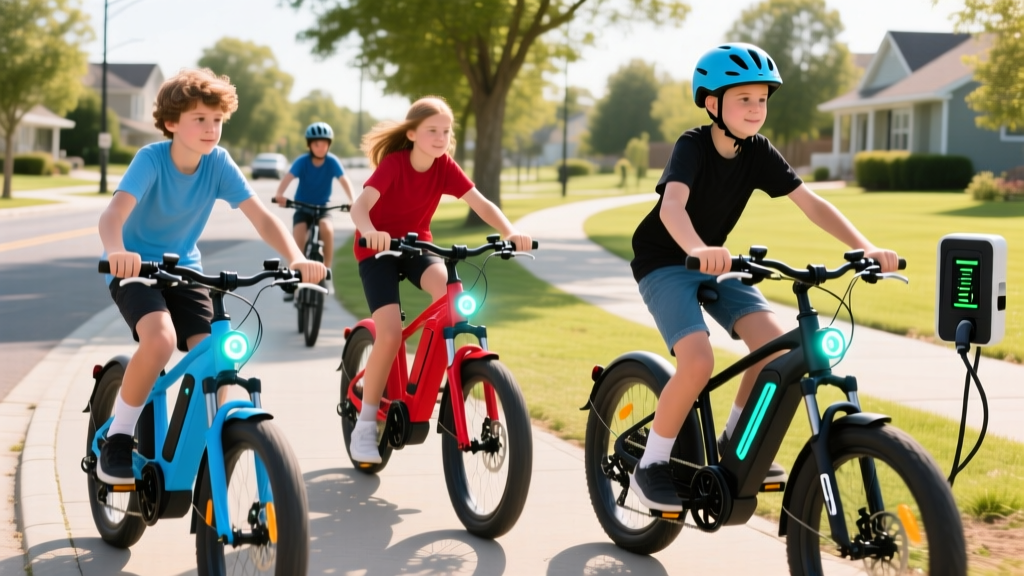
Electric bikes for teenagers are legal in most U.S. states, but regulations vary significantly. Class 1 e-bikes (pedal-assist up to 20 mph) are generally the safest and most legally accessible option for riders under 18. Expect to spend $1,200–$2,500 on a reliable teen-appropriate model with hydraulic disc brakes, integrated lights, and a speed limiter. However, e-bikes fall outside the scope of automotive EV coverage — this guide provides a high-level safety and purchasing overview for parents who also follow the EV space, not a full technical review.
At AutoEdgeView, our core expertise is electric cars, trucks, charging infrastructure, and battery technology. We occasionally receive questions from readers about electric bikes for teenagers — typically from EV-owning parents considering whether an e-bike is a practical, safe first ride for their teen. While e-bikes are not automobiles and don't qualify for federal EV tax credits under IRS §30D, they share lithium-ion battery technology and charging concepts familiar to EV owners. This guide addresses the most common parent questions with concrete data.
E-Bike Classes Explained: Which Is Legal for Teens?
The U.S. uses a three-class e-bike system adopted by most states. Understanding these classes is essential before purchasing electric bikes for teenagers, as legality and safety differ sharply between them.
| Class | Motor Type | Max Assisted Speed | Typical Motor Power | Teen Legality (Most States) |
|---|---|---|---|---|
| Class 1 | Pedal-assist only | 20 mph | 250–500W | Generally legal, no age restriction in ~40 states |
| Class 2 | Throttle + pedal-assist | 20 mph | 250–750W | Legal in most states; some restrict under 16 |
| Class 3 | Pedal-assist only | 28 mph | 500–750W | Often restricted to 16+; helmet required |
For most families, a Class 1 e-bike is the appropriate starting point for a teenager. It provides pedal assistance that amplifies effort without a throttle, which reduces the risk of sudden acceleration. Class 2 bikes add a thumb or twist throttle that can propel the bike without pedaling — this demands more maturity and impulse control. Class 3 e-bikes, with 28 mph assisted speeds, are functionally closer to mopeds in traffic and carry higher injury risk.
State laws vary considerably. According to NHTSA, e-bikes are regulated primarily at the state level, not federally (the CPSC governs manufacturing safety standards, but not road use). Before purchasing, check your state's DMV or transportation department for age minimums, helmet mandates, and whether e-bikes are permitted on local bike paths.
Real Costs: E-Bike vs. Gas Scooter vs. Used Car
Parents often weigh electric bikes for teenagers against alternatives like a 50cc gas scooter, a used first car, or simply continuing to chauffeur. Here's a concrete cost breakdown for the first year of ownership.
| Cost Factor | Class 1 E-Bike | 50cc Gas Scooter | Used Gas Car (~$8K) |
|---|---|---|---|
| Purchase Price | $1,200–$2,500 | $2,000–$3,500 | $6,000–$12,000 |
| Insurance (Annual) | $0–$150 (optional) | $300–$600 | $1,800–$3,500 (teen driver) |
| Fuel/Energy (Annual, ~3,000 mi) | $15–$30 (electricity) | $200–$350 (gasoline) | $900–$1,400 (gasoline) |
| Maintenance (Annual) | $100–$250 | $200–$500 | $500–$1,200 |
| Registration/License | $0 (most states) | $50–$150 | $100–$300 |
| Year 1 Total | $1,315–$2,930 | $2,750–$5,100 | $9,300–$18,400 |
The e-bike wins decisively on operating cost. Charging a 500 Wh e-bike battery costs roughly $0.05–$0.08 per full charge at the U.S. average electricity rate of ~$0.17/kWh (per EIA data). That translates to about $0.005 per mile — roughly 1/20th the per-mile fuel cost of a 30 MPG gas car at $3.50/gallon.
However, the e-bike does not provide weather protection, cargo capacity for more than a backpack, or highway capability. It's a complement to family transportation, not a replacement for a car.
Safety Data: What Parents Should Know
E-bike injuries have risen alongside sales. A NHTSA-referenced study and data from the Consumer Product Safety Commission (CPSC) show that e-bike-related emergency room visits increased significantly between 2020 and 2024, with riders under 18 representing a notable share. Common injury mechanisms include:
- Higher speeds than traditional bikes: 20 mph on an e-bike carries roughly 4x the kinetic energy of 10 mph on a pedal bike, making crashes more severe.
- Inexperience with motorized vehicles: Teens may lack the judgment to anticipate car doors opening, right-hook turns, or intersection conflicts at motorized speeds.
- Heavier frames: E-bikes typically weigh 45–65 lbs vs. 25–30 lbs for a conventional bike, making them harder to control in emergency maneuvers and more dangerous in a fall.
- Throttle misuse (Class 2): Sudden acceleration from a stop can cause loss of control, especially for lighter riders.
Common Misconceptions
| Myth | Fact |
|---|---|
| "E-bikes don't need helmets" | Every state with e-bike laws either mandates helmets for minors or strongly recommends them. A CPSC-certified bike helmet is minimum; a motorcycle-style full-face helmet is safer at 20+ mph. |
| "E-bikes are just bicycles" | Legally in most states, yes — but physically, a 55-lb e-bike at 20 mph behaves more like a moped. Treat it accordingly in terms of safety gear and traffic awareness. |
| "My teen can ride it anywhere a bike can go" | Many multi-use paths and trails prohibit e-bikes, especially Class 2 and 3. Check local ordinances before assuming access. |
| "The battery could catch fire like an EV" | Lithium-ion thermal runaway is rare but real. Buy only e-bikes with UL 2849 certification (the e-bike safety standard). Avoid no-name imports without certification. Store and charge in a ventilated area, not a bedroom. |
Battery and Charging: What EV Owners Already Know Applies Here
If you own an EV, e-bike battery concepts will feel familiar — but at a much smaller scale. A typical teen e-bike battery is 400–500 Wh (watt-hours), compared to 60–100 kWh in an electric car. That's roughly 1/150th the capacity.
Charging time: Most e-bike chargers output 2A at 42V (roughly 84W), meaning a depleted 500 Wh battery takes about 5–6 hours to fully charge. Unlike EVs, e-bikes do not support DC fast charging — there's no equivalent to a 150 kW Supercharger for an e-bike.
Range reality: A 500 Wh battery on a Class 1 e-bike provides roughly 25–45 miles of real-world range depending on rider weight, terrain, assist level, and temperature. In cold weather (below 40°F), expect 15–25% range reduction — the same lithium-ion chemistry limitation that affects EVs.
Battery lifespan: Quality e-bike batteries (Samsung, LG, or Panasonic cells) typically last 500–800 full charge cycles before degrading to 80% capacity. With moderate use (3–4 rides per week), that's 3–5 years before noticeable range loss. Replacement batteries cost $300–$600 from reputable manufacturers.
Critical safety note: Only purchase e-bikes with UL 2849 certification, the safety standard for e-bike electrical systems. This is analogous to how you'd verify NHTSA crash-test ratings for a car. Non-certified e-bikes, particularly low-cost imports, have been linked to residential fires. The FDNY and fire departments in several major cities have issued warnings about uncertified e-bike batteries.
Decision Framework: Should Your Teen Get an E-Bike?
If / Then Guide for Parents
- If your teen is under 14: Wait, or choose a low-power Class 1 model with a parental speed limiter (some brands offer app-based speed caps at 10–15 mph). Supervised riding only.
- If your teen is 14–15 and needs a school commute under 5 miles: A Class 1 e-bike with hydraulic disc brakes, integrated front/rear lights, and a bell is appropriate. Budget $1,500–$2,200. Require a helmet and a cycling safety course.
- If your teen is 16+ with traffic experience: Class 1 or Class 2 is reasonable. Class 3 (28 mph) only if your state permits it for minors and your teen has demonstrated responsible riding on a lower-class bike first.
- If your area has harsh winters or no bike infrastructure: An e-bike is not a practical year-round solution. Consider it a fair-weather supplement, not a primary vehicle.
- If you cannot supervise or set rules around phone use while riding: Delay the purchase. Distracted riding at 20 mph is as dangerous as distracted driving.
- If budget is the primary concern: A quality used conventional bicycle ($200–$400) plus a cycling safety class provides most of the same mobility at a fraction of the cost and risk.
Minimum Spec Checklist for a Teen E-Bike
- UL 2849 certified electrical system
- Hydraulic disc brakes (not mechanical disc or rim brakes — stopping a 55-lb e-bike from 20 mph requires more braking force than a pedal bike)
- Integrated front and rear lights (not battery-powered clip-ons that can fall off)
- Speed limiter or parental control via app (available on brands like Rad Power, Lectric, and Trek)
- Step-through frame for easier mounting/dismounting and lower center of gravity
- Maximum weight appropriate for your teen (many e-bikes have 250–300 lb payload limits, which is fine, but the bike's own weight of 45–65 lbs matters for a 110-lb rider managing a fall)
Frequently Asked Questions
Do electric bikes for teenagers qualify for any tax credits?
No. The federal EV tax credit under IRS §30D applies only to four-wheeled motor vehicles meeting specific battery sourcing, MSRP, and buyer income requirements. E-bikes do not qualify. Some states and municipalities offer point-of-sale rebates for e-bikes (typically $200–$500), and a federal e-bike tax credit has been proposed in Congress but has not passed as of early 2026. Check your state energy office or local bike advocacy group for current incentive programs.
What's the real range of a teen e-bike on a single charge?
For a 500 Wh Class 1 e-bike with a 130-lb rider on flat terrain using moderate pedal assist, expect 30–40 miles. In practice, teens commuting 3–5 miles to school will charge every 5–7 days. Always plan for 70% of the manufacturer's claimed range to account for real-world conditions: hills, wind, cold weather, and higher assist levels drain batteries faster.
Can my teenager ride an e-bike on the sidewalk?
In most jurisdictions, no — and this applies to regular bicycles as well in many cities. E-bikes belong in bike lanes or on roads with the flow of traffic. Sidewalk riding at 20 mph endangers pedestrians and is illegal in most urban areas. Check your local municipal code.
How do I prevent battery theft?
Most quality e-bikes have removable, lockable batteries. Teach your teen to remove the battery and bring it indoors when parking at school or in public. A replacement battery costs $300–$600, making it a high-value theft target. Some brands offer GPS tracking integrated into the battery management system (BMS).
Is an e-bike a good alternative to a first car for a 16-year-old?
For short commutes (under 8 miles) in areas with bike infrastructure and mild weather, an e-bike can delay the need for a car and save $5,000–$15,000 in first-year costs. However, it does not provide the safety envelope of a modern car with airbags, crumple zones, and electronic stability control. It's a supplement, not a substitute, for family transportation. If your teen needs highway access, carries passengers, or drives in severe weather, a used car with strong IIHS safety ratings remains the appropriate choice.
What maintenance does a teen e-bike require?
Significantly less than a gas scooter or car, but more than zero. Budget for: tire pressure checks weekly (e-bike tires wear faster due to weight and speed), brake pad inspection every 500 miles, chain lubrication monthly, and an annual professional tune-up ($80–$150 at a bike shop). The battery requires no maintenance but should be stored at 40–60% charge if not used for extended periods — the same best practice as EV battery storage.
Note: AutoEdgeView specializes in electric and hybrid automobiles, charging infrastructure, and autonomous driving technology. This e-bike guide is provided as a reader-requested resource for EV-owning families. For comprehensive e-bike reviews, consult dedicated cycling publications. All safety information should be verified against your state's current laws and your pediatrician's guidance.