Quick Answer: Are Electric Bikes From China Worth Importing?
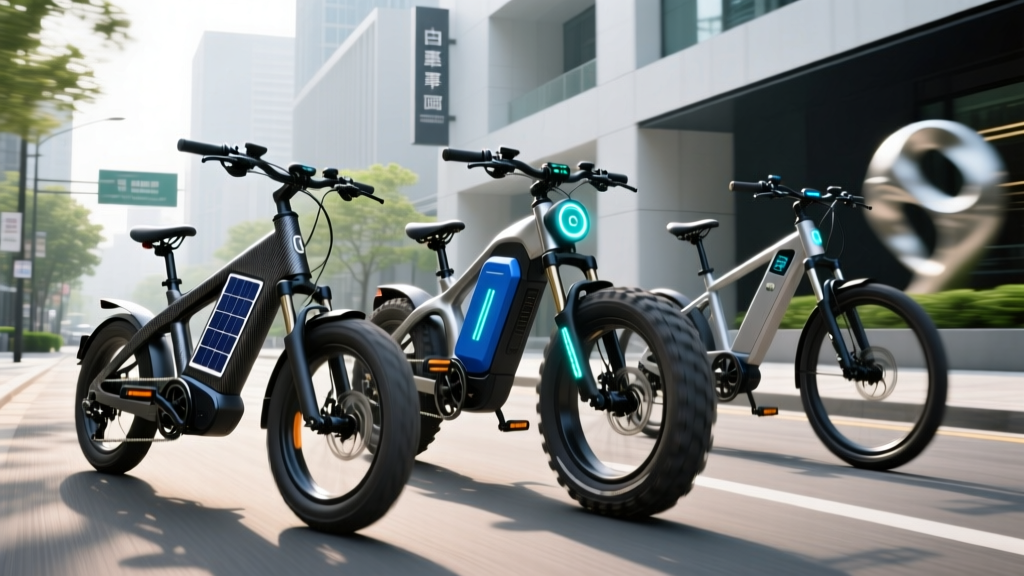
Electric bikes from China can cost 40–60% less than comparable US-market e-bikes, with prices starting around $400–$800 for a 250W–750W hub-motor commuter before shipping and tariffs. However, US buyers in 2026 face a 25% Section 301 tariff on Chinese e-bikes, plus $150–$400 in ocean freight, potential CPSC compliance gaps, and limited warranty support. For most buyers, a domestically sold e-bike with a US-based warranty and UL-certified battery remains the lower-risk choice — but informed importers can still find value if they verify battery chemistry (LFP vs. NMC), motor wattage, and UL 2849 certification before purchasing.
At AutoEdgeView, we focus on the full electrified-vehicle landscape — and that increasingly includes the micro-mobility segment. While our core coverage is electric cars, trucks, and SUVs, many of our readers are also evaluating electric bikes from China as a last-mile commuter solution or a secondary household vehicle. This guide breaks down the real numbers, risks, and decision factors you need before clicking "buy" on an overseas listing.
What Exactly Are You Getting? Specs That Matter
Chinese e-bike listings on platforms like Alibaba, AliExpress, and direct-from-manufacturer sites vary enormously in quality. Here are the specifications that determine whether you're getting a usable commuter or a fire hazard:
| Specification | Budget Tier ($400–$700) | Mid-Range ($700–$1,200) | Premium Chinese ($1,200–$2,500) |
|---|---|---|---|
| Motor | 250W–350W rear hub | 500W–750W hub or mid-drive | 750W–1000W mid-drive (Bafang) |
| Battery | 36V 10Ah (360 Wh), generic NMC | 48V 14–17.5Ah (672–840 Wh), Samsung/LG cells | 48V–52V 20Ah+ (960–1040+ Wh), branded cells |
| Range (claimed) | 20–30 mi | 35–50 mi | 50–70 mi |
| Range (real-world) | 12–20 mi | 25–40 mi | 35–55 mi |
| Top Speed | 15–20 mph | 20–28 mph | 28–35 mph (Class 3 or off-road) |
| UL 2849 Certification | Rarely | Sometimes | Increasingly common |
| Charger | 2A (5–6 hr charge) | 3A (4–5 hr charge) | 4–5A (2.5–4 hr charge) |
Real-world range caveat: Just like EVs, e-bike range claims are optimistic. Expect 30–40% less than the manufacturer's stated range when riding in throttle-only mode, on hills, in cold weather (below 40°F), or with a heavier rider. A 48V 14Ah (672 Wh) battery realistically delivers 25–35 miles on pedal-assist for a 180 lb rider on flat terrain.
Real Cost Breakdown: Importing vs. Buying Domestic
The sticker price on a Chinese e-bike looks attractive — until you add the full landed cost. Here's what a typical import looks like in 2026:
| Cost Factor | Imported Chinese E-Bike | US-Market E-Bike (Comparable) |
|---|---|---|
| Base Price | $800 | $1,600 |
| Shipping (ocean freight + last mile) | $200–$350 | Included |
| Section 301 Tariff (25%) | $200 | $0 |
| Customs Broker / Duties Processing | $50–$100 | $0 |
| Sales Tax (state-dependent) | Varies | Varies |
| Total Landed Cost | $1,250–$1,450 | $1,600 |
| Warranty | Limited / difficult to enforce | 1–2 years, US-based |
| UL 2849 Certified Battery | Unlikely unless verified | Standard on reputable brands |
| Local Service / Parts | DIY only | Dealer network |
The savings gap narrows to roughly $150–$350 once tariffs and shipping are factored in. For budget-tier bikes, the savings may not justify the risk. For premium Chinese brands like Fiido, Engwe, or ADO that have established US warehousing, the tariff may already be baked into the price.
Battery Chemistry: LFP vs. NMC in E-Bikes
This is where our EV battery expertise applies directly. Most Chinese e-bikes use one of two lithium chemistries:
| Factor | NMC (Nickel Manganese Cobalt) | LFP (Lithium Iron Phosphate) |
|---|---|---|
| Energy Density | Higher — lighter pack for same Wh | Lower — heavier for same capacity |
| Cycle Life | 500–800 cycles to 80% SoH | 1,500–3,000+ cycles to 80% SoH |
| Thermal Stability | More prone to thermal runaway | Significantly more stable |
| Cost per kWh | Higher (cobalt content) | Lower |
| Typical Use | Most Chinese e-bikes (weight savings) | Growing adoption in premium models |
Bottom line: If you're buying an e-bike with a generic NMC pack from an unknown supplier, you have limited visibility into cell quality, BMS (Battery Management System) design, and thermal protection. LFP packs are heavier but dramatically safer and longer-lasting — a worthwhile tradeoff for daily commuters. Always ask the seller for the cell brand (Samsung, LG, CATL, EVE) and whether the BMS includes over-charge, over-discharge, short-circuit, and temperature protection.
US Regulations: Classes, Tariffs, and Safety Standards
Before you import, understand the regulatory landscape:
E-Bike Classes (federal definition, per CPSC guidelines):
- Class 1: Pedal-assist only, max 20 mph, motor ≤750W
- Class 2: Throttle-assisted, max 20 mph, motor ≤750W
- Class 3: Pedal-assist only, max 28 mph, motor ≤750W
Many Chinese e-bikes ship with 1000W+ motors and speeds exceeding 28 mph. These are legally classified as off-road vehicles or electric motorcycles in most US states — not e-bikes. Riding them on bike paths or roads without registration and insurance can result in fines.
Tariff reality: The 25% Section 301 tariff on Chinese-origin e-bikes (HTS code 8711.60) remains in effect as of 2026. Some sellers route shipments through third countries to avoid this — a practice US Customs actively enforces against. Factor the full 25% into your cost calculation.
UL 2849: This is the UL certification standard for e-bike electrical systems. Many US cities and landlords now require UL 2849 certification, especially after a wave of lithium battery fires in multi-unit dwellings. Most budget Chinese e-bikes lack this certification. Without it, you may face liability issues if a battery fire causes property damage.
E-Bike vs. EV: When Does Micro-Mobility Make Sense?
Some readers are weighing an e-bike against a full electric vehicle for commuting. Here's how the economics compare:
| Factor | Chinese E-Bike (Imported) | Budget EV (e.g., 2026 Chevy Equinox EV) | Gas Car (Baseline) |
|---|---|---|---|
| Purchase Price | $1,250–$1,450 landed | ~$33,000 (before §30D credit) | ~$28,000 |
| Fuel/Energy Cost per Mile | ~$0.005/mi (electricity) | ~$0.04/mi (electricity) | ~$0.14/mi (gas at $3.50/gal, 25 MPG) |
| Annual Maintenance | $50–$150 (tires, brake pads) | $300–$500 | $800–$1,200 |
| Insurance | Usually not required | $1,200–$2,000/yr | $1,000–$1,800/yr |
| Range | 25–55 mi | 250–319 mi (EPA) | 350–450 mi |
| Weather Capability | Poor in rain/snow/extreme cold | Full weather, climate-controlled | Full weather |
| Cargo / Passengers | 1 rider, light cargo | 5 passengers, 25+ cu ft cargo | 5 passengers |
An e-bike is a complement to an EV, not a replacement — ideal for solo commutes under 15 miles in fair weather. If your commute involves highways, passengers, cargo, or harsh winters, a full EV remains the practical choice.
Decision Framework: Should You Import or Buy Local?
Choose an imported Chinese e-bike if:
- You're mechanically inclined and comfortable with DIY repairs
- You've verified the battery has UL 2849 or equivalent certification
- The seller has a US warehouse (avoiding customs complexity)
- You're buying a known brand (Fiido, Engwe, Lectric, ADO) with community reviews
- Your budget is under $1,500 and you accept the warranty tradeoff
Choose a US-market e-bike if:
- You want a enforceable warranty and local dealer support
- You live in an apartment or building that requires UL-certified batteries
- You need guaranteed Class 1/2/3 compliance for local bike-path laws
- You value easy returns and consumer protections
- The total cost difference after tariffs is under $300
Common Misconceptions About Chinese E-Bikes
| Myth | Fact |
|---|---|
| "All Chinese e-bikes are low quality" | China produces e-bikes for RadPower, Lectric, and other US brands. Quality depends on the specific manufacturer and component tier — not country of origin alone. |
| "I'll save 60% buying direct" | After 25% tariff, $200–$350 shipping, and customs fees, savings typically narrow to 15–30% vs. US retail. |
| "750W means it's street-legal everywhere" | Federal law caps e-bikes at 750W and 20 mph (Class 1/2) or 28 mph (Class 3). Many Chinese bikes exceed this and are classified as off-road or motor vehicles in most states. |
| "The battery will last forever" | NMC packs typically degrade to 80% capacity after 500–800 full cycles (roughly 2–4 years of daily use). Replacement packs cost $200–$500. |
| "It charges from any outlet, no problem" | Cheap chargers without proper BMS communication can overcharge cells and create fire risk. Always use the manufacturer-supplied charger and never charge unattended overnight. |
Frequently Asked Questions
Are electric bikes from China legal to ride in the US?
Yes, if they meet the federal three-class definition (≤750W motor, speed-limited to 20 or 28 mph depending on class). Many Chinese e-bikes exceed these limits and may require registration as a moped or motorcycle in your state. Check your local DMV regulations before purchasing a high-power model.
What's the actual battery lifespan on a Chinese e-bike?
Expect 500–800 charge cycles for NMC chemistry and 1,500–3,000+ cycles for LFP before the battery degrades to 80% of original capacity. For a daily commuter charging once per day, that's roughly 2–4 years (NMC) or 5–8+ years (LFP). Store the battery at 40–60% state of charge if not riding for extended periods to minimize calendar degradation.
Can I get replacement parts and batteries for Chinese e-bikes?
For popular brands (Fiido, Engwe, ADO), replacement batteries and parts are available through their US distribution channels or AliExpress. For unbranded or generic bikes, you'll need to match battery voltage, connector type, and physical dimensions manually. Standard components (Shimano gears, Tektro brakes) are universally serviceable at any bike shop.
Is there a federal tax credit for buying an e-bike?
As of 2026, there is no federal §30D tax credit for e-bikes — that credit applies only to four-wheeled electric vehicles meeting specific MSRP, income, and battery-sourcing requirements. However, some states and cities offer e-bike rebate programs (notably Colorado, California, and several utility districts). Check IRS.gov for current clean-vehicle credit rules and your state energy office for local e-bike incentives.
How do I verify battery safety before buying?
Request the UL 2849 test report or certificate from the seller. Verify the cell brand (Samsung, LG, CATL, EVE are reputable; unmarked cells are a red flag). Confirm the BMS includes protections for over-voltage, under-voltage, over-current, short-circuit, and temperature cutoff. If the seller cannot provide this documentation, walk away.