Quick Answer: Electric Bikes That Go 60 MPH
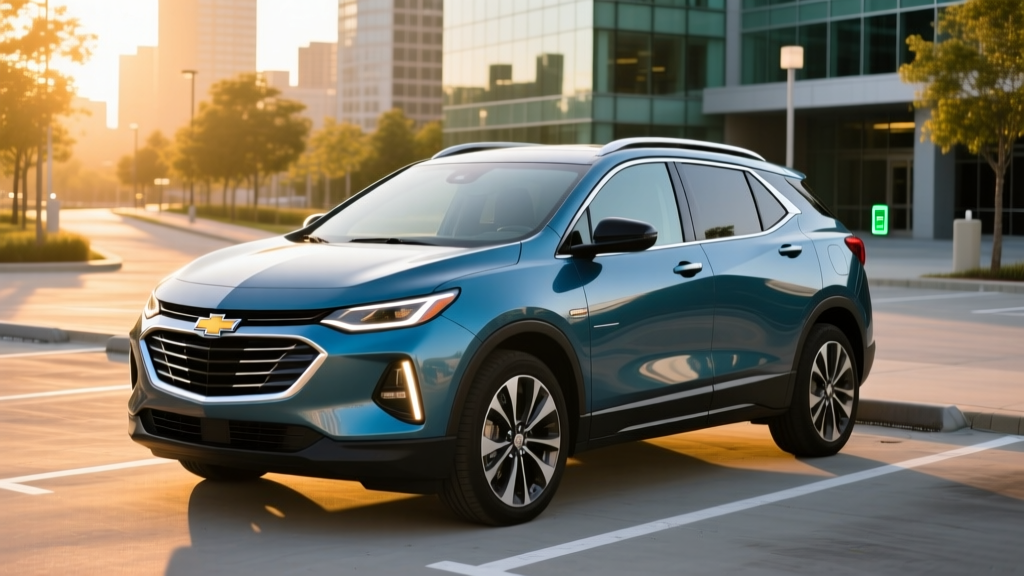
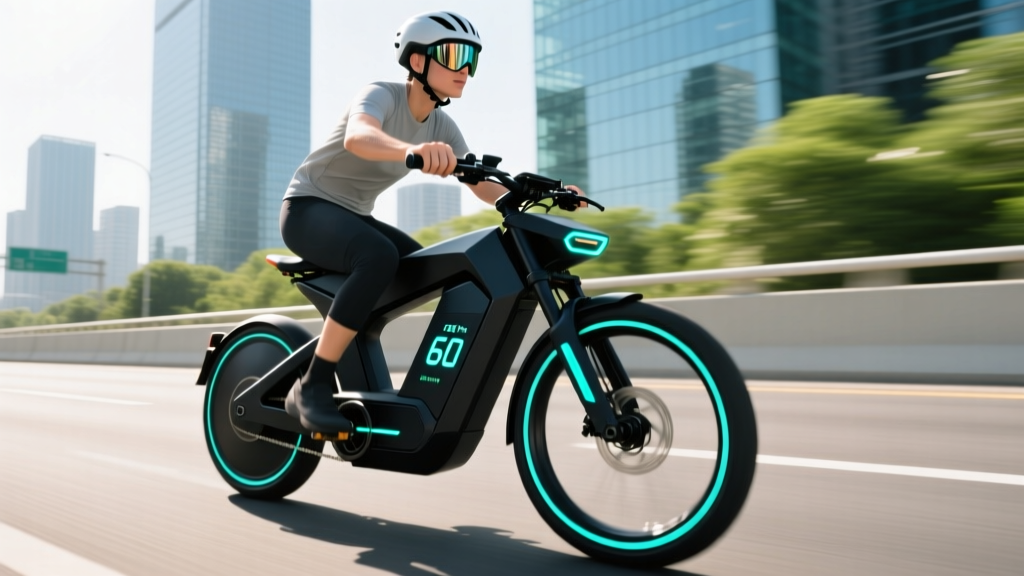
Electric bikes (e-bikes) capable of 60 mph — such as high-power Class 3 or off-road electric motorcycles like the Zero SR/S, Energica Experia, or Sur-Ron Ultra Bee — typically cost between $4,500 and $25,000, deliver 40–90 miles of real-world range from 3–10 kWh battery packs, and charge fully in 2–5 hours on a standard 120V outlet. However, any two-wheeler exceeding 28 mph (Class 3 e-bike limit) is legally classified as a motorcycle in most U.S. states, requiring registration, insurance, and a motorcycle endorsement. If your goal is practical, legal, weather-protected daily commuting at highway speeds, a compact four-wheeled EV like the Chevrolet Bolt EV or Nissan LEAF offers vastly more range (240–270 mi EPA), cargo space, and safety — often at a comparable total cost of ownership after the §30D federal tax credit.
Why 60 MPH E-Bikes Exist — and Where They Fit
The search for "electric bikes that go 60 mph" usually comes from one of two buyers: the urban commuter frustrated with car traffic and parking costs, or the enthusiast drawn to lightweight electric performance. Both are valid motivations, but the market splits sharply along legal and engineering lines.
Legally, U.S. federal law defines three e-bike classes under the Consumer Product Safety Commission guidelines:
- Class 1: Pedal-assist only, motor cuts off at 20 mph.
- Class 2: Throttle-equipped, motor cuts off at 20 mph.
- Class 3: Pedal-assist up to 28 mph (some states allow throttle to 20 mph).
Any electric two-wheeler that exceeds 28 mph under motor power is, in the eyes of the National Highway Traffic Safety Administration (NHTSA) and most state DMVs, a motorcycle or moped — subject to VIN registration, license plates, insurance, helmet laws, and a motorcycle endorsement (typically a written and skills test). This is the single most misunderstood fact among buyers browsing for high-speed e-bikes online.
Models frequently marketed as "60 mph electric bikes" include:
- Zero SR/S (2026): 110 hp, 17.3 kWh battery (Z-Force), ~130 mi city / ~70 mi highway range, MSRP ~$21,495.
- Energica Experia Green Tourer: 102 hp, 22.5 kWh battery, ~160 mi city range, MSRP ~$25,000+.
- Sur-Ron Ultra Bee (off-road): ~12 hp, 74V 55Ah (~4 kWh), ~50 mi range, top speed ~56 mph, MSRP ~$4,500. Not street-legal in most states without modification and registration.
- CSC RX1E (City Rider): ~25 hp, 7.2 kWh, ~55 mi range at 55 mph, MSRP ~$7,500.
These are not bicycles. They are electric motorcycles or off-road machines, and the ownership calculus is fundamentally different from both traditional e-bikes and four-wheeled EVs.
Cost Breakdown: 60 MPH E-Bike vs. Compact EV
The upfront sticker price of a high-speed electric motorcycle can look attractive compared to a new car — but the total cost of ownership tells a more nuanced story. Below is a 5-year comparison for a typical commuter doing 12,000 miles per year.
| Cost Factor | Zero SR/S (Electric Motorcycle) | Chevrolet Bolt EV (2026, Compact EV) | Gas Motorcycle (e.g., Kawasaki Ninja 400) |
|---|---|---|---|
| Base MSRP | $21,495 | $28,000 (est. 2026 base) | $5,500 |
| Federal Tax Credit (§30D) | $0 (2-wheelers not eligible under §30D) | Up to $7,500 (subject to MSRP/income/sourcing rules) | $0 |
| Effective Purchase Price | $21,495 | ~$20,500 (after max credit) | $5,500 |
| Annual Insurance | $1,200–$2,000 (motorcycle policy) | $1,400–$2,200 (EV premium varies by state) | $600–$1,000 |
| Annual "Fuel" (Electricity/Gas) | ~$180 (17.3 kWh × 720 charges/yr at $0.15/kWh) | ~$540 (60 kWh usable × 200 charges/yr at $0.15/kWh) | ~$1,200 (50 MPG at $3.50/gal) |
| Annual Maintenance | $200–$400 (tires, brake fluid, belt) | $300–$500 (tires, cabin filter, wipers) | $500–$800 (oil, chain, valves, tires) |
| 5-Year Total Operating Cost | $8,900–$14,000 | $11,000–$15,500 | $11,500–$14,500 |
| 5-Year Total Cost (Purchase + Operating) | $30,395–$35,495 | $31,500–$36,000 | $17,000–$20,000 |
| Real-World Range | ~70 mi (highway) / ~130 mi (city) | ~230–250 mi (highway), ~259 mi EPA combined | ~220 mi (3.7 gal tank) |
| Weather Protection | None | Full climate control, enclosed cabin | None |
| Cargo Capacity | Minimal (saddlebags ~1 cu ft) | ~28 cu ft (rear seats up) | Minimal |
Key takeaway: The Zero SR/S costs roughly the same as a Bolt EV over five years when the Bolt qualifies for the full $7,500 §30D credit — but the Bolt delivers 3–4× the range, weather protection, cargo space, and passenger capacity. The gas motorcycle wins on pure upfront cost but loses on fuel and maintenance.
It is critical to note that the IRS §30D clean vehicle credit applies only to four-wheeled vehicles with four wheels, a gross vehicle weight rating under 14,000 lbs, and battery capacity of at least 7 kWh. Electric motorcycles and e-bikes do not qualify. Some states offer separate incentives for electric two-wheelers, but these vary widely — check your state energy office or AFDC (Alternative Fuels Data Center) for current programs.
Range, Charging, and the Battery Reality
Range is the most consequential spec for any electric vehicle, and it is where 60 mph e-bikes diverge dramatically from four-wheeled EVs.
| Spec | Zero SR/S (17.3 kWh) | Sur-Ron Ultra Bee (~4 kWh) | Chevrolet Bolt EV (~65 kWh usable) |
|---|---|---|---|
| Battery Chemistry | NMC (Lithium Nickel Manganese Cobalt) | NMC | NMC (2026 pack) |
| Usable Capacity | 15.8 kWh | ~3.7 kWh | ~62 kWh |
| City Range (Claimed) | ~130 mi | ~50 mi | ~259 mi (EPA) |
| Highway Range (Real-World) | ~70 mi at 65 mph | ~30 mi at 55 mph | ~220–240 mi at 65 mph |
| Cold-Weather Loss (20°F) | ~25–35% | ~30–40% | ~20–30% (heat pump helps) |
| Charge Time (Level 1, 120V) | ~9 hours (0–100%) | ~4–5 hours | ~50+ hours (impractical) |
| Charge Time (Level 2, 240V) | ~2 hours (with optional Charge Tank) | ~2 hours (with upgraded charger) | ~9.5 hours at 7.2 kW; ~7 hours at 11.5 kW |
| DC Fast Charging | Not available (Zero does not offer DCFC on SR/S) | No | ~55 kW peak, 10–80% in ~45 min |
| Battery Warranty | 5 years / unlimited miles | 1 year (typical for off-road) | 8 years / 100,000 miles |
Real-world range honesty: At 60 mph on a highway, aerodynamic drag dominates energy consumption. The Zero SR/S, despite its 15.8 kWh usable pack, sees range drop to roughly 70 miles because motorcycle aerodynamics (upright rider position, no fairing optimization on base models) create a drag penalty versus enclosed cars. In cold weather (below 32°F), expect a further 25–35% reduction — putting real winter highway range near 45–55 miles before you need to find an outlet.
Charging is simpler for e-bikes in one respect: they plug into a standard 120V household outlet and charge overnight. But this also means no DC fast charging for most models, so mid-ride top-ups at Electrify America or Tesla Supercharger stations are not an option. For riders with commutes exceeding 50 miles round-trip, this is a hard constraint.
Common Misconceptions — Fact vs. Fiction
| Myth | Fact |
|---|---|
| "A 60 mph e-bike is still legally a bicycle." | No. Any electric two-wheeler exceeding 28 mph (Class 3 limit) is classified as a motorcycle or motor-driven cycle in most states. You need registration, a license plate, insurance, and a motorcycle endorsement. |
| "I don't need insurance for an electric motorcycle." | Every state with motorcycle registration requires liability insurance at minimum. Riding without it risks fines, impound, and personal liability in an accident. |
| "Electric motorcycles qualify for the $7,500 federal tax credit." | They do not. IRS §30D applies only to four-wheeled vehicles. A prior two-wheeler credit (§30D(g)) expired and has not been renewed as of 2026. |
| "60 mph e-bikes can use bike lanes and paths." | No. Even Class 3 e-bikes (28 mph) face restrictions on some multi-use paths. Anything classified as a motorcycle must use roadways and is subject to all traffic laws. |
| "Battery replacement is cheap." | A Zero SR/S replacement battery pack costs approximately $3,000–$4,000 out of warranty. For off-road models like the Sur-Ron, replacement packs run $800–$1,500 but offer far fewer charge cycles and no long-term warranty. |
| "It's cheaper than a car, period." | Upfront, sometimes. Over 5 years, a tax-credit-eligible compact EV can match or beat the total cost while providing far more utility, safety, and range. |
Who Should Actually Consider a 60 MPH Electric Two-Wheeler?
There are legitimate use cases where a high-speed electric motorcycle makes sense — but they are narrower than marketing suggests.
Decision Framework: Should You Buy a 60 MPH Electric Two-Wheeler?
- Choose an electric motorcycle IF:
- You already hold a motorcycle endorsement or are willing to obtain one.
- Your round-trip commute is under 60 miles (highway) or under 100 miles (mixed city).
- You have secure, weather-protected parking with access to a 120V or 240V outlet.
- You live in a mild climate (rarely below 35°F) or accept significant winter range loss.
- You value lane-splitting (where legal, e.g., California) and zero tailpipe emissions in dense traffic.
- You already own a car or have transit access for days when weather or distance makes riding impractical.
- Choose a compact four-wheeled EV IF:
- You need daily range exceeding 80 miles or frequently take road trips over 150 miles.
- You carry passengers or cargo regularly.
- You live in a region with cold winters, heavy rain, or snow.
- You want to use the §30D federal tax credit (up to $7,500) to reduce effective purchase price.
- You need DC fast charging for highway travel.
- Safety is a top priority — enclosed vehicles with airbags, crumple zones, and ADAS (automatic emergency braking, lane-keeping) offer vastly more protection than any two-wheeler.
- Choose a Class 3 e-bike (28 mph max) IF:
- You want bicycle-legal status (no registration, no motorcycle license in most states).
- Your commute is under 20 miles and on bike-friendly roads.
- Budget is under $4,000 and you want minimal operating cost.
- You do not need highway speeds.
Real-World Ownership: What First-Time Buyers Miss
Based on owner reports and industry data, here are the ownership realities that spec sheets omit:
1. Helmet and gear costs add up. A DOT/ECE-rated full-face helmet ($200–$600), armored jacket ($200–$400), gloves ($50–$150), and boots ($150–$300) are non-negotiable for safety at 60 mph. Budget $600–$1,450 beyond the vehicle price.
2. Insurance for electric motorcycles is not cheap. Insurers often classify high-value electric motorcycles (like the $21,000 Zero SR/S) similarly to sport bikes. Annual premiums of $1,200–$2,000 are common for riders under 40, and can be higher in urban areas. Get quotes before purchasing.
3. Tire wear is faster than you expect. Electric motorcycles deliver instant torque, which accelerates rear tire wear. Expect 3,000–6,000 miles per rear tire (versus 8,000–12,000 on many gas bikes). At $150–$250 per tire plus mounting, this is a $100–$200/year line item.
4. Resale value is uncertain. The electric motorcycle market is small and evolving rapidly. Depreciation data is limited, but early-model used Zero and Energica bikes have seen steep discounts (30–50% in 3 years) as battery technology improves and new competitors enter. A Bolt EV or Tesla Model 3 has far more established resale data.
5. You cannot ride in all weather. Unlike a car, a motorcycle exposes you to rain, wind, cold, and road debris. Even with premium gear, riding at 60 mph in 40°F rain is uncomfortable and hazardous. Most motorcycle commuters in four-season climates ride 6–8 months per year, meaning you need an alternative vehicle or transit plan for the off-season.
Frequently Asked Questions
Are there any true "electric bikes" (bicycle-legal) that reach 60 mph?
No. By U.S. federal definition, a bicycle with an electric motor must cut off at 20 mph (Class 1/2) or 28 mph (Class 3). Any vehicle exceeding these limits is classified as a motor vehicle. Some manufacturers sell "off-road only" e-bikes capable of 50–60 mph, but riding them on public roads without registration and a license is illegal in most jurisdictions.
Can I charge a 60 mph electric motorcycle at a public EV charging station?
Generally, no. Most electric motorcycles do not support DC fast charging (CCS or NACS connectors). You are limited to Level 1 (120V) or Level 2 (240V) charging, which requires a standard outlet or a J1772 adapter (some models include this). Public Level 2 chargers at shopping centers or workplaces can work for mid-day top-ups, but charging speed is measured in hours, not minutes.
How does the cost per mile compare to a gas motorcycle?
Electricity at $0.15/kWh and a Zero SR/S consuming roughly 5 miles/kWh yields a fuel cost of about $0.03 per mile. A gas motorcycle getting 50 MPG at $3.50/gallon costs about $0.07 per mile. The electric motorcycle saves roughly $0.04/mile, or $480 per year at 12,000 miles. Meaningful, but not transformative given the higher purchase price and insurance.
What happens to the battery after 5–7 years?
NMC batteries in electric motorcycles typically retain 80–85% of original capacity after 500–800 full charge cycles (roughly 5–7 years of daily use). Zero Motorcycles offers a 5-year unlimited-mile battery warranty. Out-of-warranty replacement for a 17.3 kWh pack runs $3,000–$4,000 — a significant expense relative to the vehicle's depreciated value. This is a key reason to factor battery longevity into your purchase decision.
Is a 60 mph electric motorcycle safer than a gas motorcycle?
The vehicle dynamics are similar — two wheels, no cage, same exposure in a crash. Electric motorcycles have a lower center of gravity (battery mass is low in the frame), which can aid stability, and they are quieter, which some riders find improves awareness. However, the silence can also make them less visible to other drivers. Neither type offers airbags, crumple zones, or the ADAS safety systems (automatic emergency braking, blind-spot monitoring) now standard on most new EVs.