The Short Answer: There Is No Electric Audi R8 — Yet
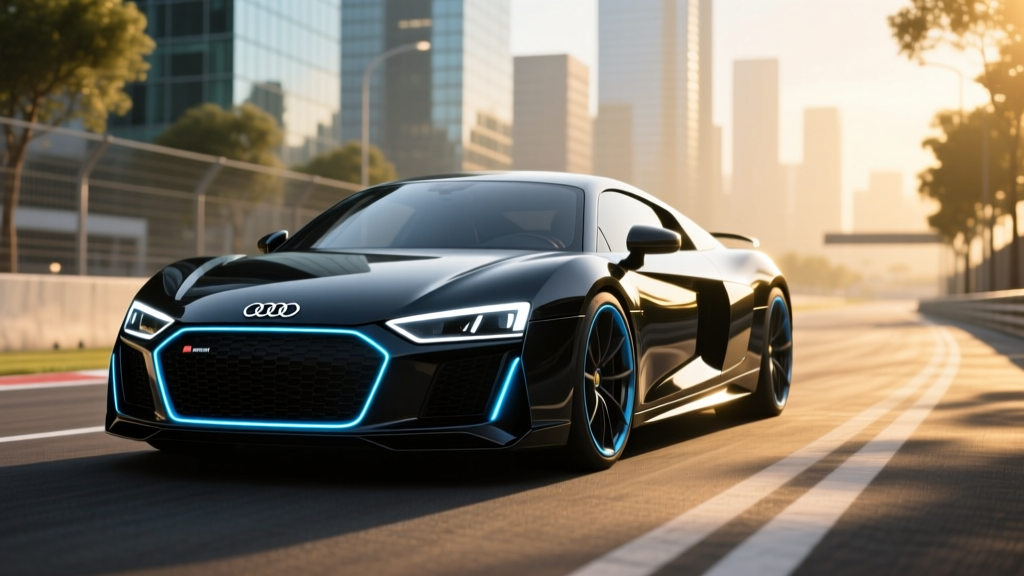
As of early 2026, Audi has not produced or officially announced a direct electric successor wearing the R8 nameplate. The Audi R8 ended production in 2024 after a final V10 GT RWD farewell run. Audi's electric performance flagship is currently the 2026 Audi RS e-tron GT, built on the Porsche-developed J1 Performance Platform (800-volt architecture, up to 637 hp, EPA-estimated 232 miles of range, starting at approximately $149,900). If you're searching for an "electric Audi R8," the RS e-tron GT is the closest thing Audi currently sells — but it's a grand tourer, not a mid-engine supercar replacement. Audi has hinted at future high-performance EVs on the upcoming SSP Sport platform (expected 2027–2028), but nothing has been confirmed as an R8 successor.
Why the R8 Went Away and What Replaced It
The Audi R8 shared its 5.2-liter V10 engine and aluminum space frame with the Lamborghini Huracán. When Volkswagen Group committed to electrification across its brands, the R8's low-volume, ICE-only business case became untenable. Audi sold roughly 25,000 R8s globally across two generations (2006–2024) — a fraction of what a single mainstream model moves in a year.
Rather than directly replacing the R8, Audi invested in the e-tron GT family, co-developed with Porsche's Taycan. The 2026 lineup includes:
- Audi e-tron GT quattro — 522 hp, ~$106,000 MSRP
- Audi RS e-tron GT — 590 hp (637 hp in boost mode), ~$149,900 MSRP
- Audi RS e-tron GT Performance — up to 912 hp, ~$179,000 MSRP (new for 2025, carried into 2026)
These are four-door grand tourers, not mid-engine two-seat supercars. The distinction matters for buyers who specifically want the R8 experience.
2026 Audi RS e-tron GT: The Specs That Matter
| Specification | RS e-tron GT | RS e-tron GT Performance |
|---|---|---|
| Battery (usable) | 83.7 kWh (NMC, 800V) | 92.0 kWh (NMC, 800V) |
| EPA Range | 232 miles | ~270 miles (est.) |
| Real-World Range (highway, 70 mph) | ~185–200 miles | ~220–240 miles |
| Peak DC Fast Charge | 270 kW | 320 kW |
| 10–80% DC Charge Time | ~22 minutes | ~18 minutes |
| Level 2 Charge Rate | 11 kW (AC) | 11 kW (AC) |
| 0–60 mph | 3.1 seconds | 2.5 seconds |
| Horsepower (boost) | 637 hp | 912 hp |
| Drivetrain | AWD (dual motor) | AWD (dual motor) |
| Base MSRP (2026) | $149,900 | $179,000 |
| Battery Warranty | 8 years / 100,000 miles | 8 years / 100,000 miles |
Sources: fueleconomy.gov, Audi USA.
Real-World Range Reality Check
The RS e-tron GT's 232-mile EPA rating drops noticeably in practice. Expect ~185–200 miles at sustained highway speeds (70+ mph) and ~160–175 miles in cold weather (below 32°F) without preconditioning. The 800-volt architecture helps with charging speed but doesn't overcome the physics of a 5,100-lb performance sedan pushing through winter air. For a supercar-intended buyer doing weekend canyon runs, this is adequate. For road trips exceeding 200 miles between chargers, plan stops carefully.
EV vs Gas: How the RS e-tron GT Compares to the Old R8 V10
| Metric | 2026 RS e-tron GT | 2023 Audi R8 V10 Performance (Final Gen) |
|---|---|---|
| 0–60 mph | 3.1 sec | 3.1 sec |
| Horsepower | 637 hp (boost) | 602 hp |
| Top Speed | 155 mph (electronically limited) | 205 mph |
| EPA Range / Fuel Economy | 232 mi / 79 MPGe | ~300 mi / 17 MPG combined |
| "Fuel" Cost per Mile | ~$0.05–$0.07 (home L2) | ~$0.28 (premium at $4.75/gal) |
| Annual Fuel/Energy (12,000 mi) | ~$600–$840 | ~$3,360 |
| Weight | ~5,139 lbs | ~3,726 lbs |
| Cargo Space | 9.2 cu ft (trunk) + 2.9 cu ft (frunk) | 7.7 cu ft (rear shelf only) |
| Seats | 4 (tight rear) | 2 |
| Base Price (when new) | $149,900 | $208,100 (2023 MSRP) |
The RS e-tron GT matches the R8 V10 to 60 mph and demolishes it in running costs. But it gains nearly 1,400 pounds, loses 50 mph of top speed, and trades a naturally aspirated V10 soundtrack for synthetic motor noise. This is a fundamentally different vehicle — a grand touring EV, not a track-focused supercar.
Real Cost of Ownership: 5-Year Breakdown
| Cost Category | RS e-tron GT (5 years) | R8 V10 (5 years, used market) |
|---|---|---|
| Purchase Price | $149,900 | ~$130,000 (2020 model, used) |
| Federal Tax Credit (§30D) | $0 (MSRP cap, income cap, sourcing) | $0 (used exotic, likely over $25k used credit cap) |
| Energy/Fuel (60,000 mi) | ~$3,500 (home charging, $0.14/kWh avg) | ~$16,800 (premium gas) |
| Maintenance | ~$2,500 (tires, cabin filter, fluid checks) | ~$8,000 (oil, brakes, clutch, fluids) |
| Insurance (avg annual) | ~$4,200/yr × 5 = $21,000 | ~$3,600/yr × 5 = $18,000 |
| Depreciation (est.) | ~$60,000 (EV luxury depreciation is steep) | ~$35,000 (R8 holds value well) |
| Estimated 5-Year Total | ~$236,900 | ~$207,800 |
The EV saves on fuel and maintenance but loses heavily to depreciation — a pattern consistent across luxury EVs. The R8's collector appeal and limited supply provide a depreciation floor the e-tron GT cannot match. If total cost matters, a used R8 may be the better financial play. If daily drivability and instant torque matter, the RS e-tron GT wins.
Federal tax credit note: The §30D new EV credit of up to $7,500 has strict eligibility requirements including MSRP caps ($55,000 for sedans — the RS e-tron GT exceeds this), buyer income limits, and battery critical-mineral sourcing rules. At $149,900, the RS e-tron GT does not qualify. See IRS §30D guidelines for current-year rules.
Common Misconceptions About an Electric Audi R8
| Myth | Fact |
|---|---|
| "Audi is making an electric R8 in 2026" | No R8-badged EV exists or is confirmed. The RS e-tron GT is the performance flagship. |
| "The e-tron GT is basically an electric R8" | It's a four-door GT sedan sharing a platform with the Porsche Taycan. Different vehicle class entirely. |
| "EVs are always cheaper to own" | At the $150K+ luxury tier, depreciation often wipes out fuel/maintenance savings. See cost table above. |
| "800V charging means full speed the entire session" | Peak 270 kW is sustained only between ~10–50% SoC. Above 80%, charge rate drops to under 50 kW. The charge curve tapers significantly. |
| "I can charge anywhere on a road trip" | CCS-equipped chargers (the e-tron GT uses CCS1, not NACS) are less ubiquitous than Tesla Superchargers. Check PlugShare before long trips. |
| "Home charging is guaranteed" | Level 2 home installation costs $1,200–$3,500+ and may require a panel upgrade (200A service minimum recommended for 48A chargers). Condo/apartment dwellers may lack access entirely. |
What First-Time EV Buyers in This Segment Should Know
If you're cross-shopping the RS e-tron GT against a used R8 or a Porsche Taycan, here are the practical realities:
Charging Access Is Non-Negotiable
At 83.7 kWh usable, a full Level 2 home charge takes roughly 8.5 hours at 11 kW. Without home or workplace charging, you'll rely on public DC fast chargers — which costs $0.35–$0.55/kWh on networks like Electrify America, erasing the per-mile savings over gas. Confirm you have reliable Level 2 access before committing.
The Connector Matters
The 2026 RS e-tron GT uses the CCS1 connector for DC fast charging. Audi has not yet switched to NACS (Tesla's connector). This means access to Tesla Superchargers requires an adapter (Audi has indicated future compatibility but verify current adapter availability). Non-Tesla CCS networks (Electrify America, EVgo, ChargePoint) are your primary public option.
Insurance Is Higher Than You Expect
EV insurance premiums in the luxury performance segment run 15–30% higher than equivalent gas vehicles due to battery replacement costs and specialized repair requirements. Get quotes before purchasing — expect $3,500–$5,000 annually depending on your profile.
Cold Climate? Plan for 25–35% Range Loss
The RS e-tron GT's liquid thermal management system helps, but NMC batteries lose significant capacity in sustained sub-freezing temperatures. If you live in Minnesota or Montana, your 232-mile EPA range becomes roughly 155–175 miles in January. Preconditioning the battery while plugged in mitigates this but requires planning.
Decision Framework: Should You Wait or Buy Now?
Choose the RS e-tron GT now if:
- You want a new, warrantied Audi performance EV today
- You have home Level 2 charging (or confirmed workplace access)
- Your typical drives are under 200 miles round-trip
- You value instant torque, silence, and daily usability over track time
- You accept steep depreciation as the cost of early EV adoption
Choose a used R8 V10 if:
- You specifically want a mid-engine, two-seat supercar experience
- You care about engine sound, lightweight handling, and top speed
- You want a vehicle that may appreciate (or depreciate slowly) as a future collector car
- You drive fewer than 5,000 miles per year (fuel cost is irrelevant at low mileage)
- You lack reliable home charging access
Wait for a true electric R8 successor if:
- You want a two-seat electric supercar specifically from Audi
- You're willing to wait until 2028–2030 for the SSP Sport platform to mature
- Solid-state battery technology (higher energy density, lighter weight) matters to your purchase
- You want second-generation 800V+ architecture with 350+ kW charging
What Audi Has Hinted About a Future Electric Supercar
Audi has not confirmed an R8 EV, but several signals point in that direction:
- The SSP Sport platform (VW Group's next-gen EV architecture) is expected to underpin future Porsche and Audi performance models starting around 2027–2028.
- Porsche's electric 718 Boxster/Cayman (announced for ~2025–2026) will share architecture with a potential Audi counterpart.
- Audi's 2024 "Audi Concept" showcases hinted at a compact, lightweight electric sports car direction.
- Lamborghini's Lanzador concept (a 2+2 electric GT expected ~2028) may share components with a future Audi performance EV.
None of this is confirmed. Until Audi officially announces a model, treat any "electric R8" reporting as speculation.
Is there an electric Audi R8 available to buy in 2026?
No. Audi discontinued the R8 in 2024 and has not announced an electric successor. The closest current Audi performance EV is the RS e-tron GT ($149,900), which is a four-door grand touring sedan, not a supercar.
Does the RS e-tron GT qualify for the $7,500 federal tax credit?
No. The §30D credit has an MSRP cap of $55,000 for sedans. The RS e-tron GT starts at $149,900, well above the limit. Additionally, buyer income caps and battery sourcing requirements further restrict eligibility. Always verify current rules at IRS.gov.
How fast does the RS e-tron GT charge?
The RS e-tron GT peaks at 270 kW on a DC fast charger, achieving a 10–80% charge in approximately 22 minutes. The Performance variant peaks at 320 kW with a 10–80% time of roughly 18 minutes. Note that charge rate tapers significantly above 80% SoC — expect 80–100% to take an additional 15–20 minutes.
What connector does the Audi e-tron GT use?
The 2026 e-tron GT uses the CCS1 connector for DC fast charging and a J1772 inlet for Level 1/Level 2 AC charging. It does not natively use NACS (Tesla's connector), though adapter compatibility may be available — confirm with your dealer.
Will Audi ever make an electric supercar to replace the R8?
Audi has not confirmed plans, but industry analysts expect a performance EV on the SSP Sport platform around 2028–2030. Whether it wears the R8 name, is a two-seater, or targets the same mid-engine supercar formula remains unknown. The Lamborghini Lanzador and Porsche electric 718 are the closest confirmed VW Group performance EVs in that timeframe.
How much does it cost to charge an RS e-tron GT at home?
At the national average electricity rate of ~$0.16/kWh (2025 EIA data), a full 83.7 kWh charge costs approximately $13.40. For 12,000 miles of annual driving at 2.4 miles/kWh efficiency, expect roughly $800–$900 per year in home electricity costs — compared to $3,000+ for premium gasoline in an R8 V10.