The Bottom Line on the Edison Future EF1-T Electric Truck
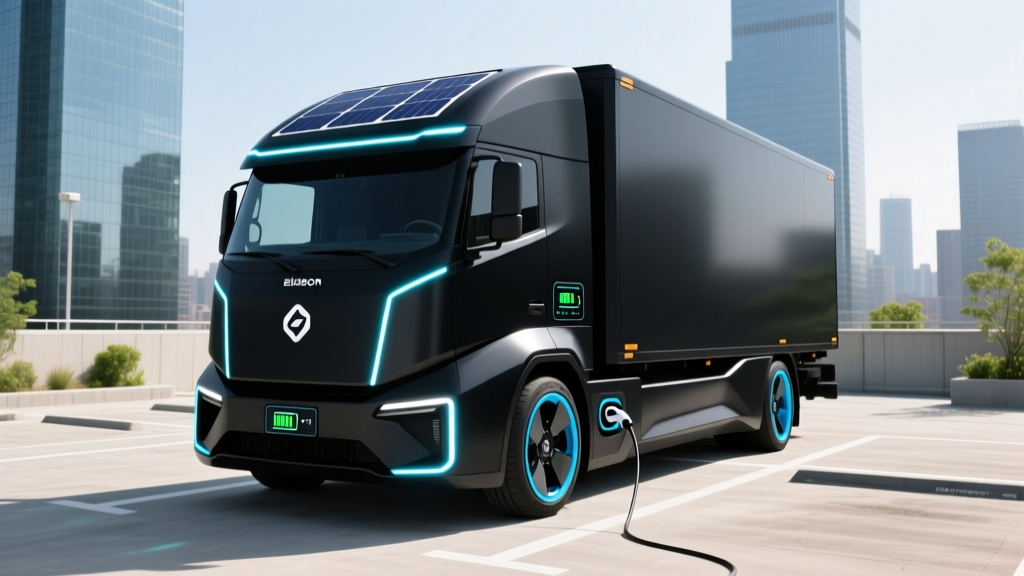
The Edison Future EF1-T is a pre-production electric pickup truck from a startup that has not yet delivered vehicles to customers. As of early 2026, Edison Future has shown prototypes and announced target specifications — including up to an estimated 300+ miles of range and a modular bed system — but the company has not confirmed a firm production date, final EPA-certified range, or verified pricing. If you need a truck now, established alternatives like the Ford F-150 Lightning, Rivian R1T, and Chevrolet Silverado EV are in production and delivering. The EF1-T remains a speculative purchase best suited for fleet buyers and early-adopter enthusiasts willing to accept startup risk.
What Is the Edison Future EF1-T?
Edison Future is a U.S.-based electric vehicle startup headquartered in Texas, founded with ambitions to build both electric trucks and electric vans (the EF1-V) on a shared modular platform. The EF1-T pickup was first teased with concept renders and prototype sightings around 2022–2023, generating attention for its distinctive design language and promised utility features.
The company has positioned the EF1-T as a midsize-to-full-size electric truck targeting both commercial fleet buyers and individual consumers. Edison Future has claimed the truck will feature a unibody construction with an integrated bed, a focus on payload and towing capability, and a technology-forward cabin. However, unlike Rivian (which delivered its first R1T in 2021) or Ford (which has produced hundreds of thousands of F-150 Lightnings), Edison Future remains in the pre-production and prototype validation phase.
This matters enormously for buyers. Startup EV companies have a fraught history: Lordstown Motors, Bollinger Motors, and Nikola all struggled or collapsed before achieving meaningful production volumes. Only Rivian has successfully scaled to tens of thousands of deliveries. Anyone considering the EF1-T should weigh this context carefully.
Preliminary Specs: What Edison Future Has Claimed
Because the EF1-T has not received EPA certification or entered volume production, the figures below are manufacturer-announced targets and estimates. They should be treated as preliminary until independently verified.
| Specification | Announced Target | Status |
|---|---|---|
| Estimated Range | ~300+ miles (target) | Not EPA-certified |
| Battery Chemistry | Undisclosed (likely NMC) | Unconfirmed |
| Battery Capacity | ~100–120 kWh (estimated) | Unconfirmed |
| DC Fast Charge Peak | ~150–200 kW (target) | Unconfirmed |
| 10–80% Charge Time | ~30–40 min (estimated) | Unconfirmed |
| Level 2 AC Charging | ~11.5 kW (target) | Unconfirmed |
| Drivetrain | Dual-motor AWD (expected) | Prototype |
| Horsepower | ~400–500 hp (target) | Unconfirmed |
| 0–60 mph | ~5.0–6.0 sec (estimated) | Unconfirmed |
| Payload Capacity | ~1,500–2,000 lbs (target) | Unconfirmed |
| Towing Capacity | ~7,500–10,000 lbs (target) | Unconfirmed |
| Base MSRP (target) | ~$50,000–$65,000 (estimated) | Not final |
| Production Start | TBD — no firm date | Pre-production |
| Battery Warranty | 8 yr / 100,000 mi (target) | Unconfirmed |
Real-World Range Reality Check: Edison Future's ~300+ mile target, even if achieved at the EPA sticker level, will translate to roughly 240–270 miles of real-world highway range at 70 mph in moderate temperatures, based on the typical 15–20% highway efficiency loss seen in full-size electric trucks like the F-150 Lightning and Silverado EV. In cold weather (below 32°F), expect a further 20–30% reduction, potentially dropping effective range to 180–210 miles on winter highway trips. These estimates are extrapolated from comparable electric trucks since the EF1-T lacks EPA certification.
How Does the EF1-T Compare to Proven Electric Trucks?
The most practical question for any buyer eyeing the Edison Future electric truck is: why wait for an unproven startup when established electric pickups are available now? Here's how the EF1-T's announced targets stack up against real, buyable alternatives.
| Spec | Edison Future EF1-T (Target) | Ford F-150 Lightning (2025) | Rivian R1T (2025 Dual) | Chevy Silverado EV 4WT |
|---|---|---|---|---|
| EPA Range | ~300+ mi (unverified) | 230–320 mi | 270–420 mi | 270–492 mi |
| Battery (usable kWh) | ~100–120 (est.) | 98–131 kWh | 95–149 kWh | 200 kWh (max) |
| Peak DC Charge | ~150–200 kW | 150–155 kW | 200+ kW | 350 kW |
| 10–80% Time | ~30–40 min (est.) | ~41–44 min | ~30 min | ~20 min |
| 0–60 mph | ~5.0–6.0 sec | ~3.8–5.5 sec | ~3.0–4.5 sec | ~4.5 sec |
| Towing (max) | ~7,500–10,000 lbs | 7,700–10,000 lbs | 11,000 lbs | 10,000 lbs |
| Starting MSRP | ~$50,000–$65,000 | ~$54,995 | ~$69,900 | ~$55,000 |
| Availability | Not in production | In production | In production | In production |
| Federal Tax Credit (§30D) | Unknown eligibility | Up to $7,500* | $0 (MSRP cap) | Up to $7,500* |
* Federal §30D tax credit eligibility depends on MSRP caps ($80,000 for trucks/vans/SUVs), buyer income limits ($300K joint / $150K single for new vehicles), battery component sourcing rules, and point-of-sale transfer availability. Always verify current-year rules at IRS.gov and consult a tax professional.
The Real Cost of Electric Truck Ownership
Whether you're eyeing the EF1-T or a proven alternative, the ownership economics of an electric truck follow a consistent pattern. Here's a realistic cost breakdown based on current electric truck ownership data.
| Cost Category | Electric Truck (~$60K MSRP) | Gas Truck (~$50K MSRP) |
|---|---|---|
| Purchase Price (after credit) | ~$52,500 (with $7,500 credit) | ~$50,000 |
| Fuel / Energy (5 yr, 75K mi) | ~$4,500–$6,000 (home charging) | ~$11,250–$13,500 (gas @ $3.50/gal, 18 MPG) |
| Maintenance (5 yr) | ~$1,500–$2,500 | ~$3,500–$5,000 |
| Insurance (5 yr avg) | ~$10,000–$14,000 | ~$8,000–$11,000 |
| Depreciation (est. 5 yr) | ~$22,000–$28,000 | ~$18,000–$22,000 |
| Estimated 5-Yr Total | ~$90,500–$103,000 | ~$90,750–$101,500 |
Key takeaways:
- Fuel savings are real: Home charging at $0.13–$0.18/kWh yields roughly $0.06–$0.08 per mile for an electric truck consuming 45–55 kWh/100mi, versus $0.15–$0.19/mile for a gas truck at 18 MPG combined. Over 75,000 miles, that's $5,000–$8,000 in savings.
- Maintenance is genuinely lower: No oil changes, no transmission fluid, fewer brake replacements (thanks to regenerative braking). Expect roughly 40–50% lower maintenance costs.
- Insurance is higher: Electric trucks typically cost 15–25% more to insure due to higher repair costs, specialized parts, and battery replacement risk. Get quotes before committing.
- Depreciation is a wildcard: EV depreciation has been volatile. Tesla and Ford Lightning values dropped sharply in 2023–2024 before stabilizing. Startup brands like Edison Future would likely face steeper depreciation risk due to brand uncertainty and parts availability concerns.
First-Time EV Truck Buyer: What You Must Know
If the Edison Future EF1-T has caught your eye but you've never owned an electric vehicle, here are the practical realities no marketing brochure will emphasize.
Home Charging Is Non-Negotiable for Most Owners
Over 80% of EV charging happens at home. A Level 2 home charger (240V, 40–48 amps) adds roughly 20–30 miles of range per hour and can fully replenish a 100+ kWh truck battery overnight. Installation costs range from $500–$2,500 if your electrical panel has capacity, but can jump to $3,000–$5,000+ if a panel upgrade (from 100A to 200A service) is needed. If you live in an apartment or lack garage/driveway access, public DC fast charging will be your primary option — and it costs 2–3x more per mile than home charging.
Understand kW vs. kWh Before You Shop
This is the single most common point of confusion:
- kWh (kilowatt-hours) = energy capacity, like the size of a gas tank. A 120 kWh battery stores 120 kWh of energy.
- kW (kilowatts) = power rate, like the diameter of a fuel hose. A 150 kW DC fast charger delivers energy at 150 kW — but only at peak, typically between 10–50% state of charge. Above 80%, charging slows dramatically (the "charge curve taper") to protect battery health.
A truck with a 120 kWh battery charging at a peak 200 kW might add 100 miles in 15 minutes at low SoC, but the full 10–80% session still takes 30–40 minutes because the rate doesn't stay at peak.
Cold Weather Cuts Range — Significantly
Lithium-ion batteries lose efficiency in cold temperatures, and cabin heating demands energy that a gas truck gets "for free" from engine waste heat. In sub-freezing conditions, expect 20–35% range reduction in an electric truck. A 300-mile EPA sticker can become 200–240 real-world miles on a 20°F winter day. Trucks with heat pumps (which the EF1-T has not confirmed) mitigate this by 5–10 percentage points.
The Startup Risk Is Real
Deposits and reservations for startup EVs carry genuine risk. Lordstown Motors accepted reservations before filing for bankruptcy. Bollinger pivoted away from consumer trucks entirely. If Edison Future fails to reach production, reservation holders may lose deposits and have no vehicle, no warranty, and no parts support. Never place a deposit you cannot afford to lose.
Common Misconceptions About the EF1-T and Electric Trucks
| Myth | Fact |
|---|---|
| "The EF1-T is available to order and will ship soon." | As of 2026, the EF1-T is not in production. No firm delivery date has been confirmed. Reservations do not guarantee a delivery timeline. |
| "Electric trucks can't tow anything useful." | Production electric trucks tow 7,700–11,000 lbs. However, towing cuts range by 40–50%. A 300-mile truck may deliver only 150–180 miles while towing at highway speed. |
| "I'll save $7,500 on any EV I buy." | The §30D federal credit has strict MSRP caps ($80K for trucks), buyer income limits, and battery sourcing requirements. Many EVs and many buyers do not qualify. Verify at IRS.gov. |
| "Electric truck batteries need replacing every few years." | Modern NMC and LFP batteries are designed for 1,000–2,000+ charge cycles. At 300 miles per cycle, that's 300,000–600,000 miles before significant degradation. Federal warranty mandates require 8 years/100,000 miles minimum capacity retention (typically 70%+). See fueleconomy.gov for EV technology details. |
| "Charging an electric truck takes all day." | Level 2 home charging fully replenishes overnight (8–12 hours for a large battery). DC fast charging adds 100–200 miles in 15–30 minutes. Most daily driving requires only 1–2 hours of overnight Level 2 charging. |
Decision Framework: Should You Wait for the EF1-T or Buy Now?
Choose the Edison Future EF1-T (reservation) if:
- You do not need a truck within the next 12–24 months and can absorb timeline uncertainty.
- You are a fleet buyer evaluating multiple future platforms and can diversify risk across several orders.
- You are an early-adopter enthusiast who accepts startup risk, potential deposit loss, and limited initial service infrastructure.
- The EF1-T's specific design or modularity features (once finalized) solve a use case that no current production truck addresses.
Choose a production electric truck (F-150 Lightning, R1T, Silverado EV) if:
- You need a truck within 6 months and require a guaranteed delivery timeline.
- You want EPA-certified range figures, verified crash-test ratings (NHTSA / IIHS), and established warranty support.
- You plan to use the truck for income-generating work (contracting, fleet use) where downtime is costly and parts availability is critical.
- You want to claim the §30D federal tax credit with confidence on a vehicle whose eligibility is already confirmed.
- You need access to a proven DC fast-charging network (Tesla Supercharger via NACS adapter, Electrify America, EVgo) with vehicles that have validated charging curves.
Choose a gas or hybrid truck if:
- You lack reliable home charging access and your area has limited public DC fast-charging infrastructure.
- You regularly tow heavy loads over long distances (towing slashes EV range by 40–50%, making 200+ mile towing trips impractical without multiple 30-minute charge stops).
- You operate in extreme cold climates (–20°F or below) where range loss and charging slowdowns compound significantly.
- Your budget is under $45,000 and you need a new truck — no current electric truck starts below ~$50,000 before incentives.
Frequently Asked Questions
Can I buy the Edison Future EF1-T right now?
No. As of 2026, the EF1-T is not in production and is not available for purchase or delivery. Edison Future has accepted interest or reservations, but no firm production timeline has been confirmed. Treat any delivery date as speculative.
How much will the Edison Future EF1-T cost?
Edison Future has indicated target pricing in the roughly $50,000–$65,000 range, but final MSRP by trim has not been published. For context, the Ford F-150 Lightning starts around $54,995 and the Chevrolet Silverado EV 4WT starts near $55,000. If the EF1-T prices above $80,000 on higher trims, those trims would exceed the §30D tax credit MSRP cap for trucks.
Will the EF1-T qualify for the $7,500 federal tax credit?
Unknown. §30D credit eligibility requires the vehicle to meet MSRP caps ($80,000 for trucks), buyer income limits, final assembly in North America, and battery component/critical mineral sourcing thresholds. Until Edison Final finalizes its supply chain and begins production, credit eligibility cannot be determined. Always check current rules at IRS.gov.
What charging connector will the EF1-T use?
Edison Future has not publicly confirmed whether the EF1-T will use the NACS (Tesla-style) connector, the CCS1 connector, or another standard. As of 2025–2026, the industry has largely shifted to NACS, with Ford, GM, Rivian, Volvo, and others adopting it. A new entrant would likely follow this trend, but this remains unconfirmed for the EF1-T.
Is it safe to put a deposit down on the EF1-T?
Any deposit on a pre-production startup vehicle carries risk. Verify whether the deposit is fully refundable, whether it's held in escrow, and what happens if the company ceases operations. Never commit funds you cannot afford to lose entirely. For comparison, Rivian accepted $1,000 fully refundable deposits for years before delivering vehicles — and many customers waited 2–3 years.
How does electric truck range hold up when towing?
Poorly compared to unloaded driving. Towing a 5,000–7,000 lb trailer at highway speeds typically reduces electric truck range by 40–50%. A truck with a 300-mile EPA rating may deliver only 150–180 miles while towing. This makes long-distance towing in an electric truck feasible but requires careful route planning around DC fast chargers. Gas trucks lose fuel economy when towing too, but their range impact is less severe due to the energy density of gasoline and the speed of refueling.
What's the battery degradation risk on a startup truck?
Battery degradation depends primarily on chemistry (NMC vs. LFP) and thermal management system quality — both unconfirmed for the EF1-T. Industry-wide, modern EV batteries lose roughly 5–10% capacity over the first 100,000 miles, then degrade more slowly. Federal law mandates a minimum 8-year/100,000-mile battery warranty, but warranty enforcement depends on the company still existing. A startup that ceases operations cannot honor warranties — a significant risk factor unique to pre-production vehicles.