Quick Answer: The DRT E1.1 Is Not an Electric Vehicle
The DRT E1.1 electric mountain bike is a pedal-assist e-bicycle sold through select retailers — it is not an electric car, truck, or SUV. It does not qualify for the federal §30D EV tax credit, cannot be registered as a motor vehicle, and is not reviewed on autoedgeview.com, which covers highway-capable electric and plug-in hybrid vehicles. If you landed here researching the DRT E1.1, you're likely weighing electrified transportation options. Below, we break down what actual EVs cost in 2026, how they compare to gas and hybrid alternatives, and whether your budget stretches to a real four-wheeled electric vehicle.
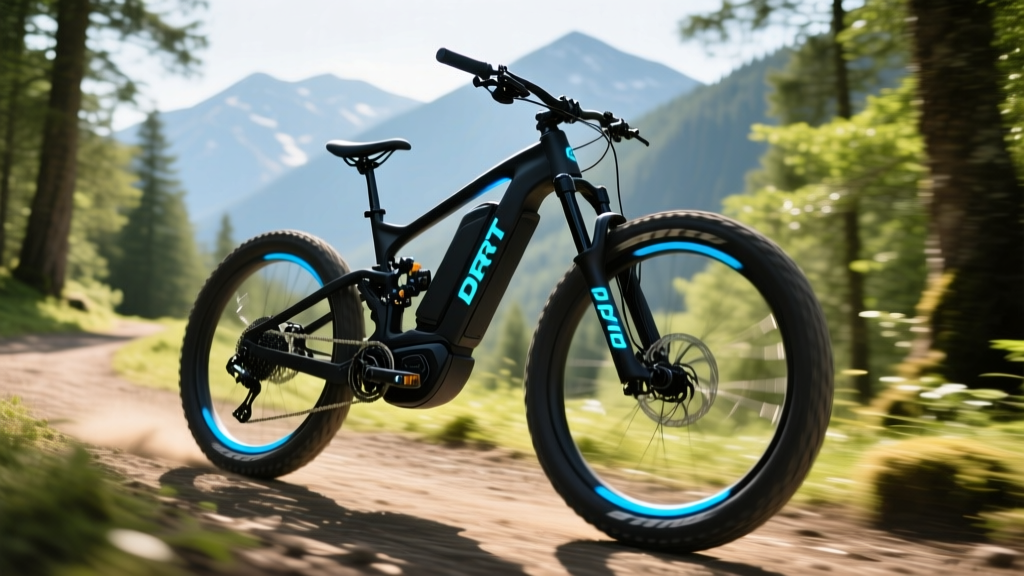
What the DRT E1.1 Electric Mountain Bike Actually Is
The DRT E1.1 is a Class 2 or Class 3 pedal-assist e-bike (depending on configuration) with a hub motor typically rated between 250W and 750W, a lithium-ion battery pack in the 360–500 Wh range, and a top assisted speed of roughly 20–28 mph. It's designed for trails, bike lanes, and last-mile commuting — not highways, carpool lanes, or winter road trips.
Key distinctions from a true battery-electric vehicle (BEV):
- Energy capacity: ~0.4 kWh (e-bike) vs. 60–100+ kWh (EV) — a factor of 150x or more.
- Range: 20–50 miles on pedal assist vs. 250–400+ miles EPA for modern EVs.
- Charging: Standard 120V wall outlet, 3–6 hours — no Level 2 or DC fast charging.
- Regulation: Not subject to NHTSA safety standards, no airbags, no crash-test ratings.
- Tax credits: E-bikes do not qualify for the IRS §30D clean vehicle credit (that credit applies to four-wheeled vehicles with four wheels and a gross vehicle weight under 14,000 lbs, per IRS.gov).
If you want an e-bike, the DRT E1.1 may serve you well. If you want a vehicle that replaces a gas car, keep reading.
Real EVs in 2026: What Your Budget Actually Buys
If you were considering the DRT E1.1 electric mountain bike as a car-replacement or secondary vehicle, here's what the actual EV market looks like in 2026 at accessible price points:
| Vehicle | Base MSRP | EPA Range | Battery (kWh) | Peak DC Charge | 10–80% Time | 0–60 mph |
|---|---|---|---|---|---|---|
| Chevrolet Equinox EV LT | $34,900 | 319 mi | 85 kWh (NMC) | 150 kW | ~30 min | 7.8 sec |
| Hyundai Ioniq 5 SE | $43,200 | 303 mi | 77.4 kWh (NMC) | 238 kW | ~18 min | 5.1 sec |
| Nissan Leaf SV Plus | $31,500 | 212 mi | 60 kWh (NMC) | 100 kW | ~40 min | 6.9 sec |
| Tesla Model 3 RWD | $39,990 | 272 mi | 60 kWh (LFP) | 170 kW | ~25 min | 5.8 sec |
Sources: fueleconomy.gov, manufacturer press sites. All MSRPs before destination charges and before any federal or state incentives.
The critical takeaway: a new, highway-safe, four-door electric vehicle with 200+ miles of EPA range now starts near $31,000. After the §30D credit (if you qualify), effective prices can dip into the mid-$20,000s.
EV vs Gas vs Hybrid: The Real Cost Comparison
Let's compare a representative EV against a gas compact SUV and a hybrid over five years and 75,000 miles of mixed driving. This is the comparison shoppers actually need.
| Cost Factor (5 yr / 75k mi) | Chevy Equinox EV | Toyota RAV4 Hybrid | Honda CR-V Gas |
|---|---|---|---|
| Purchase price (after incentives) | $27,400* | $33,500 | $31,200 |
| Fuel / electricity | $2,850 | $5,100 | $7,500 |
| Maintenance | $1,800 | $3,200 | $3,800 |
| Insurance (avg) | $7,200 | $6,100 | $5,900 |
| Depreciation (est.) | $11,500 | $9,800 | $10,200 |
| Total 5-yr cost | $50,750 | $57,700 | $58,600 |
*Assumes $7,500 §30D point-of-sale credit applied. Eligibility depends on income caps ($150k single / $300k joint), MSRP caps ($55k SUVs), and battery sourcing rules. Verify at IRS.gov and with your tax professional.
Electricity cost assumes $0.14/kWh national average with predominantly home charging. Gas assumes $3.50/gallon at 28 MPG combined (CR-V) and 40 MPG combined (RAV4 Hybrid). EV maintenance savings come from no oil changes, fewer brake replacements (regen braking), and simpler drivetrains.
Real-World Ownership: What First-Time EV Buyers Must Know
EV ownership is excellent when your situation aligns with the technology. It's frustrating when it doesn't. Here are the honest factors no brochure will highlight:
Home Charging Is Non-Negotiable for Most Owners
Over 80% of EV charging happens at home. If you have a garage or driveway where a Level 2 charger (240V, 32–48A, 7.7–11.5 kW) can be installed, you'll wake up to a full battery every morning. A Level 2 installation typically costs $800–$2,500 including equipment and electrician labor — more if your panel needs a 200A upgrade ($2,000–$4,000).
If you live in an apartment without charging access or rely solely on street parking, EV ownership becomes significantly harder. Public DC fast charging costs 2–4x more per kWh than home charging and adds 20–40 minutes to your routine multiple times per week.
Cold Weather Reduces Range 20–40%
Lithium-ion batteries lose efficiency below freezing. An EV rated at 300 miles EPA may deliver only 180–240 miles in sustained 20°F weather, especially with cabin heating. Vehicles with heat pumps (Hyundai Ioniq 5, Tesla Model 3) lose less than those with resistance heaters. If you live in Minnesota, Maine, or Montana, budget for real winter range.
Charging Speeds Taper Above 80%
A vehicle advertising "250 kW DC fast charging" does not sustain that rate. The charge curve peaks briefly at low state-of-charge, then tapers to protect the battery. Expect 10–80% in the manufacturer-quoted time, but 80–100% can take nearly as long again. Plan road-trip stops around 10–80% charges for efficiency.
Common EV Misconceptions — Corrected With Data
| Myth | Fact (With Numbers) |
|---|---|
| "EV batteries need replacing every few years" | Federal law mandates 8-year/100,000-mile battery warranties. Real-world degradation is ~10–15% over 150,000 miles for NMC chemistry, less for LFP. Most batteries outlast the vehicle. |
| "EVs are worse in winter" | Range drops 20–40%, yes — but EVs start instantly in cold (no cranking), and preconditioning while plugged in warms the cabin without burning fuel. A 300-mi EV still delivers 200+ mi in deep cold. |
| "Charging takes too long" | Home Level 2 adds 25–35 miles per hour of charging — overnight covers any daily commute. DC fast charging adds 150–250 miles in 20–30 minutes on modern 800V platforms (Ioniq 5, EV6). |
| "EVs cost more to own" | Higher purchase price is offset by fuel savings ($4,000–$5,000 over 5 years), lower maintenance ($1,500+ saved), and tax credits. Break-even typically occurs in year 2–4 depending on mileage. |
| "The grid can't handle EVs" | Most charging occurs overnight during off-peak hours when grid capacity is underutilized. Smart charging and V2G technology further reduce peak demand. |
Decision Framework: Should You Buy an EV, Hybrid, or Something Else?
If X, Then Y — Your Electrified Vehicle Decision Guide
- If you have home charging AND drive under 250 miles/day: Buy a BEV. You'll save $1,000–$1,500/year on fuel, never visit a gas station, and enjoy the lowest maintenance costs. The Equinox EV or Tesla Model 3 are strong 2026 picks.
- If you have home charging BUT regularly drive 300+ miles in rural areas: Consider a PHEV (plug-in hybrid) like the Toyota RAV4 Prime (42 mi electric-only, 38 MPG after). You get electric commuting with gas-engine range for road trips.
- If you lack home charging and can't install it: A conventional hybrid (HEV) like the RAV4 Hybrid is the pragmatic choice. No plug needed, 40 MPG combined, no charging infrastructure dependency.
- If you need a secondary vehicle for short neighborhood trips only: This is where an e-bike like the DRT E1.1 makes sense — as a complement to your primary vehicle, not a replacement.
- If you tow over 5,000 lbs frequently: EV trucks (F-150 Lightning, Silverado EV) work but lose 30–50% range when towing. A diesel or hybrid truck may be more practical until battery energy density improves.
Frequently Asked Questions
Does the DRT E1.1 electric mountain bike qualify for the $7,500 federal EV tax credit?
No. The IRS §30D clean vehicle credit applies only to four-wheeled motor vehicles with a gross vehicle weight rating under 14,000 pounds that meet battery sourcing and critical mineral requirements. E-bikes, e-scooters, and electric motorcycles are excluded. Some states or localities offer separate e-bike rebates — check your state energy office.
What's the cheapest real EV I can buy in 2026?
The Nissan Leaf S starts around $29,000 MSRP, and with the full $7,500 §30D point-of-sale credit (if eligible), the effective price drops to roughly $21,500. The Chevrolet Equinox EV LT at $34,900 offers significantly more range (319 mi vs. 149 mi for the base Leaf) and is the better value for most buyers despite the higher sticker.
How much does it cost to charge an EV at home per month?
At the national average electricity rate of ~$0.14/kWh and an average EV efficiency of 3.5 miles/kWh, driving 1,000 miles per month costs roughly $40 in electricity. The same distance in a 28 MPG gas car at $3.50/gallon costs $125. That's $85/month or $1,020/year in fuel savings with an EV.
Will an EV battery last as long as a gas engine?
Data from long-term fleet studies shows most modern NMC and LFP batteries retain 85–90% of original capacity after 150,000 miles. All new EVs carry a minimum 8-year/100,000-mile battery warranty (10 years/150,000 miles in CARB states). A well-maintained gas engine may last 200,000 miles, but it requires far more maintenance along the way. Replacement EV battery packs currently cost $8,000–$18,000 depending on capacity, though prices continue declining.
Is the DRT E1.1 e-bike a good alternative to a car for commuting?
For commutes under 15 miles in fair weather with safe bike infrastructure, an e-bike can replace some car trips at a fraction of the cost ($1,000–$2,500 vs. $30,000+). It won't replace a car for highway driving, winter weather, passenger hauling, or cargo. Think of it as a supplement to your primary vehicle, not a substitute.