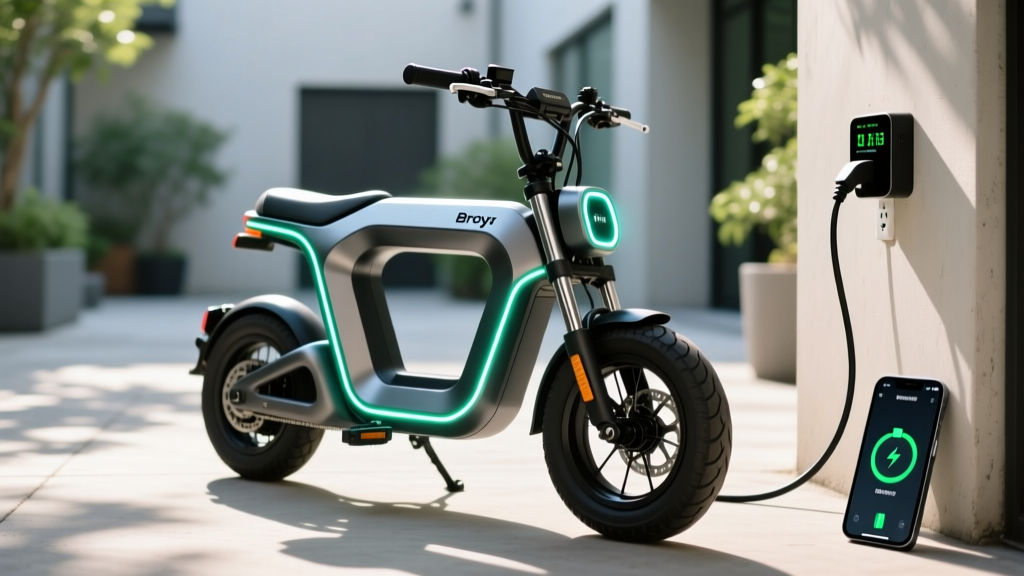
Quick Answer: The Droyd Blipper electric mini bike is a compact, low-speed electric two-wheeler designed for neighborhood rides, campus commuting, and light recreation — not highway travel or long-distance commuting. With a 1.2 kWh lithium battery, expect roughly 25–40 miles of real-world range depending on rider weight, terrain, and throttle usage. It charges from a standard 120V household outlet in about 4–5 hours. At a typical price point of $1,200–$1,500, it fills a niche between e-scooters and full electric motorcycles, but buyers should understand its limitations before purchasing.
What the Droyd Blipper Actually Is (and Isn't)
The Droyd Blipper is classified as an electric mini bike — a small, low-powered electric two-wheeler that sits below full electric motorcycles and even many electric mopeds in terms of speed and range. It is not a street-legal motorcycle in most jurisdictions, and it does not qualify for federal EV tax credits under IRS §30D, which apply to four-wheeled motor vehicles meeting specific battery-capacity and sourcing requirements.
Think of the Blipper as closer to a high-end electric scooter with a seat and motorcycle-style controls than a true electric vehicle in the automotive sense. It competes in a category alongside products like the Super73, Segway Xafari, and various Chinese-import mini bikes flooding the market.
Key Specifications at a Glance
| Specification | Droyd Blipper |
|---|---|
| Battery Capacity | 1.2 kWh (lithium-ion) |
| Motor Power | ~750W nominal / 1,500W peak |
| Top Speed | ~28 mph (electronically limited) |
| EPA-Equivalent Range | Not EPA-rated; manufacturer claims ~40 mi |
| Real-World Range | 25–40 mi (varies by weight, terrain, speed) |
| Charge Time (120V) | 4–5 hours (0–100%) |
| Charger Type | Standard wall outlet, included charger |
| Weight | ~110 lbs |
| Max Rider Load | ~265 lbs |
| Typical Price | $1,200–$1,500 MSRP |
| Federal Tax Credit | Not eligible (§30D applies to 4-wheel vehicles) |
Real-World Range: What to Actually Expect
The manufacturer's claim of approximately 40 miles assumes ideal conditions: a lightweight rider, flat terrain, moderate speeds around 15 mph, and warm weather. In practice, most riders will see less.
Factors that reduce range significantly:
- Full-throttle riding: Sustained 28 mph operation can cut range to 18–25 miles. The 1.2 kWh battery simply doesn't have the energy reserve for high-speed sustained use.
- Rider weight: A 220 lb rider will see roughly 15–20% less range than a 150 lb rider on the same route.
- Hills and inclines: The 750W nominal motor works hard on grades, drawing significantly more current from the battery.
- Cold weather: Lithium-ion batteries lose 10–30% of usable capacity below 40°F. Expect 20–28 real-world miles on a cold day if you're riding at higher speeds.
- Battery age: After 300–500 charge cycles, capacity typically degrades to 80–85% of original. Plan for reduced range after 2–3 years of regular use.
Real-World Range Reality Check: Manufacturer claim: ~40 miles. Expect 25–35 miles with mixed riding at moderate speeds. Heavy throttle or hilly terrain: 18–25 miles. Cold weather (below 40°F): subtract another 15–25%.
Charging: Simple but Slow
The Blipper charges via an included external charger that plugs into any standard 120V household outlet. There is no Level 2 or DC fast charging capability — this is a simple, low-power system.
| Charging Level | Power | Time (0–100%) | Availability |
|---|---|---|---|
| Standard Outlet (120V) | ~250–300W | 4–5 hours | Included charger, any outlet |
| Level 2 (240V) | Not supported | N/A | N/A |
| DC Fast Charge | Not supported | N/A | N/A |
kW vs. kWh reminder: The Blipper's battery stores 1.2 kWh (kilowatt-hours) of energy — that's the tank size. The charger delivers roughly 0.25–0.3 kW (kilowatts) of power — that's the fill rate. A small tank with a slow fill rate still means manageable charge times, but you won't be topping up quickly between rides.
Practical charging ownership tip: Because the battery is not removable on most Blipper configurations, you need to park the bike near an outlet. If you live in an apartment without ground-floor outlet access or a garage, this is a genuine constraint. Plan your parking situation before buying.
Cost Breakdown: Purchase, Charging, and Ownership
At $1,200–$1,500, the Blipper is an impulse-friendly price point compared to a full electric motorcycle (which starts around $7,000–$10,000 for models like the Zero S or LiveWire ONE). But total cost of ownership includes more than the sticker price.
| Cost Category | Droyd Blipper | Gas Scooter (50cc, comparison) | Electric Car (comparison baseline) |
|---|---|---|---|
| Purchase Price | $1,200–$1,500 | $2,500–$3,500 | $30,000–$45,000 |
| Cost per Full Charge/Fill | ~$0.15–$0.20 (at $0.13/kWh avg) | ~$3.50–$5.00 (1 gal gas) | ~$8–$14 (home, 60–80 kWh) |
| Cost per Mile (energy) | ~$0.005 | ~$0.05–$0.07 | ~$0.03–$0.05 |
| Annual Maintenance | Minimal ($0–$50) | $150–$300 (oil, belts, plugs) | $300–$600 |
| Insurance (annual) | Often not required/varies | $200–$500 | $1,200–$2,500 |
| Battery Replacement | $200–$400 (est., 3–5 yrs) | N/A | $5,000–$15,000 (long-term) |
| Federal Tax Credit | None | None | Up to $7,500 (if eligible) |
The energy math is compelling: At the national average electricity rate of roughly $0.13/kWh (per U.S. EIA data), a full charge of the 1.2 kWh battery costs approximately $0.16. Over 1,000 miles of riding, your total energy cost is roughly $5. A comparable gas scooter would burn about $50–$70 in fuel over the same distance.
However, the battery replacement timeline matters. Small lithium cells in mini bikes typically last 300–500 full charge cycles before significant degradation. If you ride 10 miles daily and charge every other day, you might hit 500 cycles in roughly 3 years. A replacement battery pack costs an estimated $200–$400, which adds meaningfully to long-term ownership cost.
How the Blipper Compares: Mini Bike vs. E-Bike vs. Gas Scooter
Buyers considering the Droyd Blipper are usually cross-shopping several categories. Here's how they stack up:
| Factor | Droyd Blipper (Mini Bike) | Class 2 E-Bike | 50cc Gas Scooter |
|---|---|---|---|
| Top Speed | ~28 mph | 20 mph (legal limit) | 35–40 mph |
| Range | 25–40 mi | 20–45 mi | 100–150 mi |
| Purchase Price | $1,200–$1,500 | $800–$2,500 | $2,500–$3,500 |
| Street Legal? | Varies by state (often not) | Yes, bike lanes/paths | Yes, with registration |
| Licensing Required | Varies (often no) | No | Yes (motorcycle endorsement in some states) |
| Charging/Fueling | 120V outlet, 4–5 hrs | 120V outlet, 3–6 hrs | Gas station, 2 min |
| Cargo Capacity | Minimal | Panniers/basket | Under-seat storage |
| Weather Protection | None | None | Minimal |
The key trade-off: The Blipper offers more speed and a motorcycle-like experience than an e-bike, but with less range, less legal clarity, and no infrastructure support. A gas scooter gives far more range and is unambiguously street-legal, but costs more upfront and per mile.
Legal and Safety Considerations Buyers Overlook
This is where most mini bike buyers get surprised. The Droyd Blipper occupies a legal gray area in many states:
- It's not an e-bike: Federal e-bike classification (Class 1/2/3) applies to bicycles with operable pedals. The Blipper has no pedals, so it doesn't qualify for e-bike protections under CPSC guidelines.
- It may not be street-legal: Without DOT-approved lighting, mirrors, a horn, and proper registration capability, many states classify it as an off-road vehicle. Riding it on public roads could result in fines.
- Sidewalk riding is often illegal: Even if it's not street-legal, many municipalities prohibit motorized vehicles on sidewalks and bike paths.
- Insurance is optional but risky to skip: If you ride on private property only, insurance may not be required. But any collision on or near a public right-of-way could expose you to liability.
⚠️ Critical Limitation: Before purchasing, check your state and local regulations regarding motorized mini bikes. Many buyers discover after purchase that they cannot legally ride the Blipper on the routes they intended. Contact your local DMV or review your state's vehicle code for "motorized bicycle" or "mini motorcycle" classifications.
Common Misconceptions About Electric Mini Bikes
| Myth | Fact |
|---|---|
| "It's basically an electric motorcycle" | No. At 28 mph and 1.2 kWh, it lacks the speed, range, and legal classification of a true electric motorcycle like the Zero S (85+ mph, 14.4 kWh battery). |
| "I'll save thousands vs. a car" | You'll save on energy costs per mile, but the Blipper doesn't replace a car. It's a recreational/short-trip vehicle. Don't model your savings against a full car payment. |
| "The battery will last forever" | Small lithium-ion cells degrade measurably after 300–500 cycles. Plan for a $200–$400 replacement within 3–5 years of regular use. |
| "I can ride it anywhere" | Legal restrictions vary widely. Many states require registration, insurance, or prohibit mini bikes on public roads entirely. |
| "It qualifies for the EV tax credit" | The federal §30D credit applies only to qualified 4-wheeled plug-in electric vehicles meeting battery-sourcing and MSRP requirements. Two-wheeled mini bikes are excluded. |
Decision Framework: Should You Buy the Droyd Blipper?
Buy the Droyd Blipper if:
- You want a fun, low-speed electric ride for private property, campgrounds, or neighborhoods where local law permits
- Your typical rides are under 20 miles round-trip on flat terrain
- You have access to a ground-level outlet for charging
- You understand it may not be street-legal in your area and are comfortable with that limitation
- You're looking for a motorcycle-style experience at a fraction of the cost of a Zero or LiveWire
Look elsewhere if:
- You need a daily commuter vehicle for distances over 25 miles
- You need to ride on highways or high-speed roads
- You live in an apartment without convenient ground-floor charging access
- You need a vehicle that is unambiguously street-legal and insurable
- You weigh over 250 lbs and plan to ride in hilly terrain (range will be severely limited)
- You want federal or state EV incentives to offset the purchase price
Alternatives to Consider
- For legal, practical commuting: A Class 3 e-bike (28 mph assist, pedal-required) like the RadPower RadCity 5 Plus or Trek FX+ offers similar speed with clear legal status in all 50 states, at $1,500–$2,800.
- For more range and speed: A used electric scooter like the NIU NQi GT (~$3,000–$4,000 used) offers 40+ mph speeds and 40+ mile range with proper street-legal registration.
- For maximum utility: A plug-in hybrid or used EV (Chevrolet Bolt, Nissan LEAF) provides 100+ mile range, highway capability, and may qualify for the used EV tax credit of up to $4,000 if income and vehicle requirements are met.
Frequently Asked Questions
How long does the Droyd Blipper battery last before needing replacement?
Expect 300–500 full charge cycles before the battery degrades to roughly 80% of its original capacity. With daily riding and charging every 1–2 days, that translates to approximately 2–4 years of practical use before you notice meaningful range reduction. A replacement battery pack costs an estimated $200–$400.
Can I ride the Droyd Blipper on public roads?
This depends entirely on your state and local laws. Most states do not classify mini bikes without pedals, DOT lighting, and registration capability as street-legal vehicles. Some states allow them on roads with speed limits under 25–30 mph with a valid license. Check your local DMV or municipal code before assuming you can ride on public roads.
Does the Droyd Blipper qualify for any EV tax credits or incentives?
No. The federal §30D Clean Vehicle Credit requires a four-wheeled vehicle with a battery capacity of at least 7 kWh, among other requirements. The Blipper's 1.2 kWh battery and two-wheeled configuration make it ineligible. Some local utility companies offer small rebates for electric two-wheelers — check with your provider.
How does cold weather affect the Blipper's range?
Lithium-ion batteries lose efficiency in cold temperatures. Below 40°F, expect 15–30% range reduction depending on how cold it is and how hard you ride. At 20°F, a bike that normally delivers 35 miles might only give you 22–28 miles. Storing and charging the bike indoors helps preserve battery health in winter.
Is the Droyd Blipper a good first electric vehicle for a teenager?
It can be, with caveats. The 28 mph speed is manageable but still fast enough to cause serious injury in a crash. Helmet use is essential regardless of local law. Parents should verify local legality, ensure safe riding environments (private property, low-traffic neighborhoods), and understand that insurance may not cover a minor operating an unregistered motorized vehicle.
What maintenance does the Blipper require?
Very little compared to a gas vehicle. Expect to check tire pressure monthly, lubricate the chain (if chain-driven) every few hundred miles, inspect brake pads annually, and keep the battery stored at 40–80% charge when not in use for extended periods. There are no oil changes, spark plugs, air filters, or exhaust systems to maintain.