Electric vehicles aren't typically associated with drifting, but Tesla's dual-motor setups and instant torque have sparked interest among enthusiasts wondering if they can slide a Model 3 or Model Y sideways. This guide breaks down the technical feasibility, performance specs, real-world range, charging capabilities, and ownership costs of Tesla's most popular models through the lens of someone curious about their dynamic limits.
Tesla Model 3 Performance: The Drift-Capable EV
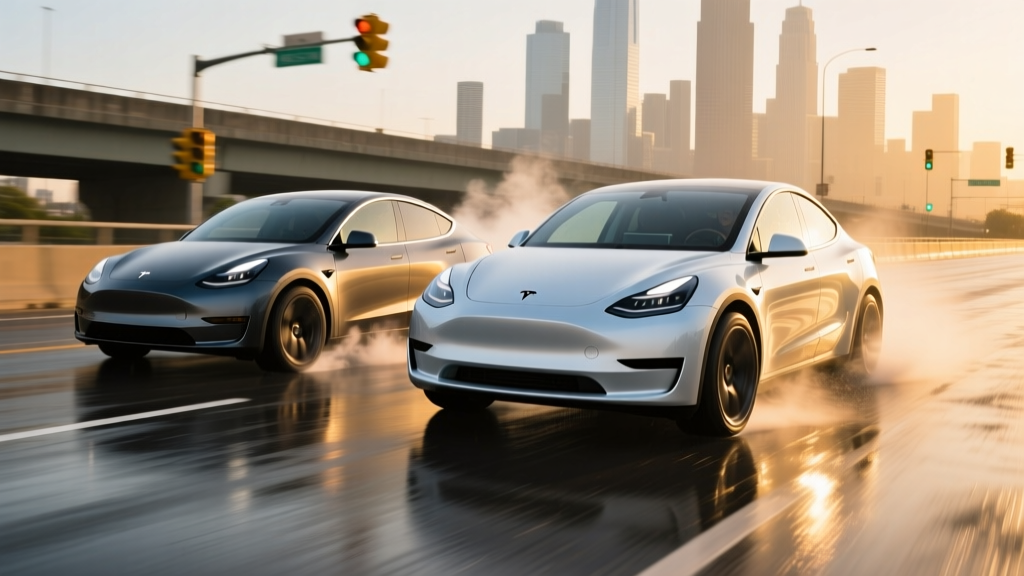
The 2026 Tesla Model 3 Performance (Highland refresh) remains the most accessible Tesla for driving enthusiasts. Its dual-motor all-wheel-drive system delivers 510 horsepower and 546 lb-ft of torque, with a 0-60 mph time of 2.9 seconds according to Tesla's official specs. The rear-biased torque distribution in Track Mode allows controlled oversteer, making sustained drifts technically possible on a closed course.
| Spec | Model 3 Performance | Model Y Performance |
|---|---|---|
| 0-60 mph | 2.9 sec | 3.5 sec |
| Horsepower | 510 hp | 456 hp |
| Drivetrain | Dual-motor AWD | Dual-motor AWD |
| EPA Range | 315 mi | 285 mi |
| Battery (usable) | 75 kWh (NMC) | 75 kWh (NMC) |
| Max DC Charge | 250 kW | 250 kW |
| 10-80% DC Time | ~18 min | ~20 min |
| Level 2 Rate | 11.5 kW (~44 mi/hr) | 11.5 kW (~40 mi/hr) |
| Base MSRP | $52,990 | $54,990 |
Can You Actually Drift a Tesla? The Physics
Tesla's dual-motor system can send up to 100% of torque to the rear axle in Track Mode, which is essential for initiating and sustaining a drift. However, several factors limit practical drifting:
- Weight: The Model 3 Performance weighs 4,065 lbs, with most mass low in the chassis due to the battery pack. This makes weight transfer during drift transitions sluggish compared to lighter sports cars.
- Tire wear: EVs already wear tires faster due to instant torque and heavy weight. Drifting accelerates tire degradation dramatically—expect to burn through a set of high-performance tires in a single track day.
- Thermal management: Sustained high-power output generates heat in the battery and motors. Tesla's thermal system is robust, but repeated drift sessions will trigger power limiting to protect components.
- Stability control: Even in Track Mode, Tesla's electronic stability systems intervene to prevent spins. Fully disabling them requires aftermarket modifications that void the warranty.
Bottom line: You can initiate a drift in a Tesla Model 3 Performance on a closed course, but it's not a purpose-built drift car. The experience is more about controlled slides than sustained, angle-adjustable drifts like you'd get in a Nissan 370Z or BMW M3.
Charging Speed: Getting Back to the Track
| Charging Level | Power (kW) | Miles Added per Hour | Use Case |
|---|---|---|---|
| Level 1 (120V) | 1.4 kW | 3-5 mi/hr | Emergency overnight top-up |
| Level 2 (240V, 48A) | 11.5 kW | 40-44 mi/hr | Home charging, daily use |
| DC Fast (Supercharger) | Peak 250 kW | ~200 mi in 15 min | Road trips, track day recovery |
Tesla's 250 kW Supercharger network is the gold standard for public charging, but the charge curve tapers significantly above 80% state of charge. A 10-80% charge takes ~18 minutes for the Model 3 Performance, but 80-100% can take another 20-25 minutes. For track days, plan to charge to 80% and manage your sessions to avoid needing a full charge mid-day.
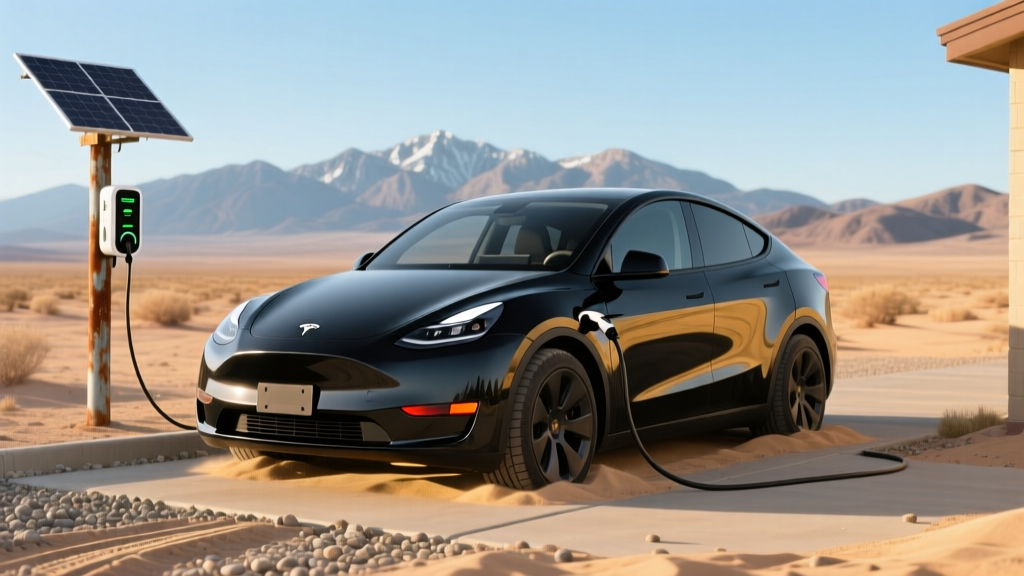
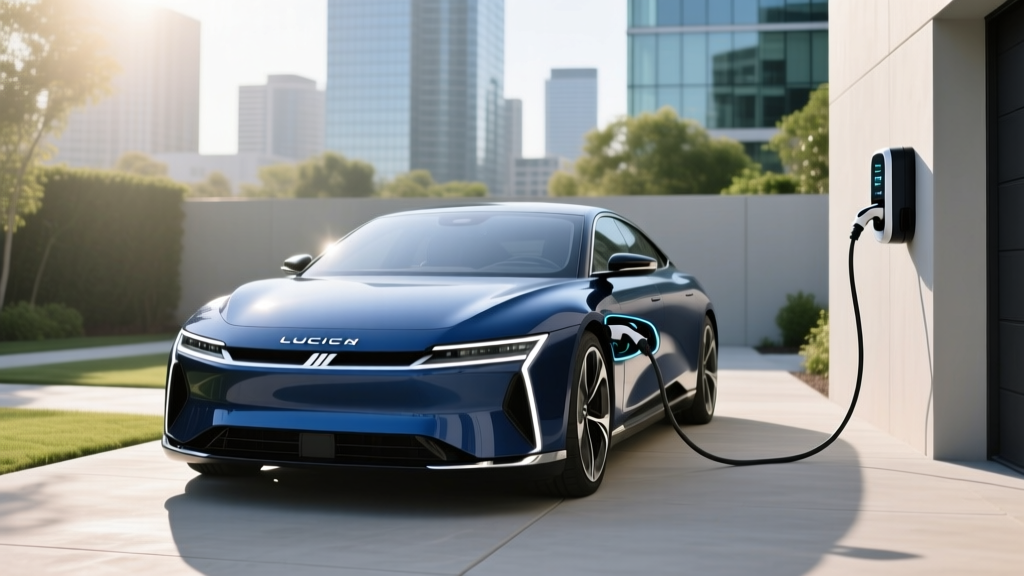
Home Level 2 charging at 11.5 kW (using Tesla's Wall Connector on a 60A circuit) adds ~44 miles of range per hour. A full 0-100% charge takes ~7 hours, so overnight charging is practical for daily use but requires planning for back-to-back track weekends.
Real-World Range: What to Expect
The EPA's 315-mile estimate for the Model 3 Performance assumes a mix of city and highway driving at moderate speeds with climate control on. Here's what real-world conditions look like:
- Highway (75 mph, 70°F): 250-270 miles
- City (stop-and-go, regen braking): 290-310 miles
- Cold weather (20°F, highway): 200-230 miles
- Aggressive driving (track use): 150-180 miles
For context, a typical track day with 4-5 twenty-minute sessions will consume 60-80% of the battery, depending on how hard you push. Plan to charge between sessions or limit your runs to stay within the battery's comfort zone.
Pricing and Federal Tax Credit Eligibility
| Model | Base MSRP | Federal Tax Credit (§30D) | Effective Price (if eligible) |
|---|---|---|---|
| Model 3 Performance | $52,990 | Up to $7,500 | $45,490 |
| Model Y Performance | $54,990 | Up to $7,500 | $47,490 |
Both the Model 3 and Model Y Performance qualify for the full $7,500 federal tax credit under IRS §30D rules, assuming you meet the income caps ($150,000 single / $300,000 joint) and the vehicle's MSRP is below the $55,000 sedan cap or $80,000 SUV/truck cap. Tesla's battery sourcing and critical minerals compliance has been verified for 2026, but always confirm eligibility at purchase—rules can shift with supply chain changes.
The point-of-sale transfer option allows you to apply the credit directly to your purchase price, reducing your out-of-pocket cost immediately rather than waiting for tax filing season.
Who Should Buy a Tesla for Performance Driving?
The Tesla Model 3 Performance is best suited for:
- Daily commuters who want occasional track fun: The 315-mile EPA range and 18-minute DC fast charging make it practical for daily use, with enough performance for weekend autocross or drift practice.
- EV enthusiasts curious about electric drift dynamics: If you're exploring how instant torque and AWD torque vectoring change the drift equation, the Model 3 Performance is an accessible entry point.
- Tech-forward drivers: Tesla's Autopilot (Level 2 driver assist, not self-driving) and over-the-air updates keep the car current, though the minimalist interior and lack of physical buttons can frustrate traditionalists.
It's not ideal for:
- Serious drift competitors: The weight, tire wear, and thermal limiting make it impractical for sustained, high-angle drifts or competition use.
- Road trip enthusiasts in charging deserts: While Tesla's Supercharger network is extensive, rural routes in the Mountain West or Great Plains still have gaps that require careful planning.
Pros and Cons
- Instant torque enables quick drift initiation
- 250 kW DC fast charging minimizes downtime
- 315-mile EPA range covers daily use comfortably
- Over-the-air updates add features post-purchase
- Federal tax credit reduces effective price to ~$45,490
- 4,065-lb weight limits drift angle and transitions
- Aggressive driving slashes range by 40-50%
- Tire wear is severe during drift sessions
- Stability control intervention limits drift sustainability
- Minimalist interior lacks physical controls for quick adjustments
FAQ: Drifting a Tesla
Is drifting a Tesla safe?
Drifting any vehicle carries inherent risks and should only be done on a closed course with proper safety equipment. Tesla's stability control systems provide some protection, but they're not designed for sustained drifts and can intervene unpredictably at high slip angles.
Does drifting damage the Tesla battery?
Sustained high-power output generates heat, and repeated drift sessions can trigger thermal limiting to protect the battery. Occasional controlled slides won't cause permanent damage, but aggressive track use accelerates battery degradation over time. Tesla's 8-year/100,000-mile battery warranty covers defects but not abuse-related degradation.
Can I disable traction control completely?
Tesla's Track Mode reduces stability control intervention but doesn't fully disable it. Aftermarket solutions exist to bypass these systems, but they void the factory warranty and can compromise safety systems. Consult a professional before modifying.
How does Tesla's AWD system affect drifting?
Tesla's dual-motor AWD can send up to 100% of torque to the rear axle in Track Mode, which is essential for initiating drifts. However, the system prioritizes stability over slip angle, so maintaining a drift requires careful throttle modulation and steering input.
What's the best Tesla model for drifting?
The Model 3 Performance offers the best power-to-weight ratio and torque distribution for drift attempts. The Model Y Performance is heavier and has a higher center of gravity, making it less ideal. The Model S Plaid has more power (1,020 hp) but weighs 4,766 lbs, which limits drift agility.
For more on Tesla's performance lineup, check the EPA's fuel economy data for official range and efficiency figures, or visit NHTSA for safety ratings.