Quick Answer: Does Mazda Have Electric Cars?
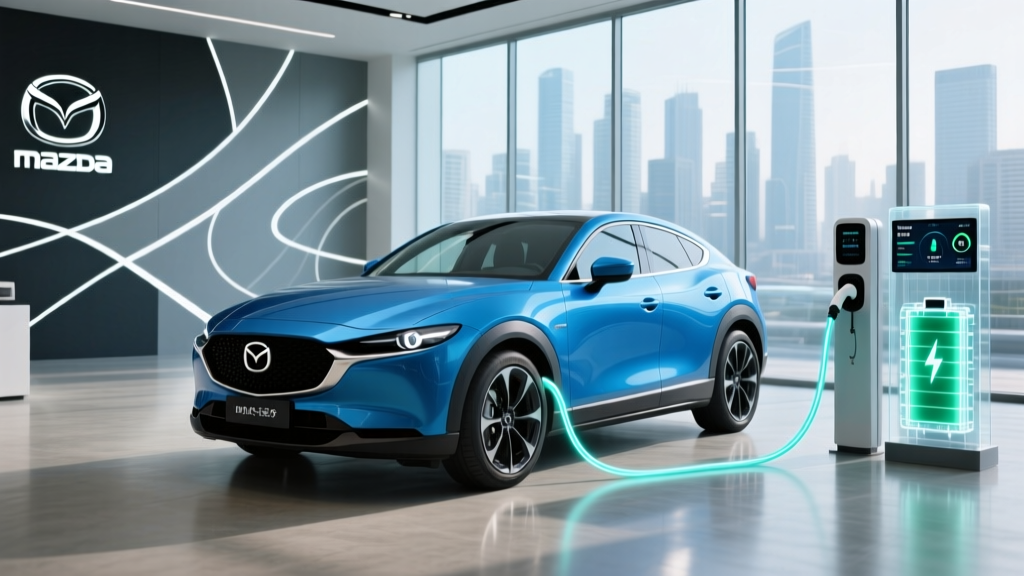
Yes — but with major caveats. As of 2026, Mazda sells one fully electric vehicle in the U.S.: the MX-30 EV, a subcompact crossover with an EPA-estimated 100 miles of range and a starting MSRP around $34,110. Mazda also offers the CX-70 PHEV (plug-in hybrid) and CX-90 PHEV for buyers wanting electric-only commuting without full range dependence. A next-generation EV lineup built on a dedicated platform is announced for 2027–2028 but is not yet available. If you need 250+ miles of range today, Mazda's current EV lineup will not meet your needs.
The 2026 Mazda MX-30 EV: Specs, Range, and Real-World Reality
The MX-30 remains Mazda's only battery-electric vehicle (BEV) sold in the United States. Originally launched with limited availability in California, Mazda has incrementally expanded distribution, but it remains a niche offering. Here is exactly what you get.
| Spec | Value |
|---|---|
| EPA Range | 100 miles |
| Real-World Range (highway/cold) | ~75–85 miles |
| Battery Capacity | 35.5 kWh (usable), LFP chemistry |
| Motor Output | 143 hp / 200 lb-ft torque |
| 0–60 mph | ~8.7 seconds |
| DC Fast Charge (peak) | 50 kW (CCS1) |
| 10–80% DC Charge Time | ~36 minutes |
| Level 2 Charge Rate | 6.6 kW (~7 hours 0–100%) |
| EPA Efficiency | 92 MPGe combined |
| Base MSRP | $34,110 (before incentives) |
| Battery/Powertrain Warranty | 8 years / 100,000 miles |
Real-World Range vs. EPA Sticker
The MX-30's 100-mile EPA estimate is already among the lowest of any new EV sold in 2026. In real-world highway driving at 70+ mph, expect 80–85 miles before needing a charge. In freezing temperatures (below 32°F), range can drop to 70–75 miles due to battery chemistry limitations and cabin heating demands. This vehicle is strictly a city commuter and second-car candidate.
The 50 kW peak DC fast-charge rate is another limitation. While most 2026 EVs peak between 150–350 kW, the MX-30's modest rate means you will not be taking efficient road trips. A 10–80% session takes roughly 36 minutes at a compatible charger — fine for topping up, but painful for longer journeys.
Mazda's Plug-in Hybrids: The CX-70 PHEV and CX-90 PHEV
For buyers who want Mazda's premium interior and driving dynamics with some electric capability, the PHEV lineup is the more practical choice in 2026.
| Model | Electric-Only Range | Combined MPG (gas) | Total Range | Starting MSRP |
|---|---|---|---|---|
| CX-70 PHEV | 26 miles (EPA) | 25 MPG / 56 MPGe | ~430 miles | $40,945 |
| CX-90 PHEV | 26 miles (EPA) | 25 MPG / 56 MPGe | ~430 miles | $49,945 |
Both PHEVs use a 2.5-liter four-cylinder engine paired with an electric motor and a 17.8 kWh battery pack. The 26-mile electric-only range covers most daily commutes — according to EPA data, the average American drives roughly 37 miles per day. Charge at home overnight on a standard 120V outlet (Level 1) in about 7 hours, or in roughly 2.5 hours on a 240V Level 2 charger.
The PHEV advantage: zero range anxiety. When the battery depletes, the gas engine takes over seamlessly. You get EV-like commuting with gas-car road-trip capability — a pragmatic bridge for buyers without reliable home charging or those in extreme climates.
Cost Breakdown: Mazda MX-30 EV vs. Gas vs. PHEV Ownership
The purchase price tells only part of the story. Here is a 5-year ownership cost comparison for a driver covering 12,000 miles per year, assuming $3.50/gallon gas and $0.14/kWh home electricity.
| Category | MX-30 EV | CX-70 PHEV | CX-5 Gas (AWD) |
|---|---|---|---|
| Purchase Price (base MSRP) | $34,110 | $40,945 | $30,675 |
| Federal Tax Credit (§30D) | Up to $3,750* | Up to $3,750* | $0 |
| Fuel/Energy Cost (5 yr) | ~$2,400 | ~$4,800 | ~$7,560 |
| Maintenance (5 yr est.) | ~$1,800 | ~$3,200 | ~$3,800 |
| Insurance (5 yr est.) | ~$9,600 | ~$9,000 | ~$8,400 |
| Total (approx.) | $44,160 | $54,695 | $50,435 |
*Federal tax credit eligibility under IRS §30D depends on buyer income caps, vehicle MSRP limits, and battery critical-mineral sourcing requirements. The MX-30's partial credit reflects current sourcing compliance. Consult a tax professional before relying on credit amounts.
The MX-30 EV wins on running costs — electricity and maintenance are significantly cheaper than gas. However, the CX-5's lower purchase price and broader utility (range, cargo, towing) make it the rational choice for buyers who need one vehicle to do everything. The CX-70 PHEV splits the difference but costs the most upfront.
Common Misconceptions About Mazda and EVs
| Myth | Fact |
|---|---|
| "Mazda has no electric cars." | The MX-30 EV is available, though limited to select markets and dealerships. |
| "The MX-30 qualifies for the full $7,500 federal tax credit." | Due to battery-sourcing rules under §30D, the MX-30 currently qualifies for a partial credit (up to $3,750). Always verify on fueleconomy.gov before purchasing. |
| "Mazda PHEVs don't need charging." | You can drive them as regular hybrids, but you forfeit the 26-mile electric range and the efficiency gains. Plug in to get the value. |
| "Mazda is releasing a long-range EV in 2026." | Mazda's next-generation dedicated EV platform is announced for 2027–2028. No long-range Mazda BEV is currently on sale. |
| "EV batteries need replacing every few years." | Mazda warranties the MX-30 battery for 8 years/100,000 miles against capacity loss below 70%. LFP chemistry degrades more slowly than NMC. Real-world data shows most EV batteries retain 85–90% capacity at 100,000 miles. |
Who Should Buy a Mazda Electrified Vehicle — and Who Shouldn't
Actionable Decision Framework
- Choose the MX-30 EV if: You need a stylish second car for a sub-70-mile daily commute, have reliable Level 2 home charging, live in a mild climate, and value Mazda's interior quality and driving feel over range.
- Choose the CX-70 PHEV if: You want electric-only commuting (26 miles covers your round-trip), need a midsize SUV for family duty, take road trips regularly, and are not ready to depend on public charging infrastructure.
- Choose the CX-90 PHEV if: You need three rows of seating, want premium-cabin quality, and fit the same PHEV use case as the CX-70 with more passenger and cargo room.
- Look elsewhere (Hyundai Ioniq 5, Tesla Model Y, Chevrolet Equinox EV) if: You need 250+ miles of real-world range, take frequent road trips, live in a cold climate with limited charging, or need one vehicle to serve all purposes.
- Wait for 2027–2028 if: You are committed to Mazda but need a competitive long-range EV. Mazda's announced dedicated EV platform targets 300+ miles of range, but no specs are confirmed and vehicles are not yet on sale.
What First-Time Mazda EV Buyers Must Know
Home Charging Is Non-Negotiable for the MX-30
With only 100 miles of EPA range, relying on public DC fast charging is impractical. The MX-30's 50 kW charge rate means even finding a compatible fast charger won't get you back on the road quickly. Budget $800–$2,000 for a 240V Level 2 home charger installation (equipment plus licensed electrician, depending on panel capacity and conduit run). If you cannot charge at home, the MX-30 is not a viable daily driver.
Cold Climate Buyers: Expect 25–30% Range Loss
LFP battery chemistry, while durable and long-lasting, is more susceptible to cold-weather performance loss than NMC. In sub-freezing temperatures, precondition the battery while still plugged in to mitigate range loss and improve charge acceptance. Even so, plan for 70–75 miles of usable range in winter.
Dealer Availability Is Limited
Mazda initially restricted MX-30 sales to California and has gradually expanded. Not every Mazda dealer stocks or can order the MX-30. Contact your local dealer to confirm availability and whether they have a DC fast charger on-site for test-drive demonstrations.
What Mazda Has Announced for the Future
Mazda has committed to a multi-pathway electrification strategy rather than going all-in on BEVs. The automaker has announced:
- A dedicated EV platform (not a modified gas-car chassis) for next-generation models, targeting 2027–2028 launch.
- Expanded PHEV offerings across the CX and Mazda3 lineups.
- Continued investment in highly efficient Skyactiv-G gasoline engines as a bridge technology.
These future models are announced but not yet available. Specifications, pricing, and range targets remain preliminary. If you need a competitive long-range EV today, Mazda cannot currently serve that need.
Does Mazda make a fully electric SUV?
The MX-30 is classified as a subcompact crossover — the closest Mazda comes to an electric SUV. It seats five but offers limited cargo space (roughly 21 cu ft behind the rear seats). For a larger electric SUV, look to the Hyundai Ioniq 5, Kia EV6, or Tesla Model Y.
Can I road-trip in the Mazda MX-30?
Technically yes, but practically no. With 100 miles of range (less on the highway) and a 50 kW peak charge rate, a 300-mile trip requires 3–4 charging stops of 35+ minutes each. Compare that to a modern EV with 250+ miles of range and 150+ kW charging, which needs one stop of roughly 20 minutes.
Does the Mazda CX-70 PHEV charge while driving?
Yes — regenerative braking and the gas engine can replenish the battery modestly while driving. However, to get the full 26-mile electric-only range, you must plug in. The battery cannot fully recharge from regenerative braking alone.
Is the MX-30 eligible for the federal EV tax credit?
Partially. Under current IRS §30D rules, the MX-30 qualifies for up to $3,750 (the critical-minerals half of the credit). Eligibility also depends on your modified adjusted gross income (capped at $150,000 single / $300,000 joint) and the vehicle's MSRP falling under the $80,000 SUV cap. The credit can be transferred to the dealer at point of sale as a purchase-price reduction. Always confirm eligibility at the time of purchase — rules change.
How does Mazda's EV lineup compare to Toyota or Honda?
Toyota offers the bZ4X (222–252 miles EPA range, from ~$43,070) and multiple PHEVs including the RAV4 Prime (42 miles electric-only). Honda offers the Prologue (273–296 miles EPA, from ~$47,400). Both have more competitive fully electric offerings than Mazda's current MX-30. Mazda's PHEVs are competitive on interior quality and driving dynamics but offer less electric-only range than the RAV4 Prime.