Is There a Hellcat Electric?
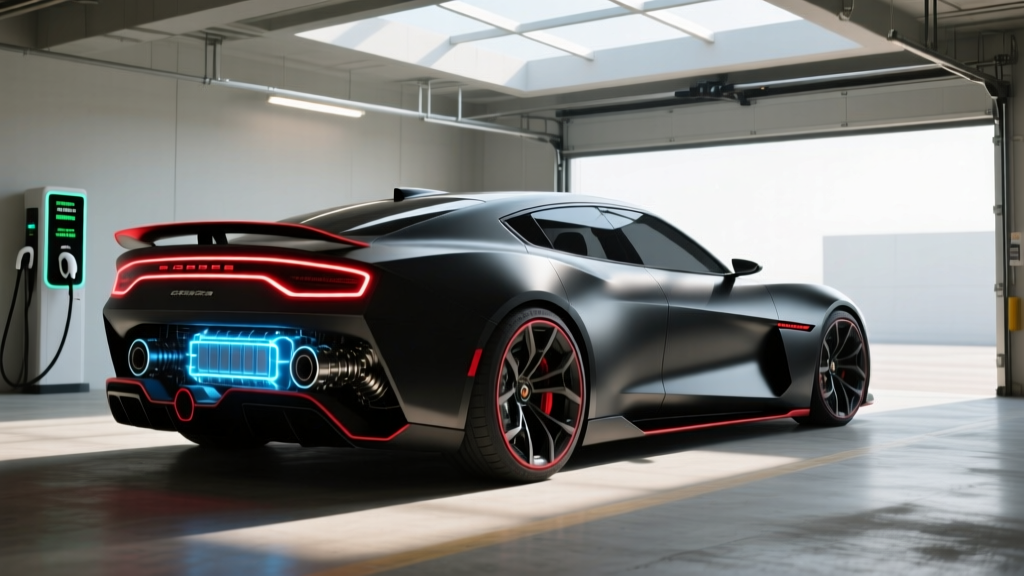
Dodge does not currently sell a vehicle badged "Hellcat Electric." However, the 2026 Dodge Charger Daytona EV is the closest equivalent — a fully electric muscle car offering up to 670 horsepower in the Scat Pack trim, a 0-60 mph time of 3.3 seconds, and an EPA-estimated 318 miles of range on the R/T trim. It replaces the supercharged 6.2L HEMI V8 Hellcat that ended production after the 2023 model year. If you're searching for "hellcat electric," the Charger Daytona is what you're looking for.
The Charger Daytona EV: Dodge's Electric Muscle Car Explained
The Dodge Charger Daytona debuted for the 2025 model year and carries into 2026 as the brand's first battery-electric vehicle. Built on Stellantis' STLA Large platform, it's available as a two-door coupe and a four-door sedan. Dodge positioned it squarely at the muscle car enthusiast who grew up on Hellcats, Scat Packs, and R/Ts — but now wants instant torque and lower running costs.
There are two primary performance tiers:
- Charger Daytona R/T: 496 horsepower (with Direct Connection Stage 1 upgrade), 318 miles EPA range, 0-60 in 4.7 seconds
- Charger Daytona Scat Pack: 670 horsepower (with Direct Connection Stage 2 upgrade), 260 miles EPA range, 0-60 in 3.3 seconds
Both trims use a 100.5 kWh (gross) battery pack with NMC (nickel-manganese-cobalt) chemistry and dual-motor all-wheel drive. The Scat Pack's lower range reflects its stickier 305-section rear tires, stiffer suspension tuning, and more aggressive power delivery — all of which increase rolling resistance and energy consumption.
| Spec | R/T | Scat Pack |
|---|---|---|
| Horsepower | 496 hp | 670 hp |
| 0-60 mph | 4.7 sec | 3.3 sec |
| Battery (gross / usable) | 100.5 kWh / ~92 kWh | 100.5 kWh / ~92 kWh |
| Chemistry | NMC | NMC |
| EPA Range | 318 mi | 260 mi |
| Peak DC Fast Charge | ~175 kW | ~175 kW |
| 10-80% DC Charge | ~27 min | ~27 min |
| Level 2 Charge Rate | 11.5 kW | 11.5 kW |
| Drivetrain | AWD (dual motor) | AWD (dual motor) |
| Base MSRP | ~$59,595 | ~$73,595 |
| Battery Warranty | 8 yr / 100,000 mi | 8 yr / 100,000 mi |
Charger Daytona EV vs. the Old Hellcat: By the Numbers
The 2023 Dodge Charger SRT Hellcat Redeye produced 797 horsepower, hit 60 mph in 3.5 seconds, and returned 12 mpg city / 21 mpg highway per fueleconomy.gov. Let's compare what that means for your wallet and your daily driving.
| Metric | Daytona Scat Pack (EV) | Hellcat Redeye (Gas) |
|---|---|---|
| Horsepower | 670 hp | 797 hp |
| 0-60 mph | 3.3 sec | 3.5 sec |
| Quarter Mile | 11.5 sec | 10.8 sec |
| Fuel/Range | 260 mi (EPA) | 322 mi (18.5 gal × 17.4 mpg combined) |
| Fuel Economy | 82 MPGe combined | 15 mpg combined |
| Cost per mile (fuel/energy) | ~$0.045 (home charging) | ~$0.23 ($3.45/gal premium) |
| Annual fuel/energy (12,000 mi) | ~$540 | ~$2,760 |
| Annual maintenance | ~$300 | ~$800+ |
| Base MSRP | ~$73,595 | ~$82,000 (2023, discontinued) |
Real-World Range Reality Check
The Scat Pack's 260-mile EPA estimate assumes mixed driving at moderate temperatures. In real-world highway testing at 75 mph, expect roughly 210-225 miles. In cold weather (below 30°F), that figure can drop to 180-200 miles due to battery chemistry limitations and cabin heating demands. The R/T's 318-mile EPA rating translates to approximately 265-280 miles on the highway and 230-250 miles in freezing conditions.
The Real Cost of Owning a Charger Daytona EV
Sticker price is only the starting point. Here's a five-year total cost of ownership estimate assuming 12,000 miles per year, home Level 2 charging at $0.14/kWh (national average), and premium gasoline at $3.45/gallon for the Hellcat comparison.
| Category | Daytona Scat Pack (EV) | 2023 Hellcat Redeye (Gas) |
|---|---|---|
| Purchase Price | $73,595 | $82,000 |
| Federal Tax Credit (§30D) | Check eligibility* | $0 |
| Fuel/Energy (5 years) | $2,700 | $13,800 |
| Maintenance (5 years) | $1,500 | $4,000+ |
| Insurance (5 years, est.) | $12,000 | $10,500 |
| Home Charger Install (L2) | $800-$2,000 | $0 |
| Estimated 5-Year Total | ~$88,595-$90,595 | ~$110,300 |
*The §30D federal tax credit offers up to $7,500 for qualifying new EVs, but eligibility depends on MSRP caps ($55,000 for sedans — the Scat Pack exceeds this), buyer income limits, and battery critical-mineral sourcing requirements. Check the latest rules at IRS.gov before relying on the credit. The R/T at ~$59,595 may also exceed the sedan cap depending on body-style classification.
The EV wins on operating costs by a wide margin — roughly $2,220/year in fuel savings and lower maintenance (no oil changes, no supercharger belt, no exhaust system, regenerative braking extends pad life). However, EV insurance premiums typically run 15-25% higher due to specialized repair requirements and battery replacement costs.
Charging the Charger Daytona: What You Need to Know
Charging infrastructure is where many first-time EV buyers get tripped up. The Charger Daytona uses the CCS1 connector for DC fast charging and the J1772 connector for Level 2 AC charging. (Stellantis has committed to adopting NACS for future models, but the 2026 Daytona uses CCS.)
| Level | Power | Speed (approx.) | Use Case |
|---|---|---|---|
| Level 1 (120V) | ~1.4 kW | ~4 mi/hr | Emergency / overnight trickle |
| Level 2 (240V home) | 11.5 kW | ~34 mi/hr | Daily home charging (~8 hr for full) |
| DC Fast Charge | Peak ~175 kW | ~190 mi in 27 min (10-80%) | Road trips |
Home charging is essential. The Charger Daytona's 100.5 kWh battery would take over 60 hours on a standard 120V outlet. A Level 2 home charger (240V, 48A circuit) is practically mandatory. Budget $800-$2,000 for a quality Level 2 unit and professional installation — more if your electrical panel needs a 200-amp upgrade.
DC fast charging caveat: The Daytona peaks at roughly 175 kW but only sustains that rate up to approximately 30-40% State of Charge. Above 50%, the charge curve tapers significantly, dropping below 100 kW past 70% SoC. This is normal for NMC chemistry, but it means a 10-80% session takes about 27 minutes, not the ~15 minutes you'd get if peak rate were sustained throughout.
For road trips, plan stops around Electrify America, EVgo, or ChargePoint DC fast-charging stations. The CCS connector is widely supported, but reliability varies by network — always have a backup station in your route plan.
Myths vs. Facts: The Electric Muscle Car Edition
| Myth | Fact |
|---|---|
| "An electric Hellcat would have no soul or sound." | Dodge engineered a "Fratzonic" chambered exhaust system that produces up to 126 dB of synthetic exhaust sound through external speakers. It's not a V8 rumble, but it's louder than most expect. |
| "EVs can't do burnouts." | The Scat Pack includes a dedicated "Drag Mode" with line lock (front brake lock) and launch control. Instant electric torque makes burnouts trivially easy. |
| "The battery will need replacing in 5 years." | NMC batteries typically retain 85-90% capacity after 100,000 miles based on industry data. Dodge covers the battery for 8 years / 100,000 miles against defects and excessive degradation (below 70% capacity). |
| "It'll never go as far as a gas Hellcat." | The Hellcat Redeye's 18.5-gallon tank at 15 mpg combined yields ~277 real-world miles. The Daytona R/T's 318-mile EPA rating actually exceeds that — though the Scat Pack at 260 miles falls slightly short. |
| "I can charge it anywhere." | CCS chargers are common but not universal. Rural areas and some road-trip corridors still have sparse DC fast-charging coverage. Plan accordingly. |
Who Should Buy the Charger Daytona EV?
Decision Framework
Choose the Charger Daytona R/T if:
- You want 496 hp with 318 miles of range for daily driving and weekend fun
- You have access to Level 2 home charging (garage or driveway with a 240V circuit)
- You drive under 250 miles in a typical day and road-trip 2-4 times per year
- You want muscle-car presence with dramatically lower operating costs than a V8
Choose the Charger Daytona Scat Pack if:
- Acceleration and track performance are your top priorities (670 hp, 3.3 sec 0-60)
- You accept the 260-mile range trade-off for maximum power
- You primarily drive in urban/suburban environments where regen braking shines
- You want the closest thing to a Hellcat's thrill without the fuel bill
Consider a gas alternative (or wait) if:
- You lack home charging access and rely entirely on public infrastructure
- You regularly drive 300+ miles in a single day through rural charging deserts
- You live in an area with extreme cold (sustained sub-zero temps) and no garage
- Sound, feel, and mechanical authenticity matter more than efficiency
Frequently Asked Questions
Will Dodge ever make a Hellcat-badged electric car?
Dodge has not announced a vehicle with the "Hellcat" badge in its EV lineup. The brand uses "Daytona" for its electric performance models and has retired the Hellcat nameplate (for now) with the end of the supercharged HEMI V8. Future high-performance EV variants could carry different performance branding.
Does the Charger Daytona qualify for the $7,500 federal tax credit?
It depends on how the IRS classifies the body style. The §30D credit caps MSRP at $55,000 for sedans and $80,000 for SUVs/trucks/vans. The coupe version may qualify under the higher cap, but the sedan likely does not at current pricing. Buyer income limits ($150K single / $300K joint AGI) and battery-sourcing requirements also apply. Verify current eligibility at fueleconomy.gov and IRS.gov.
How does the Fratzonic exhaust sound compare to a real V8?
It's a synthesized, amplified sound projected through external chambers — loud enough to turn heads (126 dB peak), but tonally different from a 6.2L supercharged V8. Some enthusiasts find it gimmicky; others appreciate the theater. You can turn it off entirely for silent operation, which is genuinely stealthy.
What happens to range when I drive aggressively?
Expect significant range reduction. The 260-mile EPA figure assumes a mix of gentle and moderate driving. Sustained hard acceleration, high-speed highway runs above 80 mph, and frequent drag-strip launches can cut real-world range by 30-40%, dropping the Scat Pack to 150-180 miles between charges.
Can I tow with the Charger Daytona?
The Charger Daytona is not rated for towing. If you need an electric vehicle with towing capability, look at the Rivian R1T, Ford F-150 Lightning, or Tesla Cybertruck instead.
What's the battery replacement cost if it fails out of warranty?
Full NMC battery pack replacement for a 100+ kWh pack currently runs $15,000-$22,000 at dealership labor rates. However, catastrophic failure is rare — most degradation is gradual, and module-level repair may be possible at lower cost. Battery prices continue to decline year over year.