The Short Answer: Is There an Electric Dodge Challenger?
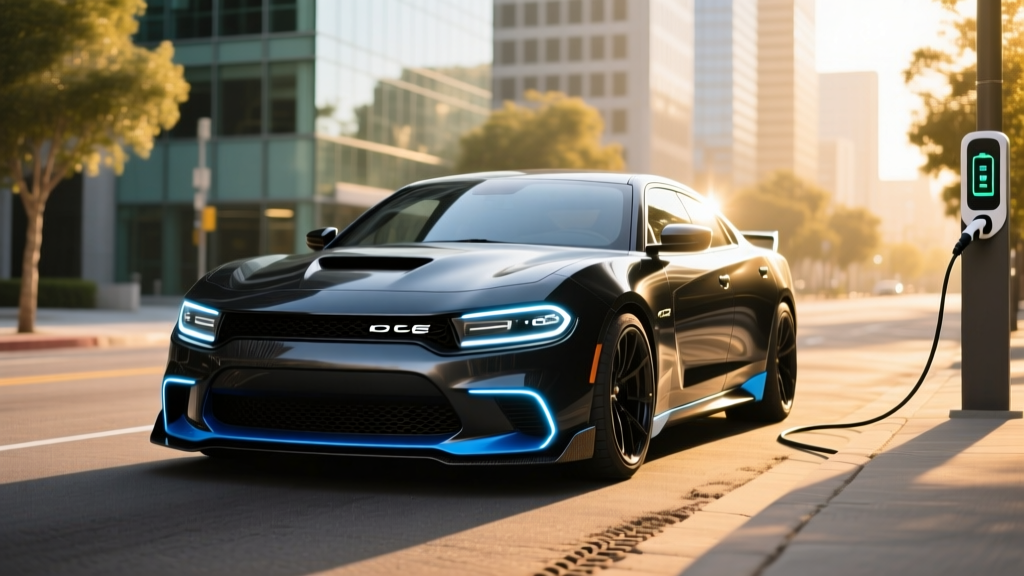
Dodge discontinued the gas-powered Challenger after the 2023 model year. Its spiritual successor is the 2026 Dodge Charger Daytona EV — a two-door electric muscle car built on Stellantis' STLA Large platform. The Charger Daytona R/T produces 496 horsepower with an EPA-estimated 317 miles of range, while the Scat Pack variant delivers 670 HP and 260 miles of range. Pricing starts at approximately $51,990 for the R/T and $61,990 for the Scat Pack (before incentives). It's not called "Challenger," but it fills the same muscle-car role with instant electric torque and a simulated exhaust note Dodge calls "Fratzog."
What Replaced the Dodge Challenger? The Electric Muscle Car Era
For decades, the Dodge Challenger defined American muscle with supercharged V8s, aggressive styling, and straight-line dominance. When Stellantis retired the Hemi-powered Challenger and Charger in 2023, enthusiasts wondered what would fill the void. The answer arrived as the Dodge Charger Daytona EV, a battery-electric coupe that channels classic muscle car energy into a zero-tailpipe-emission package.
This isn't a crossover masquerading as a muscle car. The Charger Daytona is a low-slung, wide-body two-door with proportions that echo the Challenger. Dodge even included a front trunk (frunk) and a functional "R-Wing" pass-through air duct for aerodynamic downforce. The interior features a driver-focused 12.3-inch infotainment display and a 10.25-inch digital cluster, with an available 16-inch Alpine audio system.
For buyers specifically searching for an "electric Challenger Dodge" — this is the vehicle. Dodge has confirmed no next-generation gas Challenger is planned, making the Charger Daytona EV the brand's performance flagship going forward.
2026 Dodge Charger Daytona: Full Spec Breakdown
| Specification | R/T | Scat Pack |
|---|---|---|
| Drivetrain | Dual-motor AWD | Dual-motor AWD |
| Horsepower | 496 HP (with Direct Connection Stage 1) | 670 HP (with Direct Connection Stage 2) |
| 0–60 mph | 4.7 seconds | 3.3 seconds |
| Battery (usable) | 93.9 kWh, NMC lithium-ion | 93.9 kWh, NMC lithium-ion |
| EPA Range (est.) | 317 miles | 260 miles |
| MPGe (combined, est.) | ~92 MPGe | ~78 MPGe |
| Peak DC Fast Charge | ~175 kW | ~175 kW |
| 10–80% DC Charge Time | ~32 minutes | ~32 minutes |
| Level 2 Charging (240V) | 11 kW onboard | 11 kW onboard |
| Base MSRP | $51,990 | $61,990 |
| Battery Warranty | 8 years / 100,000 miles | 8 years / 100,000 miles |
Real-World Range Expectations
The EPA-estimated 317-mile range for the R/T assumes moderate temperatures and mixed driving. Expect 250–275 miles on sustained highway driving at 70+ mph, and 200–230 miles in sub-freezing winter conditions due to battery thermal losses and cabin heating demands. The Scat Pack's 260-mile EPA figure drops to roughly 190–210 miles under similar highway or cold-weather scenarios. Aggressive acceleration — easy to indulge with 670 HP on tap — will further reduce range.
Charger Daytona EV vs. the Old Gas Challenger: Cost & Performance
The most common question from muscle car loyalists: does the electric Charger actually save money, and can it match the Challenger Hellcat's thrill? Let's compare the numbers.
| Metric | 2026 Charger Daytona Scat Pack (EV) | 2023 Challenger SRT Hellcat (Gas, final year) |
|---|---|---|
| Horsepower | 670 HP | 717 HP |
| 0–60 mph | 3.3 sec | 3.6 sec |
| Quarter Mile | ~11.5 sec (est.) | ~11.2 sec |
| Fuel/Energy Cost per Mile | ~$0.04–$0.06 (home charging) | ~$0.22–$0.28 (premium fuel, 16 MPG combined) |
| Annual "Fuel" Cost (12,000 mi) | ~$480–$720 | ~$2,640–$3,360 |
| Estimated Annual Maintenance | ~$300–$500 | ~$800–$1,200 |
| Starting MSRP | $61,990 | ~$70,000+ (final year, dealer markups common) |
| Federal Tax Credit (§30D) | Up to $7,500 (eligibility varies) | $0 |
The Scat Pack EV matches or beats the Hellcat to 60 mph thanks to instant electric torque and all-wheel-drive grip. Where the gas Hellcat excels is top-end quarter-mile performance and the visceral supercharger whine that EVs can't fully replicate — though Dodge's Fratzog amplified exhaust simulation attempts to fill the auditory gap.
On cost, the EV wins decisively on running expenses. At national average electricity rates of ~$0.16/kWh (EIA data), charging the 93.9 kWh battery from empty costs roughly $15. The Hellcat, requiring premium fuel and averaging 16 MPG combined, costs over $5 per gallon in most markets — about $3.75 to fill its 18.5-gallon tank for just 296 miles of range.
Real Ownership Costs: 5-Year Breakdown
| Cost Category | Charger Daytona Scat Pack (EV) | Comparable Gas Muscle Car |
|---|---|---|
| Purchase Price (MSRP) | $61,990 | $65,000 |
| Federal Tax Credit (§30D) | –$7,500 (if eligible)* | $0 |
| Effective Purchase Price | $54,490 | $65,000 |
| 5-Year Energy/Fuel (60,000 mi) | $3,000 (home charging) | $15,000 (premium gas) |
| 5-Year Maintenance | $2,000 | $5,000 |
| 5-Year Insurance (est.) | $12,500 | $10,000 |
| Home Charger Install (Level 2) | $1,200–$2,500 | $0 |
| 5-Year Total Cost | ~$73,190–$74,490 | ~$95,000 |
*Federal §30D tax credit eligibility depends on buyer income caps ($150K single / $300K joint), vehicle MSRP caps ($55K for sedans/coupes), battery critical-mineral sourcing, and final assembly requirements. The Scat Pack at $61,990 MSRP exceeds the $55K sedan/coupe cap — consult IRS guidelines and a tax professional. The R/T at $51,990 may qualify if sourcing requirements are met. Point-of-sale transfer is available for eligible buyers.
Insurance is the notable cost penalty for the EV. High-torque AWD coupes with 670 HP carry premium insurance rates, and EVs generally cost 15–25% more to insure than comparable gas cars due to higher repair costs and specialized parts. Get quotes before committing.
Charging the Charger Daytona: Home and Public Infrastructure
The Charger Daytona's 93.9 kWh NMC battery supports DC fast charging at up to ~175 kW. At a compatible station (Electrify America, EVgo, or Tesla Supercharger with NACS adapter), you'll add roughly 100 miles of range in 15 minutes and charge from 10–80% in approximately 32 minutes. Note that charging speed tapers significantly above 80% State of Charge — this is normal battery management to protect cell longevity.
For home charging, the 11 kW onboard charger means a Level 2 wall connector (48-amp circuit, 60-amp breaker) will fully replenish the battery in roughly 9–10 hours. Installation costs for a Level 2 home charger typically range from $1,200 to $2,500, depending on your electrical panel's capacity and the distance from panel to garage. Homes with older 100-amp panels may require a $2,000–$4,000 panel upgrade — factor this into your budget.
| Charging Level | Power (kW) | Miles of Range Added Per Hour |
|---|---|---|
| Level 1 (120V household outlet) | ~1.4 kW | ~3–4 miles/hour |
| Level 2 (240V home/public) | Up to 11 kW | ~30–35 miles/hour |
| DC Fast Charge (public) | Up to ~175 kW | ~400+ miles/hour (peak) |
Critical ownership note: If you cannot install a Level 2 charger at home — whether you rent, live in an apartment, or have street parking only — the Charger Daytona's ownership experience changes dramatically. Relying on public DC fast charging exclusively costs $0.30–$0.48/kWh at most networks, raising your per-mile energy cost to $0.09–$0.14. That's still cheaper than premium gas, but the convenience gap is real. Confirm your charging access before purchasing.
Common Misconceptions About the Electric Charger
| Myth | Fact |
|---|---|
| "It's not a real muscle car without a V8." | 670 HP, 3.3-second 0–60, and instant torque delivery make the Scat Pack one of the quickest production coupes Dodge has ever built. The definition of muscle is evolving. |
| "EV batteries need replacing every few years." | The NMC battery carries an 8-year/100,000-mile warranty against degradation below 70% capacity. Industry data shows most modern EV batteries retain 85–90% capacity after 100,000 miles. |
| "You can't take an EV on a road trip." | With 317 miles of range (R/T) and ~175 kW DC fast charging, the Charger Daytona can cover 200+ miles, add 100 miles of charge in 15 minutes, and repeat. Route planning via apps like A Better Routeplanner makes multi-state trips straightforward. |
| "The $7,500 tax credit applies to everyone." | Federal §30D credit has income caps, MSRP caps, and battery-sourcing requirements that change annually. The Scat Pack's $61,990 MSRP may exceed the coupe/sedan cap. Always verify current IRS eligibility rules. |
| "EVs are worse in winter." | Range drops 20–30% in freezing temperatures — this is real and must be planned for. However, the Charger Daytona's AWD system provides excellent snow traction, and preconditioning the battery while plugged in mitigates cold-weather charging slowdowns. |
Decision Framework: Is the Electric Charger Daytona Right for You?
Choose the Charger Daytona R/T if:
- You want a daily-drivable electric coupe with 300+ miles of range
- You prioritize lower running costs over maximum performance
- Your MSRP falls under the §30D cap, making the federal credit more likely
- You commute 40–80 miles daily and can charge at home overnight
Choose the Charger Daytona Scat Pack if:
- You want Hellcat-rivaling acceleration (3.3 sec 0–60) with lower fuel costs
- You accept the 260-mile range trade-off for 670 HP
- You plan to use it as a weekend/performance car rather than a high-mileage commuter
- You're willing to pay higher insurance premiums for the performance tier
Look elsewhere if:
- You cannot install a Level 2 home charger and lack reliable nearby public charging
- You regularly drive 300+ miles in a single day in rural areas with sparse DC fast-charger coverage
- The sound and feel of a naturally aspirated or supercharged V8 is non-negotiable for your muscle car experience
- You need rear-seat space for adults — this is a 2+2 coupe with limited back-seat room
Frequently Asked Questions
Is Dodge making an electric Challenger in 2026?
Dodge is not reviving the "Challenger" nameplate. The 2026 Charger Daytona EV serves as the brand's electric muscle coupe, effectively replacing both the Challenger and the previous-generation gas Charger. It shares the STLA Large platform and is the spiritual and functional successor to the Challenger lineup.
How much does it cost to charge a Dodge Charger Daytona EV at home?
At the national average electricity rate of ~$0.16/kWh, fully charging the 93.9 kWh battery from empty costs approximately $15. For a typical daily commute of 40 miles (consuming roughly 15 kWh), your daily charging cost is about $2.40 — compared to roughly $10–$12 in premium gasoline for a Hellcat covering the same distance.
Does the Charger Daytona qualify for the $7,500 federal tax credit?
Eligibility is complex and subject to change. The §30D credit requires the buyer to meet income caps ($150K single / $300K joint filer), the vehicle to meet MSRP caps ($55K for sedans and coupes), and the battery to satisfy critical-mineral and component sourcing requirements. The R/T at $51,990 falls under the MSRP cap; the Scat Pack at $61,990 may not qualify for the full credit. Always check current IRS §30D rules and consult a tax professional before relying on credit eligibility.
What is the real-world range of the Charger Daytona in winter?
Expect a 20–30% range reduction in sustained sub-freezing temperatures. The R/T's 317-mile EPA estimate drops to roughly 220–250 miles in cold weather; the Scat Pack's 260-mile figure drops to approximately 180–210 miles. Preconditioning the battery while plugged in before driving helps recover some of this loss and improves regenerative braking performance.
Can I use Tesla Superchargers with the Dodge Charger Daytona?
Stellantis has been transitioning to the NACS (North American Charging Standard) connector for new models. Depending on your Charger Daytona's build date and port configuration, you may have a native NACS port or a CCS port with an included NACS adapter. Confirm the connector type with your dealer at purchase, as this determines access to Tesla's Supercharger network — currently the most reliable DC fast-charging infrastructure in the U.S.
How does the Charger Daytona compare to the Ford Mustang Mach-E GT?
The Mustang Mach-E GT Performance Edition offers 480 HP, a 3.5-second 0–60, and ~280 miles of EPA range starting around $59,990. The Charger Daytona Scat Pack is quicker (3.3 sec), more powerful (670 HP), but has less range (260 mi) and costs slightly more. The Mach-E is a four-door crossover with more cargo space; the Charger Daytona is a two-door coupe with muscle-car styling. They serve different buyer priorities.