If you've seen headlines asking "did Tesla stop making cars?" you're not alone. The search spike traces back to a mix of Elon Musk's public statements about eventually winding down vehicle production in favor of robotics and AI, plus periodic factory retooling pauses that temporarily slow deliveries. But as of 2026, Tesla is very much still manufacturing and selling electric vehicles. In fact, the company produces four core consumer models alongside its commercial offerings, and several remain among the best-selling EVs in the United States.
This article cuts through the noise with hard data on every Tesla model currently in production: real-world range, charging speeds, pricing after federal tax credits, and whether each model still earns its spot against a rapidly improving competitive field.
The Short Answer: Tesla's 2026 Production Lineup
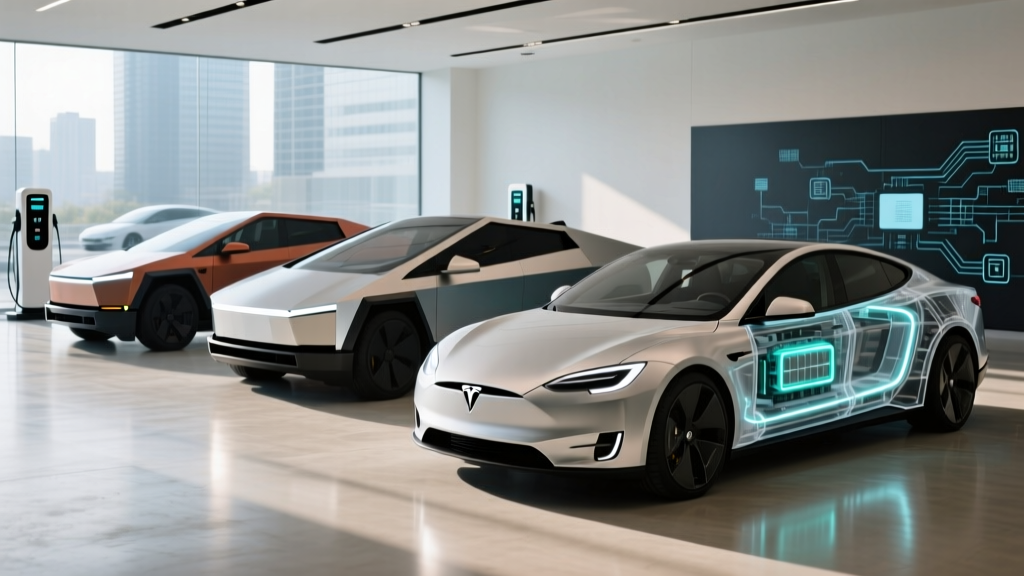
Tesla currently manufactures five consumer vehicles at scale:
- Model 3 — Compact luxury sedan (Fremont, CA & Shanghai)
- Model Y — Compact luxury crossover SUV (Austin, TX & Shanghai & Berlin)
- Model S — Full-size luxury sedan (Fremont, CA)
- Model X — Full-size luxury SUV with falcon-wing doors (Fremont, CA)
- Cybertruck — Electric pickup truck (Austin, TX)
Discontinued or limited models include the original Roadster (ended 2012), the first-generation Model S/X pre-refresh variants, and the Roadster 2.0, which remains announced but not in production. The Semi is in limited production for fleet customers. No mainstream Tesla model has been killed off.
The confusion often stems from Tesla's practice of pausing production lines for retooling — such as the Model 3 Highland refresh or the upcoming Juniper Model Y update — which can create temporary delivery gaps and fuel speculation. But pausing is not stopping.
Model 3 (2026): The Volume Sedan
The refreshed Model 3 (internally called "Highland") remains Tesla's entry point and one of the most efficient EVs on the market. For 2026, it carries over with minor software and trim updates.
| Spec | RWD (Base) | Long Range AWD | Performance |
|---|---|---|---|
| EPA Range | 272 mi | 341 mi | 315 mi |
| Battery (usable) | ~57.5 kWh (LFP) | ~75 kWh (NMC) | ~75 kWh (NMC) |
| 0–60 mph | 5.8 sec | 4.2 sec | 2.9 sec |
| Horsepower | 271 hp | 384 hp | 510 hp |
| Drivetrain | RWD | Dual-motor AWD | Dual-motor AWD |
| Peak DC Charge | 170 kW | 250 kW | 250 kW |
| 10–80% DCFC Time | ~25 min | ~18 min | ~18 min |
| Level 2 Home Rate | 11.5 kW (~44 mi/hr) | 11.5 kW (~44 mi/hr) | 11.5 kW (~44 mi/hr) |
| MPGe (combined) | 132 MPGe | 125 MPGe | 118 MPGe |
| Efficiency | 25 kWh/100mi | 26 kWh/100mi | 28 kWh/100mi |
| Base MSRP | $38,990 | $45,990 | $52,990 |
Who It Suits
The Model 3 is best for commuters and smaller households who prioritize efficiency and charging speed over cargo room. The RWD trim's LFP battery chemistry allows daily charging to 100% without accelerated degradation — a practical advantage for drivers with predictable daily mileage under 200 miles. The Long Range AWD is the sweet spot for road-trippers who want Supercharger access and genuine 300-mile legs.
Cargo & Interior Space
Trunk: 23 cu ft (including rear subtrunk). Front trunk (frunk): 3.1 cu ft. Rear legroom: 35.2 inches. The Highland refresh improved rear seat cushioning and added ventilated front seats, but the low roofline still limits headroom for passengers over 6'2".
Model Y (2026): The Best-Selling EV in America
The Model Y continues as Tesla's highest-volume vehicle globally. The 2026 model year incorporates the "Juniper" refresh with updated styling, improved suspension tuning, ambient lighting, and a rear-seat entertainment screen.
| Spec | Long Range AWD | Performance |
|---|---|---|
| EPA Range | 320 mi | 295 mi |
| Battery (usable) | ~75 kWh (NMC) | ~75 kWh (NMC) |
| 0–60 mph | 4.8 sec | 3.5 sec |
| Horsepower | 384 hp | 510 hp |
| Drivetrain | Dual-motor AWD | Dual-motor AWD |
| Peak DC Charge | 250 kW | 250 kW |
| 10–80% DCFC Time | ~20 min | ~20 min |
| Level 2 Home Rate | 11.5 kW (~37 mi/hr) | 11.5 kW (~37 mi/hr) |
| MPGe (combined) | 117 MPGe | 111 MPGe |
| Base MSRP | $46,990 | $53,990 |
Cargo & Interior Space
Total cargo (rear seats folded): 72 cu ft. Behind second row: 30 cu ft. Frunk: 4.1 cu ft. Rear legroom: 37.0 inches. The Model Y's hatchback design makes it significantly more practical than the Model 3 for families, strollers, and gear. The optional third row (very small, best for children under 5'4") reduces cargo to 10 cu ft behind it.
Model S & Model X (2026): The Flagships
Tesla's original luxury sedans and SUVs continue in production, though sales volumes are low compared to the 3 and Y. The Plaid variants remain among the quickest production cars ever made.
| Spec | Model S LR | Model S Plaid | Model X LR | Model X Plaid |
|---|---|---|---|---|
| EPA Range | 402 mi | 359 mi | 335 mi | 311 mi |
| Battery (usable) | ~95 kWh (NMC) | ~95 kWh (NMC) | ~95 kWh (NMC) | ~95 kWh (NMC) |
| 0–60 mph | 3.1 sec | 1.99 sec | 3.8 sec | 2.5 sec |
| Horsepower | 670 hp | 1,020 hp | 670 hp | 1,020 hp |
| Peak DC Charge | 250 kW | 250 kW | 250 kW | 250 kW |
| 10–80% DCFC | ~25 min | ~25 min | ~28 min | ~28 min |
| Base MSRP | $74,990 | $89,990 | $79,990 | $94,990 |
Key limitation: Both the Model S and X exceed the IRS §30D MSRP cap for SUVs ($80,000) and sedans ($55,000), meaning they do not qualify for the federal EV tax credit. Their value proposition rests on performance, range, and Supercharger access rather than incentives.
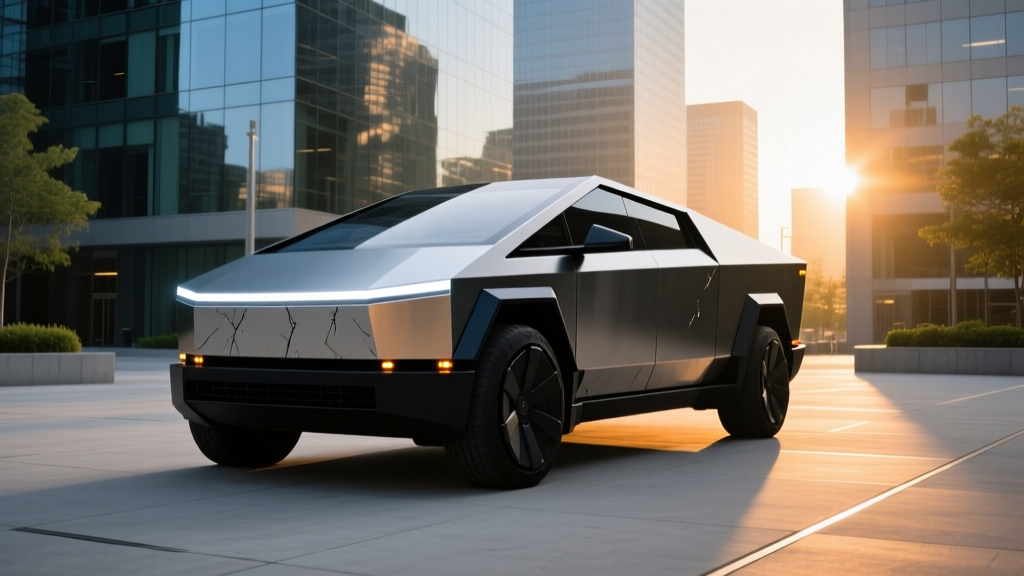
Cybertruck (2026): The Polarizing Pickup
Now in its second full model year, the Cybertruck has moved past early-production quality issues and is ramping toward full-rate production. It competes with the Ford F-150 Lightning, Rivian R1T, and Chevrolet Silverado EV.
| Spec | AWD | Cyberbeast |
|---|---|---|
| EPA Range | 340 mi (w/ range extender) | 320 mi (w/ range extender) |
| Battery (usable) | ~123 kWh (NMC) | ~123 kWh (NMC) |
| 0–60 mph | 3.9 sec | 2.6 sec |
| Horsepower | 600 hp | 845 hp |
| Towing Capacity | 11,000 lbs | 11,000 lbs |
| Peak DC Charge | 350 kW (800V arch) | 350 kW (800V arch) |
| 10–80% DCFC Time | ~15 min | ~15 min |
| Base MSRP | $79,990 | $99,990 |
Tax credit status: At $79,990 for the AWD trim, the Cybertruck sits right at the IRS MSRP cap for trucks/vans/SUVs. It may qualify for the §30D credit depending on the buyer's income and the battery's critical-mineral sourcing compliance for the 2026 tax year. Always verify current eligibility at fueleconomy.gov before purchasing.
Charging Speed & Network: The Tesla Advantage
Tesla's Supercharger network remains a defining competitive advantage, even as other networks expand. As of early 2026, Tesla operates over 6,500 Supercharger stalls in North America, with V4 cabinets delivering up to 350 kW.
| Level | Power | Connector | Miles Added per Hour | Typical Use |
|---|---|---|---|---|
| Level 1 (120V) | 1.4 kW | NACS | ~3–5 mi/hr | Emergency / trickle |
| Level 2 (240V home) | 11.5 kW | NACS (J3400) | ~37–44 mi/hr | Daily overnight |
| DC Fast (V3) | 250 kW | NACS | ~180–250 mi in 15 min | Road trips |
| DC Fast (V4) | 350 kW | NACS | ~200–300 mi in 12 min | Road trips (newer stations) |
Charging curve reality: Tesla's advertised "250 kW peak" is exactly that — a peak. Most models sustain maximum rate only between roughly 10–30% state of charge, then taper progressively. A 10–80% charge takes 18–25 minutes depending on the model, but an 80–100% top-off can add another 20+ minutes. For road trips, plan to charge from 10–80% and skip the final 20% unless overnight.
All 2026 Teslas use the NACS (J3400) connector natively. Tesla has opened portions of its Supercharger network to non-Tesla EVs via Magic Dock adapters and the NACS standard adoption by Ford, GM, Rivian, and others — but Tesla owners still enjoy the most seamless plug-and-charge experience.
Federal Tax Credit Eligibility (IRS §30D)
Not every Tesla qualifies for the up-to-$7,500 federal EV tax credit. Under current IRS §30D rules, eligibility depends on three factors:
- MSRP caps: Sedans must be under $55,000; SUVs, trucks, and vans under $80,000
- Buyer income limits: Modified AGI cannot exceed $150,000 (single), $225,000 (head of household), or $300,000 (joint)
- Battery sourcing: Critical minerals and battery components must meet escalating domestic-content thresholds (check current-year requirements)
| Model | MSRP | Vehicle Class | §30D Eligible? | Est. Price After Credit |
|---|---|---|---|---|
| Model 3 RWD | $38,990 | Sedan | Yes (if sourcing + income met) | ~$31,490 |
| Model 3 LR AWD | $45,990 | Sedan | Yes (if sourcing + income met) | ~$38,490 |
| Model 3 Performance | $52,990 | Sedan | Yes (under $55K cap) | ~$45,490 |
| Model Y LR AWD | $46,990 | SUV | Yes (if sourcing + income met) | ~$39,490 |
| Model Y Performance | $53,990 | SUV | Yes (under $80K cap) | ~$46,490 |
| Model S (all trims) | $74,990+ | Sedan | No (over $55K sedan cap) | Full MSRP |
| Model X (all trims) | $79,990+ | SUV | Borderline (LR may qualify) | Varies |
| Cybertruck AWD | $79,990 | Truck | Borderline (at cap) | Varies |
Point-of-sale transfer: As of 2024, buyers can transfer the credit to the dealer at purchase, reducing the out-of-pocket price immediately rather than waiting for a tax refund. This applies to eligible Teslas purchased new.
Important: Tax credit rules change frequently due to battery sourcing requirements that tighten annually. Consult a tax professional and verify current eligibility at IRS.gov before relying on the credit in your purchase decision.
Warranty & Long-Term Ownership
Tesla's warranty structure is competitive but not class-leading:
- Basic vehicle warranty: 4 years / 50,000 miles
- Battery & drive unit (Model 3 RWD / LFP): 8 years / 100,000 miles, ≥70% capacity retention
- Battery & drive unit (Model 3 LR, Model Y, Model S/X): 8 years / 120,000 miles (S/X: 150,000 miles), ≥70% capacity retention
The 70% retention threshold is standard across the industry. Real-world data from Tesla's Impact Reports shows average degradation of approximately 12–15% after 200,000 miles for NMC packs, while LFP packs in the Model 3 RWD tend to degrade more slowly due to their chemistry and the ability to charge to 100% regularly (which keeps the BMS calibrated).
Battery replacement cost: Out-of-warranty pack replacements range from $12,000–$16,000 for Model 3/Y and $18,000–$22,000 for Model S/X. These costs have declined as Tesla's remanufacturing program expands.
Autopilot & FSD: What You're Actually Getting
Autopilot (standard): Adaptive cruise control + lane centering on highways. Works well on divided freeways but can struggle with construction zones, faded lane markings, and complex merges.
FSD Supervised ($8,000 one-time or $99/month): Adds city-street navigation, traffic light/stop sign recognition, and automatic lane changes. Impressively capable in many scenarios but still requires active supervision. As of 2026, FSD has accumulated over 4 billion supervised miles — a massive dataset, but NHTSA continues to investigate incidents involving the system.
Pros & Cons: Tesla in 2026
Pros
- Best-in-class Supercharger network (6,500+ stalls, highest reliability)
- Industry-leading efficiency (kWh/100mi) across the lineup
- Over-the-air updates continuously add features
- LFP battery option on Model 3 RWD — charge to 100% daily
- Strong resale value relative to most EV brands
- Plug-and-charge simplicity — no apps or RFID cards needed
Cons
- Minimalist interior lacks physical controls (no stalks on refreshed models)
- Service center wait times remain long in many metro areas
- No Apple CarPlay or Android Auto
- FSD ($8,000) remains Level 2 despite the "Full Self-Driving" name
- Model S/X no longer qualify for federal tax credits
- Panel gap and build quality still inconsistent vs. legacy luxury brands
Is Tesla Still Worth Buying vs. Competitors?
Decision Framework
Choose Tesla if: You prioritize Supercharger access for road trips, want the most energy-efficient EV in its class, value OTA software updates, and prefer a tech-forward minimalist interface.
Choose Hyundai Ioniq 5 / Kia EV6 if: You want 800V charging on a mid-price EV, prefer physical buttons, need Apple CarPlay, or want a more traditional dealership service experience.
Choose Ford F-150 Lightning / Rivian R1T if: You need a full-size truck bed with a proven towing record (Cybertruck's bed is shorter at 6.5 ft and its angular design limits certain cargo).
Choose BMW i4 / Mercedes EQB if: You want a luxury badge, traditional interior materials, and dealership-based service infrastructure.
Frequently Asked Questions
Did Tesla stop making the Model S and Model X?
No. Both the Model S and Model X remain in production at Tesla's Fremont factory. Sales volumes are low compared to Model 3 and Y, but Tesla has not discontinued either nameplate. The Plaid variants continue to be among the quickest production vehicles available.
What is the real-world range of a Tesla in winter?
Expect a 20–30% reduction in range when temperatures drop below freezing. A Model Y Long Range rated at 320 miles EPA will typically deliver 210–250 real-world miles in 20°F weather. Preconditioning the battery while plugged in (using the Tesla app's scheduled departure feature) recovers some of this loss by warming the pack before driving.
How fast does a Tesla charge at home?
On a 240V Level 2 home charger (such as the Tesla Wall Connector on a 60-amp circuit), Teslas charge at up to 11.5 kW, adding approximately 37–44 miles of range per hour. A full overnight charge (8 hours) adds roughly 300 miles — more than enough for daily driving. Installation typically costs $500–$2,000 depending on electrical panel proximity.
Does the Tesla Model 3 qualify for the $7,500 tax credit?
The Model 3 RWD ($38,990), Long Range ($45,990), and Performance ($52,990) all fall under the $55,000 MSRP cap for sedans. Eligibility depends on the buyer's income (under $150K single / $300K joint) and whether the battery meets 2026 critical-mineral and component sourcing thresholds. Verify current eligibility at fueleconomy.gov.
Is Tesla's FSD actually self-driving?
No. FSD (Supervised) is an SAE Level 2 driver-assistance system. It can navigate city streets, stop lights, and highway interchanges, but the driver must remain fully attentive and ready to intervene. It is not autonomous. Tesla has faced regulatory scrutiny from NHTSA over the naming convention.
Will Tesla release new models soon?
Tesla has announced a next-generation, lower-cost platform (often referred to as the "Model 2" or "Redwood") expected around 2026–2027, targeting a ~$25,000 price point. The Roadster 2.0 remains announced but has no confirmed production date. The Semi is in limited production for fleet customers like PepsiCo. None of these are currently available for consumer purchase.