Why Cybertruck Accident Fires Are Making Headlines in 2026
Search interest around cybertruck accident fire incidents has grown steadily since the vehicle launched, fueled by viral social-media clips of stainless-steel pickups engulfed after high-speed collisions. For prospective buyers spending $80,000–$100,000+ on a truck, separating headline panic from engineering reality is essential. This review dissects the documented fire incidents, the structural battery-pack engineering behind them, NHTSA investigation data, and the full ownership picture — range, charging, pricing, and tax-credit eligibility — so you can make an informed decision rather than an emotional one.
Electric vehicles across all brands carry lithium-ion energy stores that can thermally run away under extreme mechanical intrusion. The question isn't whether EVs can catch fire (they can), but how the Cybertruck's 4680-cell structural pack behaves in real-world collisions compared to the broader EV fleet and internal-combustion trucks.
Documented Fire Incidents: What NHTSA and First Responders Report
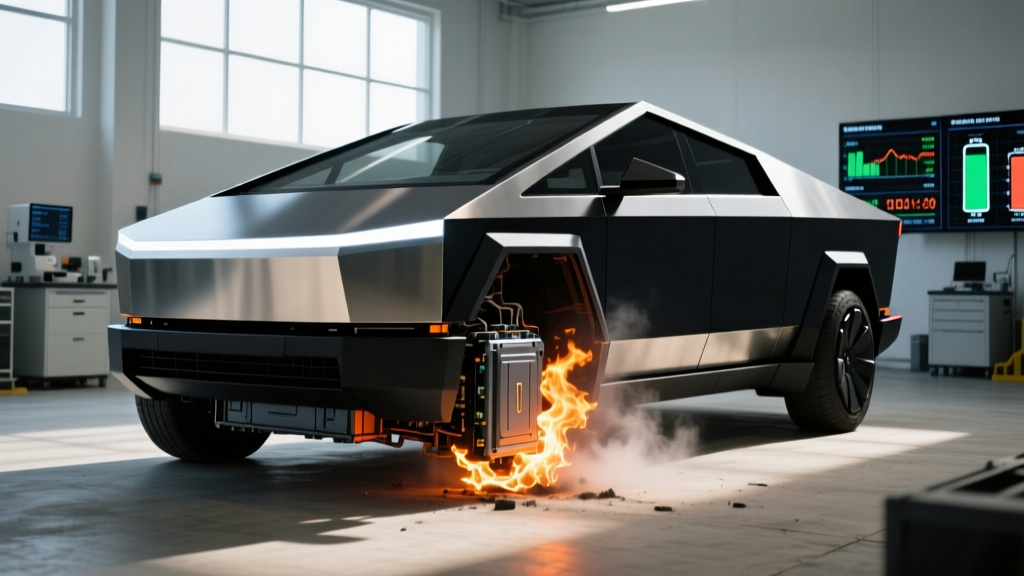
As of early 2026, the National Highway Traffic Safety Administration (NHTSA) has logged a small number of Cybertruck post-crash fire investigations. These incidents typically share common factors: high-speed impacts (>70 mph), significant underbody or side-structure intrusion into the battery enclosure, and delayed egress due to electronic door-handle failures.
Key observations from first-responder bulletins and NHTSA preliminary reports include:
- Thermal propagation speed: In severe battery-enclosure breaches, 4680 NMC cells can enter thermal runaway within minutes. Tesla's fire-suppression barriers between cell modules slow propagation compared to older 2170-cell packs, but cannot prevent it entirely when the structural pack casing is compromised.
- Door-release complications: Multiple incident reports cite electronic exterior handles failing to deploy after 12V system loss. The Cybertruck's manual door-release pulls are located inside the cabin — unreachable if the vehicle is on its side or roof.
- Firefighter response challenges: The stainless-steel exoskeleton resists conventional hydraulic rescue tools ("Jaws of Life"), forcing responders to cut through glass or attack from the undercarriage. Tesla has published a Cybertruck Emergency Response Guide, but adoption varies by fire district.
- Comparative fire rate: Per billion vehicle-miles traveled, EV fires remain statistically less frequent than ICE vehicle fires, according to NHTSA and auto-industry insurance data. However, EV battery fires burn hotter (~2,000°F+), require far more water to extinguish, and can reignite hours after initial suppression.
Full Cybertruck Specs: Range, Battery, and Efficiency
| Specification | AWD (Dual-Motor) | Cyberbeast (Tri-Motor) |
|---|---|---|
| EPA Range | 340 miles | 320 miles |
| Battery Capacity (usable) | ~123 kWh | ~123 kWh |
| Cell Chemistry | NMC (Nickel Manganese Cobalt) — 4680 cells | NMC — 4680 cells |
| Efficiency | 56 MPGe / 58 kWh/100mi | 51 MPGe / 63 kWh/100mi |
| Horsepower | 600 hp | 845 hp |
| 0–60 mph | 4.1 sec | 2.6 sec |
| Max Towing | 11,000 lbs | 11,000 lbs |
| Battery/Powertrain Warranty | 8 years / 120,000 miles | 8 years / 120,000 miles |
The EPA rates the dual-motor AWD at 340 miles. In real-world highway testing at 75 mph in moderate temperatures (65°F), expect ~270–295 miles before needing a charger. Cold-weather driving (below 30°F) with cabin heating can drop that to ~220–250 miles. Towing a 7,000-lb trailer at highway speeds reduces range to approximately 150–170 miles. The Cybertruck's massive frontal area and angular stainless-steel body create significant aerodynamic drag above 65 mph, making it less efficient than sleeker EVs on long road trips.
Charging Speed: DC Fast Charge and Home Level 2
| Charging Level | Power (kW) | Speed / Time | Notes |
|---|---|---|---|
| Level 1 (120V household) | ~1.4 kW | ~3 mi/hr | Emergency only; full charge takes 4+ days |
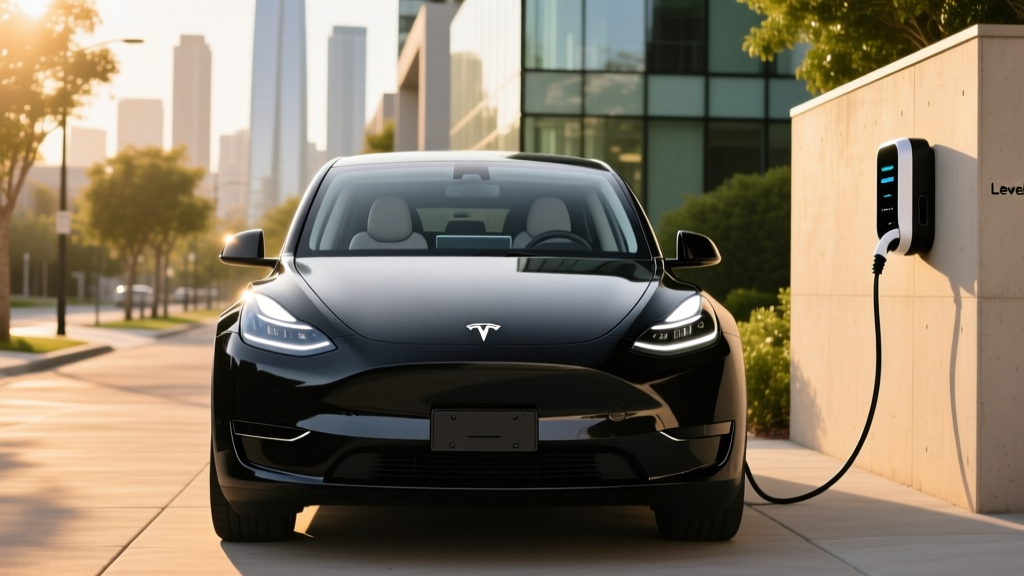
| Level 2 (240V / 48A Wall Connector) | 11.5 kW | ~29 mi/hr; 0–100% in ~11 hrs | Standard home install; NACS connector |
| DC Fast Charge (V4 Supercharger) | Peak 250 kW | 10–80% in ~22 min | Charge curve tapers sharply above 60%; sustained avg ~140 kW |
| Non-Tesla DC Fast (CCS via adapter) | Up to 250 kW | 10–80% in ~25 min | NACS native; CCS adapter included |
A critical ownership note: the Cybertruck's 4680 cells exhibit a charge curve that peaks near 250 kW at low state-of-charge (10–15%) but begins tapering noticeably around 50–60% SoC. By 80%, charge rate drops to roughly 60–80 kW. On a road trip, plan stops around the 10–80% window to maximize time at peak charge speed. Attempting to charge from 80–100% at a DC fast charger adds an extra 20–30 minutes for relatively few miles gained.
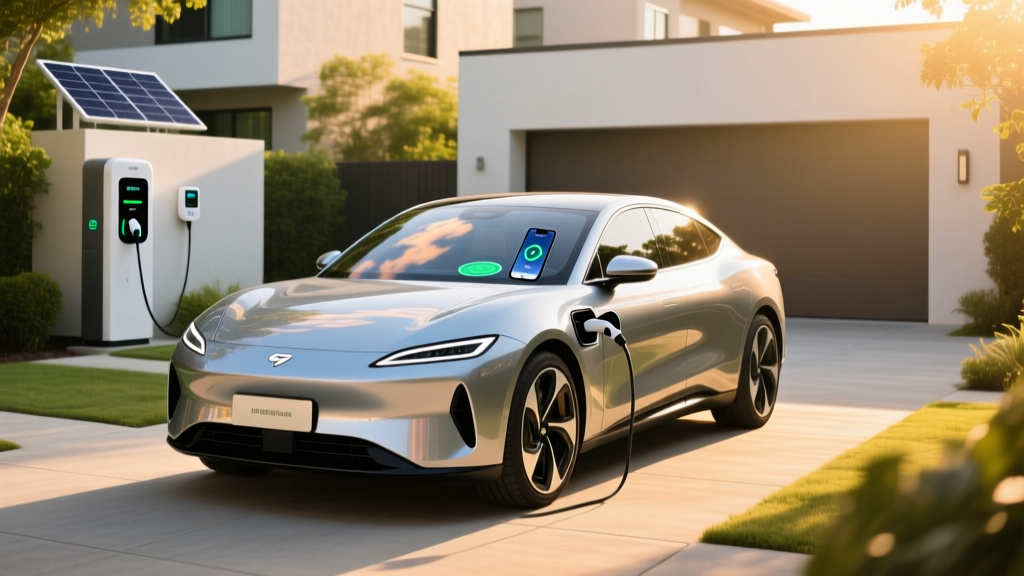
For home charging, Tesla's Wall Connector on a 60A circuit delivers 11.5 kW — sufficient to add ~29 miles of range per hour. A full overnight charge from 20% to 100% takes roughly 9–10 hours. Most owners will set a daily charge limit of 80% (recommended for NMC longevity), which shortens this to about 7 hours.
Pricing, Trims, and Federal Tax Credit Eligibility
| Trim | Base MSRP | §30D Credit Eligible? | Effective Price (if eligible) |
|---|---|---|---|
| AWD (Dual-Motor) | $81,630 | ❌ No — exceeds $80,000 truck MSRP cap | $81,630 |
| Cyberbeast (Tri-Motor) | $101,630 | ❌ No — exceeds $80,000 truck MSRP cap | $101,630 |
The Cybertruck does not qualify for the $7,500 federal EV tax credit under IRS §30D. The reason is straightforward: the IRS classifies the Cybertruck as a pickup truck, and the §30D MSRP cap for trucks, vans, and SUVs is $80,000. Even the base AWD trim starts at $81,630 — $1,630 over the threshold. There is no workaround for this in 2026.
Additionally, the §30D credit has buyer income caps ($300,000 joint / $150,000 single for new vehicles) and critical-mineral/battery-component sourcing requirements. But for Cybertruck buyers, the MSRP cap is the disqualifying factor regardless of income or sourcing. Always verify current rules on irs.gov before purchase, as legislation can shift.
Some states offer additional EV rebates or tax credits that are not subject to the federal MSRP cap — check your state's energy office or DMV for current programs. These vary widely and are subject to funding availability.
Interior, Cargo, and Technology
The Cybertruck seats five (six with the optional front bench) and offers a 6.5-foot bed with a motorized retractable tonneau cover. Cargo volume behind the second row measures approximately 67 cu ft (bed floor), and the front trunk (frunk) adds 7.1 cu ft of lockable storage. Rear-seat legroom is 38.4 inches — adequate for adults but tighter than a Ford F-150 Lightning's 43.6 inches.
Standout technology includes:
- 18.5-inch front touchscreen and 9.4-inch rear touchscreen with Tesla's latest UI
- 48-volt electrical architecture (industry-first for a production truck) enabling steer-by-wire steering
- Rear-wheel steering (up to 10°) for a tighter turning circle than its 25-foot length suggests
- Adaptive air suspension with 17 inches of ground clearance in Extract mode
- Tesla Autopilot standard; Full Self-Driving (Supervised) available as a $8,000 add-on — SAE Level 2 only, driver must remain fully engaged
- Bioweapon Defense Mode (HEPA filtration) and armored glass panels
- Integrated 240V bed outlets (up to 9.6 kW output) for job-site or campsite power
Notable drawbacks:
- Stainless-steel body panels show fingerprints and are difficult to repair — collision shops require Tesla-certified stainless-steel welding equipment
- Visibility is compromised by thick A-pillars, no rear windshield wiper, and the angular roofline blocking the rear-view mirror at certain angles
- Ride quality on rough pavement is firm due to the heavy stainless-steel structure and stiff air suspension tuning
- Electronic door handles and steer-by-wire have drawn reliability scrutiny from early owners
Cybertruck vs. Key Competitors: Is It Worth Buying?
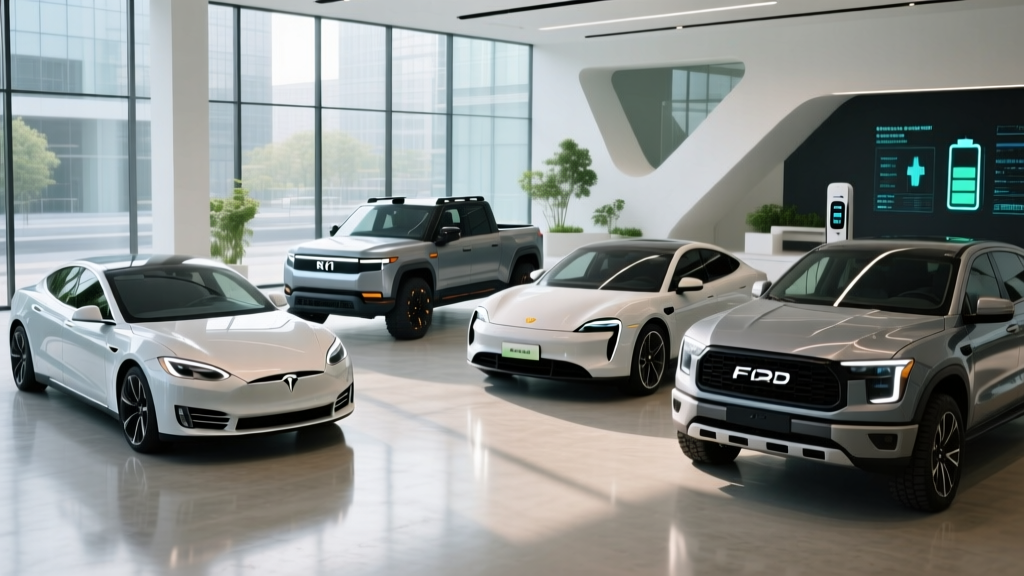
The Cybertruck competes most directly with the Ford F-150 Lightning and Rivian R1T. Here's how it stacks up on the metrics that matter:
| Metric | Cybertruck AWD | F-150 Lightning (Ext. Range) | Rivian R1T (Dual-Motor Max) |
|---|---|---|---|
| EPA Range | 340 mi | 320 mi | 352 mi |
| Base MSRP | $81,630 | $59,995 | $89,900 |
| §30D Credit | ❌ | ✅ (qualifying trims) | ❌ (MSRP cap) |
| Max DC Charge | 250 kW | 150 kW | 220 kW |
| 0–60 mph | 4.1 sec | 3.8 sec | 4.5 sec |
| Max Towing | 11,000 lbs | 10,000 lbs | 11,000 lbs |
| Rear Legroom | 38.4 in | 43.6 in | 42.7 in |
Choose the Cybertruck if: You want maximum towing capacity, 250 kW Supercharger access, rear-wheel-steer maneuverability, and don't mind paying a premium with no federal credit. You accept the NMC battery fire-risk profile in exchange for performance and range.
Choose the F-150 Lightning if: Budget matters, you want §30D tax-credit eligibility, need more rear-seat space, and prefer a conventional truck layout with a proven dealer/service network.
Choose the Rivian R1T if: You prioritize adventure/off-road capability, want the longest EPA range in the segment, and value a more refined interior — and can stomach a $90K+ price with no federal credit.
Pros and Cons at a Glance
- Best-in-class 11,000-lb towing for EV pickups
- 250 kW DC fast charging via Supercharger network
- 48V architecture + steer-by-wire = tight turning radius
- 9.6 kW bed power output (job-site / camping capable)
- 340-mile EPA range beats F-150 Lightning Extended
- Stainless-steel body resists dents and corrosion
- No federal §30D tax credit (MSRP cap exceeded)
- NMC battery chemistry = higher thermal-runaway risk than LFP
- Electronic door handles complicate post-crash egress
- Stainless-steel repairs require specialized body shops
- Highway efficiency drops sharply above 70 mph (aero drag)
- Steep $81K+ entry price with limited trim-level choices
- Build-quality inconsistencies reported by early owners
Frequently Asked Questions
Has the Cybertruck been recalled for fire risk?
As of early 2026, Tesla has not issued a fire-specific recall for the Cybertruck. NHTSA has opened investigations into certain post-crash incidents but has not mandated a recall. Tesla issued recalls for accelerator-pedal trim and windshield-wiper issues in prior model years. Monitor NHTSA's recall database for updates.
Is NMC battery chemistry more prone to fire than LFP?
Yes, in laboratory and real-world data, NMC (nickel manganese cobalt) cells have a lower thermal-runaway onset temperature (~210°C) compared to LFP (lithium iron phosphate, ~270°C+). This means NMC packs can enter thermal runaway more readily under extreme mechanical abuse. However, Tesla's 4680 cell design includes fire-barrier materials between modules that slow propagation. The tradeoff is that NMC delivers higher energy density (more range per kg) than LFP.
How does the Cybertruck's fire rate compare to gas trucks?
Per-mile fire incidence data for the Cybertruck specifically is still limited given its relatively short time on the road. Broader EV fire statistics from insurance and NHTSA data show that EVs catch fire at a lower rate per billion vehicle-miles than ICE vehicles. However, EV battery fires are harder to extinguish, burn hotter, and can reignite — making them more consequential per incident.
Can I get the $7,500 tax credit by leasing the Cybertruck?
The §30D new-vehicle credit has an MSRP cap of $80,000 for trucks — the Cybertruck exceeds this regardless of purchase or lease. However, the commercial clean-vehicle credit (§45W) has different rules and may apply to business leases, though the Cybertruck's GVWR classification makes this unlikely. Consult a tax professional and review current IRS guidance before structuring a deal.
What should first responders know about a Cybertruck accident?
Tesla publishes a Cybertruck Emergency Response Guide detailing high-voltage cable routing, battery pack location, manual door-release locations, and recommended cutting points for rescue tools. The stainless-steel exoskeleton requires specialized equipment. Fleet owners and individual buyers should share this guide with their local fire department. The 48V architecture adds a secondary electrical system that responders should be aware of.
Who is the Cybertruck best suited for?
The Cybertruck fits buyers who need serious towing capacity (11,000 lbs), want access to Tesla's Supercharger network for road-trip charging, appreciate the 48V/steer-by-wire engineering novelty, and are willing to pay $80K–$100K+ without a federal tax credit. It is less ideal for budget-conscious buyers, those prioritizing rear-seat comfort, or anyone uncomfortable with NMC battery chemistry and the associated (albeit statistically low) thermal-event risk in severe collisions.