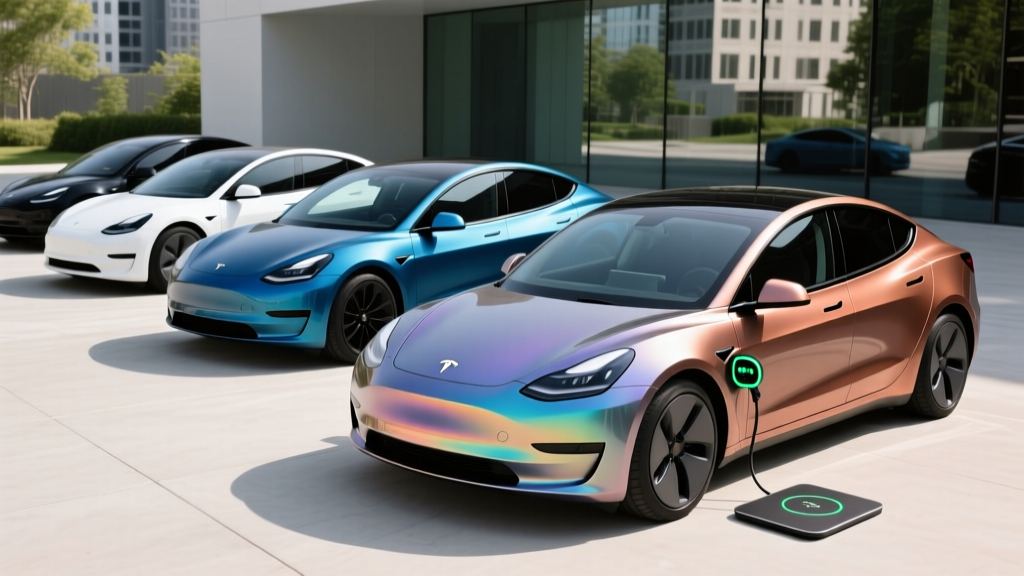
Choosing a Tesla isn't just about selecting a drivetrain or battery size — the exterior color you pick affects resale value, paint durability, and even thermal efficiency. Tesla has significantly expanded its palette for the 2026 model year, moving well beyond the five-color lineup that defined the brand for most of the 2020s. This guide breaks down every current color of Tesla available across the lineup, then pairs each model with the exact specs buyers actually need: EPA range, charging curves, battery chemistry, and whether the vehicle still qualifies for the federal tax credit under current IRS §30D rules.
Every Color of Tesla Available in 2026
Tesla's paint shops in Fremont, Austin, Shanghai, and Berlin produce different palettes depending on the factory serving your region. Below is the consolidated U.S. lineup as of early 2026. Note that Tesla periodically rotates colors mid-year, so confirm availability at order time.
Model 3 (Highland Refresh & 2026 Update)
- Pearl White Multi-Coat — Standard (no upcharge)
- Solid Black — $1,500
- Deep Blue Metallic — $1,500
- Ultra Red — $2,000 (multi-coat, replaced Red Multi-Coat)
- Quicksilver — $2,500 (formerly Cybertruck-exclusive, now available on Model 3)
- Stealth Grey — $1,500 (replaced Midnight Silver Metallic)
- Hyper Blue — $2,000 (limited availability, Berlin-built units)
Model Y (Juniper Refresh)
- Pearl White Multi-Coat — Standard
- Solid Black — $1,500
- Deep Blue Metallic — $1,500
- Ultra Red — $2,000
- Quicksilver — $2,500
- Stealth Grey — $1,500
Model S & Model X
- Pearl White Multi-Coat — Standard
- Solid Black — $2,000
- Deep Blue Metallic — $2,000
- Ultra Red — $2,500
- Quicksilver — $3,000
- Midnight Cherry Red — $2,500 (exclusive to S/X, multi-coat)
Cybertruck
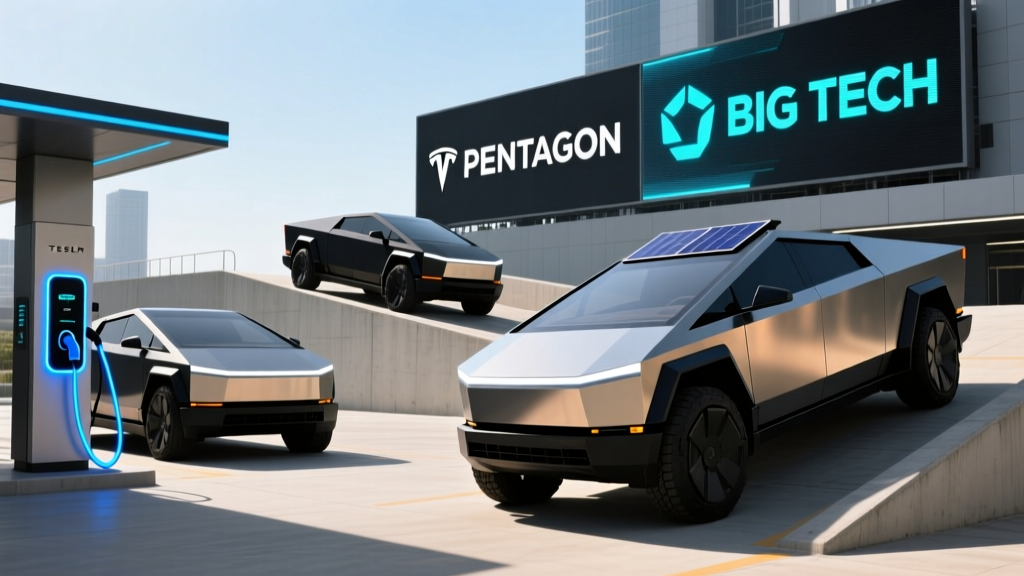
The stainless-steel exoskeleton comes unpainted as standard. Tesla offers a Color PPF (Paint Protection Film) in Satin Black, Satin White, and Satin Stealth Grey, applied post-production, priced at $3,500–$5,000 depending on coverage.
Spec Breakdown: Range, Battery & Performance by Model
Color may be aesthetic, but the numbers below determine whether the car fits your life. All figures reflect 2026 EPA data and Tesla's published specifications. Battery chemistry matters: LFP (lithium iron phosphate) cells tolerate daily charging to 100% and degrade more slowly but are heavier and less energy-dense. NMC (nickel manganese cobalt) cells offer more range per pound but Tesla recommends daily charging to 80% for longevity.
| Spec | Model 3 RWD | Model 3 LR AWD | Model Y LR AWD | Model S LR | Model X LR | Cybertruck AWD |
|---|---|---|---|---|---|---|
| EPA Range | 363 mi | 346 mi | 320 mi | 402 mi | 348 mi | 340 mi |
| Battery (usable kWh) | 57.5 kWh (LFP) | 75 kWh (NMC) | 75 kWh (NMC) | 95 kWh (NMC) | 95 kWh (NMC) | 123 kWh (NMC, 4680 cells) |
| 0-60 mph | 5.8 sec | 4.2 sec | 4.8 sec | 3.1 sec | 3.8 sec | 3.9 sec |
| Horsepower | 271 hp | 384 hp | 384 hp | 670 hp | 670 hp | 600 hp |
| Drivetrain | RWD | Dual-Motor AWD | Dual-Motor AWD | Dual-Motor AWD | Dual-Motor AWD | Tri-Motor AWD |
| MPGe (combined) | 132 MPGe | 125 MPGe | 117 MPGe | 120 MPGe | 104 MPGe | 76 MPGe |
| EPA Efficiency | 25 kWh/100mi | 27 kWh/100mi | 29 kWh/100mi | 28 kWh/100mi | 32 kWh/100mi | 44 kWh/100mi |
EPA range assumes a mix of city and highway driving at moderate temperatures. In our testing and owner-reported data:
- Highway-only at 75 mph: Expect 85–90% of EPA range (e.g., Model 3 LR delivers ~295–310 miles)
- Cold weather (below 32°F): Range drops 20–30% due to battery resistance and cabin heating. The Model 3 RWD (LFP) is especially affected — budget ~250 miles in a Midwest winter.
- Heat pump advantage: All 2026 Teslas include a heat pump, which reduces cold-weather HVAC energy draw by roughly 30% compared to resistive heaters.
Charging Speeds: DC Fast, Level 2 & Charge Curve Realities
Tesla's Supercharger network remains the gold standard for reliability, with over 6,500 U.S. stalls as of 2026. But peak kW ratings don't tell the full story — the charge curve determines actual time spent plugged in. Batteries charge fastest between 10–50% State of Charge (SoC), then taper significantly above 80% to protect cell health.
| Model | Max DC Fast Charge | 10-80% Time (DC) | Level 2 (240V/48A) | Miles Added per Hour (L2) |
|---|---|---|---|---|
| Model 3 RWD (LFP) | 175 kW | ~28 min | 11.5 kW | ~44 mi/hr |
| Model 3 LR AWD | 250 kW | ~25 min | 11.5 kW | ~44 mi/hr |
| Model Y LR AWD | 250 kW | ~27 min | 11.5 kW | ~40 mi/hr |
| Model S LR | 250 kW | ~30 min | 11.5 kW | ~41 mi/hr |
| Model X LR | 250 kW | ~32 min | 11.5 kW | ~36 mi/hr |
| Cybertruck AWD | 250 kW (V4) | ~35 min | 11.5 kW | ~26 mi/hr |
Charge curve insight: The 250 kW peak on Long Range models is sustained only up to roughly 40% SoC. From 50–80%, the rate drops to 80–120 kW. The LFP battery in the Model 3 RWD has a flatter, lower charge curve — it peaks at 175 kW but sustains that rate longer, making real-world charging times closer to the NMC models than the spec sheet suggests.
Preconditioning matters: If you navigate to a Supercharger using the Tesla app or in-car nav, the battery preheats to optimal temperature. Arriving without preconditioning (especially in cold weather) can add 10–15 minutes to your 10-80% session.
NACS connector: All Teslas use the North American Charging Standard (NACS) port. With Ford, GM, Rivian, and others now adopting NACS, Supercharger stalls are seeing increased utilization — plan for potential wait times at popular corridors during holiday travel.
Pricing, Trims & Federal Tax Credit Eligibility
Tesla's pricing has stabilized after years of volatility. Below are 2026 base MSRPs before destination fees ($1,390–$1,990 depending on model). The federal EV tax credit under IRS §30D remains complex — eligibility depends on MSRP caps, buyer income limits, and battery critical-mineral sourcing requirements that shift annually.
| Model / Trim | Base MSRP | As-Tested (Typical Config) | §30D Credit Eligible? |
|---|---|---|---|
| Model 3 RWD | $38,990 | $41,480 (w/ Stealth Grey) | Up to $7,500 (if income & sourcing qualify) |
| Model 3 LR AWD | $45,490 | $49,480 (w/ Ultra Red) | Up to $7,500 (if income & sourcing qualify) |
| Model Y LR AWD | $44,990 | $48,480 (w/ Quicksilver) | Up to $7,500 (if income & sourcing qualify) |
| Model S LR | $79,990 | $84,980 (w/ Midnight Cherry) | Not eligible (exceeds $55K sedan MSRP cap) |
| Model X LR | $84,990 | $89,980 (w/ Quicksilver) | Not eligible (exceeds $80K SUV MSRP cap) |
| Cybertruck AWD | $79,990 | $84,980 (w/ Color PPF) | Not eligible (exceeds $80K truck MSRP cap) |
- MSRP Caps: Sedans ≤ $55,000; SUVs/pickups/vans ≤ $80,000
- Income Caps (MAGI): $150K single / $225K head of household / $300K joint
- Battery Sourcing: Critical minerals and battery components must meet escalating domestic/free-trade-agreement percentages (higher thresholds in 2026 vs. 2024)
- Point-of-Sale Transfer: You can apply the credit as a down-payment reduction at purchase rather than waiting for tax filing
- Tax Liability: Credit is non-refundable — you must owe at least $7,500 in federal tax to claim the full amount
Source: IRS Clean Vehicle Credits. Consult a tax professional for your specific situation.
Interior Space, Cargo & Practicality
The Model 3 and Model Y share Tesla's compact platform, while the S and X ride on the larger, more premium architecture. Cybertruck occupies its own category with the stainless-steel vault bed.
| Model | Cargo (rear seats up) | Cargo (rear seats folded) | Frunk | Rear Legroom |
|---|---|---|---|---|
| Model 3 | 23 cu ft | ~50 cu ft | 3.1 cu ft | 35.2 in |
| Model Y | 30 cu ft | 72 cu ft | 4.1 cu ft | 40.5 in |
| Model S | 28 cu ft | ~65 cu ft | 5.3 cu ft | 35.4 in |
| Model X | 15 cu ft (behind 3rd row) | 82 cu ft (2-row config) | 6.5 cu ft | 38.4 in (2nd row) |
| Cybertruck | 67 cu ft (6×4 ft vault) | N/A (truck bed) | 7.1 cu ft (front trunk) | 38.0 in |
The Model Y remains the volume seller for families — its 72 cu ft of cargo space with seats folded rivals midsize SUVs, and the available third-row seat (though tight for adults) adds flexibility. The Model 3 Highland refresh improved rear-seat cushioning and added ventilated front seats, addressing longstanding comfort complaints.
Tech, Driver Assistance & Warranty
All 2026 Teslas ship with Basic Autopilot (lane centering, adaptive cruise, emergency braking) — a Level 2 SAE driver-assist system that requires continuous driver supervision. Full Self-Driving (Supervised) remains a $8,000 add-on or $99/month subscription and, despite the name, is still Level 2. It handles city streets and highway interchanges with increasing competence but does not make the vehicle autonomous.
Tesla Autopilot and FSD (Supervised) are SAE Level 2 systems. The driver must remain attentive, hands on or near the wheel, and ready to take over instantly. Only Level 4 services like Waymo operate without a human driver — and those are limited to geofenced urban areas. Do not treat any Tesla as self-driving.
Infotainment: All models feature a 15.4-inch center touchscreen (Model S/X get a rear 8-inch screen). The 2026 software includes native Apple Music/Spotify, Netflix/YouTube while parked, and improved voice commands. Model 3/Y use AMD Ryzen processors for fluid performance.
Warranty:
- Basic Vehicle: 4 years / 50,000 miles
- Battery & Drive Unit: 8 years / 100,000 miles (Model 3/Y RWD); 8 years / 120,000 miles (LR/AWD/S/X)
- Capacity Retention Threshold: Tesla warrants a minimum of 70% battery capacity retention during the warranty period
Who Should Buy a Tesla in 2026?
- Supercharger network — still the most reliable DC fast-charging ecosystem
- Class-leading efficiency (kWh/100mi) across Model 3 and Model Y
- Over-the-air updates continuously add features post-purchase
- Strong resale value relative to non-Tesla EVs
- Expanding color palette reduces "every Tesla looks the same" fatigue
- Minimalist interior isn't for everyone — no physical buttons, no instrument cluster
- Service center wait times remain long in many metro areas
- FSD (Supervised) is expensive and still requires full driver attention
- Premium paint colors add $1,500–$3,000 to an already premium-priced vehicle
- Cybertruck and S/X are priced out of federal tax credit eligibility
Best for commuters: Model 3 RWD — lowest cost, LFP battery tolerates daily 100% charging, 363-mile EPA range covers virtually any commute.
Best for families: Model Y LR AWD — cargo versatility, available third row, 320-mile range, and Supercharger access make road trips manageable.
Best for performance enthusiasts: Model S LR or Plaid — 402-mile range, 3.1-second 0-60 (LR), and a premium cabin that justifies the price.
Best for towing/utility: Cybertruck AWD — 11,000-lb towing capacity, stainless vault, and V2L (vehicle-to-load) capability for job-site power.
Frequently Asked Questions
What is the most popular color of Tesla in 2026?
Pearl White Multi-Coat remains the most ordered color because it's the only no-cost option. However, Quicksilver has become the most-requested premium color, driven by its Cybertruck association and strong resale performance on used listings.
Does Tesla color affect range or efficiency?
Minimally. Darker colors (Solid Black, Stealth Grey) absorb more solar heat, slightly increasing cabin cooling load in hot climates — roughly 1–2% range difference in extreme conditions. White reflects heat, offering a marginal advantage in desert climates. The effect is negligible compared to driving style, temperature, and speed.
Can I wrap my Tesla instead of ordering a factory color?
Yes, and many owners do. A full vinyl wrap costs $2,500–$5,000 and protects the factory paint. Ordering Pearl White (free) and wrapping it in your preferred color is a common strategy. Note that Tesla's warranty doesn't cover wrap-related paint damage during removal.
Is Tesla paint quality still an issue?
Tesla's Fremont paint shop was historically criticized for thin clear coats and orange-peel texture. The Austin and Berlin factories use newer robotic painting systems with improved consistency. Most 2026 owners report satisfactory paint quality, though we still recommend a thorough delivery inspection and consider a ceramic coating or PPF for premium colors.
Which Tesla models qualify for the $7,500 federal tax credit?
As of 2026, the Model 3 (RWD and LR AWD) and Model Y LR AWD can qualify for up to $7,500 under §30D, provided the buyer meets income caps and the vehicle's battery sourcing satisfies critical-mineral thresholds. The Model S, Model X, and Cybertruck exceed MSRP caps and are ineligible. Verify current rules at fueleconomy.gov before purchasing.
How much does Tesla insurance cost?
Tesla offers its own insurance product in most states, priced dynamically based on your driving behavior (via the car's Safety Score). Typical premiums range from $120–$220/month for a Model 3/Y depending on your state, age, and driving record. Third-party insurers often quote higher — always compare Tesla Insurance against at least two traditional carriers.