Quick Verdict on the Citroën ë-C3
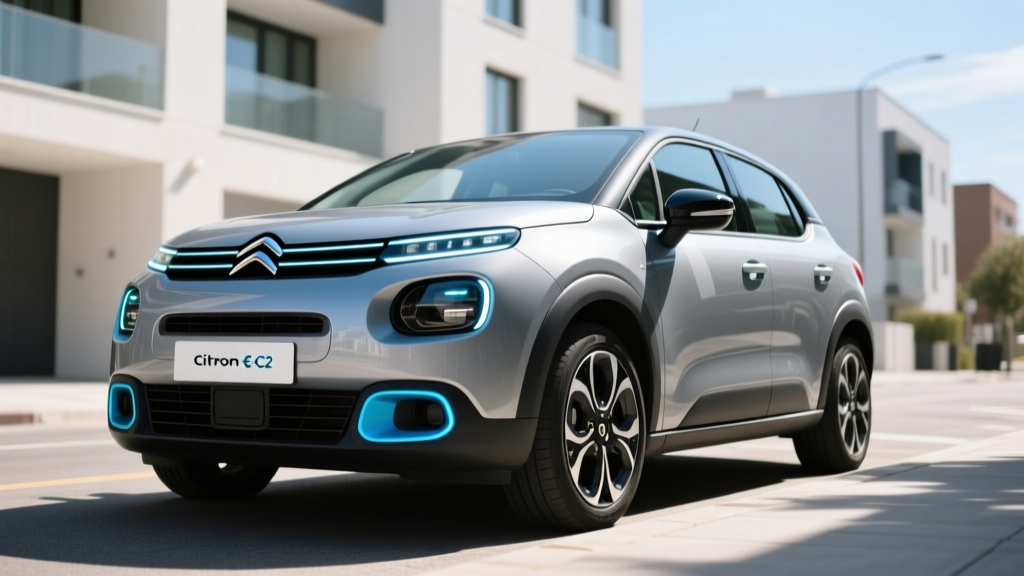
The Citroën ë-C3 is a budget-focused European B-segment hatchback built on a 44 kWh LFP (lithium iron phosphate) battery, delivering a WLTP-rated range of approximately 199 miles (~320 km). It charges at up to 100 kW on DC fast chargers, reaching 20–80% in roughly 26 minutes. Starting around €23,300 in Europe (roughly $25,500 USD equivalent before incentives), it targets urban and suburban drivers who prioritize low running costs over long-distance road-trip capability. Note: As of 2026, the ë-C3 is not sold in the United States and does not qualify for the IRS §30D federal EV tax credit. This guide is written for European buyers and those in markets where Citroën operates, with universal EV ownership principles that apply anywhere.
Range, Battery, and Efficiency: The Numbers That Matter
The ë-C3 uses a 44 kWh usable-capacity battery pack with LFP (lithium iron phosphate) chemistry. Unlike the nickel-manganese-cobalt (NMC) cells found in many premium EVs, LFP batteries trade some energy density for superior longevity, thermal stability, and lower cost. For a budget city car, this is the right engineering call.
| Specification | Value |
|---|---|
| Battery (usable) | 44 kWh, LFP chemistry |
| WLTP Range | ~199 mi / 320 km |
| Estimated Real-World Range | ~155–175 mi (250–280 km) |
| Motor Output | 83 kW (113 hp) |
| 0–62 mph (0–100 km/h) | ~11.0 seconds |
| Top Speed | ~84 mph (135 km/h) |
| DC Fast Charge (peak) | 100 kW (CCS2) |
| 20–80% DC Charge Time | ~26 minutes |
| AC Level 2 Charge | 7.4 kW (single-phase), ~11 kW (three-phase option) |
| AC 0–100% Time (7.4 kW) | ~6 hours |
| Starting Price (Europe) | ~€23,300 |
| Battery Warranty | 8 years / 160,000 km (70% capacity retention) |
Real-World Range vs. WLTP Sticker
The WLTP figure of 199 miles is measured under standardized lab conditions. In practice, expect the following:
- Mild weather, city driving: ~175–190 mi (280–305 km) — LFP cells perform well at low speeds with heavy regen use
- Highway at 70 mph / 110 km/h: ~140–155 mi (225–250 km) — aerodynamic drag dominates at speed
- Cold weather (below 32°F / 0°C): ~120–140 mi (195–225 km) — LFP batteries lose more range in cold than NMC; cabin heating also draws from the pack since the ë-C3 uses a resistance heater rather than a heat pump on base trims
For a daily commute of 30–40 miles round trip, even worst-case winter range leaves a comfortable buffer. Road trips requiring 200+ miles between stops will require planned charging.
Charging: Home, Public, and What It Costs
Understanding charging is the single most important ownership variable. The ë-C3 supports three charging levels:
| Level | Power (kW) | Miles Added per Hour | Typical Use Case |
|---|---|---|---|
| Level 1 (Domestic outlet, 2.3 kW) | 2.3 kW | ~8–10 mi/hr | Emergency / overnight trickle |
| Level 2 (Wallbox, 7.4 kW) | 7.4 kW | ~25–30 mi/hr | Daily home charging |
| DC Fast Charge (CCS2) | Up to 100 kW | ~150+ mi/hr (peak) | Road trips, rapid top-ups |
kW vs kWh reminder: kW (kilowatts) measures the rate of power delivery — how fast you're charging. kWh (kilowatt-hours) measures energy stored — how big the battery is. The ë-C3 has a 44 kWh battery and can accept up to 100 kW of charging power.
Home Charging Economics
At an average European residential electricity rate of €0.25/kWh (rates vary widely by country and tariff), a full 44 kWh charge costs roughly €11.00 ($12). That delivers ~155–175 real-world miles, working out to approximately €0.06–0.07 per kilometer (about $0.11–0.13 per mile).
Compare that to a petrol B-segment hatchback averaging 5.5 L/100 km (roughly 43 mpg) at €1.70/L fuel cost:
| Vehicle | Energy Cost per km | Annual Cost (15,000 km/yr) |
|---|---|---|
| Citroën ë-C3 (home charging) | ~€0.065 | ~€975 |
| Citroën ë-C3 (public DC fast charging) | ~€0.13–0.17 | ~€1,950–€2,550 |
| Petrol hatchback (5.5 L/100 km) | ~€0.094 | ~€1,410 |
Home charging delivers clear savings. Public DC fast charging at €0.40–0.50/kWh erases that advantage — a critical consideration if you lack home or workplace charging access.
DC Fast Charging Curve Reality
The 100 kW peak charge rate is only sustained between roughly 10% and 50% state of charge (SoC). Above 80%, the charge rate tapers significantly — often dropping to 30–40 kW — to protect battery health. This is normal for all EVs but means the advertised "26 minutes to 80%" does not mean 26 minutes to 100%. Plan road-trip stops around 20–80% charges for efficiency.
EV vs Gas vs Hybrid: Which Actually Saves More?
For European buyers weighing the ë-C3 against a petrol C3 or a mild-hybrid competitor, the math depends on three variables: annual mileage, electricity source, and ownership duration.
| Cost Category | Citroën ë-C3 (Electric) | Petrol B-Segment Hatch | Full Hybrid B-Segment |
|---|---|---|---|
| Purchase Price (approx.) | €23,300 | €17,500 | €21,000 |
| Fuel/Energy (5 years) | €4,875 (home) / €11,250 (public) | €7,050 | €5,250 |
| Maintenance (5 years) | ~€1,200 | ~€2,500 | ~€2,100 |
| Insurance (5 years, avg.) | ~€3,500 | ~€2,800 | ~€3,000 |
| Estimated Resale Value | -€9,000 | -€6,500 | -€8,500 |
| Total 5-Year Cost | ~€23,875 (home) | ~€23,350 | ~€22,850 |
With home charging, the ë-C3 nearly reaches cost parity with petrol over five years despite its higher purchase price. The gap widens in the EV's favor at higher annual mileages (20,000+ km/year). However, if you must rely exclusively on public DC fast charging, the petrol or hybrid options remain cheaper on pure economics.
Maintenance savings are real and measurable: no oil changes, no spark plugs, no exhaust system, and regenerative braking extends pad and rotor life significantly. Expect brake pads to last 100,000+ km under normal use.
What First-Time EV Buyers Must Know Before Purchasing
Transitioning from a combustion car to the ë-C3 involves adjustments that aren't always obvious from a spec sheet:
Home Charging Access Is Non-Negotiable for Most Buyers
If you have a garage, driveway, or workplace charger, the ë-C3 integrates seamlessly into daily life — plug in at night, wake up with a full battery every morning. If you live in an apartment without charging infrastructure, you'll depend on public chargers, which costs more and requires time planning. Before buying, verify your parking situation supports at least a 7.4 kW wallbox installation.
Cold Weather Cuts Range — Plan Accordingly
LFP batteries are more susceptible to cold-weather capacity loss than NMC chemistry. In sub-zero temperatures, expect a 25–35% range reduction. The ë-C3's base trims use a resistive cabin heater rather than a heat pump, which draws additional energy from the traction battery. If you live in northern climates, precondition the cabin while still plugged in to preserve range.
Insurance Can Cost 15–25% More
EV insurance premiums tend to be higher due to repair costs for battery and powertrain components. Get a quote before purchasing to avoid surprises. Some insurers offer EV-specific policies that include home charger coverage.
LFP Battery Care Differs from NMC
Unlike NMC batteries, which manufacturers recommend keeping between 20–80% SoC for longevity, LFP batteries benefit from periodic charging to 100%. Citroën recommends charging to full at least once per month to allow the battery management system (BMS) to recalibrate cell balancing. This is an advantage for daily usability — you can charge to 100% regularly without the degradation concerns that apply to NMC packs.
Common Misconceptions About the ë-C3 — Fact-Checked
| Myth | Fact |
|---|---|
| "199 miles of range means I can drive 199 miles" | WLTP is a lab standard. Real-world highway range is ~140–155 mi; winter city driving drops to ~120–140 mi. |
| "The battery will need replacing in a few years" | LFP cells typically retain 80%+ capacity after 2,000+ full charge cycles — equivalent to ~400,000+ km. The 8-year/160,000 km warranty covers defects and excessive degradation below 70%. |
| "EVs are more expensive to own overall" | Higher purchase price is offset by lower energy and maintenance costs. Break-even typically occurs at year 4–6 with home charging at average European electricity rates. |
| "I need a special electrical panel at home" | A 7.4 kW wallbox requires a dedicated circuit (typically 32A single-phase). Most modern European homes can support this without a full panel upgrade. A licensed electrician should assess your setup — expect €500–€1,500 for installation depending on wiring distance and local permit requirements. |
| "Charging takes too long for road trips" | A 20–80% DC fast charge takes ~26 minutes — roughly the time for a rest stop, coffee, and bathroom break. For trips under 150 miles, no en-route charging is needed at all. |
Decision Framework: Is the Citroën ë-C3 Right for You?
Choose the ë-C3 If:
- Your daily round-trip commute is under 60 miles (96 km) — even in winter, the battery covers this easily with margin
- You have access to home or workplace Level 2 charging (7.4 kW wallbox)
- You primarily drive in urban and suburban environments where regenerative braking maximizes efficiency
- You want the lowest possible per-kilometer energy cost and minimal scheduled maintenance
- You plan to keep the car 5+ years, allowing the purchase-price premium to amortize against fuel savings
- You live in a market with EV purchase incentives (many European countries offer €2,000–€6,000 in national/regional subsidies for EVs under €30,000)
Consider a Petrol or Hybrid Instead If:
- You regularly drive 200+ miles (320+ km) in a single trip and want to avoid mid-journey charging stops
- You have no access to home, workplace, or reliable public Level 2 charging
- You live in an extremely cold climate (frequent sub-zero temperatures) and cannot precondition while plugged in
- You need to tow — the ë-C3 is not rated for towing
- Your annual mileage is below 8,000 km — the fuel savings won't offset the higher purchase price within a reasonable timeframe
Ownership Costs at a Glance: Year One Through Five
Beyond energy and maintenance, here's what to budget for as a new ë-C3 owner in Europe:
- Home wallbox installation: €500–€1,500 (one-time, depending on electrical setup and local regulations)
- Annual vehicle tax: €0 in most European countries for zero-emission vehicles (verify local rules — some regions phase in taxes after year 3–5)
- Insurance: €600–€900/year depending on country, driving record, and coverage level
- Tire replacement: EVs are heavier and produce instant torque; expect tire wear 10–20% faster than an equivalent petrol car. Budget €400–€600 for a set of four at ~40,000 km intervals
- Cabin air filter: Replace every 15,000–30,000 km (~€30–€50)
- Brake fluid: Every 2 years (~€50–€80)
- Windshield washer fluid and wipers: Same as any car
Total annual running costs (energy + insurance + maintenance) with home charging: approximately €1,700–€2,200 per year at 15,000 km annual mileage. An equivalent petrol hatchback: approximately €2,200–€2,800 per year.
Frequently Asked Questions
Is the Citroën ë-C3 available in the United States?
No. Citroën does not sell vehicles in the US market as of 2026. The ë-C3 is available in European markets and select international regions. US buyers looking for a similarly priced compact EV should consider the Chevrolet Equinox EV or the Nissan Leaf, though both are larger vehicles in different segments.
Does the ë-C3 qualify for any tax credits or incentives?
In Europe, incentive availability varies by country. France offers a ecological bonus (bonus écologique) of up to €4,000 for EVs priced under €47,000, subject to income thresholds. Germany's environmental bonus program has undergone changes — check the BAFA website for current status. Always verify eligibility with your national or regional transport authority before purchase.
How long does the LFP battery actually last?
LFP chemistry is among the most durable lithium-ion variants available. Published cycle-life data from CATL and other LFP cell manufacturers shows 3,000–5,000 full charge cycles before reaching 80% capacity retention. At 44 kWh per cycle and a real-world consumption of ~15 kWh/100 km, that equates to well over 500,000 km of driving before significant degradation. In practice, calendar aging (time-based degradation) will likely matter more than cycle aging for most owners. The 8-year/160,000 km warranty covers capacity loss below 70%.
Can I use the ë-C3 for long road trips?
Yes, with planning. The 100 kW DC fast charging capability adds roughly 120 miles of range in 26 minutes. On a 300-mile trip, expect one 25–30 minute charging stop. Use route-planning tools like A Better Routeplanner (ABRP) to identify CCS2-compatible chargers along your route. The ë-C3 is best suited as a primary city/suburban car with occasional longer trips rather than a dedicated road-trip vehicle.
What happens if I charge to 100% every night with an LFP battery?
Unlike NMC batteries, LFP cells tolerate regular 100% charges well. Citroën actually recommends periodic full charges for cell balancing. Daily charging to 100% is acceptable with LFP chemistry and won't meaningfully accelerate degradation compared to the partial-charge protocols required for NMC packs. This is a genuine usability advantage of the ë-C3's battery choice.
How does the ë-C3 compare to the Renault Zoe or Fiat 500e?
The ë-C3 undercuts both on price while offering competitive range. The Renault Zoe (no longer in production as of late 2024, but available used) offered a 52 kWh battery and ~245-mile WLTP range but started above €30,000 new. The Fiat 500e offers ~199 miles WLTP from a 42 kWh battery at a higher price point. The ë-C3's advantage is its entry price — it's positioned as one of the most affordable new EVs in the European market.