The Quick Answer: Is the Pacifica EV Right for You?
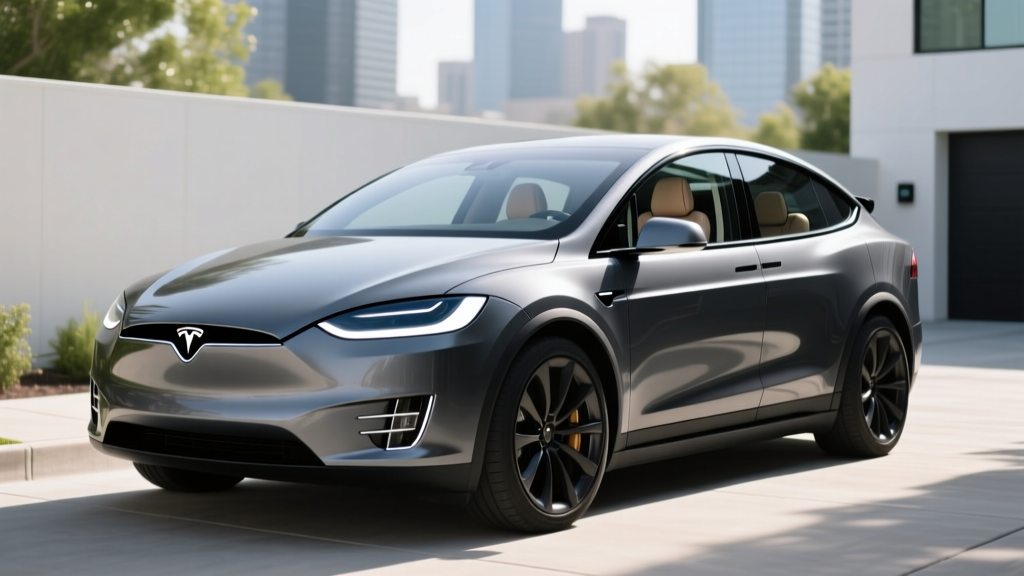
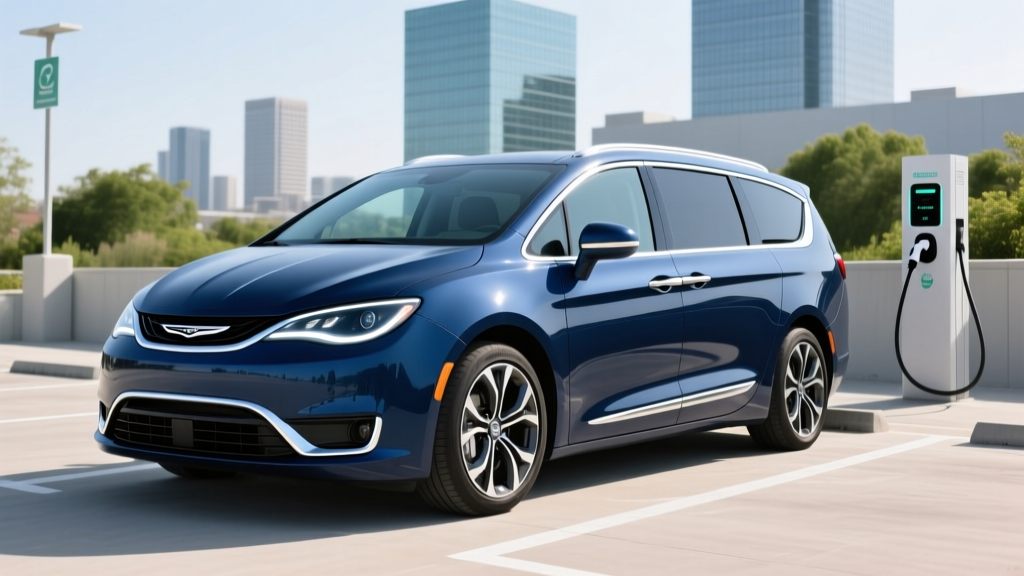
The 2026 Chrysler Pacifica EV is Stellantis's first all-electric minivan, built on the STLA Large platform with an estimated 320 miles of EPA range, a 100 kWh battery pack, and 150 kW peak DC fast charging (10–80% in approximately 28 minutes). With a starting MSRP around $52,000 (before destination), it undercuts the Tesla Model X and Rivian R1S on price while offering the minivan practicality families actually need — sliding doors, three rows, and serious cargo volume. However, it currently does not qualify for the full $7,500 federal §30D tax credit due to battery-sourcing requirements, and real-world highway range in cold weather will likely drop to 230–260 miles. If you can charge at home and your daily driving stays under 200 miles round-trip, the Pacifica EV is a compelling family hauler. If you frequently tow, live in a charging desert, or need maximum tax-credit savings, the Pacifica PHEV or a competitor may serve you better.
2026 Pacifica EV: Core Specs at a Glance
| Specification | 2026 Chrysler Pacifica EV |
|---|---|
| EPA Range (est.) | ~320 miles |
| Real-World Highway Range | ~260–280 miles (70°F); ~230–250 miles (30°F) |
| Battery Capacity | ~100 kWh usable, NMC chemistry |
| Peak DC Fast Charge Rate | 150 kW |
| 10–80% DC Charge Time | ~28 minutes |
| Level 2 (240V) Charge Rate | 11.5 kW (~37 miles/hour) |
| Level 1 (120V) Charge Rate | 1.4 kW (~4.5 miles/hour) |
| Horsepower | ~290 hp (single-motor FWD); ~440 hp (dual-motor AWD) |
| 0–60 mph | ~7.2 sec (FWD); ~5.4 sec (AWD) |
| Seating | 7 or 8 passengers |
| Cargo Volume (behind 3rd row) | ~32 cu ft (est.) |
| Towing Capacity | ~3,500 lbs (est.) |
| Starting MSRP | ~$52,000 (FWD base); ~$58,000 (AWD Limited) |
| Federal Tax Credit (§30D) | Partial or $0 — battery sourcing non-compliant as of 2026 (verify at IRS.gov) |
| Battery Warranty | 8 years / 100,000 miles (min. 70% capacity retention) |
These figures are based on Stellantis's published preliminary specifications and STLA Large platform data. Final EPA certification may shift range estimates by ±10 miles. Always confirm with the window sticker at purchase.
Pacifica EV vs. Pacifica PHEV vs. Gas Pacifica: The Real Cost Comparison
Chrysler continues to sell the Pacifica in three powertrains for 2026: the all-electric EV, the plug-in hybrid (PHEV), and the conventional gas V6. Here's how they stack up on the numbers that matter for a 5-year, 75,000-mile ownership cycle:
| Factor | Pacifica EV (~$52K) | Pacifica PHEV (~$51K) | Pacifica Gas V6 (~$41K) |
|---|---|---|---|
| EPA Range / Fuel Economy | ~320 mi / ~100 MPGe | 32 mi electric + ~30 MPG gas | 19 city / 28 hwy / 22 combined MPG |
| Fuel/Energy Cost (5 yr, 75K mi) | ~$4,200 (at $0.15/kWh home) | ~$6,800 (mix of electric + gas) | ~$11,900 (at $3.40/gal) |
| Maintenance (5 yr) | ~$1,800 | ~$3,200 | ~$4,500 |
| Federal Tax Credit | $0–$3,750 (sourcing dependent) | $0–$7,500 (verify sourcing) | $0 |
| Estimated Insurance (5 yr) | ~$11,500 | ~$10,200 | ~$9,400 |
| Estimated 5-Year Total Cost | ~$69,500 | ~$71,200 | ~$66,800 |
Sources: fueleconomy.gov for EPA data; energy costs modeled at national average electricity ($0.15/kWh) and gas ($3.40/gal). Insurance estimates via industry averages for minivan class. Actual costs vary by state, utility rate, and driving pattern.
Key Takeaway
The Pacifica EV's energy and maintenance savings of roughly $7,000–$10,000 over 5 years nearly close the $11,000 purchase-price gap with the gas model — but only if you charge primarily at home at residential electricity rates. If you rely on DC fast charging at $0.35–$0.50/kWh, your fuel cost climbs to ~$9,800 over 5 years, erasing much of the EV advantage. The PHEV is the hedge: it covers most school-run commutes on electricity while keeping a gas tank for 500-mile road trips without charging stops.
Charging the Pacifica EV: Home Setup and Public Network Reality
With a 100 kWh battery, the Pacifica EV demands a serious home charging strategy. Here's what each level actually delivers:
| Charging Level | Power (kW) | Miles Added per Hour | Full 0–100% Time |
|---|---|---|---|
| Level 1 (120V outlet) | 1.4 kW | ~4.5 miles | ~71 hours |
| Level 2 (240V, 48A) | 11.5 kW | ~37 miles | ~9 hours |
| DC Fast Charge (150 kW peak) | 150 kW (peak) | ~480 miles/hr (peak) | 10–80% in ~28 min |
Level 1 is not viable as a daily strategy for a 100 kWh minivan. At 4.5 miles per hour of charging, a full replenishment takes nearly three days. This is emergency-only or supplemental charging.
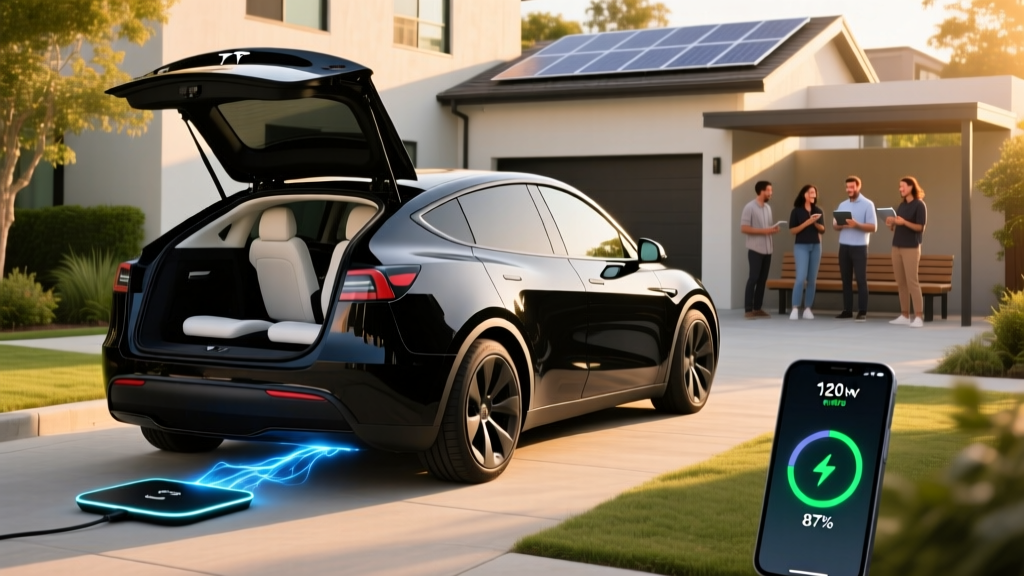
Level 2 home charging is essential. A 48-amp, 240V hardwired wall connector on a 60-amp circuit will fully recharge the Pacifica EV overnight in roughly 9 hours. If your daily driving is 60–80 miles, you'll only need 2–3 hours of Level 2 charging each night to wake up with a full battery.
Home Charging Installation Cost Breakdown
| Item | Typical Cost Range |
|---|---|
| Level 2 EVSE (wall connector) | $400–$750 |
| Electrician labor (240V/60A circuit) | $800–$2,500 |
| Permit & inspection | $100–$400 |
| Electrical panel upgrade (if needed, 200A service) | $1,500–$4,000 |
| Total (no panel upgrade) | $1,300–$3,650 |
| Total (with panel upgrade) | $2,800–$7,650 |
Always get a quote from a licensed electrician before purchasing the vehicle. If your home has a 100-amp main panel, you'll almost certainly need an upgrade to 200-amp service to safely run a 48-amp EV charger alongside your existing loads (HVAC, electric oven, dryer). This is the single biggest surprise cost for first-time EV buyers.
DC Fast Charging Reality: The 150 kW peak rate applies only between roughly 10–40% State of Charge (SoC). Above 60%, the charge curve tapers significantly — expect 80–100 kW from 60–80%, and under 40 kW above 80%. This is normal for NMC battery chemistry and protects long-term battery health. On a road trip, plan to charge from 10–80% and skip the slow final 20%.
Federal Tax Credit and Incentives: What You'll Actually Save
The 2026 Pacifica EV faces a challenging incentive landscape under current IRS §30D rules:
- MSRP Cap: Minivans classified as SUVs/vans must be under $80,000 MSRP. The Pacifica EV clears this at ~$52,000–$65,000 depending on trim. ✅
- Buyer Income Cap: Modified AGI must not exceed $150,000 (single), $225,000 (head of household), or $300,000 (joint). Verify with your tax professional. ⚠️
- Battery Component Sourcing: As of 2026, 100% of battery components must be manufactured or assembled in North America to qualify for the $3,750 component half of the credit. The Pacifica EV's STLA Large battery supply chain does not currently meet this threshold, likely eliminating $3,750 of the credit. ❌
- Critical Minerals Sourcing: A separate $3,750 requires critical minerals to be sourced from the U.S. or FTA partners. Compliance depends on final supply-chain certification. ⚠️
- Point-of-Sale Transfer: If you do qualify for any portion, the credit can be transferred to the dealer at purchase, reducing your out-of-pocket cost immediately rather than waiting for tax filing. ✅
Bottom line: budget for the Pacifica EV without assuming any federal credit. If partial credit becomes available before your purchase (supply chains shift throughout the year), treat it as a bonus. Check the current eligibility list at IRS.gov Clean Vehicle Credits and the DOE's tax credit database at fueleconomy.gov before signing.
State-level incentives may partially compensate. California's CVRP, Colorado's innovative motor vehicle credit, and various utility rebates for home charger installation can collectively save $2,000–$5,000 depending on your jurisdiction. Research your specific state and utility — these vary widely and change annually.
Real-World Ownership: What First-Time EV Buyers Need to Know
Cold-Weather Range Loss
NMC battery chemistry loses efficiency in cold temperatures. Expect 20–30% range reduction at 20–30°F compared to the EPA sticker. The Pacifica EV's estimated 320-mile EPA range becomes roughly 230–260 miles in winter highway driving. The heat pump (standard on most trims) mitigates cabin energy draw, but battery internal resistance still reduces usable capacity. Preconditioning the battery while plugged in — using the vehicle's scheduled departure feature — recovers roughly 10–15% of that loss by warming the pack before you drive.
Charging Deserts and Road Trips
Stellantis has committed to NACS (Tesla-style) connector access via the Tesla Supercharger network for the Pacifica EV. This opens roughly 25,000+ Supercharger stalls nationally. However, Supercharger density varies enormously: the I-5 corridor in California has chargers every 30–50 miles, while stretches of I-70 in Kansas or I-90 in Montana may have 150+ mile gaps. Plan road trips around charger locations, not gas stations. Apps like PlugShare and A Better Routeplanner are essential tools.
Driving Patterns That Make or Break EV Ownership
The Pacifica EV works best when:
- You can install Level 2 charging at home (garage, carport, or driveway with conduit access)
- Your daily driving is under 150 miles round-trip
- You take 2–4 road trips per year (manageable with DC fast charging stops)
- Your climate is moderate, or you accept winter range trade-offs
The Pacifica EV is a poor fit when:
- You live in an apartment or street-park with no charging access
- You regularly drive 300+ miles in a single day (towing a trailer compounds this)
- You live in extreme cold (sub-zero°F) and need full range year-round
- Your budget depends on the full $7,500 federal credit
| Common Misconception | The Reality |
|---|---|
| "EVs are cheaper to own, period." | EVs save on fuel and maintenance, but higher purchase price, insurance premiums (10–20% above gas equivalents), and possible home charging installation costs narrow the gap. The Pacifica EV breaks even with the gas model around year 5–6 for most owners. |
| "The battery will need replacing in 5 years." | NMC batteries in modern EVs with active thermal management typically retain 85–92% capacity after 100,000 miles. Stellantis warranties the Pacifica EV battery for 8 years/100,000 miles at ≥70% capacity retention. Full replacement (if ever needed) costs roughly $12,000–$18,000 out of warranty. |
| "Fast charging damages the battery." | Occasional DC fast charging has minimal long-term impact thanks to active liquid cooling and charge-curve management. Daily 150 kW charging may accelerate degradation by 1–3% over 5 years vs. Level 2 only — a negligible difference for most owners. |
| "I'll never need to visit a mechanic." | EVs still need tire rotations, cabin air filters, brake fluid checks, wiper blades, and suspension work. The Pacifica EV is a heavy vehicle (~5,400 lbs); expect tire wear 15–25% faster than the gas Pacifica due to instant torque and weight. |
Decision Framework: Which Pacifica Should You Buy?
Choose the Pacifica EV If:
- You have Level 2 home charging access (or can install it for under $4,000)
- Your daily driving is under 150 miles and you want zero tailpipe emissions
- You value the lowest per-mile energy cost (~$0.05/mile at residential rates)
- You take road trips 2–4 times per year and can plan 25-minute DC fast-charge stops
- You want the quietest, smoothest driving experience in a minivan
Choose the Pacifica PHEV If:
- You want 32 miles of electric-only range for school runs and errands but need gas flexibility
- You can't install Level 2 charging or live in a charging desert
- You take frequent 400+ mile road trips and don't want to plan around chargers
- The PHEV qualifies for a larger federal credit in your purchase year
- You want to hedge against EV technology while still reducing fuel consumption
Choose the Gas Pacifica If:
- Your budget tops out at ~$45,000 and you can't absorb the EV/PHEV premium
- You tow frequently (3,500+ lbs) and need maximum range between stops
- You live in an apartment or condo with no charging access and no prospect of getting it
- You drive fewer than 8,000 miles per year (fuel savings won't offset the EV premium)
Frequently Asked Questions
Does the 2026 Pacifica EV qualify for the $7,500 federal tax credit?
As of early 2026, the Pacifica EV likely qualifies for partial credit ($3,750) or none at all, depending on critical-mineral and battery-component sourcing certifications. The STLA Large platform's battery supply chain does not currently meet the North American component manufacturing requirement for the full $7,500. Always verify at IRS.gov before purchase — eligibility can shift as supply chains update.
Can I charge the Pacifica EV at Tesla Superchargers?
Yes. The 2026 Pacifica EV comes equipped with the NACS (North American Charging Standard) connector, granting native access to the Tesla Supercharger network without an adapter. This is a significant advantage for road-trip charging reliability.
How long does the Pacifica EV battery last?
Stellantis warranties the battery for 8 years or 100,000 miles, guaranteeing at least 70% of original capacity retention. Based on NMC degradation data from comparable EVs, expect 85–92% capacity at 100,000 miles under normal use. A full out-of-warranty replacement would cost approximately $12,000–$18,000, though most owners will never need one.
What does it cost to charge the Pacifica EV at home?
At the national average residential electricity rate of ~$0.15/kWh, a full 100 kWh charge costs approximately $15.00, yielding 320 miles of range. That works out to roughly $0.047 per mile — compared to $0.154/mile for the gas Pacifica at $3.40/gallon and 22 MPG combined.
Is the Pacifica EV good in winter?
The Pacifica EV includes a heat pump and battery preconditioning, which help mitigate cold-weather losses. However, expect 20–30% range reduction at 20–30°F, bringing real-world winter range to approximately 230–260 miles. This is sufficient for daily driving but requires more planning on long winter road trips. Preconditioning while plugged in at home is the single most effective habit for winter EV ownership.
How does the Pacifica EV compare to the Kia Carnival Hybrid or Toyota Sienna?
The Toyota Sienna (hybrid-only, ~36 MPG combined, ~$40K starting) and Kia Carnival Hybrid (~33 MPG, ~$42K) offer lower purchase prices and no charging requirements. The Pacifica EV costs more upfront but delivers dramatically lower per-mile energy costs and zero tailpipe emissions. Over 5 years and 75,000 miles, the Pacifica EV saves roughly $5,000–$7,000 in fuel vs. the Sienna hybrid — but you're paying ~$12,000 more at purchase. The math works if you keep the vehicle 6+ years and charge at home.