Quick Answer: As of early 2026, Chrysler has no production EV on sale. The brand's electric future centers on the Chrysler Halcyon Concept (unveiled February 2024), a sleek sedan riding Stellantis' STLA Large platform with an estimated 85–110 kWh battery, targeted 400+ mile EPA range, and projected mid-$50,000 starting price when production begins (estimated late 2026 or 2027). If you need an EV sedan today, you'll be cross-shopping the Tesla Model 3, Hyundai Ioniq 6, or BMW i5 instead.
Chrysler's EV Status in 2026: What's Real and What's Coming
Chrysler's electrification roadmap has been ambitious on paper but slow to materialize. The brand, which currently sells only the Pacifica minivan (including its plug-in hybrid variant), has staked its future on the STLA Large platform — a flexible architecture shared across Stellantis brands including Dodge, Jeep, and Alfa Romeo.
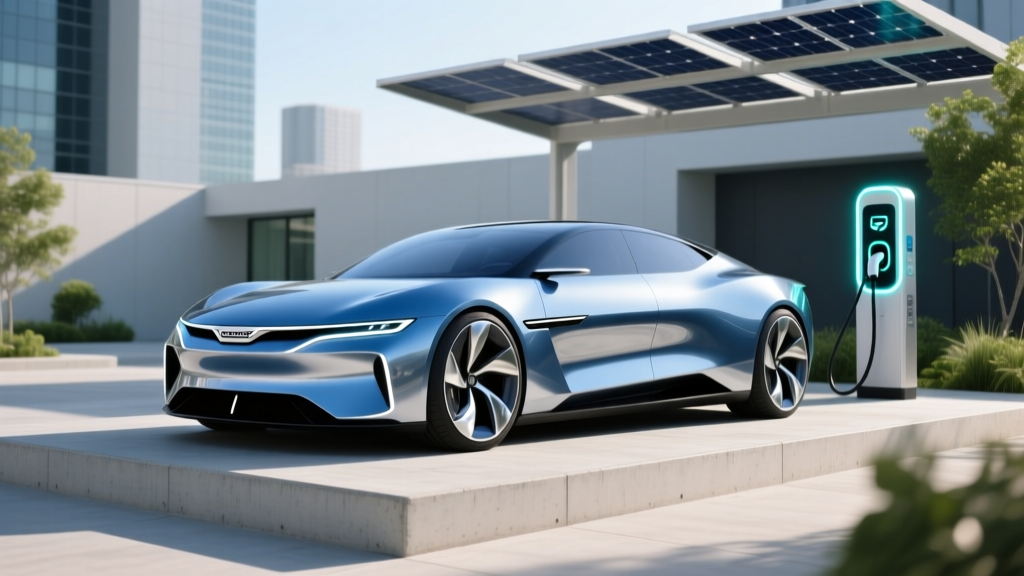
The Chrysler Halcyon Concept is the clearest signal of where the brand is headed. First shown in early 2024, the concept features:
- A low-slung sedan silhouette with active aerodynamics
- STLA Large platform underpinnings
- Lithium-sulfur battery chemistry (announced) — though production may shift to NMC or LFP cells for cost and supply-chain reasons
- 800-volt electrical architecture for fast DC charging
- Level 4 autonomous capability (in concept form; production will likely ship with Level 2+ ADAS)
- Wireless inductive charging capability (concept feature)
Stellantis has confirmed that a production Chrysler EV based on this vision is in development, but no firm on-sale date, final specs, or pricing has been published as of Q1 2026. Industry analysts project a reveal in late 2026 with deliveries beginning in 2027.
Projected Specs: What We Know About the STLA Large Platform
While the production Chrysler EV's exact numbers remain under wraps, the STLA Large platform gives us reliable estimates. The Dodge Charger Daytona — the first STLA Large EV in production — provides a strong reference point for what a Chrysler sedan on the same bones might deliver.
| Specification | Dodge Charger Daytona Scat Pack (2025) | Estimated Chrysler EV Sedan |
|---|---|---|
| Platform | STLA Large | STLA Large |
| Battery (usable) | 93.9 kWh (NMC) | 85–110 kWh (est.) |
| EPA Range | 260–317 mi | 350–420 mi (est., aero-optimized) |
| Drivetrain | AWD, dual motor | RWD or AWD options |
| Horsepower | 670 hp | 350–500 hp (est.) |
| 0–60 mph | 3.3 sec | 4.5–5.5 sec (est.) |
| DC Fast Charge Peak | ~175 kW | 200–250 kW (800V, est.) |
| 10–80% DC Charge | ~27 min | 18–25 min (est.) |
| Level 2 (AC) Charge | 11 kW onboard | 11–19 kW (est.) |
| Starting MSRP | $73,990 | $50,000–$60,000 (est.) |
Real-World Range Reality: The Dodge Charger Daytona's EPA-estimated 317 miles (R/T trim, smaller wheels) drops to roughly 240–260 miles at sustained 75 mph highway speeds, and cold-weather operation (below 32°F) can reduce range by an additional 20–30%. A Chrysler sedan with better aerodynamics (lower drag coefficient) should outperform the Charger on the highway, but expect real-world figures 10–15% below any eventual EPA sticker.
EV vs. Gas vs. PHEV: The Chrysler Buyer's Dilemma Today
If you're a current Chrysler buyer — perhaps coming from a 300 sedan or Pacifica — you face a real choice. Do you wait for Chrysler's EV, buy a competitor's EV now, or stick with a plug-in hybrid like the Pacifica PHEV?
| Factor | Est. Chrysler EV (2027+) | Tesla Model 3 LR (2026) | Chrysler Pacifica PHEV (2026) | Toyota Camry (Gas, 2026) |
|---|---|---|---|---|
| Starting MSRP | ~$55,000 | $47,740 | $51,095 | $30,495 |
| EPA Range / MPG | ~400 mi (est.) | 363 mi | 32 mi EV + 30 MPG gas | 32 MPG combined |
| Fuel/Energy Cost (5 yr, 75K mi) | ~$3,750 | ~$3,400 | ~$5,800 | ~$8,900 |
| Maintenance (5 yr) | ~$1,800 | ~$1,700 | ~$3,200 | ~$3,600 |
| Federal Tax Credit (§30D) | TBD (sourcing unknown) | $0 (phaseout/battery sourcing) | $7,500 (if eligible) | $0 |
| Estimated 5-Yr Total Cost | ~$60,550 | ~$52,840 | ~$60,095 | ~$43,000 |
Key takeaway: The Chrysler EV, if priced around $55,000 with competitive range, would sit in a challenging position against the established Tesla Model 3 Long Range and the upcoming Hyundai Ioniq 6 refresh — unless Chrysler differentiates heavily on interior luxury, ride comfort, and brand loyalty. The Pacifica PHEV remains the only electrified Chrysler you can actually buy today.
Federal Tax Credit: What Chrysler EV Buyers Need to Know
The §30D Clean Vehicle Credit offers up to $7,500 for qualifying new EVs, but eligibility is anything but guaranteed — especially for a vehicle not yet in production.
- MSRP Cap: Sedans must be under $55,000 MSRP to qualify (vans/SUVs/trucks: $80,000). If Chrysler prices its EV sedan above $55,000, buyers lose the credit entirely.
- Income Limits: Buyer AGI must not exceed $150,000 (single), $225,000 (head of household), or $300,000 (joint filing).
- Battery Sourcing: Battery components must be manufactured or assembled in North America (phasing percentages increase yearly). Critical minerals must be sourced from the U.S. or FTA partners.
- Point-of-Sale Transfer: Qualified buyers can transfer the credit to the dealer at purchase, reducing the purchase price directly rather than waiting for tax filing.
Because Stellantis has not disclosed the battery supplier or cell chemistry for the production Chrysler EV, tax credit eligibility is entirely unknown. If Stellantis uses CATL or other Chinese-sourced cells, the vehicle will likely fail the critical-minerals requirement. Per the IRS §30D guidelines, buyers should verify eligibility on the official IRS qualified vehicles list before placing a deposit.
Real-World Ownership Considerations for a Future Chrysler EV
Beyond specs and pricing, first-time EV buyers — especially those loyal to the Chrysler brand — should weigh these practical factors:
Home Charging Access
A Level 2 home charger (240V, 40–48 amps) is essential for convenient daily EV ownership. Installation typically costs $800–$2,500 depending on panel capacity, conduit run length, and local permitting. If your home has a 100-amp electrical panel, a $2,000–$4,000 panel upgrade to 200 amps may be required. Without reliable home charging, public DC fast-charging costs run $0.30–$0.55/kWh — roughly double the cost of home charging at $0.13–$0.18/kWh (national average).
Climate and Range Impact
If you live in the upper Midwest, Northeast, or Mountain West, expect 20–35% range reduction in sub-freezing temperatures. The STLA Large platform is expected to include a heat pump (standard on most 2025+ EVs), which mitigates but doesn't eliminate cold-weather losses. A 400-mile EPA estimate could mean 260–300 real-world winter miles on the highway.
Charging Infrastructure
Stellantis has not announced a dedicated charging network partnership for Chrysler EVs. However, the STLA Large platform is expected to support the NACS (Tesla) connector natively or via adapter, granting access to over 20,000 Supercharger stalls nationwide. This is critical — Electrify America and other CCS networks still lag in reliability metrics compared to Tesla's network.
Driving Patterns
If your daily commute is under 60 miles round-trip with home charging, any modern EV (including a future Chrysler) will work seamlessly. If you regularly drive 300+ miles between charging stops or tow, you'll need to plan around DC fast-charging infrastructure — and charging curves matter. Peak charge rates (e.g., 250 kW) are sustained only between roughly 10–50% state of charge, tapering significantly above 80%.
Should You Wait or Buy Now? A Decision Framework
Wait for the Chrysler EV if:
- You're a Chrysler loyalist who wants the brand's design language, dealership network, and ride quality in an electric sedan
- Your current vehicle has 18+ months of useful life left
- You prioritize rear-seat comfort and a traditional luxury-sedan experience over tech-first brands
- You have home charging installed or planned
Buy a competitor EV now if:
- You need a vehicle within the next 6–12 months
- You want proven reliability data and real-world range validation
- Tax credit eligibility is important to your budget (current Model 3 RWD and certain GM/Hyundai models may still qualify depending on sourcing updates)
- You want access to established service networks with EV-trained technicians
Consider the Pacifica PHEV if:
- You need a minivan now and want 32 miles of electric-only range for school runs and errands
- You lack reliable home Level 2 charging (PHEVs are far more forgiving on Level 1 / 120V)
- You take frequent long road trips where charging infrastructure is sparse
Common Misconceptions About Chrysler's EV Plans
| Myth | Fact |
|---|---|
| "Chrysler already sells an electric car." | Chrysler sells no battery-electric vehicle as of 2026. The Pacifica Hybrid is a plug-in hybrid (PHEV) with 32 miles of electric range and a gas engine backup. |
| "The Halcyon is available to order." | The Halcyon is a concept vehicle. No production version is available for order or reservation. Final specs, pricing, and timing remain unconfirmed. |
| "All Stellantis EVs share the same battery." | The STLA Large platform supports multiple battery pack sizes and chemistries. The Dodge Charger Daytona uses a 93.9 kWh NMC pack, but Chrysler's sedan could use a different configuration optimized for range over performance. |
| "It will definitely get the $7,500 tax credit." | Tax credit eligibility depends on battery sourcing, MSRP, and buyer income — none of which are confirmed for the Chrysler EV. The $55,000 sedan MSRP cap is a particular risk. |
| "Chrysler's EV will charge faster than a Tesla." | While 800V architecture enables fast charging, real-world charge speed depends on thermal management, battery chemistry, and charger availability. Peak kW numbers don't tell the full story — the 10–80% time and sustained charge curve matter more. |
What First-Time EV Buyers Should Know Before Waiting
If this is your first EV purchase, waiting for an unproven vehicle from a brand with no EV production history carries real risk. Consider these factors:
- Depreciation uncertainty: EVs from new-to-electric brands often suffer steeper first-year depreciation than established EV makers. Without reliability data, resale value is a gamble.
- Service network readiness: Chrysler dealerships will need EV-specific training, diagnostic tools, and high-voltage safety equipment. Early adopters sometimes face long service wait times at dealers still ramping up.
- Software maturity: First-year EVs from legacy automakers frequently launch with software bugs in infotainment, charging management, and ADAS features that take OTA updates (or service visits) to resolve.
- Insurance costs: EV insurance premiums run 15–25% higher than comparable gas vehicles due to repair costs and parts availability. A new, low-volume Chrysler EV may carry even higher premiums initially.
For buyers who want to support the brand but minimize risk, waiting 12–18 months after launch — when early-owner feedback is available and software matures — is a sound strategy.
Chrysler EV Vehicles: Frequently Asked Questions
When will the Chrysler EV be available to buy?
Stellantis has not confirmed a firm on-sale date. Industry projections suggest a late-2026 reveal with customer deliveries beginning in 2027. Until a production-spec vehicle is shown with confirmed pricing, treat all timelines as estimates.
How much will the Chrysler EV cost?
No official pricing has been published. Based on STLA Large platform positioning and competitive analysis, expect a starting MSRP in the $50,000–$60,000 range for a base rear-wheel-drive model, with AWD and higher-output variants reaching $65,000–$70,000. This is critical because the §30D tax credit caps sedan eligibility at $55,000 MSRP.
Will the Chrysler EV use the NACS (Tesla) connector?
Stellantis has indicated that future STLA-platform vehicles will adopt NACS, but this is not confirmed for the Chrysler sedan specifically. If it launches with CCS, a NACS adapter (similar to Ford and GM's approach) is likely. Verify connector type before purchasing any home charging equipment.
What battery chemistry will Chrysler use?
The Halcyon Concept referenced lithium-sulfur cells, but this chemistry is not yet viable for mass production. Expect the production vehicle to use either NMC (nickel manganese cobalt) for energy density or LFP (lithium iron phosphate) for cost and longevity. LFP offers 3,000+ charge cycles with minimal degradation but lower energy density; NMC provides more range per kWh but degrades faster and relies on cobalt supply chains.
Is the Chrysler Pacifica Hybrid an EV?
No. The Pacifica Hybrid is a plug-in hybrid (PHEV) with a 16 kWh battery providing 32 miles of electric-only range, backed by a 3.6L V6 gasoline engine. It's an excellent bridge vehicle for families who want electric commuting with gas-powered road-trip flexibility, but it is not a battery-electric vehicle (BEV).
Should I put down a deposit on the Chrysler EV?
As of 2026, no official reservation or deposit program has been announced. Be cautious of any third-party site claiming to accept deposits. Wait for Chrysler's official channels and only commit funds when final specs, pricing, and delivery timelines are confirmed.
Sources: Stellantis/Chrysler Official, IRS §30D Clean Vehicle Credit, EPA Fuel Economy (Dodge Charger Daytona reference data).