The Quick Answer on the Chrysler Airflow
The Chrysler Airflow concept was unveiled in 2022 as a vision for Chrysler's electric future, but as of early 2026, no production version of the Chrysler Airflow has been released or officially confirmed for sale. Chrysler's parent company Stellantis has pivoted its EV strategy multiple times, and the Airflow nameplate remains in concept/announced status. If you're searching for a Chrysler electric vehicle today, there is no BEV currently in showrooms. Buyers interested in a two-row electric crossover in the $45,000–$55,000 range should evaluate currently available alternatives like the Hyundai Ioniq 5, Ford Mustang Mach-E, or Tesla Model Y while monitoring Chrysler's official announcements for any production revival of the Airflow or a successor nameplate.
What Happened to the Chrysler Airflow Concept?
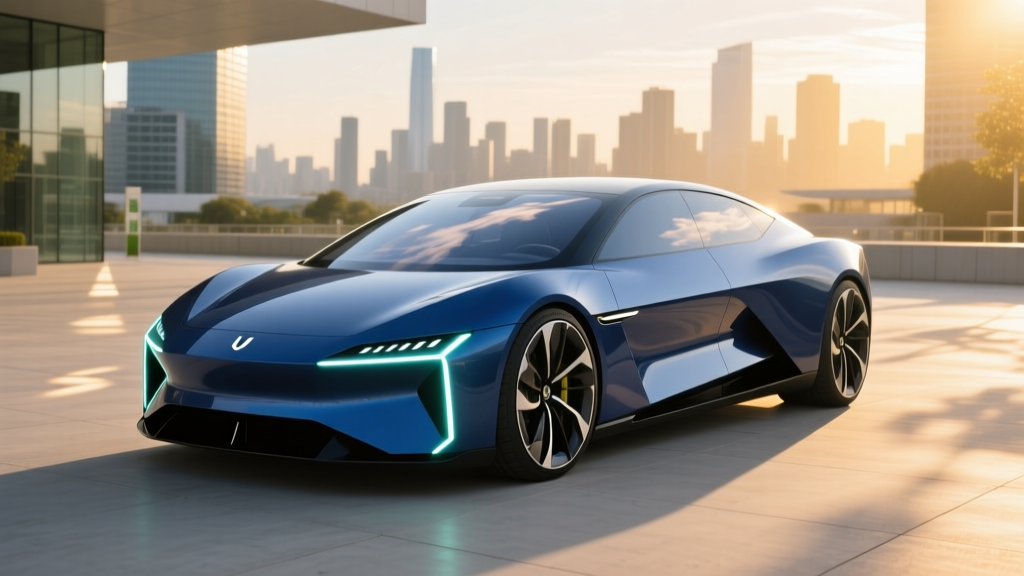
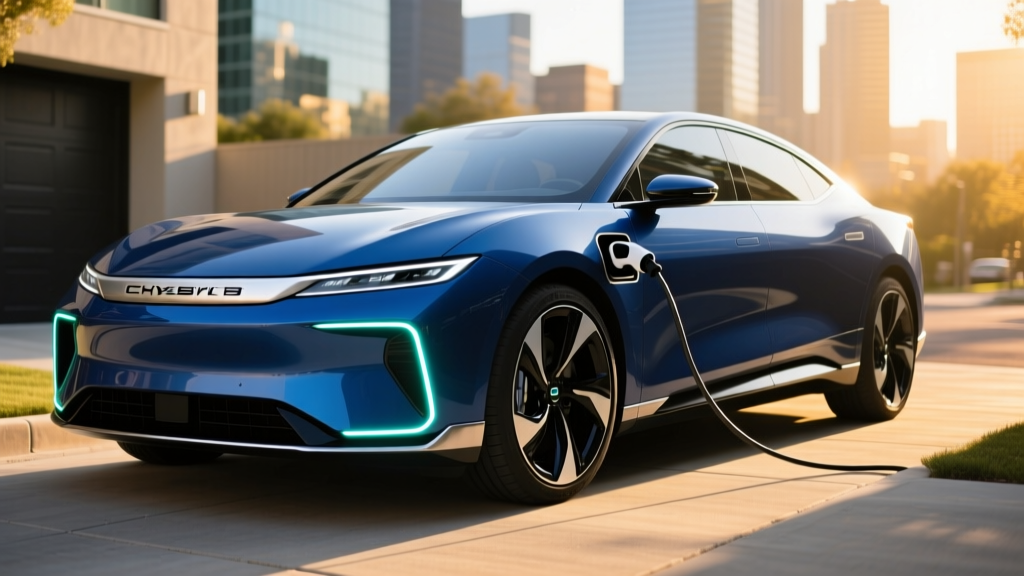
The Chrysler Airflow Concept debuted at CES 2022 with dual-motor all-wheel drive, an estimated 350–400 miles of range, and a design language Chrysler called its "electric renaissance." It sat on Stellantis's STLA Large platform, which supports battery packs from roughly 85 to 120 kWh. However, Stellantis has since reshuffled its EV roadmap several times. The Airflow nameplate was effectively shelved as the company redirected investment toward other brands and platforms. As of 2026, Chrysler has signaled it will launch its first production EV, but the badge name, final specs, and timeline remain unconfirmed.
This matters for buyers: if you've been tracking the Airflow hoping to purchase one, you'll need to look at what's actually available now or wait with no guaranteed delivery date. Below, we analyze what a production Airflow—or its eventual replacement—would need to compete in today's midsize electric crossover segment, using the concept's projected specs alongside real, purchasable rivals.
Projected Specs vs. Real Competitors: The Numbers
Based on the STLA Large platform and the 2022 concept disclosures, here's how a hypothetical production Airflow would stack up against two segment leaders you can actually buy in 2026.
| Spec | Chrysler Airflow (Concept/Projected) | Hyundai Ioniq 5 Limited AWD (2026) | Ford Mustang Mach-E Premium AWD (2026) |
|---|---|---|---|
| EPA Range (est.) | ~350–400 mi (unverified) | 290 mi (EPA) | 320 mi (EPA) |
| Battery Capacity | ~100 kWh (NMC, est.) | 84 kWh (NMC) | 91 kWh (NMC) |
| Peak DC Fast Charge | ~150–200 kW (est.) | 240 kW | 150 kW |
| 10–80% Charge Time | ~30–35 min (est.) | ~18 min | ~36 min |
| Level 2 Charge Rate | ~11 kW (est.) | 10.9 kW | 10.5 kW |
| Horsepower | ~400 hp (dual motor, est.) | 320 hp | 312 hp |
| 0–60 mph | ~5.0 sec (est.) | 4.5 sec | 5.1 sec |
| Starting MSRP | Not announced | $52,600 | $48,995 |
| Drivetrain | AWD (dual motor) | AWD (dual motor) | AWD (dual motor) |
| Battery Warranty | Unknown | 10 yr / 100,000 mi | 8 yr / 100,000 mi |
Real-world range note: Any projected 350–400 mile EPA figure for the Airflow should be taken with skepticism. Real-world highway driving at 70+ mph typically reduces EPA range by 15–25%, and cold-weather operation (below 32°F) can cut range by 20–30% in EVs without robust heat-pump thermal management. Even if the Airflow hit 375 miles EPA, expect roughly 280–310 miles on a winter highway trip.
EV vs. Gas Crossover: What Would Ownership Actually Cost?
Since the Airflow isn't purchasable, let's run the ownership math on a comparable electric crossover (using the Ioniq 5 as a stand-in) versus the gas-powered Chrysler Pacifica or a similar midsize crossover like the Toyota Highlander, to answer the question most Airflow searchers really have: would going electric save me money?
| Cost Factor (5-Year Estimate) | EV Crossover (e.g., Ioniq 5 AWD) | Gas Crossover (e.g., Toyota Highlander AWD) |
|---|---|---|
| Purchase Price (MSRP) | $52,600 | $43,070 |
| Federal Tax Credit (§30D) | Up to $7,500 (eligibility varies) | $0 |
| Effective Purchase Price | ~$45,100 | $43,070 |
| Fuel/Energy (75,000 mi total) | ~$3,750 (home charging at $0.14/kWh) | ~$9,375 (26 MPG avg, $3.25/gal) |
| Maintenance (5 yr) | ~$1,500 | ~$3,500 |
| Insurance (5 yr avg) | ~$11,000 | ~$9,000 |
| Total 5-Year Cost | ~$61,350 | ~$64,945 |
The EV comes out ahead by roughly $3,500–$4,000 over five years, primarily driven by fuel and maintenance savings. However, this assumes consistent home Level 2 charging access. If you rely entirely on public DC fast charging at $0.35–$0.50/kWh, your energy cost jumps to $7,500–$10,000 over 75,000 miles, erasing most of the advantage.
Federal Tax Credit: What You Actually Need to Know
The IRS §30D Clean Vehicle Credit offers up to $7,500 for qualifying new EVs, but eligibility hinges on several moving targets:
- MSRP Cap: SUVs, vans, and pickups must be priced at or below $80,000; sedans at or below $55,000.
- Buyer Income Limits: Modified adjusted gross income cannot exceed $300,000 (joint), $225,000 (head of household), or $150,000 (single).
- Battery Sourcing: Critical minerals and battery components must meet escalating domestic/free-trade sourcing thresholds that tighten each year through 2030.
- Point-of-Sale Transfer: As of 2024+, you can transfer the credit to the dealer for an immediate price reduction at purchase, rather than waiting to claim it on your tax return.
For any future Chrysler Airflow production model, §30D eligibility would depend on where Stellantis sources its battery cells and minerals—information that won't exist until a production vehicle is certified. Always verify current-year rules at fueleconomy.gov before committing to a purchase.
Real-World Ownership: What First-Time EV Buyers Must Plan For
Home Charging Access Is Non-Negotiable for Savings
A Level 2 home charger (240V, 32–48 amps, delivering 7.7–11.5 kW) adds roughly 25–37 miles of range per hour of charging. For a 100 kWh battery, a full 0–100% charge takes about 9–13 hours on Level 2—ideal for overnight top-ups. Installation typically costs $800–$2,500 depending on your electrical panel's capacity and the distance from panel to charger location. If your home has a 100-amp panel, you may need a $1,500–$3,000 panel upgrade to 200 amps to safely support a 48-amp EV charger.
Cold Climate? Expect Range Loss
EV batteries lose efficiency in cold temperatures. Without preconditioning (warming the battery before driving or charging), expect 20–30% range reduction in sub-freezing conditions. A production Airflow with a heat pump would mitigate cabin energy draw, but the battery chemistry itself still suffers in cold. If you live in the upper Midwest or Northeast, plan your road trips around a 70% effective-range assumption in winter.
Public Charging Reliability Varies
Networks like Electrify America, EVgo, and ChargePoint have expanded, but uptime and payment reliability remain inconsistent in many regions. NHTSA and J.D. Power surveys consistently show that public charging satisfaction lags behind home charging. For the best experience, map your common routes using PlugShare or A Better Routeplanner and identify reliable stations before you need them.
Common Misconceptions About Waiting for the Airflow
| Myth | Fact |
|---|---|
| "The Airflow is coming soon; I should wait." | As of 2026, no production date, pricing, or final specs have been announced. Stellantis has not confirmed the Airflow nameplate for production. |
| "Concept specs are what I'll get." | Concept vehicles frequently overstate range, understate pricing, and feature design elements that don't survive production engineering. The 400-mile estimate was never EPA-verified. |
| "Any EV from Chrysler will qualify for the $7,500 credit." | Credit eligibility depends on battery sourcing, MSRP, and buyer income—not just the brand. Stellantis's supply chain will determine this per model. |
| "I'll save money no matter how I charge." | Public DC fast charging at $0.40+/kWh can cost as much per mile as a 30-MPG gas car. Savings require consistent access to lower-cost home or workplace charging. |
| "EV batteries need replacing every few years." | Modern NMC and LFP batteries are warrantied for 8–10 years / 100,000+ miles with a minimum 70% capacity retention threshold. Data shows most packs lose only 10–15% capacity over 150,000 miles. |
Decision Framework: Should You Wait or Buy Now?
Choose to Buy an Available EV Now If:
- You need a vehicle within the next 3–6 months.
- You want verified EPA range, confirmed §30D tax credit eligibility, and established service infrastructure.
- You've identified a specific model (Ioniq 5, Mach-E, Model Y, EV6) that meets your range, cargo, and budget requirements.
- You have home Level 2 charging access or can install it.
Choose to Wait for Chrysler's EV Plans If:
- Your current vehicle has 2+ years of reliable life remaining.
- You're specifically loyal to the Chrysler brand and want to see their production offering.
- You're comfortable with no guaranteed timeline, specs, or pricing.
- You want to see how STLA Large platform vehicles from other Stellantis brands (Je Wagoneer S, Dodge Charger Daytona EV) perform in the market first.
Frequently Asked Questions
Is the Chrysler Airflow available to buy in 2026?
No. The Chrysler Airflow remains a concept vehicle as of early 2026. Stellantis has not announced a production version, release date, or pricing. Chrysler has indicated it will produce an EV, but the nameplate and specs are unconfirmed.
What platform would a production Airflow use?
The concept was built on Stellantis's STLA Large platform, which supports battery packs from approximately 85 to 120 kWh and dual-motor AWD configurations. This platform also underpins the Jeep Wagoneer S and is designed for vehicles in the midsize to large crossover and sedan segments.
How does the Airflow's projected range compare to what's available now?
The concept's claimed 350–400 mile range would be competitive with the longest-range EVs on the market, such as the Lucid Air (up to 516 mi EPA) and Tesla Model S (402 mi EPA). However, concept range figures are not EPA-verified, and real-world highway and cold-weather driving would reduce that number significantly.
What's the best electric crossover I can buy today instead?
For a balance of range, charging speed, and value, the Hyundai Ioniq 5 (290 mi EPA, 240 kW peak charging, ~$47,000 after potential credit) and the Tesla Model Y Long Range (~330 mi EPA, ~$44,990) remain strong segment leaders. The Ford Mustang Mach-E and Kia EV6 are also compelling depending on your design and tech preferences.
Will Chrysler ever release an EV?
Chrysler has stated its intent to go all-electric by 2028 under Stellantis's Dare Forward 2030 plan. However, timelines have shifted multiple times, and specific model announcements remain forthcoming. Monitor Chrysler's official channels and Stellantis press releases for updates.