The Short Answer on China EV Companies for U.S. Buyers
As of 2026, major China EV companies — including BYD, NIO, Xpeng, Li Auto, Zeekr, and Leapmotor — do not sell passenger vehicles directly to U.S. consumers. A combination of 100%+ cumulative tariffs, federal data-security scrutiny, and the absence of a U.S. dealer or service network means you cannot walk into an American showroom and buy a BYD Seal or NIO ET7 today. However, Chinese-made EVs do reach U.S. driveways indirectly: Volvo's EX30 (built in China by Geely-owned plants) and Polestar models are sold here, and several Chinese brands operate in Canada, Mexico, and Europe. For U.S. shoppers researching China EV companies, the practical question is whether to wait for market entry or choose from the growing roster of alternatives already on American soil.
Why China EV Companies Aren't Selling in the U.S. Yet
China produces more than 60% of the world's electric vehicles, and brands like BYD briefly surpassed Tesla in global BEV deliveries. The technology is real: BYD's Blade Battery (LFP chemistry) has demonstrated exceptional thermal stability in nail-penetration tests, and NIO's battery-swap stations can exchange a depleted pack for a full one in under five minutes. So why the U.S. absence?
Three structural barriers explain the gap:
- Tariffs: The U.S. imposed a 100% tariff on Chinese-built EVs beginning in 2024 under Section 301, stacking on top of the standard 2.5% auto import duty. A $35,000 BYD Dolphin effectively becomes a $70,000+ car before it reaches a dealer lot — eliminating the price advantage that makes these models compelling abroad.
- Data-security and connected-vehicle rules: The U.S. Department of Commerce proposed restrictions in 2024 on connected vehicles using Chinese or Russian hardware and software, with compliance deadlines targeting model year 2027 for software and 2029 for hardware. China EV companies would need to rebuild their vehicle software stacks for the U.S. market.
- Dealer and service infrastructure: Establishing a U.S. franchise network, parts distribution, and certified collision repair takes years and billions of dollars. Even Tesla took a decade to build its service footprint.
What China EV Companies Offer Abroad: Specs That Turn Heads
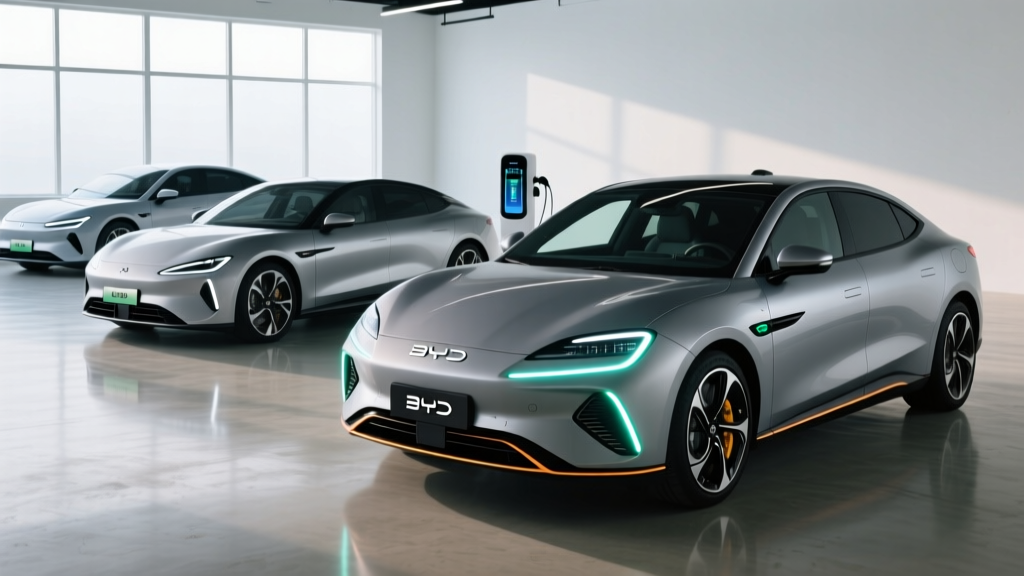
To understand the buzz, here are representative specs from models China EV companies sell in Europe, Southeast Asia, and Latin America. These figures are from manufacturer announcements and WLTP testing (which tends to run 10–15% higher than U.S. EPA estimates).
| Brand / Model | Battery (kWh, chemistry) | WLTP Range | Peak DC Charge (kW) | 10–80% Time | 0–100 km/h | Approx. Int'l Price |
|---|---|---|---|---|---|---|
| BYD Seal (RWD) | 82.5 kWh, LFP Blade | 570 km (354 mi) | 150 kW | ~26 min | 5.9 sec | €45,000 / ~$49,000 |
| BYD Dolphin | 60.4 kWh, LFP Blade | 427 km (265 mi) | 88 kW | ~29 min | 7.0 sec | €35,000 / ~$38,000 |
| NIO ET7 (100 kWh) | 100 kWh, NMC | 700 km (435 mi) | 180 kW | ~30 min | 3.8 sec | €69,000 / ~$75,000 |
| Xpeng G6 (LR AWD) | 87.5 kWh, NMC | 570 km (354 mi) | 280 kW (800V) | ~20 min | 3.9 sec | €45,000 / ~$49,000 |
| Zeekr 001 (LR) | 100 kWh, NMC | 620 km (385 mi) | 200 kW | ~28 min | 3.8 sec | €55,000 / ~$60,000 |
| Leapmotor C10 | 69.9 kWh, LFP | 420 km (261 mi) | 80 kW | ~30 min | 7.9 sec | €36,000 / ~$39,000 |
Note: WLTP ranges above are typically 10–15% higher than EPA equivalents. A BYD Seal rated at 354 mi WLTP would likely earn an EPA sticker around 300–315 mi if sold in the U.S. Cold-weather and sustained-highway driving can reduce real-world range another 15–25%.
How Chinese-Made EVs Compare to U.S.-Available Alternatives
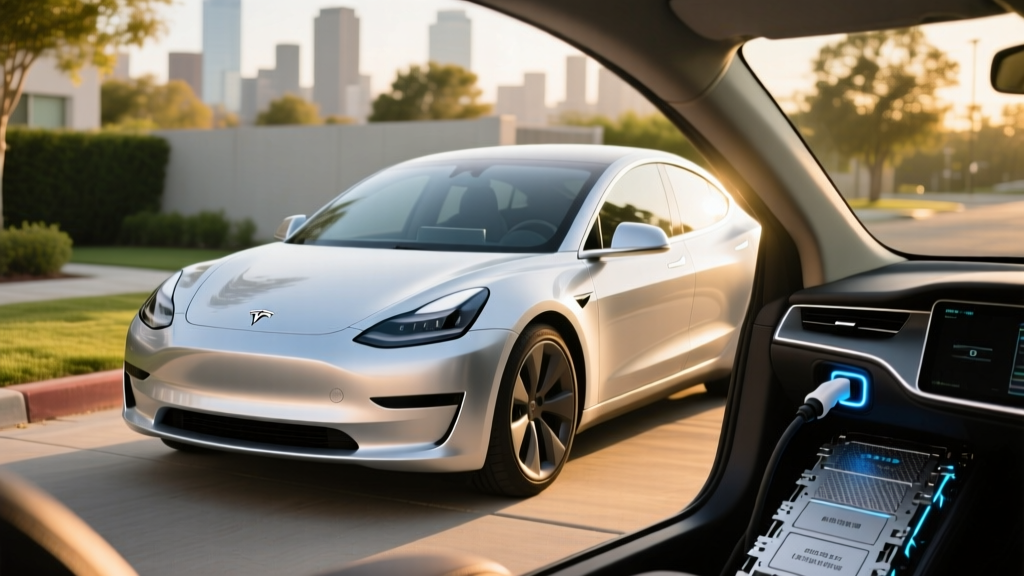
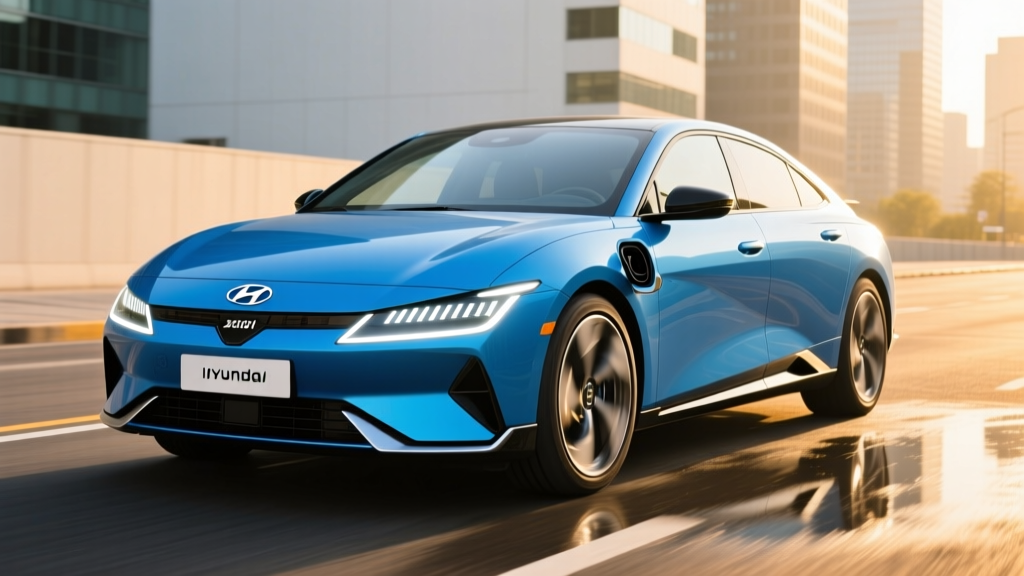
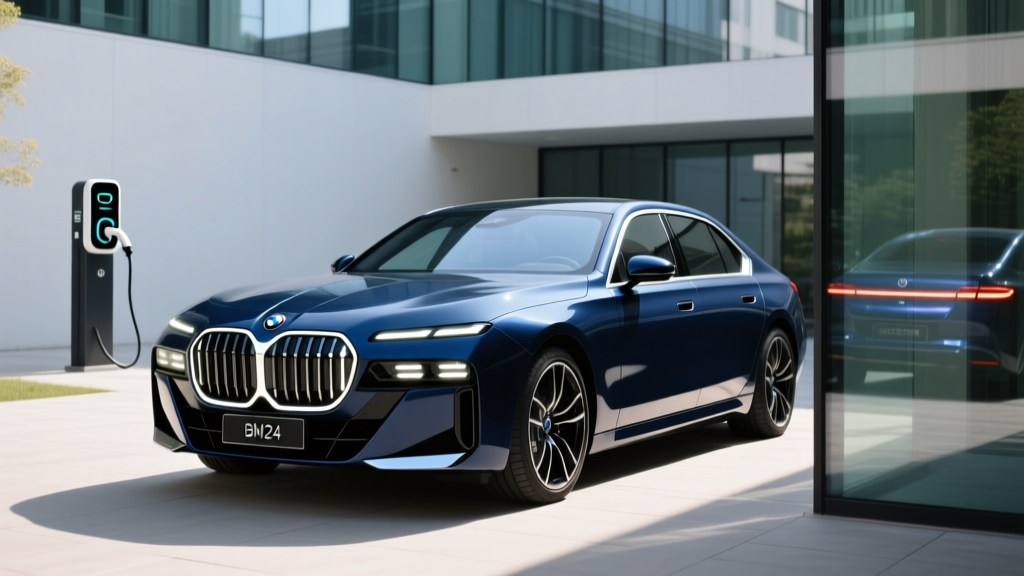
If you're drawn to China EV companies because of their value proposition, here's how the closest U.S.-market competitors stack up on price, range, and charging speed. All figures are EPA or manufacturer-confirmed for 2025–2026 model years.
| Metric | BYD Seal (Int'l) | Tesla Model 3 LR (U.S.) | Hyundai Ioniq 6 LR (U.S.) | BMW i4 eDrive40 (U.S.) |
|---|---|---|---|---|
| EPA / WLTP Range | 354 mi (WLTP) | 341 mi (EPA) | 361 mi (EPA) | 307 mi (EPA) |
| Usable Battery | 82.5 kWh LFP | 75 kWh NMC | 77.4 kWh NMC | 81.5 kWh NMC |
| Peak DC Charge | 150 kW | 250 kW | 233 kW | 205 kW |
| 10–80% Time | ~26 min | ~25 min | ~18 min | ~31 min |
| 0–60 mph | ~5.5 sec | 4.2 sec | 5.1 sec | 5.5 sec |
| Base MSRP (U.S. equiv.) | ~$49,000 (int'l) | $44,130 | $42,450 | $52,200 |
The takeaway: U.S.-market vehicles already match or beat China EV company models on charging speed (Hyundai's 800V architecture is class-leading) and driver-assist technology. Where Chinese brands win is interior material quality at a given price point and, in some cases, LFP battery longevity. But once the 100% tariff is applied, the price advantage inverts entirely.
The Indirect Route: Chinese-Built EVs You Can Actually Buy in the U.S.
A handful of vehicles assembled in China by Western or Western-owned brands are sold in the U.S. — and they're subject to the same 100% tariff, which is reflected in their pricing:
- Volvo EX30: Built in Geely's Zhangjiakou plant (and shifting to Ghent, Belgium for some markets). U.S. MSRP starts around $36,000 before tariff adjustments; check Volvo's current pricing as production sourcing evolves. EPA range: ~265 mi (single motor, 69 kWh NMC).
- Polestar 4: Geely-owned Polestar manufactures in Hangzhou Bay, China, with production diversifying to South Korea and Europe. U.S. availability and pricing fluctuate based on tariff strategy; consult Polestar's U.S. site for current status.
- Lincoln Nautilus (hybrid): Assembled in Hangzhou — yes, a Chinese-built vehicle sold by Ford's luxury brand. The hybrid variant is not a BEV but demonstrates that tariff structures differ for non-electric and hybrid imports.
Real Costs and Savings: What U.S. Buyers Actually Spend
Whether you choose a Tesla, Hyundai, or wait for a hypothetical BYD entry, EV ownership economics follow a consistent framework. Here's a 5-year cost comparison for a typical U.S.-available mid-size EV sedan versus a comparable gasoline vehicle, assuming 15,000 miles/year.
| Category | Mid-Size EV (e.g., Tesla Model 3) | Mid-Size Gas Sedan (e.g., Toyota Camry) |
|---|---|---|
| Purchase Price (MSRP) | $44,130 | $30,000 |
| Federal Tax Credit (§30D) | Up to $7,500 (eligibility varies — see IRS) | $0 |
| Effective Purchase | ~$36,630 | $30,000 |
| Fuel / Electricity (5 yr) | ~$3,750 (home charging at $0.14/kWh, 4 mi/kWh) | ~$11,250 (30 MPG, $3.75/gal) |
| Maintenance (5 yr) | ~$1,500 (no oil changes, less brake wear) | ~$3,500 |
| Insurance (5 yr avg.) | ~$12,000 (EV premiums run 15–25% higher) | ~$9,500 |
| Estimated Depreciation | ~$18,000 | ~$12,000 |
| 5-Year Total | ~$71,880 | ~$66,250 |
EVs still carry a slight total-cost premium over gas cars at the 5-year mark, driven largely by higher depreciation and insurance. The gap narrows — or reverses — at higher annual mileage, in states with expensive gasoline (California, Hawaii), or when state rebates stack on top of the federal credit. Check fueleconomy.gov for model-specific efficiency data and IRS §30D rules for current credit eligibility, which depends on MSRP caps ($55,000 sedans / $80,000 SUVs), buyer income limits, and battery critical-mineral sourcing requirements.
Common Misconceptions About China EV Companies
| Myth | Fact |
|---|---|
| "Chinese EVs are low quality and unsafe." | BYD, NIO, and Xpeng models have earned 5-star Euro NCAP ratings. Build quality in 2025–2026 models rivals or exceeds legacy European brands at similar prices. |
| "They'll flood the U.S. market any year now." | The 100% tariff, connected-vehicle software restrictions, and lack of dealer infrastructure make near-term U.S. entry unlikely for most Chinese-headquartered brands. BYD executives have publicly stated the U.S. is not a near-term priority. |
| "Buying a Volvo EX30 means supporting a Chinese company." | Volvo Cars is headquartered in Gothenburg, Sweden, and majority-owned by China's Geely Holding. It operates under European engineering standards and EU/US safety regulations. The ownership structure is Chinese; the brand governance is European. |
| "Chinese LFP batteries degrade faster." | LFP chemistry actually offers longer cycle life (often 3,000+ full cycles to 80% capacity) compared to NMC (~1,500–2,000 cycles). The trade-off is lower energy density (heavier pack for the same kWh), not faster degradation. |
| "If I import one myself, I can bypass the tariff." | U.S. EPA and NHTSA compliance certification is required for every model sold or imported for road use. Grey-market importation of a non-certified vehicle is effectively impossible for modern production cars. |
Decision Framework: What Should You Actually Do?
If You're Considering a China EV Company...
- If you live in the U.S. and need a car now: Choose a U.S.-available EV with comparable specs. Hyundai/Kia (800V fast charging, 10-yr battery warranty), Tesla (Supercharger network, strong efficiency), and Ford (Mustang Mach-E, F-150 Lightning) offer proven options with service networks.
- If you're drawn to LFP battery longevity: Tesla offers LFP packs in the Model 3 RWD (~$38,990 MSRP, EPA 272 mi). BYD's Blade Battery advantage is real, but Tesla's LFP implementation is the closest U.S. equivalent.
- If you live near Canada or Mexico: BYD sells in Mexico (Dolphin, Seal, Yuan Plus) and has announced Canadian plans. Cross-border purchase and U.S. registration of a non-EPA-certified vehicle is not legally viable for road use — don't attempt it.
- If you're an investor, not a buyer: China EV companies are publicly traded (BYD on HKEX/OTC, NIO/Xpeng/Li Auto on NYSE). The investment thesis is separate from the consumer-buying question and carries distinct geopolitical risk.
- If you can wait 3–5+ years: Monitor tariff negotiations and connected-vehicle rulemaking. Some analysts expect Chinese brands to enter via local manufacturing partnerships (similar to how Toyota built U.S. plants in the 1980s). No confirmed timelines exist.
First-Time EV Buyer Essentials (Regardless of Brand Origin)
Whether you're eyeing a future BYD or buying a Hyundai Ioniq 5 today, these fundamentals apply:
- Home charging is the make-or-break factor. Level 2 home charging (240V, 7–11.5 kW) adds 25–45 miles of range per hour and costs $500–$2,000 to install if your panel supports a 50-amp circuit. Without home charging, EV ownership becomes significantly less convenient and more expensive (public DC fast charging costs $0.35–$0.50/kWh vs. $0.12–$0.18/kWh at home).
- EPA range ≠ real-world range. Expect 15–25% range reduction in sustained highway driving at 70+ mph, and 20–40% reduction in freezing temperatures. A 300-mi EPA car realistically delivers 230–260 mi on a winter road trip.
- kW vs. kWh — know the difference. kWh measures battery capacity (how much energy the tank holds). kW measures charging power (how fast the hose flows). A 75 kWh battery charged at 150 kW doesn't fill in 30 minutes — charging slows above 80% State of Charge to protect the cells.
- Battery warranties are strong. Federal law mandates 8 years / 100,000 miles minimum for EV battery warranties (10 years / 150,000 miles in CARB states). Most manufacturers guarantee 70% capacity retention at the warranty limit.
- Insurance costs more. EV premiums average 15–25% higher than equivalent gas cars due to repair costs and battery replacement risk. Get quotes before purchasing.
Frequently Asked Questions
Can I buy a BYD in the United States in 2026?
No. BYD does not sell passenger vehicles in the U.S. market. The 100% tariff on Chinese-built EVs, combined with connected-vehicle software restrictions and the absence of a dealer network, prevents direct sales. BYD sells electric buses and commercial vehicles in the U.S., but not consumer cars or SUVs.
Are NIO, Xpeng, or Li Auto available anywhere in North America?
NIO has a small presence in Norway, Germany, and the Netherlands but not North America. Xpeng sells in select European and Southeast Asian markets. Li Auto focuses on China's domestic market with EREV (extended-range electric vehicles). None have announced U.S. or Canadian retail plans as of early 2026.
Why are Chinese EVs so much cheaper in other countries?
China's EV supply chain is vertically integrated: CATL and BYD dominate global battery production, and domestic competition among ~100 EV brands drives aggressive pricing. A BYD Dolphin sells for roughly $15,000 in China. Even with shipping and moderate tariffs, it undercuts Western competitors in Europe and Southeast Asia. The U.S. 100% tariff eliminates this advantage entirely.
Should I wait for Chinese EV brands to enter the U.S.?
There is no confirmed timeline for any major Chinese-headquartered EV brand to sell directly in the U.S. If you need a vehicle within 1–3 years, waiting is not a practical strategy. The U.S. EV market already offers strong competition across price segments, with models from Tesla, Hyundai/Kia, GM, Ford, BMW, and Volkswagen.
Are Chinese-built EVs sold by Western brands (like Volvo EX30) reliable?
Volvo and Polestar apply their own quality-control standards regardless of assembly location. The EX30 and Polestar 4 are built in Chinese plants to European specifications. Reliability data for these specific models is still maturing (2–3 years of owner feedback), but Volvo's warranty and service network back them in the U.S. as with any Volvo product.
What about the data-security concerns with Chinese EVs?
The U.S. Department of Commerce's connected-vehicle rules target hardware and software with potential links to Chinese or Russian entities. The concern is that connected vehicles collect location data, camera feeds, and driver behavior that could theoretically be accessed by foreign governments. These rules affect Chinese brands directly and also influence how Western brands source components from Chinese suppliers. For consumers buying from established Western brands with U.S. dealer networks, the practical risk is mitigated by existing data-privacy compliance frameworks.
Sources: U.S. International Trade Administration tariff schedules; IRS §30D Clean Vehicle Credit; fueleconomy.gov for EPA efficiency data; manufacturer international press sites for WLTP specifications.