The Short Answer
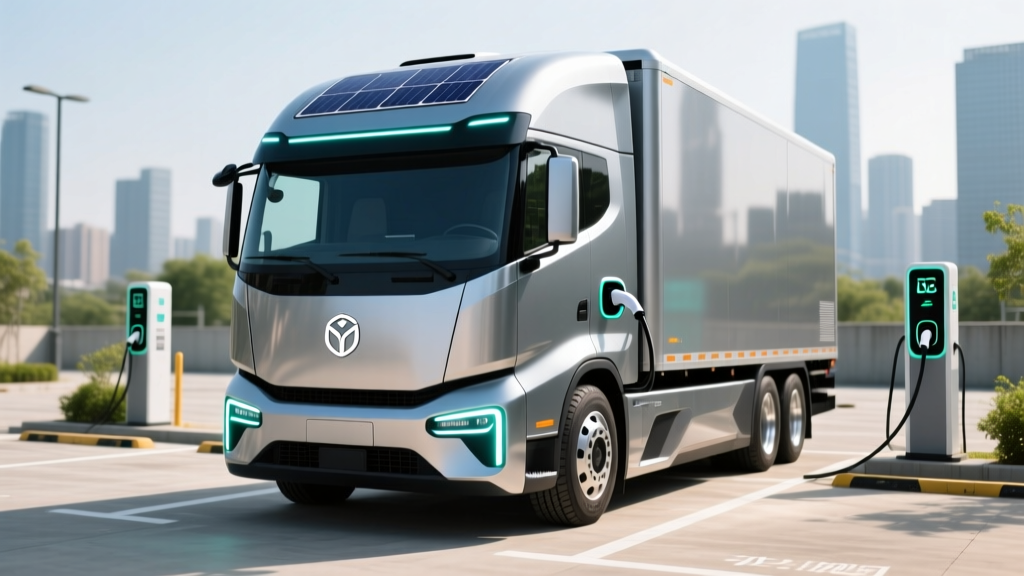
No — you cannot currently buy a street-legal, highway-capable electric truck from China for $18,000 in the United States. The viral price tag typically refers to Chinese-market micro-EVs or low-speed commercial utility vehicles (often from brands like Wuling, Kama, or smaller OEMs) that are not homologated for US road use. Between 100%+ tariffs on Chinese EVs, NHTSA safety certification requirements, and the lack of an established dealer or service network, the real landed cost for any Chinese electric truck to reach US consumers would be well above $35,000–$45,000 — if it could be imported at all.
Where the "$18,000 Electric Truck" Headline Comes From
The figure traces back to several Chinese domestic-market vehicles that went viral on social media in 2024–2025. The most commonly cited examples include:
- Wuling Mini EV-based utility conversions — small, low-power pickup variants priced around ¥90,000–¥130,000 (~$12,500–$18,000 USD), with 5–20 kW motors and ranges of 50–120 km (31–75 miles).
- Kama K22 / K32 electric micro-trucks — compact commercial vehicles sold in China for roughly ¥120,000–¥150,000 (~$16,500–$21,000 USD), often with 150–200 km NEDC range and top speeds around 80–100 km/h.
- Various Alibaba-export "electric pickup" listings — frequently shown with FOB China pricing that excludes shipping, duties, homologation, and compliance modifications.
These vehicles share common traits: they are designed for low-speed urban logistics, neighborhood delivery, or farm use in China. They do not meet US Federal Motor Vehicle Safety Standards (FMVSS), lack airbags rated to NHTSA specifications, and have no crash-test data recognized by the National Highway Traffic Safety Administration.
Why You Can't Just Import One
US vehicle import law is strict. To register and insure a vehicle for road use, it must either:
- Be manufactured by a company that has certified the model to all applicable FMVSS standards, or
- Be imported under the "Show or Display" exemption (limited to 2,500 miles/year, not applicable to trucks), or
- Be at least 25 years old (irrelevant for new EVs).
There is also the tariff wall. As of 2026, Chinese-made electric vehicles face a combined tariff rate exceeding 100% under Section 301 trade actions, which effectively doubles the FOB price before shipping, port fees, and compliance modifications are even considered.
| Cost Factor | Chinese Micro-Truck (Hypothetical) | Ford Maverick Hybrid (AWD) | Rivian R1T Dual-Motor |
|---|---|---|---|
| Base MSRP / FOB Price | ~$18,000 | $29,995 | $69,900 |
| Section 301 Tariff (~100%) | +$18,000 | N/A (US-built) | N/A (US-built) |
| Shipping & Port Fees | +$3,000–$5,000 | N/A | N/A |
| FMVSS Compliance Mods | +$5,000–$15,000 (if possible) | N/A | N/A |
| Dealer/Importer Margin | +$3,000–$8,000 | Included | Included |
| Estimated Total | $47,000–$64,000 | ~$29,995–$38,000 | ~$69,900+ |
| Federal §30D Tax Credit Eligible | No (Chinese battery/sourcing) | No (hybrid, not BEV) | Partial — verify current sourcing rules |
The math is clear: even if a Chinese electric truck could clear customs and be made street-legal, the landed cost would approach or exceed that of a fully capable, warrantied, crash-tested US-market vehicle.
What US Buyers Can Actually Get in the Budget EV Truck Space
If your goal is an affordable electric or electrified truck, here is what the 2026 US market actually offers:
Ford Maverick Hybrid
Not a BEV, but the Maverick Hybrid delivers an EPA-estimated 42 MPG combined city driving and a starting MSRP around $29,995. For buyers prioritizing low operating cost and a low purchase price, it remains the most practical compact truck available. It is not eligible for the §30D federal tax credit (hybrids do not qualify), but its total cost of ownership over five years is highly competitive.
Ford F-150 Lightning (Base Pro)
Starting near $54,995 before incentives, the Lightning Pro offers an EPA-estimated 240-mile range, a 78 kWh usable battery (LFP chemistry on some trims), 150 kW peak DC fast charging (10–80% in roughly 38 minutes), and a 2,235-lb payload capacity. The §30D credit availability depends on current-year battery sourcing and MSRP caps — check the IRS clean vehicle credit page for the latest eligibility.
Chevrolet Silverado EV (4WT)
GM's entry-level electric work truck starts around $39,900 with an EPA-estimated 280-mile range and a ~85 kWh Ultium battery. Peak DC charging hits approximately 200 kW on capable chargers, reaching 10–80% in about 30 minutes. Availability has been limited to fleet buyers initially, with retail expansion ongoing through 2026.
Used EV Trucks
A 2023–2024 Rivian R1T or F-150 Lightning on the used market may fall into the $30,000–$45,000 range. The §25E used clean vehicle credit offers up to $4,000 (30% of sale price, capped) for qualified used EVs purchased from a dealer, subject to income limits and a $25,000 MSRP cap on the original vehicle.
Real-World Ownership Costs: EV Truck vs. Gas Truck
For buyers who can access a legitimate US-market electric truck, the operating cost advantage is substantial — but the upfront premium is real.
| Category | F-150 Lightning Pro (BEV) | Ford Maverick Hybrid | Ford Ranger Gas (2.3L EcoBoost) |
|---|---|---|---|
| Purchase Price (after incentives) | ~$47,500 (est. after credit) | ~$32,000 | ~$34,000 |
| Fuel / Electricity (5 years) | ~$4,500 ($0.13/kWh avg, home charging) | ~$5,200 (37 MPG, $3.20/gal) | ~$10,800 (22 MPG, $3.20/gal) |
| Maintenance (5 years) | ~$1,800 (no oil, fewer brake jobs) | ~$3,200 | ~$4,000 |
| Insurance (5-year avg) | ~$12,000 (higher EV premiums) | ~$7,500 | ~$8,000 |
| Total 5-Year Cost | ~$65,800 | ~$47,900 | ~$56,800 |
Source: Author estimates based on EPA efficiency data from fueleconomy.gov, AAA insurance averages, and national average electricity rates. Actual costs vary by state, driving pattern, and charging access.
Key takeaways: the EV truck wins decisively on fuel and maintenance, but the higher purchase price and insurance premiums narrow the gap. The Maverick Hybrid occupies a compelling middle ground — dramatically lower fuel use than a gas truck without the EV price premium.
Common Misconceptions About Cheap Chinese EVs
| Myth | Fact |
|---|---|
| "I can buy an $18,000 electric truck from Alibaba and register it in my state." | Importing a non-FMVSS-compliant vehicle for road use is illegal. Customs will seize it, or your state DMV will refuse registration. |
| "Chinese EVs are just as safe as US-market vehicles." | China's C-NCAP standards are less stringent than US FMVSS. No Chinese-market micro-truck has been crash-tested by NHTSA or IIHS. |
| "It qualifies for the $7,500 federal tax credit." | The §30D credit requires final assembly in North America and strict battery sourcing rules. Chinese-built vehicles are categorically ineligible. |
| "The range is 200 miles — same as US EVs." | Chinese micro-trucks often quote NEDC range, which is 20–30% more optimistic than the US EPA cycle. A "200 km NEDC" truck may deliver 80–100 real-world miles. |
| "I can get parts and service locally." | No US dealer network exists for these vehicles. Parts availability, warranty service, and software updates are essentially nonexistent. |
Decision Framework: What Should You Actually Buy?
Choose a Ford Maverick Hybrid if: You want the lowest total cost of ownership in a compact truck today, drive under 40 miles per day, and don't have reliable home charging access for a BEV. Expect ~$47,900 over 5 years.
Choose an F-150 Lightning or Silverado EV if: You have Level 2 home charging, drive a predictable route under 200 miles round-trip, value the fuel savings, and can absorb the higher upfront cost and insurance. Check §30D eligibility on the IRS site before committing.
Wait if: Your budget is strictly under $25,000 and you need a truck. No legitimate new electric truck exists at that price point in the US market. A used Maverick Hybrid or a conventional gas Ranger/S10 may be your best option until more affordable BEV trucks arrive post-2027.
Do NOT buy a Chinese-market micro-truck via Alibaba or grey-market importer if: You intend to drive it on public roads, need insurance, want crash protection, or expect warranty service. The savings are illusory once tariffs, compliance, and risk are factored in.
What First-Time EV Truck Buyers Should Know
If you're considering a legitimate US-market electric truck, these real-world factors matter more than any viral headline:
- Home charging is essential. Level 2 (240V, 7–11 kW) home charging costs roughly $0.10–$0.18/kWh depending on your utility. Without it, public DC fast charging at $0.35–$0.55/kWh erases most of the fuel savings.
- Range drops in cold weather. Expect 20–35% range loss below freezing. A 240-mile EPA truck may deliver 160–190 miles in a Midwest winter.
- Towing crushes range. Pulling a 5,000-lb trailer can cut EV range by 40–50%. This is physics, not a defect.
- Insurance costs more. EV trucks carry 15–30% higher premiums on average due to repair costs and battery replacement risk.
- Battery warranties are strong. Federal law mandates a minimum 8-year/100,000-mile battery warranty. Most manufacturers guarantee 70% capacity retention over that period.
Frequently Asked Questions
Will Chinese EV brands like BYD sell trucks in the US?
As of 2026, BYD has no announced plans to sell passenger vehicles or trucks in the US market. The 100%+ tariff environment makes the economics unworkable. BYD focuses on markets in Southeast Asia, Europe, Latin America, and Australia.
What's the cheapest electric truck I can actually buy in the US in 2026?
The Chevrolet Silverado EV 4WT starts near $39,900 for fleet buyers. For retail consumers, the Ford F-150 Lightning Pro at approximately $54,995 (before potential tax credits) is the most affordable full-size electric truck widely available. Compact electric trucks under $30,000 do not yet exist in the US market.
Is a low-speed electric vehicle (LSV/NEV) a legal alternative?
Neighborhood Electric Vehicles (NEVs) are street-legal on roads with speed limits up to 35 mph in many states, but they are limited to 25 mph top speed, have minimal crash protection, and are not suitable for highway driving or real truck work. They typically cost $10,000–$20,000 and are best suited for campus, retirement community, or farm use.
Can I use a grey-market importer to bring in a Chinese electric truck?
Registered Importers (RIs) can theoretically modify foreign vehicles to meet FMVSS, but the process costs $10,000–$30,000+ and there is no guarantee of approval. For a low-cost micro-truck, the compliance expense would exceed the vehicle's value. The NHTSA import guidelines outline the full process.
When will affordable electric trucks (under $30,000) reach the US?
Several manufacturers have announced sub-$30,000 electric vehicle plans for 2027–2028, but these are primarily compact cars and crossovers, not trucks. A true sub-$30K electric pickup likely won't arrive until 2028–2030 at the earliest, and may require new tariff policies or domestic manufacturing partnerships to be viable.