The Quick Answer: What to Expect from a 2-Seat Kids' Electric Car
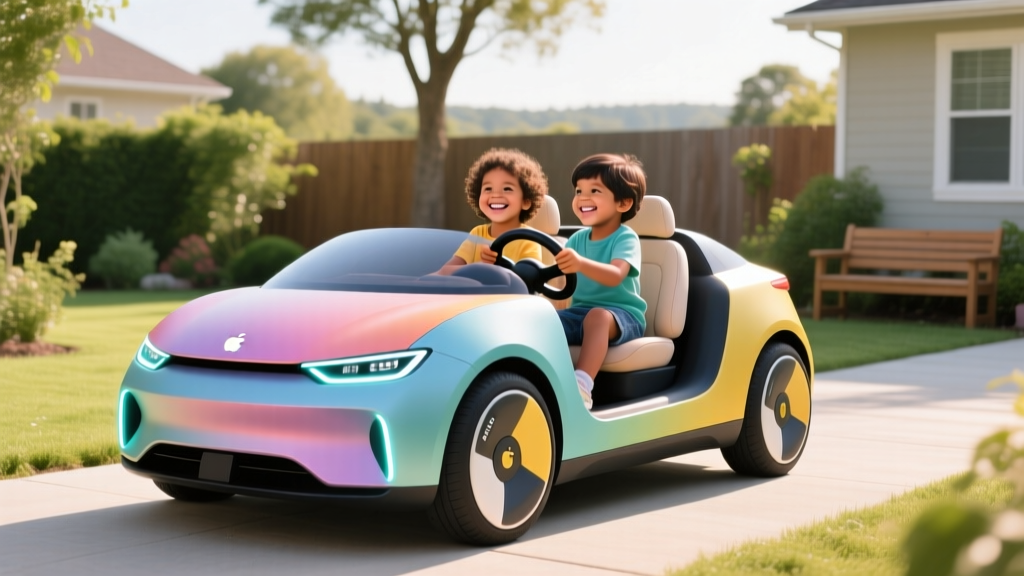
A typical 2-seat children's electric car in 2026 runs on a 12V or 24V sealed lead-acid or lithium battery, delivers 30–90 minutes of continuous run time per charge, and tops out at 3–8 mph depending on the model. Expect to spend $150–$600 for a quality unit. These are low-speed ride-on toys — not road vehicles — designed for supervised use on driveways, sidewalks, and flat lawns by children roughly ages 3–8. The two-seat configuration typically supports a combined weight limit of 80–130 lbs.
As an EV analyst who spends most of my time evaluating real electric vehicles — from the Tesla Model Y to the Hyundai Ioniq 5 — I'll be the first to say that a children's ride-on car operates on entirely different engineering principles than a full-size battery-electric vehicle. But the core concepts are the same: battery chemistry matters, voltage determines performance, and charge time versus run time is the ratio that actually determines satisfaction. If you're a parent researching a 2-seat electric car for your kids, this guide will give you the data-driven framework to pick the right one.
Battery Voltage, Chemistry, and What They Mean for Performance
The single most important spec on any children's electric car is its battery voltage. In 2026, the market breaks down into three tiers:
| Voltage | Typical Top Speed | Run Time | Charge Time | Best For | Price Range |
|---|---|---|---|---|---|
| 6V | 2–3 mph | 30–45 min | 8–12 hours | Ages 1–3, indoor/flat surfaces | $80–$180 |
| 12V | 3–5 mph | 45–90 min | 10–14 hours | Ages 3–6, driveways and sidewalks | $150–$350 |
| 24V | 5–8 mph | 40–60 min | 8–12 hours | Ages 5–8, grass and mild inclines | $300–$600+ |
Most 2-seat models use a 12V system with two motors (one per rear wheel), each rated between 25W and 55W. A 12V 12Ah battery stores roughly 144 watt-hours (Wh) of energy — for reference, that's about 0.144 kWh, or roughly 1/500th of a Tesla Model 3's battery. The math is simple: a pair of 35W motors drawing 70W total will drain a 144 Wh battery in approximately 2 hours under ideal conditions, but real-world run times are shorter due to terrain, passenger weight, and stop-start driving patterns.
Lead-Acid vs. Lithium: The Chemistry Trade-Off
Just like full-size EVs, battery chemistry defines the ownership experience. Most budget and mid-range kids' cars still use sealed lead-acid (SLA) batteries — they're heavy, cheap, and well-understood. However, 2026 has seen a growing number of 24V models ship with lithium iron phosphate (LiFePO4) packs, mirroring the LFP adoption we've seen in vehicles like the Tesla Model 3 Standard Range and the Ford Mustang Mach-E Select.
| Factor | Sealed Lead-Acid (SLA) | Lithium (LiFePO4) |
|---|---|---|
| Weight | Heavy (5–10 lbs for 12V 12Ah) | Light (2–4 lbs equivalent) |
| Cycle Life | 200–300 cycles | 800–2,000 cycles |
| Charge Time | 10–14 hours | 3–5 hours |
| Replacement Cost | $20–$40 | $60–$120 |
| Voltage Sag Under Load | Noticeable (slows on hills) | Minimal (consistent power) |
| Typical Found In | Budget/mid-range ($150–$350) | Premium ($350–$600+) |
The practical takeaway: if your kids will use the car 3+ times per week, a lithium-equipped model will last significantly more seasons before needing a battery replacement. SLA batteries also suffer from voltage sag — the car noticeably slows as the battery drains, which can frustrate kids who expect consistent performance.
Real-World Run Time vs. Sticker Claims
This is where parents get burned, and it mirrors the EPA-range-versus-real-world gap we see in full-size EVs. Manufacturers typically advertise run time under ideal conditions: flat pavement, a single lightweight rider, moderate temperature, and a fully charged new battery.
Sticker claim: "Up to 90 minutes of continuous ride time"
Real-world expectation: With two children totaling 80+ lbs on mixed terrain (grass, slight inclines, stop-start play), expect 40–60 minutes on a 12V 12Ah system. On cold days (below 50°F), SLA batteries lose 15–25% of their effective capacity — the same physics that reduce range in a full-size EV in winter.
If run time is your top priority, look for a model with a battery capacity measured in amp-hours (Ah) of 14Ah or higher, or consider buying a second battery to swap mid-session. Some 24V premium models in 2026 offer quick-disconnect battery trays specifically for this purpose.
Safety Features: What to Look For
Unlike full-size EVs regulated by NHTSA, children's ride-on cars fall under CPSC toy-safety standards. There is no mandatory crash-testing or standardized safety rating, so parental due diligence is critical. Here are the features that separate a well-designed 2-seat model from a risky one:
- Parental remote control: A 2.4 GHz remote lets you override the child's input, stop the car, or steer it away from hazards. Range is typically 50–100 feet. This is the single most valuable safety feature.
- Speed limiter / adjustable speed modes: Most 12V cars offer a "low speed" mode (2–3 mph) for beginners and a "high speed" mode (4–5 mph) for experienced riders. Some 24V models add a third tier.
- Automatic braking on pedal release: When the child lifts off the pedal, the motors should act as a brake (similar to regenerative braking in a full-size EV, but using simple dynamic braking). The car should stop within 2–4 feet from top speed.
- Seat belts: Typically a lap belt or 3-point harness. Essential for 2-seat models where kids may jostle each other.
- Soft-start technology: Prevents the car from jerking forward abruptly when the pedal is pressed — important for younger riders.
What these cars do NOT have: Airbags, crumple zones, stability control, or any form of collision protection. They are toys, not vehicles. Always supervise children during use, restrict operation to private property away from vehicle traffic, and enforce helmet use at speeds above 3 mph.
Cost Breakdown: Purchase, Charging, and Ongoing Ownership
One of the appeals of a children's electric car is the low operating cost — but the full ownership picture includes more than the sticker price.
| Cost Category | Budget (12V SLA) | Premium (24V Lithium) |
|---|---|---|
| Purchase Price | $150–$300 | $400–$600 |
| Electricity per Charge (12V, ~0.15 kWh) | ~$0.02 | ~$0.04 (24V, ~0.30 kWh) |
| Annual Charging Cost (3x/week, 40 weeks) | ~$2.40 | ~$4.80 |
| Battery Replacement (every 2–3 yrs SLA / 5+ yrs Li) | $25–$40 | $60–$120 |
| Tire / Motor Replacement (occasional) | $15–$30 | $20–$50 |
| Estimated 3-Year Total Cost of Ownership | $200–$400 | $480–$750 |
The electricity cost is essentially negligible — at the U.S. average residential rate of ~$0.16/kWh (per EIA data), a full charge of a 12V 12Ah battery costs about two cents. The real costs are the purchase price and eventual battery replacement.
Common Misconceptions — Fact vs. Fiction
| Myth | Fact |
|---|---|
| "Higher voltage always means faster." | Voltage sets the potential, but motor wattage, gearing, and weight determine actual speed. A poorly geared 24V car can be slower than a well-designed 12V model. |
| "You can leave the battery on the charger overnight safely." | SLA batteries with cheap chargers can overcharge and degrade. Use only the included charger and unplug within the recommended time (usually 12–14 hours max). Lithium models with smart BMS are more forgiving. |
| "2-seat means it fits two older kids." | Most 2-seat models are designed for two children ages 3–5. Combined weight limits of 80–130 lbs mean two 7-year-olds may exceed the rating and strain the motors. |
| "These cars work fine on grass." | 12V models with standard plastic wheels struggle on anything but short, dry grass. For lawn use, you need 24V power, larger wheels (14"+), and ideally rubber traction strips on the drive wheels. |
| "All replacement batteries are interchangeable." | Battery dimensions, terminal types, and Ah ratings vary. Always match the exact spec. Upgrading from SLA to lithium requires confirming charger compatibility. |
Decision Framework: Which 2-Seat Electric Car Is Right for Your Family?
Choose a 12V SLA model ($150–$300) if:
- Your children are ages 3–5 and will ride primarily on paved driveways or sidewalks
- Usage will be occasional (1–2 times per week)
- Flat terrain only — no significant hills or grass
- Budget is the primary concern
- You're okay with 10–14 hour charge times (charge overnight)
Choose a 24V Lithium model ($350–$600) if:
- Your children are ages 5–8 and want more speed and hill-climbing ability
- Usage will be frequent (3+ times per week) — lithium's cycle life pays off
- You need grass or mixed-terrain capability
- Faster charging (3–5 hours) matters for same-day re-use
- You want consistent power delivery without voltage sag
Skip the 2-seat configuration if:
- You only have one child under age 6 — a single-seat model is lighter, cheaper, and often has longer run time due to less weight
- Your primary use surface is thick grass or gravel — consider a 24V model with EVA foam or rubber tires instead of hard plastic
What First-Time Buyers Should Know Before Purchasing
Based on the common pitfalls I see parents encounter, here are the practical ownership realities that product listings rarely mention:
Assembly time is real. Expect 45–90 minutes of assembly with basic tools. You'll be attaching wheels, connecting motor wires to the gearbox, mounting the seat, and routing cables. Some 2026 models ship with tool-free snap-together designs, but most still require a Phillips screwdriver and a socket wrench.
Storage and weather matter. SLA batteries degrade rapidly if stored in a discharged state — always store the car with a full charge, and recharge every 4–6 weeks during off-seasons. Lithium batteries are more tolerant of storage but should still be kept above 20% state of charge. Never leave the car outdoors uncovered; UV exposure cracks plastic bodies and moisture corrodes motor connections.
The remote control is your best investment. If a model offers a parental 2.4 GHz remote as an optional add-on for $20–$40, buy it. The ability to instantly stop or steer the car from 50+ feet away prevents more accidents than any built-in safety feature.
Check replacement parts availability. Before buying, search for the specific model's replacement motors, gearboxes, and batteries on the manufacturer's site or third-party parts sellers. Popular models from brands like Power Wheels (Fisher-Price), Best Choice Products, and Bentley Kids tend to have widely available parts. Off-brand models from marketplace sellers may have zero parts support after the warranty expires.
Frequently Asked Questions
How old should a child be to use a 2-seat electric car?
Most manufacturers recommend ages 3+ for 12V models and 5+ for 24V models. The 2-seat configuration is ideal for siblings close in age (e.g., a 4-year-old and a 6-year-old). Children under 3 should not ride as passengers in a 2-seat car due to jostling risk.
Can I upgrade the battery from 12V to 24V for more speed?
Technically possible, but not recommended without replacing the motors, gearbox, and wiring harness. Running 24V through 12V-rated motors will burn them out quickly and void any warranty. If you want 24V performance, buy a 24V model from the start.
How do I maximize battery life?
For SLA batteries: never fully discharge (stop use when the car noticeably slows), recharge immediately after use, never leave on the charger beyond 14 hours, and store charged in a cool, dry place. For lithium: avoid storing at 0% or 100% for extended periods — a 50–70% state of charge is ideal for long-term storage. Expect 2–3 seasons from SLA and 5+ seasons from lithium with proper care.
Are these cars safe to use near streets?
No. Children's electric ride-on cars have no crash protection, minimal braking distance, and top speeds that make them invisible to drivers backing out of driveways. Use only on private property, well away from any road. The CPSC has issued warnings about ride-on toy injuries involving vehicle traffic — always supervise and enforce boundaries.
What's the best surface for a 2-seat kids' electric car?
Smooth, flat pavement (concrete driveway, sidewalk, or garage floor) provides the longest run time and best performance. Short, dry grass is manageable on 24V models with large wheels. Wet grass, gravel, sand, and hills significantly reduce run time and strain motors. Indoor use is possible on hard floors at low speed settings.