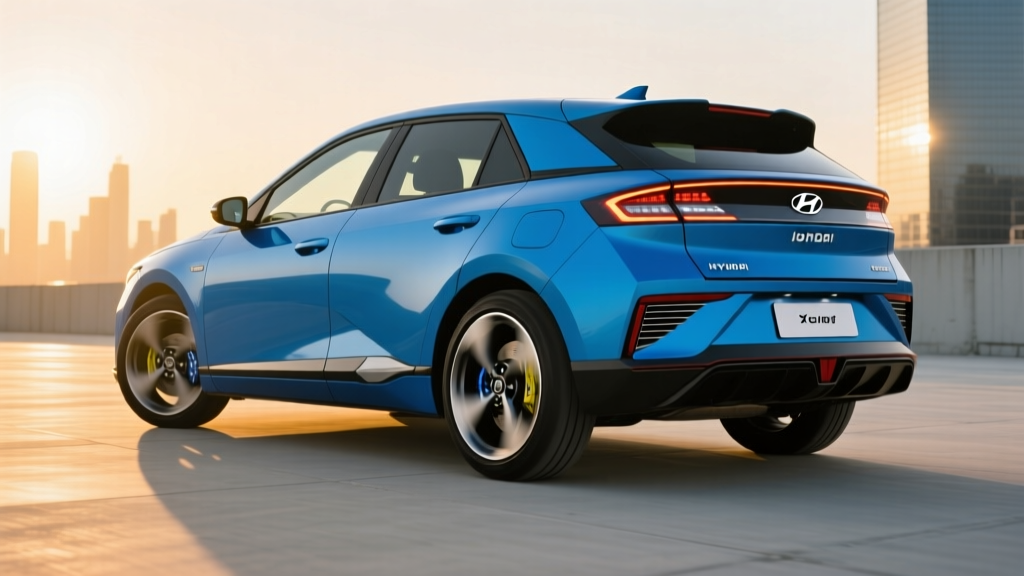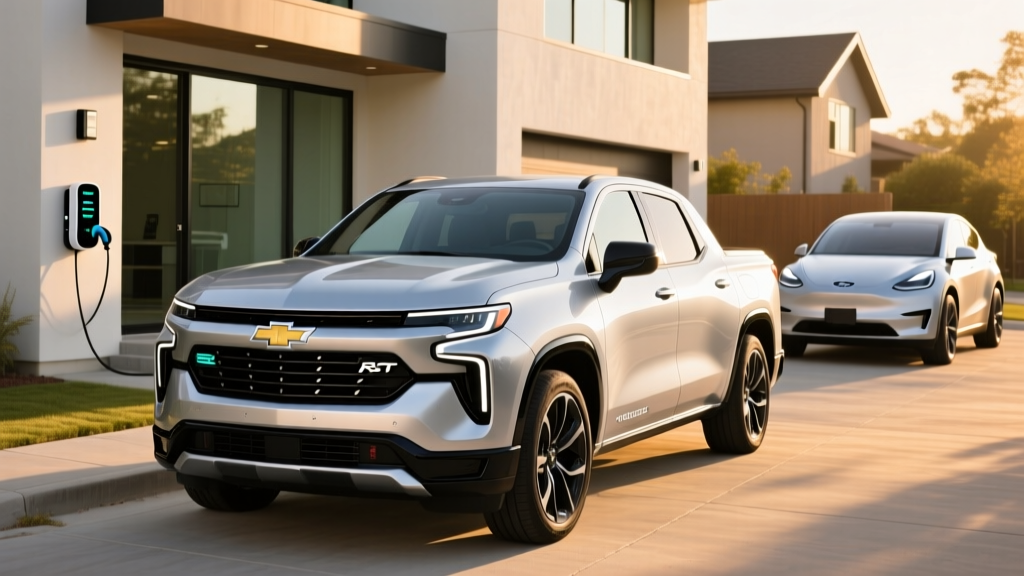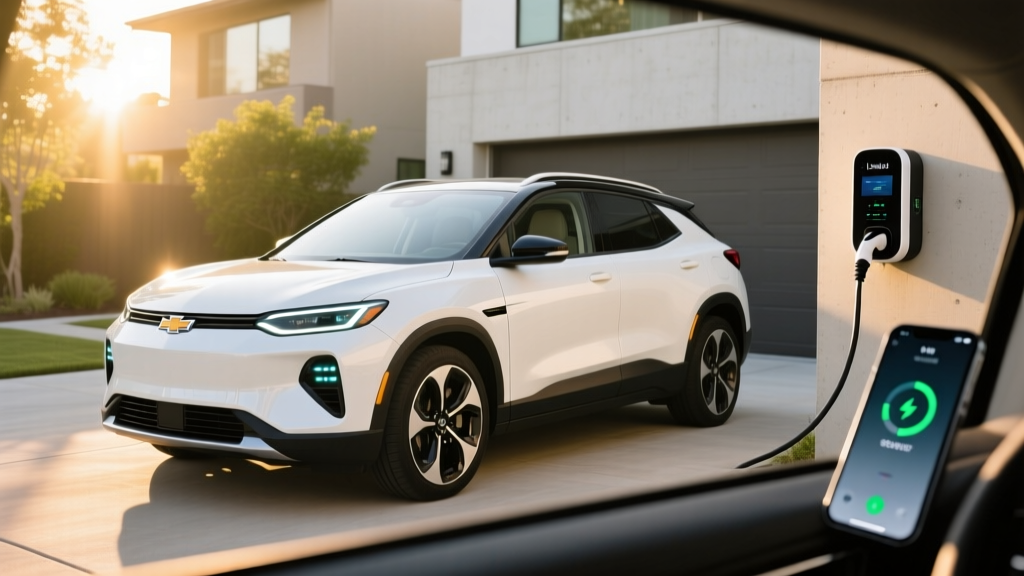
The Quick Answer on the 2026 Chevy Tracker EV
The 2026 Chevrolet Tracker EV is Chevrolet's entry-level electric subcompact crossover, built on GM's Ultium platform with an expected starting MSRP around $27,000–$30,000 before incentives. It targets buyers who want an affordable, city-friendly EV with an estimated EPA range of 230–250 miles from a ~58–65 kWh Ultium battery pack. DC fast charging is expected to peak near 115–130 kW, delivering a 10–80% charge in approximately 28–32 minutes. If you need a budget EV for commuting and errands with home charging access, the Tracker EV is worth watching closely. If you regularly drive 300+ miles between charges or live in a charging desert, you'll want to look at larger-battery alternatives.
What Is the Chevy Tracker EV and Who Is It For?
Chevrolet revived the Tracker nameplate for an electric subcompact crossover aimed squarely at first-time EV buyers and budget-conscious urban drivers. Positioned below the Equinox EV and Blazer EV in Chevy's lineup, the Tracker EV fills the gap left by the discontinued Bolt EV and Bolt EUV — affordable, practical, and efficient electric transportation for daily use.
The Tracker EV is built on a localized variant of GM's Ultium platform (the same modular battery architecture underpinning the Equinox EV, Blazer EV, and Silverado EV). It's designed primarily for markets where compact crossovers dominate — think city commuting, school runs, and weekend errands rather than cross-country road trips.
Who should consider it:
- First-time EV buyers transitioning from a gas subcompact SUV (like the gas Tracker, Trax, or Honda HR-V)
- Urban and suburban drivers covering 30–60 miles per day
- Households with access to Level 2 home charging
- Buyers seeking the lowest possible entry price into a new EV
Estimated Range, Battery, and Charging Specs
As of early 2026, Chevrolet has announced the Tracker EV but final EPA certification figures may still be pending for all trims. Here's what we know based on GM's Ultium platform data and comparable vehicles in the segment:
| Specification | Estimated Figure |
|---|---|
| Battery Capacity (usable) | ~58–65 kWh (Ultium, NMC chemistry) |
| EPA Range (est.) | 230–250 miles |
| Real-World Highway Range | ~190–215 miles (70+ mph, moderate temps) |
| Real-World Cold-Weather Range | ~160–185 miles (below 32°F) |
| DC Fast Charge Peak | ~115–130 kW |
| 10–80% DC Fast Charge Time | ~28–32 minutes |
| Level 2 AC Charge Rate | ~11.5 kW (estimated) |
| Level 2 Full Charge Time | ~6–7 hours |
| Connector | NACS (Tesla Supercharger compatible) |
| Motor Output | ~180–213 hp (FWD single motor expected) |
| 0–60 mph | ~7.5–8.5 seconds (est.) |
| Battery/Powertrain Warranty | 8 years / 100,000 miles |
Real-World Range Reality Check
The EPA sticker may say 240 miles, but plan your trips around 190–215 miles of usable highway range in moderate weather. Sustained 75–80 mph driving, HVAC use, and elevation changes all reduce efficiency. In sub-freezing temperatures, expect a 20–30% range reduction due to battery chemistry limitations and cabin heating demands. If the Tracker EV includes a heat pump (common on newer Ultium vehicles), cold-weather losses may be closer to 15–20%. Always precondition the battery while plugged in to minimize winter range loss and improve DC fast-charging speeds.
Charging curve note: The peak 115–130 kW rate applies only at low state-of-charge (roughly 10–30% SoC). As the battery fills, the charge rate tapers — expect ~80–90 kW through the 40–60% range and a significant slowdown above 80%. This is normal lithium-ion behavior, not a defect. For daily driving, charging to 80% at home on Level 2 is ideal for long-term battery health.
Tracker EV vs. Gas Crossover: Cost and Efficiency Comparison
The most common question from first-time EV buyers: does going electric actually save money? Let's compare the Tracker EV against a typical gas subcompact crossover (using the EPA's fuel economy data for vehicles in this class, averaging ~29 MPG combined).
| Category | Tracker EV (est.) | Gas Crossover (~29 MPG) |
|---|---|---|
| Base MSRP | $28,000 | $24,500 |
| Federal Tax Credit (§30D) | Up to $7,500 (if eligible) | $0 |
| Effective Purchase Price | ~$20,500–$28,000 | $24,500 |
| Fuel/Energy Cost (15,000 mi/yr) | $540–$810/yr (home charging) | $1,810/yr ($3.50/gal) |
| 5-Year Fuel/Energy Total | $2,700–$4,050 | $9,050 |
| Maintenance (5 yr) | ~$1,200 (tires, cabin filter, wipers) | ~$3,500 (oil, filters, brakes, fluids) |
| Estimated Insurance (5 yr) | ~$8,500 | ~$7,200 |
| 5-Year Total Cost (approx.) | $32,400–$41,750 | $44,250 |
Key takeaway: Even without the full federal tax credit, the Tracker EV's lower fuel and maintenance costs typically offset its slightly higher sticker price within 3–4 years of average driving. With the $7,500 credit applied at point of sale (available under IRS §30D rules if battery sourcing, MSRP caps, and income limits are met), the EV becomes the clear financial winner from day one.
Electricity cost assumptions: The calculations above assume $0.14–$0.16/kWh for home charging (U.S. average) and an efficiency of ~3.2–3.5 miles per kWh. Public DC fast charging at $0.35–$0.50/kWh will raise costs significantly if used frequently. If you rely exclusively on public charging, the savings gap narrows — though the EV still typically wins on maintenance.
Pricing, Trims, and Tax Credit Eligibility
Chevrolet has indicated the Tracker EV will launch with multiple trim levels. Based on GM's pricing strategy for the Equinox EV and the segment's competitive landscape, expect a lineup structured approximately as follows:
| Trim | Est. MSRP | Key Features |
|---|---|---|
| 1LT (Base) | $27,000–$28,000 | FWD, ~58 kWh battery, 11" infotainment, basic ADAS |
| 2LT | $30,000–$32,000 | Larger battery option, heated seats, adaptive cruise, 360° camera |
| RS / Activ | $33,000–$35,000 | Sport or rugged styling, premium audio, enhanced driver-assist |
§30D Federal Tax Credit Checklist (2026 Rules)
The Tracker EV may qualify for up to $7,500 under the federal clean vehicle credit, but eligibility depends on multiple factors. Per IRS guidelines, you must meet all of the following:
- MSRP Cap: Vehicle base price must be ≤ $80,000 for SUVs/crossovers (Tracker EV easily qualifies)
- Buyer Income Limits: Modified AGI ≤ $150,000 (single), $225,000 (head of household), $300,000 (joint)
- Battery Component Sourcing: Percentage of battery components manufactured/assembled in North America must meet the 2026 threshold (phasing in annually)
- Critical Minerals Sourcing: Percentage of critical minerals sourced from U.S. or FTA partners must meet the 2026 threshold
- Point-of-Sale Transfer: You can elect to transfer the credit to the dealer at purchase, reducing your out-of-pocket cost immediately
Important: Battery sourcing requirements tighten each year under the Inflation Reduction Act. A vehicle that qualifies in 2025 may have different eligibility in 2026. Always verify current eligibility on fueleconomy.gov before purchasing, and consult a tax professional for your specific situation.
Real-World Ownership: What First-Time EV Buyers Need to Know
Buying the Tracker EV — or any EV — involves ownership considerations that don't exist with gas cars. Here's what matters most:
Home Charging Access Is the Deciding Factor
If you can install a Level 2 (240V) home charger, EV ownership is effortless: plug in at night, wake up to a full battery every morning. A Level 2 installation typically costs $500–$2,000 depending on your electrical panel's capacity and the distance from panel to parking spot. If your panel needs upgrading from 100A to 200A, add $1,500–$3,000.
Even a standard 120V outlet (Level 1) adds roughly 3–5 miles of range per hour — sufficient if you drive under 40 miles daily and can plug in for 12+ hours overnight. But for the Tracker EV's ~60 kWh battery, a full Level 1 charge would take 15–20 hours, making it impractical as your sole charging method if you deplete the battery significantly.
Public Charging Reality
With the NACS connector, the Tracker EV gains access to Tesla's Supercharger network (now open to non-Tesla vehicles via built-in NACS ports or adapters). This is a significant advantage — Tesla's network remains the most reliable and widespread DC fast-charging infrastructure in the U.S. However, if you live in an apartment without charging access or in a rural area with sparse public chargers, plan carefully. Use apps like PlugShare or the Tesla app to map charging options near your home, workplace, and frequent routes before buying.
Cold-Weather Considerations
If you live where winters regularly drop below freezing, budget for 20–30% range loss. The Tracker EV's smaller battery means that loss is felt more acutely than in a 100 kWh vehicle. Preconditioning (warming the battery while still plugged in) helps preserve range and enables faster DC charging in cold weather. A garage — even an unheated one — significantly reduces cold-start energy penalties.
Insurance Costs
EV insurance premiums run 10–20% higher than equivalent gas vehicles on average, driven by higher repair costs for battery packs and specialized bodywork. Expect the Tracker EV to cost roughly $1,600–$1,900/year to insure depending on your state, driving record, and coverage level. Get quotes before purchasing to avoid surprises.
Common Tracker EV and Budget EV Misconceptions
| Myth | Fact |
|---|---|
| "The battery will need replacing in 5 years" | GM warrants the Ultium battery for 8 years / 100,000 miles against capacity loss below 60–70%. Real-world data from similar Ultium packs shows 5–10% degradation over 5 years under normal use. Most EV batteries outlast the vehicle. |
| "250 miles of range isn't enough" | The average American drives ~37 miles per day (FHWA data). A 230–250 mile range covers 5–6 days of typical driving between charges. For road trips, a 30-minute DC fast charge adds ~150+ miles. |
| "Charging takes too long" | At home on Level 2, charging happens while you sleep — zero active time spent. On road trips, a 10–80% DC fast charge takes ~30 minutes, aligned with a rest stop. |
| "EVs are worse in winter" | EVs start instantly in cold weather (no engine cranking), and regenerative braking works on icy roads. Range drops, but preconditioning and heat pumps mitigate this significantly. |
| "The cheapest EV is the worst EV" | The Tracker EV uses the same Ultium architecture as the $60,000+ Blazer EV. You get the same battery chemistry, thermal management, and Supercharger access — just a smaller pack in a lighter vehicle, which actually means better efficiency per kWh. |
Decision Framework: Should You Buy the Tracker EV?
Choose the Tracker EV If:
- Your daily driving is under 80 miles round-trip
- You have (or can install) Level 2 home charging
- You want the lowest-cost new EV with Supercharger access
- You qualify for the §30D tax credit, bringing effective price below $21,000
- You primarily drive in urban/suburban environments
- You value low maintenance costs and don't want to visit gas stations
Look at Alternatives If:
- You regularly drive 250+ miles in a single day without overnight stops
- You live in an apartment with zero charging access and no workplace charging
- You need AWD for heavy snow or off-road conditions (check if AWD is offered on higher trims)
- You tow anything significant (the Tracker EV is not a towing vehicle)
- You need 300+ miles of EPA range — consider the Equinox EV (319 mi EPA) or Hyundai Ioniq 5 (303+ mi EPA) instead
How It Compares to the Competition
The budget EV crossover segment is growing. Here's how the Tracker EV stacks up against alternatives:
| Spec | Chevy Tracker EV | Hyundai Kona Electric | Kia Niro EV | Nissan Leaf (if available) |
|---|---|---|---|---|
| Est. Base MSRP | $27,000–$28,000 | $32,975 | $39,600 | $28,140 |
| EPA Range | 230–250 mi (est.) | 261 mi | 239 mi | 212 mi (S Plus) |
| DC Fast Charge Peak | ~115–130 kW | ~100 kW (CCS/NACS) | ~85 kW | ~100 kW (CHAdeMO) |
| Connector | NACS | CCS1 → NACS adapter | CCS1 | CHAdeMO |
| Tax Credit Eligible | Likely (verify sourcing) | Partial ($3,750) | No (Korea-built) | Partial (verify) |
The Tracker EV's combination of low price, NACS Supercharger access, and likely tax-credit eligibility makes it one of the most compelling budget EV entries if GM's pricing holds. The Kona Electric offers more range but at a higher price and with less convenient charging. The Niro EV is well-equipped but expensive and currently ineligible for the federal credit due to Korean manufacturing. The Leaf, if still in production for 2026, uses the aging CHAdeMO standard with limited fast-charging infrastructure.
Frequently Asked Questions
Is the Chevy Tracker EV available to buy right now?
The 2026 Tracker EV has been announced by Chevrolet as part of its expanding Ultium-based EV lineup. Availability varies by market and trim — check with your local Chevrolet dealer for current inventory and ordering timelines. Some markets outside the U.S. may receive the Tracker EV on a different timeline.
Can I charge the Tracker EV at Tesla Superchargers?
Yes. GM has transitioned to the NACS (North American Charging Standard) connector for its EVs, meaning the Tracker EV should have native access to Tesla Supercharger stations without an adapter. This gives you access to over 20,000 Supercharger stalls nationwide — the largest and most reliable DC fast-charging network in the U.S.
How much will it cost to charge at home?
At the U.S. average residential electricity rate of ~$0.16/kWh, fully charging a ~60 kWh battery from empty costs roughly $9.60. In practice, you'll rarely charge from 0% — topping off from 30% to 80% daily costs about $4.80. Over a year of 15,000 miles, expect to spend $540–$810 on electricity versus $1,800+ on gasoline for a comparable crossover.
Will the Tracker EV qualify for the $7,500 federal tax credit?
It has a strong chance based on MSRP (well under the $80,000 SUV cap) and GM's North American manufacturing footprint. However, eligibility depends on battery component sourcing and critical mineral requirements that tighten annually. Verify the Tracker EV's current status on fueleconomy.gov at the time of purchase, and confirm your personal income eligibility under IRS §30D rules.
What happens if the battery degrades?
GM covers the Ultium battery pack for 8 years or 100,000 miles against excessive capacity loss (typically defined as falling below 60–70% of original capacity). Real-world data from GM's Bolt EV and early Ultium vehicles suggests most packs retain 90–95% capacity after 5 years of normal use with proper charging habits (avoiding frequent 100% charges and extreme heat exposure). Full battery replacement outside warranty, if ever needed, currently runs $8,000–$15,000 depending on pack size — but this is rarely necessary within a vehicle's normal lifespan.
Is the Tracker EV good for road trips?
It's adequate for road trips with planning. With ~200 miles of real-world highway range and 30-minute DC fast charges at Superchargers, you can cover 400–500 miles in a day with one or two stops. It won't match a 320-mile-range EV for marathon drives, but for most weekend trips and vacations, the charging infrastructure and speed are manageable.