Is There a Chevy Tahoe EV for 2026?
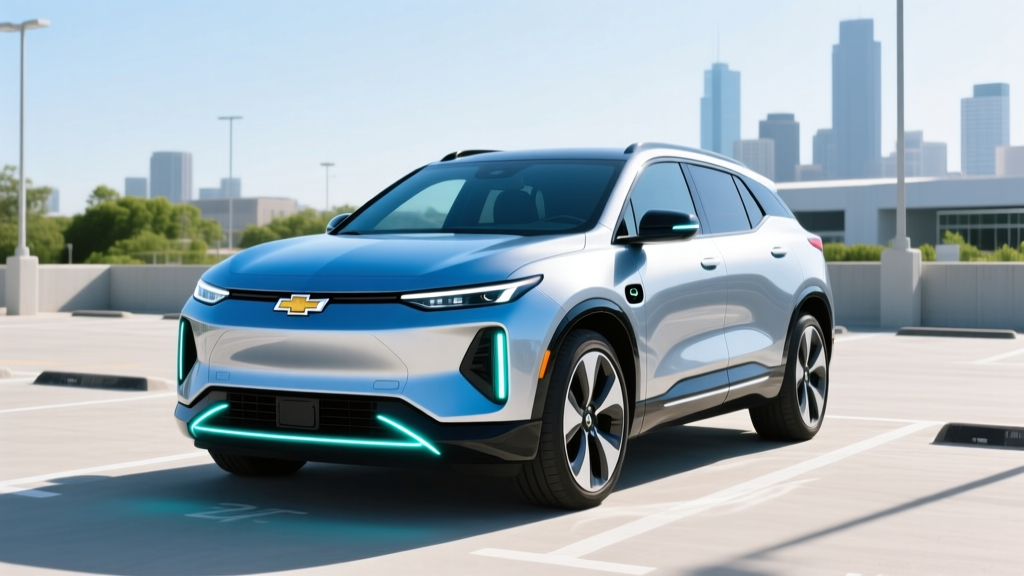
Yes — Chevrolet has officially confirmed the Tahoe EV as part of its next-generation full-size SUV lineup built on GM's BT1 electric platform (the same architecture underpinning the Silverado EV and Escalade IQ). The Tahoe EV is expected to begin production in late 2026 as a 2027 model-year vehicle. Preliminary estimates point to a dual-motor AWD configuration producing over 600 horsepower, an Ultium battery pack in the 200+ kWh range, and an EPA-estimated range exceeding 350 miles. Pricing is anticipated to start around $75,000–$80,000 before incentives, positioning it against the Tesla Model X, Rivian R1S, and the electric Escalade IQ. Because final EPA certification and MSRP have not been published as of mid-2026, every spec below is marked as estimated and should be cross-checked against GM's official release.
What We Know About the Tahoe EV Platform and Specs
The Tahoe EV will ride on GM's BT1 body-on-frame EV platform, which debuted with the Silverado EV and GMC Sierra EV. Unlike unibody electric SUVs such as the Tesla Model X or Rivian R1S, the BT1 architecture preserves the body-on-frame construction that full-size SUV buyers expect for towing and heavy-duty utility. GM has confirmed that the Tahoe EV and its GMC Yukon EV sibling will share the Ultium battery system using large-format NMC (nickel manganese cobalt) pouch cells, consistent with the rest of GM's truck and large-SUV lineup.
| Attribute | Estimated / Confirmed |
|---|---|
| Platform | GM BT1 (body-on-frame) |
| Battery Chemistry | NMC (Ultium pouch cells) |
| Battery Capacity (usable) | ~200 kWh (est.) |
| Drivetrain | Dual-motor AWD (e4WD expected) |
| Horsepower | 600+ HP (est.) |
| 0–60 mph | ~4.5 seconds (est.) |
| EPA Range | 350+ miles (est.) |
| Max DC Fast Charge Rate | 350 kW (800V architecture) |
| 10–80% DC Charge Time | ~25–30 min (est.) |
| Level 2 AC Charge Rate | 19.2 kW (est., onboard charger) |
| Towing Capacity | 8,000–10,000 lbs (est.) |
| Base MSRP | $75,000–$80,000 (est.) |
| Battery/Powertrain Warranty | 8 years / 100,000 miles (GM standard) |
Real-World Range Expectations
An EPA estimate of 350+ miles is strong on paper, but full-size SUVs with boxy aerodynamics lose efficiency at highway speeds. Expect ~280–310 miles at sustained 75 mph highway driving and ~240–270 miles in cold weather (below 32°F) where cabin heating and battery resistance reduce usable capacity. The large battery pack provides a meaningful buffer, but buyers should plan road trips around 250-mile legs for comfort.
Charging: What Tahoe EV Owners Need to Plan For
The BT1 platform uses an 800-volt electrical architecture, enabling DC fast charging at up to 350 kW at compatible stations. This is the same peak rate claimed by the Silverado EV and GMC Sierra EV. In practice, sustained charge rates will taper as the battery fills — expect peak rates in the 10–40% state of charge window, dropping to ~150 kW by 60% and below 50 kW above 80%. This charge-curve taper is normal physics for any large NMC pack and is why the 10–80% time (~25–30 minutes) is a more useful metric than peak kW alone.
| Charging Level | Power (kW) | Miles Added Per Hour | Typical Use Case |
|---|---|---|---|
| Level 1 (120V outlet) | 1.4 kW | ~4 mi/hr | Emergency / overnight trickle only |
| Level 2 (240V, 48A) | 11.5 kW | ~34 mi/hr | Standard home charging |
| Level 2 (240V, 80A) | 19.2 kW | ~57 mi/hr | Full overnight recharge (~10 hrs 10–100%) |
| DC Fast Charge | Up to 350 kW | ~600+ mi/hr (peak) | Road trips, 10–80% in ~25–30 min |
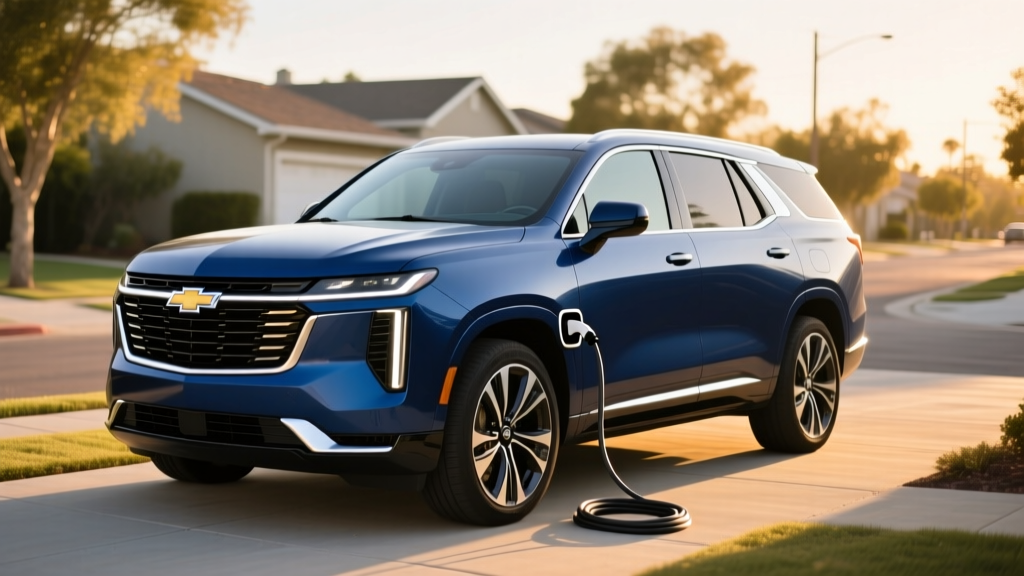
Home charging reality check: A 200 kWh battery is enormous. On a standard 48-amp Level 2 home charger (11.5 kW), a full 10–100% charge takes roughly 17 hours. You will need an 80-amp circuit (19.2 kW charger) to fully replenish overnight in about 10 hours. This likely requires a 200-amp electrical panel at minimum, and many older homes will need a panel upgrade ($2,000–$4,000) before installation. Budget $1,200–$2,500 for the Level 2 charger hardware plus $800–$3,000 for electrician labor and permitting, depending on your panel's proximity to the garage. Always consult a licensed electrician for final specifications.
For connector compatibility, GM has committed to the NACS (Tesla-style) connector on all new EVs starting with the 2025 model year, so the Tahoe EV will ship with a native NACS port. This grants access to Tesla Supercharger stations (now open to non-Tesla vehicles via the NACS standard) as well as Electrify America, EVgo, and other networks deploying NACS cables.
Tahoe EV vs. Gas Tahoe vs. Electric Competitors
The current gas-powered Chevy Tahoe (5.3L V8, RWD) achieves an EPA-estimated 16 city / 20 highway / 18 combined MPG per fueleconomy.gov. At $3.50/gallon and 15,000 miles/year, that's roughly $2,917/year in fuel costs. The Tahoe EV, at an estimated efficiency of 2.0–2.2 kWh/mile (typical for a large, heavy electric SUV), would consume about 31,500 kWh/year. At the U.S. average residential electricity rate of ~$0.17/kWh, home charging costs approximately $5,355/year — more than gas, because this is a massive vehicle. However, at $0.10/kWh (common with off-peak utility rates or solar), costs drop to ~$3,150/year, roughly on par with gas. The economics improve further if you have rooftop solar.
| Vehicle | Energy Source | Est. Annual Cost |
|---|---|---|
| 2025 Tahoe 5.3L V8 (18 MPG combined) | Gasoline @ $3.50/gal | $2,917 |
| Tahoe EV (2.1 kWh/mi) | Grid @ $0.17/kWh (avg) | $5,355 |
| Tahoe EV (2.1 kWh/mi) | Off-peak / solar @ $0.10/kWh | $3,150 |
| Tahoe EV (2.1 kWh/mi) | DC fast charging @ $0.40/kWh | $12,600 |
The takeaway: home charging with favorable electricity rates is essential to making the Tahoe EV cheaper to fuel than its gas counterpart. Exclusive reliance on DC fast charging will cost significantly more than gasoline. This is the single biggest ownership variable for any large EV.
Against electric competitors, the Tahoe EV occupies a unique niche:
- Tesla Model X (EPA 320–348 mi, ~$80,000–$95,000): Unibody, lower towing capacity (~5,000 lbs), more mature Supercharger ecosystem, but no body-on-frame capability.
- Rivian R1S (EPA 321–410 mi depending on pack, ~$75,000–$99,000): Unibody with excellent off-road chops, up to 7,700 lbs towing, smaller third row.
- Cadillac Escalade IQ (EPA ~450 mi est., ~$130,000+): Same BT1 platform, luxury pricing, more range due to less aggressive aero tuning, but far more expensive.
Cost of Ownership: Purchase, Insurance, Maintenance, and Tax Credits
Beyond the sticker price, Tahoe EV buyers should budget for the following:
| Category | Tahoe EV (est.) | Gas Tahoe 5.3L V8 |
|---|---|---|
| Purchase Price (base) | $77,500 | $58,000 |
| Federal Tax Credit (§30D) | Up to $7,500* | $0 |
| Fuel/Energy (5 yrs, home charging @ $0.12/kWh) | $18,900 | $14,585 |
| Maintenance (5 yrs) | $2,500 (est.) | $5,500 (est.) |
| Insurance (5 yrs) | $14,000 (est.) | $10,500 (est.) |
| Home Charger Install | $3,000 | $0 |
| Estimated 5-Year Total | ~$115,900 (before credit: ~$118,400) | ~$88,585 |
*Federal §30D tax credit caveat: The $7,500 credit under IRS §30D is subject to MSRP caps ($80,000 for SUVs), buyer income limits ($300,000 joint / $150,000 single modified AGI), and critical-mineral and battery-component sourcing requirements that tighten annually. The Tahoe EV's estimated base price may fall within the SUV cap, but higher trims could exceed it. Additionally, the credit is available as a point-of-sale transfer to the dealer, reducing your out-of-pocket cost at purchase. Always verify current-year eligibility with a tax professional and the IRS before relying on the credit in your budget.
Maintenance savings are real: no oil changes, no transmission fluid, no spark plugs, and regenerative braking extends brake pad life significantly. Expect to spend primarily on tire rotation/replacement (EVs wear tires faster due to instant torque and heavy weight), cabin air filters, and wiper fluid. Budget roughly $500/year vs. $1,100/year for the gas Tahoe.
Insurance premiums for large EVs are typically 25–40% higher than their gas equivalents due to higher repair costs, specialized parts, and battery-replacement risk. Get quotes before purchasing — insurers like Geico, Progressive, and State Farm now offer EV-specific policies, and some manufacturers (Tesla, GM via OnStar Insurance) provide bundled coverage.
Common Misconceptions About the Tahoe EV
| Myth | Fact |
|---|---|
| "It can't tow as much as a gas Tahoe." | The gas Tahoe maxes at ~8,400 lbs. GM's BT1 platform (Silverado EV) targets 10,000+ lbs. Electric motors deliver peak torque at 0 RPM, and the Tahoe EV should match or exceed gas towing — but range drops 30–50% when towing a heavy trailer. Plan accordingly. |
| "The battery will need replacing in 5 years." | GM warrants Ultium batteries for 8 years / 100,000 miles against defects and excessive degradation (typically below 60–70% capacity retention). Real-world data from GM's Bolt EV fleet shows ~5–8% degradation over 100,000 miles. NMC chemistry in a thermally managed pack should last 150,000–200,000+ miles before meaningful capacity loss. |
| "I'll charge it on a regular wall outlet." | A 120V outlet delivers ~1.4 kW — adding roughly 4 miles of range per hour. A full charge of a 200 kWh battery would take over 140 hours. Level 2 home installation is effectively mandatory for daily ownership of a vehicle this size. |
| "The $7,500 tax credit is guaranteed." | Credit eligibility depends on MSRP cap compliance, buyer income, and battery-sourcing requirements that change annually. Some trims or build dates may not qualify. Always verify with the IRS and a tax professional. |
Decision Framework: Is the Tahoe EV Right for You?
Choose the Tahoe EV If:
- You have (or can install) a Level 2 home charger on a 200-amp panel — this is non-negotiable for a 200 kWh battery.
- Your electricity rate is below $0.15/kWh or you have rooftop solar, making per-mile energy costs competitive with gas.
- You need three-row seating, body-on-frame towing, and want to eliminate gas station visits for daily driving.
- You drive primarily in moderate climates or can accept 25–30% range reduction in sub-freezing winters.
- You want instant torque and a quiet cabin in a full-size SUV and are willing to pay a $15,000–$20,000 premium over the gas Tahoe.
Stick with the Gas Tahoe or Consider a Hybrid If:
- You cannot install a Level 2 charger at home or work — public-only charging a 200 kWh battery is expensive and impractical.
- You frequently tow heavy trailers over long distances — towing crushes EV range, and DC fast charging a large pack adds 25–40 minutes per stop.
- Your budget is under $60,000 — the gas Tahoe starts ~$20,000 lower, and the fuel-cost gap narrows at low annual mileage.
- You live in a rural area with sparse DC fast charging infrastructure and regularly take 400+ mile road trips.
What First-Time EV Buyers Should Know Before Ordering
If the Tahoe EV will be your first electric vehicle, prepare for these ownership realities:
- Preconditioning matters. The Tahoe EV's battery thermal management system will precondition the pack for optimal charging speed when you navigate to a DC fast charger. Always use the vehicle's built-in navigation for charging stops — arriving at a charger with a cold battery can cut charge speeds by 50% or more.
- Tire costs are higher. A 6,000+ lb electric SUV with instant torque will wear through tires faster than a gas equivalent. Budget $1,200–$2,000 for a set of replacement EV-rated tires every 25,000–35,000 miles.
- Regenerative braking changes how you drive. GM's Ultium vehicles offer adjustable regen, including one-pedal driving modes. Expect a 1–2 week adaptation period if you're coming from a gas vehicle.
- Cold weather is real. In temperatures below 32°F, expect 25–30% range loss due to cabin heating demands and reduced battery efficiency. A heat pump (expected on the Tahoe EV) mitigates this but doesn't eliminate it.
- Software updates are frequent. GM's Ultifi platform delivers over-the-air updates that can change vehicle behavior, add features, or occasionally introduce bugs. This is normal for modern EVs but different from the static software in a gas Tahoe.
When will the Tahoe EV be available to order?
GM has confirmed the Tahoe EV for production starting in late 2026 as a 2027 model-year vehicle. Reservation and order banks are expected to open in mid-to-late 2026. Check Chevrolet's official site for updates.
Will the Tahoe EV qualify for the $7,500 federal tax credit?
It depends. The §30D credit for SUVs has an $80,000 MSRP cap, and the Tahoe EV's base price is estimated near $75,000–$80,000. Higher trims may exceed the cap. Buyer income limits ($300,000 joint / $150,000 single) and battery-sourcing rules also apply. Verify eligibility at irs.gov before purchase.
How does the Tahoe EV compare to the Escalade IQ?
Both ride on GM's BT1 platform with Ultium batteries. The Escalade IQ is positioned as a luxury flagship (est. $130,000+, ~450 mi range), while the Tahoe EV will be a mainstream full-size SUV at roughly half the price with slightly less range. Expect similar powertrain hardware but different interior materials, feature content, and tuning.
Can I charge the Tahoe EV at Tesla Superchargers?
Yes. GM has adopted the NACS connector for all new EVs, and Tesla's Supercharger network is open to NACS-equipped non-Tesla vehicles. You will use the Tesla app or your vehicle's built-in navigation to initiate and pay for sessions.
What happens if the battery degrades significantly?
GM's Ultium battery warranty covers 8 years / 100,000 miles against defects and capacity loss below a specified threshold (typically 60–70% of original capacity). Full battery replacement outside warranty for a 200 kWh pack could cost $20,000–$30,000+, but industry data shows modern thermally managed NMC packs retaining 85–92% capacity at 100,000 miles.