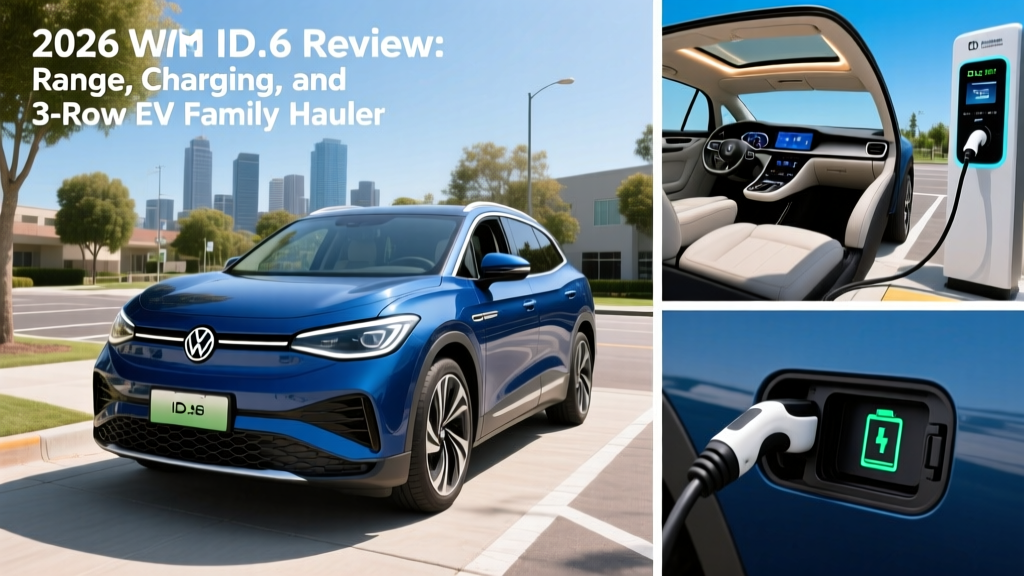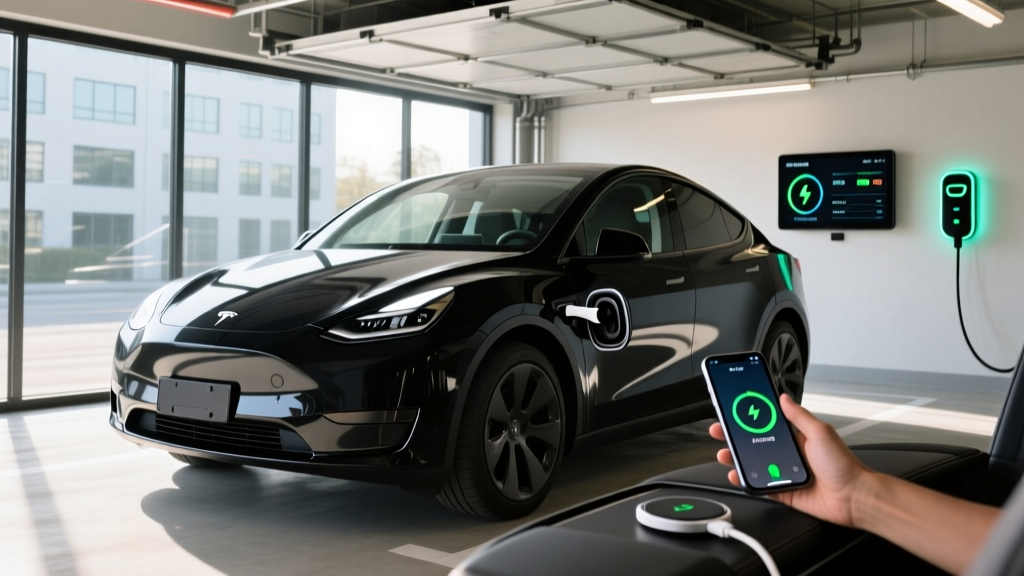
Quick Verdict: The Affordable Long-Range Crossover Done Right
The 2026 Chevy Equinox EV LT2 occupies a rare position in the electric vehicle market: a mainstream compact crossover with over 300 miles of EPA-estimated range at a price point that undercuts most rivals. Built on GM's Ultium platform, the LT2 trim adds meaningful equipment over the base 2LT while staying below the premium RS and Launch Edition trims. After spending time with the Equinox EV LT2 — on highway commutes, DC fast-charging stops, and cold-weather errands — the picture is clear: this is a practical, efficiency-focused EV for buyers who want range without paying a luxury premium.
The LT2 starts at approximately $34,900 (before destination) for front-wheel drive and qualifies for the full $7,500 federal tax credit under current IRS §30D rules when purchased by eligible buyers. That brings the effective starting price near $27,400 — territory that makes this one of the most affordable 300+ mile EVs on the market. But specs and sticker prices only tell part of the story. Let's get into the numbers that actually matter once you own it.
Range, Battery & Real-World Efficiency
Real-World Expectation: 265–285 miles highway at 70 mph; 225–250 miles in freezing temperatures with cabin heat. City and mixed driving closely tracks the EPA sticker.
The Equinox EV LT2 uses an 85 kWh usable Ultium battery pack with NMC (nickel manganese cobalt) chemistry. GM's modular Ultium platform uses pouch cells arranged horizontally, which helps keep the floor flat and contributes to the crossover's surprisingly roomy interior.
On the efficiency front, the FWD LT2 achieves an EPA-rated 3.0 kWh/mile (roughly 114 MPGe combined). In real-world highway driving at sustained 70–75 mph speeds, expect consumption to rise to approximately 3.4–3.6 kWh/mile. That's where the real-world range drops to the 265–285 mile window. Cold weather (below 32°F) with resistive cabin heating can push consumption past 4.0 kWh/mile, reducing effective range to 225–250 miles. The Equinox EV does not currently offer a heat pump — a notable omission versus competitors like the Hyundai Ioniq 5 and Tesla Model Y, which use heat pumps to mitigate cold-weather range loss.
| Spec | FWD | AWD |
|---|---|---|
| EPA Range | 315 miles | 303 miles |
| Battery (usable) | 85 kWh NMC | 85 kWh NMC |
| Horsepower | 213 hp | 288 hp |
| 0–60 mph | ~8.4 sec | ~7.1 sec |
| MPGe (combined) | 114 MPGe | 105 MPGe |
| Max DC Charge Rate | 150 kW | 150 kW |
| Base MSRP | $34,900 | $38,200 |
Charging Speed: DC Fast, Level 2 & Home Setup
Charging capability is where Equinox EV buyers need to set realistic expectations. The LT2 peaks at 150 kW on a DC fast charger — adequate for road trips but noticeably slower than the 200–350 kW peaks offered by Hyundai/Kia's E-GMP platform or the Tesla Model Y.
GM states a 10–80% charge time of approximately 33 minutes at a 150 kW (or higher) station. In practice, the charge curve holds near peak through roughly 40–50% state of charge before tapering. Expect the final push from 60–80% to be noticeably slower than the initial ramp. This is standard behavior for NMC packs, but it means your actual charging stop on a road trip will be closer to 35–40 minutes when you factor in plugging in, authentication, and taper.
| Level | Power | Miles Added per Hour | Notes |
|---|---|---|---|
| Level 1 (120V) | ~1.4 kW | ~4 mi/hr | Emergency/trickle only |
| Level 2 (240V, 48A) | 11.5 kW | ~34 mi/hr | Full charge in ~8.5 hours |
| DC Fast (CCS/NACS) | 150 kW peak | ~250 mi/hr (peak) | 10–80% in ~33 min |
For home charging, the Equinox EV LT2 accepts up to 11.5 kW on Level 2 (48 amps on a 240V/60A circuit). This is competitive and means an overnight charge from 20% to full takes roughly 7–8 hours. If you're installing a home Level 2 charger, budget $500–$1,500 for the charger unit and $800–$2,500 for electrician installation, depending on panel proximity and whether your home needs a panel upgrade to support a 60A circuit. GM has offered complimentary Level 2 charger hardware through its partnership programs for qualifying buyers — check current dealer offers.
The Equinox EV uses the NACS (Tesla-style) connector for 2026, giving it native access to the Tesla Supercharger network (now over 20,000 stalls in North America) without an adapter. This is a significant practical advantage over CCS-only vehicles, as the Supercharger network remains the most reliable DC fast-charging option in the U.S.
Performance & Driving Dynamics
The FWD Equinox EV LT2 produces 213 horsepower and 236 lb-ft of torque from a single front-mounted motor. The 0–60 mph time of approximately 8.4 seconds is leisurely by EV standards but perfectly adequate for merging and daily driving. The AWD variant adds a rear motor for a combined 288 hp and drops the sprint to roughly 7.1 seconds.
Ride quality is a strength. The Ultium platform places the battery low, giving the Equinox EV a planted, composed feel through corners that belies its crossover ride height. The suspension tuning prioritizes comfort over sportiness — you'll notice body roll in aggressive cornering, but highway cruising is quiet and settled. Regenerative braking offers a one-pedal driving mode that's intuitive and effective, with adjustable regen levels through the infotainment system.
One limitation: towing capacity is rated at just 1,500 pounds (with the available trailering package). This rules out most campers and boat trailers. If towing matters, the Ford Mustang Mach-E (up to 2,200 lbs with the California Route 1 package) or a truck-based EV like the Chevy Silverado EV are better options.
Interior, Cargo & Technology
The Equinox EV's cabin is defined by its 17.7-inch diagonal infotainment touchscreen — one of the largest in the compact crossover segment. It runs GM's Google-based infotainment system with built-in Google Maps, Google Assistant, and access to the Play Store for apps. Wireless Apple CarPlay and Android Auto are standard. A 11-inch digital driver display sits behind the steering wheel.
Interior materials on the LT2 are a step above the base 2LT, with Evotex (synthetic leather) seating surfaces and soft-touch surfaces on the dashboard and door panels. The flat floor (thanks to the battery skateboard) creates generous rear legroom of 39.0 inches, and front legroom measures 42.6 inches. Headroom is good front and rear, though the sloping roofline slightly reduces rear headroom versus the gas Equinox.
Cargo space behind the rear seats measures 26.4 cubic feet, expanding to 57.2 cubic feet with the rear seats folded. There is no front trunk (frunk) — a missed opportunity given the Ultium platform's architecture. Competitors like the Hyundai Ioniq 5 (27.2 cu ft rear) and Ford Mustang Mach-E (29.7 cu ft rear) offer marginally more cargo volume, though the differences are small enough that real-world usability is comparable.
Driver Assistance & Safety
The LT2 comes equipped with Chevy Safety Assist, which includes automatic emergency braking with pedestrian detection, forward collision alert, lane keep assist with lane departure warning, following distance indicator, and IntelliBeam automatic high beams. Super Cruise — GM's hands-off, eyes-on Level 2 driver-assistance system — is available as an option on the LT2 (standard on higher trims). Super Cruise operates on over 750,000 miles of pre-mapped roads in the U.S. and Canada and is among the most capable Level 2 systems available. Note: Super Cruise is SAE Level 2 — you must remain attentive and keep your eyes on the road. The driver-monitoring camera enforces this.
Pricing, Trims & Federal Tax Credit
The 2026 Equinox EV LT2 FWD starts at $34,900 (plus ~$1,395 destination). The AWD variant adds approximately $3,300, bringing the AWD LT2 to $38,200. Key trim levels in the Equinox EV lineup include the base 2LT (~$33,400), LT2 (~$34,900), RS (~$43,400), and Launch Edition (~$41,900). The LT2 adds heated front seats, a heated steering wheel, power liftgate, and additional driver-assist features over the 2LT.
| Trim | MSRP (incl. dest.) | Est. Federal Credit | Effective Price |
|---|---|---|---|
| LT2 FWD | $36,295 | $7,500 | ~$28,795 |
| LT2 AWD | $39,595 | $7,500 | ~$32,095 |
Federal Tax Credit Eligibility (§30D)
- Vehicle MSRP cap: Must be ≤ $80,000 for SUVs/crossovers — the Equinox EV passes easily.
- Buyer income cap: Modified AGI must not exceed $150,000 (single), $225,000 (head of household), or $300,000 (joint filers).
- Battery sourcing: The Equinox EV's Ultium battery currently meets critical mineral and battery component requirements under IRS guidelines. Confirm eligibility at the time of purchase, as sourcing rules tighten annually. See IRS §30D guidelines.
- Point-of-sale transfer: Eligible buyers can transfer the credit to the dealer at purchase, reducing the upfront price by $7,500 rather than waiting to claim it on their tax return.
Important: Tax credit rules are subject to change. Always verify eligibility with a tax professional and check the fueleconomy.gov tax credit database for the latest qualifying vehicles.
Pros, Cons & Who Should Buy
Pros
- 315-mile EPA range at a sub-$35K starting price
- Full $7,500 federal tax credit eligibility
- NACS connector — native Supercharger access
- Massive 17.7-inch infotainment screen with Google built-in
- Spacious rear seat and flat floor
- Super Cruise availability (optional on LT2)
- Quiet, composed highway ride
Cons
- 150 kW peak DC charging is slower than key rivals
- No heat pump — cold-weather range hit is significant
- No front trunk (frunk)
- 1,500-lb towing capacity limits utility
- FWD 0–60 of 8.4 seconds feels sluggish for an EV
- Some interior plastics feel budget-grade at this price
Who This EV Suits Best
Ideal for: Daily commuters and small families who need genuine 300+ mile range for occasional road trips, want affordable home charging, and value Supercharger network access. The LT2's balance of features, range, and effective post-credit price makes it one of the strongest value propositions in the EV crossover segment.
Look elsewhere if: You need fast DC charging for frequent long-distance travel (consider the Ioniq 5 or Model Y), you regularly tow over 1,500 lbs, or you live in a cold climate where the lack of a heat pump will meaningfully reduce your winter range.
Competitor Comparison
| Spec | Equinox EV LT2 FWD | Hyundai Ioniq 5 SE | Tesla Model Y LR |
|---|---|---|---|
| EPA Range | 315 mi | 303 mi | 320 mi |
| Battery | 85 kWh NMC | 77.4 kWh NMC | ~75 kWh NMC |
| Peak DC Charge | 150 kW | 240 kW | 250 kW |
| 10–80% Time | ~33 min | ~18 min | ~25 min |
| 0–60 mph | 8.4 sec | 7.0 sec | 5.0 sec |
| Base MSRP | ~$36,295 | ~$43,650 | ~$44,990 |
| Federal Credit | $7,500 | $7,500 | $7,500 |
| Heat Pump | No | Yes | Yes |
The Equinox EV LT2 wins on price — by a wide margin. After the tax credit, the LT2 FWD lands near $28,795, while the Ioniq 5 SE and Model Y Long Range remain in the mid-$30K range even with credits. The trade-off is charging speed: the Ioniq 5's 800V architecture delivers dramatically faster DC stops, and the Model Y offers superior performance and Supercharger-native access (though the Equinox now matches that with NACS). For buyers who charge at home 90% of the time and take a handful of road trips per year, the Equinox EV's slower peak charge rate is a manageable compromise for the thousands saved upfront.
Warranty & Long-Term Ownership
GM backs the Equinox EV's battery and powertrain with an 8-year / 100,000-mile warranty (whichever comes first). The battery warranty guarantees that the pack will retain a minimum capacity threshold — GM has historically set this at approximately 60% of original capacity, though confirm the exact retention percentage with your dealer at purchase. The bumper-to-bumper limited warranty covers 3 years / 36,000 miles.
NMC battery degradation in the Ultium platform is expected to follow industry norms: roughly 10–15% capacity loss over the first 100,000 miles under normal use patterns. Best practices for longevity include avoiding frequent DC fast-charging to 100%, keeping daily state of charge between 20–80% when possible, and using preconditioning before fast-charging sessions.
Frequently Asked Questions
What is the real-world range of the Chevy Equinox EV LT2?
The EPA rates the FWD LT2 at 315 miles. In real-world highway driving at 70 mph, expect 265–285 miles. In freezing weather, that can drop to 225–250 miles due to the lack of a heat pump and the energy demands of cabin heating. City driving with regenerative braking closely matches the EPA figure.
How fast does the Equinox EV LT2 charge?
On a DC fast charger, it peaks at 150 kW, reaching 10–80% in approximately 33 minutes (plan for 35–40 minutes total with plug-in and taper). At home on a Level 2 (240V/48A) charger, it adds about 34 miles of range per hour and fully charges from empty in roughly 8.5 hours. Level 1 (120V) is for emergency trickle only at ~4 miles per hour.
How much does the Equinox EV LT2 cost after tax credits?
The FWD LT2 starts at approximately $36,295 including destination. Eligible buyers who qualify for the full $7,500 federal tax credit (meeting income and sourcing requirements) can bring the effective price to roughly $28,795 via point-of-sale transfer. The AWD LT2 drops from ~$39,595 to ~$32,095.
Does the Equinox EV qualify for the $7,500 federal EV tax credit?
Yes, the Equinox EV qualifies under current §30D rules. It falls well under the $80,000 MSRP cap for SUVs/crossovers, and its Ultium battery meets the critical mineral and battery component sourcing requirements. However, buyer income caps apply ($150K single / $300K joint), and sourcing rules may change. Verify at IRS.gov and with your tax professional before purchase.
Is the Equinox EV LT2 worth buying over the Tesla Model Y or Hyundai Ioniq 5?
If your priority is the lowest possible purchase price for a 300+ mile EV with strong home-charging convenience and Supercharger access, the Equinox EV LT2 is the value leader. Choose the Ioniq 5 if you take frequent road trips and need faster DC charging (18 min vs. 33 min, 10–80%). Choose the Model Y if performance, cargo space, and the broadest Supercharger network matter most — but expect to pay $8,000–$10,000 more.
What connector does the 2026 Equinox EV use?
The 2026 Equinox EV uses the NACS (North American Charging Standard) connector natively, providing direct access to Tesla Superchargers and the growing NACS public charging network without an adapter.
Does the Equinox EV have a frunk?
No. The Equinox EV does not include a front trunk. All cargo space (26.4 cu ft rear / 57.2 cu ft with seats folded) is in the rear cargo area.