The Quick Answer: Which Chevy Electric SUV Fits You?
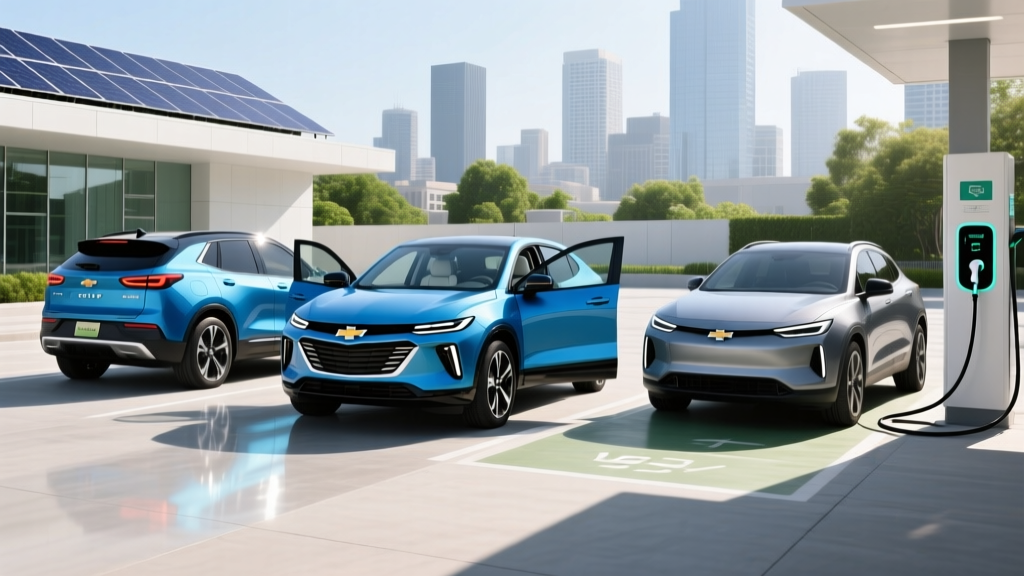
Chevrolet's 2026 electric SUV lineup covers three distinct buyer profiles. The Equinox EV (EPA range up to 319 miles, starting ~$33,600) is the value-oriented daily driver for most families. The Blazer EV (up to 324 miles EPA, starting ~$44,600) targets buyers wanting more power, space, and premium tech. The discontinued Bolt EUV remains relevant only on the used market as a budget entry point. All three ride on GM's Ultium platform (except the Bolt EUV's older architecture), support DC fast charging up to 190 kW, and may qualify for the federal §30D tax credit — though eligibility depends on your income, the vehicle's MSRP, and battery-component sourcing rules that shift annually. Check current requirements at IRS.gov before purchasing.
The 2026 Chevy Electric SUV Lineup at a Glance
Chevrolet has streamlined its electric SUV offerings around the Ultium battery platform. Here's how the current models stack up on the specifications that matter most to buyers:
| Specification | 2026 Equinox EV | 2026 Blazer EV | Bolt EUV (Used/Discontinued) |
|---|---|---|---|
| EPA Range (max config) | 319 mi (3LT FWD) | 324 mi (2LT RWD) | 247 mi |
| Battery Capacity (usable) | ~85 kWh, NMC | ~102 kWh, NMC | 65 kWh, NMC |
| Max DC Fast Charge Rate | 150 kW | 190 kW | 55 kW (CCS) |
| 10–80% DC Charge Time | ~32 min | ~24 min | ~55 min |
| Level 2 Charging (kW) | 11.5 kW | 11.5 kW | 7.2 kW (11.5 optional) |
| Horsepower | 213 hp (FWD) / 288 hp (AWD) | 288 hp (RWD) / 557 hp (SS) | 200 hp |
| 0–60 mph | ~8.0 sec (FWD) / ~6.3 sec (AWD) | ~6.0 sec (2LT) / ~3.4 sec (SS) | ~7.0 sec |
| Cargo Volume (rear seats up) | 26.4 cu ft | 25.5 cu ft | 16.3 cu ft |
| Base MSRP | ~$33,600 | ~$44,600 | Discontinued (used ~$18-25K) |
| Battery/Powertrain Warranty | 8 yr / 100,000 mi | 8 yr / 100,000 mi | 8 yr / 100,000 mi |
Sources: EPA fueleconomy.gov, Chevrolet media specifications. Real-world highway range typically runs 10–15% below EPA estimates; cold-weather (below 30°F) can reduce range by 20–30% depending on cabin heating use and whether the vehicle is preconditioned.
Range Reality Check: EPA Stickers vs. Real-World Miles
Equinox EV 3LT FWD: EPA 319 mi → Expect ~270–285 mi on highway trips at 70 mph; ~220–250 mi in freezing weather with heat on.
Blazer EV 2LT RWD: EPA 324 mi → Expect ~275–290 mi highway; ~225–260 mi in cold conditions.
Bolt EUV: EPA 247 mi → Expect ~210–225 mi highway; ~170–195 mi in cold. No heat pump — resistive heating is a significant range drain.
The Equinox EV and Blazer EV both feature GM's Ultium battery architecture with active thermal management and a heat pump (standard on most trims), which substantially reduces cold-weather range loss compared to the older Bolt EUV. If you live in the upper Midwest or Northeast and commute more than 50 miles round-trip in winter, the heat pump alone is worth the platform upgrade.
Understand that the EPA test cycle includes low-speed city driving where regenerative braking recovers significant energy. Sustained 75–80 mph highway driving is the worst-case scenario for any EV. For road trips, plan charging stops assuming ~80% of EPA range to maintain a safety buffer.
Charging Speed and Home Setup: What You'll Actually Experience
The charging experience defines daily EV ownership more than range does. Here's what each model delivers across the three charging levels:
| Charging Level | Power | Equinox EV (mi/hr added) | Blazer EV (mi/hr added) | Bolt EUV (mi/hr added) |
|---|---|---|---|---|
| Level 1 (120V household) | ~1.4 kW | ~4 mi/hr | ~4 mi/hr | ~4 mi/hr |
| Level 2 (240V home/public) | 11.5 kW | ~35 mi/hr | ~35 mi/hr | ~22 mi/hr (7.2 kW default) |
| DC Fast Charge | Up to 150–190 kW | ~175 mi in 30 min | ~220 mi in 30 min | ~80 mi in 30 min |
Home Charging Installation Costs
Most Chevy EV owners will want a Level 2 home charger for overnight replenishment. Budget for the following:
| Item | Typical Cost Range |
|---|---|
| Level 2 charger hardware (e.g., ChargePoint Home Flex, Emporia Vue) | $350–$700 |
| Electrician labor (240V/50A circuit, 40-ft run) | $800–$2,000 |
| Electrical permit | $50–$200 |
| Panel upgrade (if needed — 100A to 200A service) | $1,500–$3,500 |
| Total (typical install, no panel upgrade) | $1,200–$2,900 |
Critical note: If your home has 100-amp electrical service and you're already running central A/C, an electric dryer, and an electric oven, adding a 40-amp EV circuit may require a panel upgrade. Get a load calculation from a licensed electrician before purchasing a charger. Homes with 200-amp service rarely need an upgrade.
Both the Equinox EV and Blazer EV use the NACS (Tesla-style) connector as standard for 2026, giving you native access to the Tesla Supercharger network — a significant advantage over older CCS-equipped vehicles like the Bolt EUV, which requires a CCS-to-NACS adapter for Supercharger access.
Ownership Cost Breakdown: EV vs. Gas SUV
Let's compare five-year ownership costs between the 2026 Equinox EV 2LT AWD (~$38,000 MSRP before incentives) and a comparably equipped 2026 Chevy Equinox gas AWD (~$32,000 MSRP). Assumptions: 12,000 miles/year, $0.14/kWh home electricity, $3.40/gallon gas, 85% home charging.
| Cost Category (5 years) | Equinox EV AWD | Equinox Gas AWD |
|---|---|---|
| Purchase price (after §30D credit if eligible) | ~$30,500 (with $7,500 credit) | ~$32,000 |
| Fuel/Energy (60,000 mi) | ~$3,150 | ~$7,350 (28 MPG combined) |
| Maintenance (oil, filters, brakes, fluids) | ~$600 | ~$2,800 |
| Insurance (average) | ~$7,500 | ~$6,200 |
| Estimated depreciation | ~$14,000 | ~$12,500 |
| 5-Year Total | ~$55,750 | ~$60,850 |
The EV breaks even on purchase price almost immediately if you qualify for the full federal credit, and saves roughly $4,200 on fuel over five years. Maintenance savings are substantial — no oil changes, no spark plugs, and regenerative braking extends pad life to 80,000+ miles in many cases. Insurance runs 15–25% higher on EVs due to repair costs and battery replacement risk; get quotes before committing.
If you do not qualify for the §30D credit (due to income caps or battery sourcing requirements), the math tightens considerably. The EV still saves on fuel and maintenance, but the break-even point extends to 4–6 years depending on your local electricity rates.
Federal Tax Credit Eligibility: What Applies in 2026
The §30D Clean Vehicle Credit can reduce your federal tax liability by up to $7,500 — or, critically, be transferred to the dealer as a point-of-sale discount. But eligibility involves multiple overlapping requirements:
- Buyer income caps: AGI ≤ $150,000 (single), $225,000 (head of household), $300,000 (joint)
- MSRP cap: SUVs/pickups/vans must be ≤ $80,000; sedans ≤ $55,000
- Battery component sourcing: Percentage of battery components and critical minerals must be manufactured or assembled in North America or FTA-partner countries (thresholds increase annually)
- Final assembly: Must occur in North America
- Point-of-sale transfer: You can elect to transfer the credit to the dealer for an immediate price reduction at purchase
For 2026, both the Equinox EV and Blazer EV are assembled at GM's Spring Hill, Tennessee plant. However, battery-component and critical-mineral sourcing requirements tighten each year. The exact credit amount ($3,750 for meeting one requirement, $7,500 for meeting both) depends on the specific build date and supply-chain status. Always verify current eligibility on fueleconomy.gov's credit lookup tool using the specific VIN before purchase.
Common Misconceptions About Chevy Electric SUVs
| Myth | Fact |
|---|---|
| "The battery will need replacing in 5 years and cost $20,000." | GM warranties the Ultium battery for 8 years/100,000 miles against degradation below 60% capacity. Real-world data from similar NMC packs shows ~10–12% degradation at 100K miles. Full replacement is rare and costs $8,000–$14,000 if out of warranty. |
| "You can't road-trip an EV — charging takes too long." | The Blazer EV at 190 kW peak adds ~220 miles in 30 minutes at a DC fast charger. Combined with NACS Supercharger access, a 600-mile trip adds roughly 45–60 minutes of total charging time vs. a gas stop. |
| "EVs are worse in cold weather and can't handle snow." | Range drops 20–30% in sub-freezing temps — real, but manageable with preconditioning and a heat pump. Instant torque from the electric motor actually provides excellent traction control in snow. The Blazer EV AWD SS has 557 hp and standard AWD. |
| "I need a Tesla to use Superchargers." | 2026 Equinox and Blazer EVs come with NACS ports natively. GM was an early Supercharger network adopter. You can use Tesla's entire North American network without an adapter. |
| "Electricity from coal makes EVs worse than gas cars." | Even on the dirtiest US grid mixes, EPA lifecycle analysis shows EVs produce fewer greenhouse gas emissions over their lifetime than comparable gas vehicles. As grids decarbonize, the advantage grows. Check your local grid mix at EPA's calculator. |
Decision Framework: Which Chevy Electric SUV Should You Buy?
Choose the Equinox EV if:
- Your budget is $30,000–$40,000 (after incentives)
- You need 300+ miles of EPA range for commute security or moderate road trips
- Daily driving is under 80 miles round-trip with home Level 2 charging
- You want a practical family crossover without paying a premium badge tax
- You value low operating costs over performance
Choose the Blazer EV if:
- You want faster DC charging (190 kW vs 150 kW) for frequent road trips
- You need the SS trim's 557 hp or want a sportier driving experience
- You prefer a larger exterior footprint and more aggressive styling
- Your budget accommodates $44,000–$60,000+
- You tow occasionally (up to 1,500 lbs on AWD trims)
Look at a used Bolt EUV if:
- Your budget is under $25,000 and you want the lowest-cost entry to EV ownership
- Your daily commute is under 60 miles and you have reliable home charging
- You accept slower DC charging (55 kW peak) and no heat pump
- You understand the used-EV credit (up to $4,000 under §25E) has its own income and price caps
Consider a hybrid (like the Chevy Equinox Hybrid) instead if:
- You cannot install home Level 2 charging and rely entirely on street parking
- You regularly drive 400+ miles between stops in areas with sparse DC charging infrastructure
- Your budget is under $30,000 and you don't qualify for EV incentives
What First-Time Chevy EV Buyers Must Know
If this is your first electric vehicle, three ownership realities will shape your experience more than any spec sheet:
1. Home charging access determines satisfaction. Owners with Level 2 home charging consistently report higher satisfaction than those relying on public infrastructure. If you can install a 240V outlet in your garage or driveway, an EV becomes a "plug in overnight, wake up full" experience — like charging a phone. If you cannot charge at home, evaluate your local public charging network density before buying. Apps like PlugShare show real-time charger availability and reliability ratings.
2. Charging curves matter more than peak kW. A 190 kW peak charge rate on the Blazer EV is only sustained between roughly 10–40% state of charge. Above 60%, the rate tapers significantly to protect battery health — typically dropping to 50–80 kW. This is why manufacturers quote 10–80% times rather than 0–100%. For road trips, charge to 80% and go; the last 20% takes nearly as long as the first 60%.
3. Preconditioning is non-negotiable for fast charging. Both the Equinox EV and Blazer EV will warm or cool the battery to optimal temperature when you navigate to a DC fast charger via the built-in navigation system. This can cut your 10–80% charge time by 5–10 minutes in cold weather. Always route through the car's nav to a charger rather than just driving there.
Frequently Asked Questions
Are Chevy electric SUVs reliable compared to gas models?
Early Ultium-platform data is limited since the Equinox EV and Blazer EV launched in 2024. However, EVs have far fewer moving parts than gas vehicles — no transmission, no exhaust system, no timing belt. The primary reliability concerns center on software bugs and build-quality issues (panel gaps, infotainment glitches) rather than powertrain failures. GM's 8-year/100,000-mile battery and powertrain warranty provides substantial coverage. Check NHTSA.gov for recall and complaint data on specific model years.
Can I tow with a Chevy Equinox EV or Blazer EV?
The Equinox EV AWD is rated for up to 1,500 lbs of towing. The Blazer EV AWD trims also carry a 1,500-lb rating. These are light-duty ratings suitable for small utility trailers or a pair of dirt bikes — not boat trailers or campers. Towing reduces range by 30–50% depending on trailer weight and aerodynamics.
What happens if the Ultium battery degrades significantly?
GM's battery warranty covers capacity retention below 60% of original for 8 years or 100,000 miles. NMC chemistry in Ultium packs with active thermal management is projected to retain 85–90% capacity at 100,000 miles based on data from similar architectures. If a warranty claim is needed, GM covers the repair or replacement at no cost.
Is the Chevy Blazer EV SS worth the premium over the 2LT?
The SS trim ($60,000+ MSRP) delivers 557 hp and a 3.4-second 0–60 time — supercar acceleration in an SUV. However, it sacrifices range (EPA ~284 mi vs 324 mi on the 2LT RWD) and uses more energy per mile. If performance is a priority, the SS is genuinely thrilling. If range and value matter more, the 2LT is the smarter buy.
How do Chevy electric SUVs compare to the Tesla Model Y and Hyundai Ioniq 5?
The Tesla Model Y Long Range (~$44,000, 320 mi EPA) remains the segment benchmark for efficiency and Supercharger network maturity, though its interior quality and ride comfort draw criticism. The Hyundai Ioniq 5 (~$42,000, 303 mi EPA) charges faster at 350 kW-capable chargers (10–80% in ~18 min) thanks to its 800V architecture. The Blazer EV competes on NACS Supercharger access, interior space, and American manufacturing; the Equinox EV competes primarily on price undercutting both rivals by $8,000–$12,000.