Quick Answer: Is the New Chevy Electric Van Right for Your Fleet?
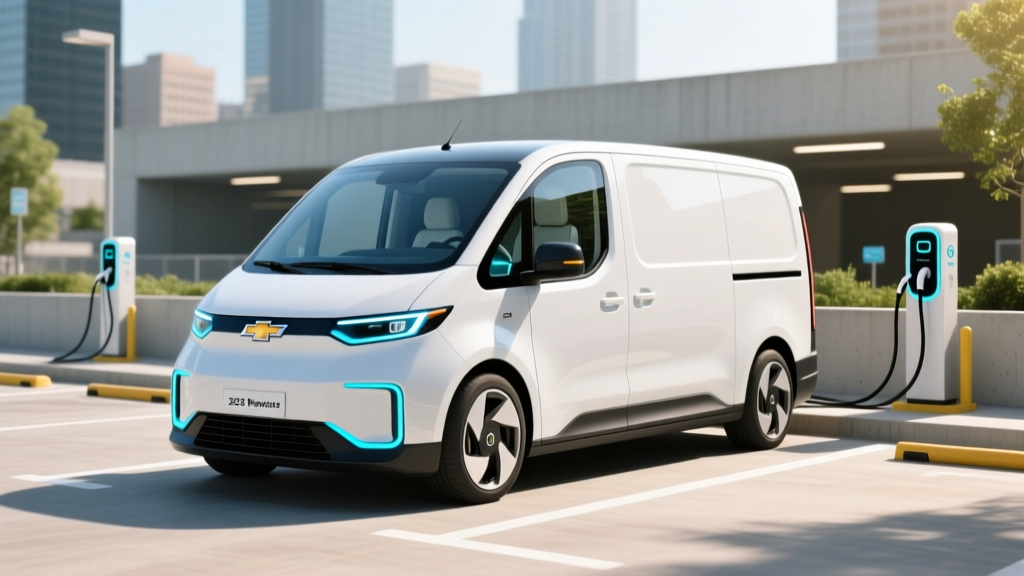
The new Chevy electric van — marketed as the BrightDrop Zevo (available in Zevo 400 and Zevo 600 variants) — is General Motors' purpose-built battery-electric commercial delivery van. For the 2026 model year, the Zevo 600 offers up to an EPA-estimated 250 miles of range from a 165 kWh usable NMC battery, while the shorter-wheelbase Zevo 400 targets ~150 miles from a ~102 kWh pack. Pricing begins around $75,000–$85,000 MSRP before incentives, placing it in direct competition with the Ford E-Transit and Rivian EDV. The Zevo is best suited for predictable urban/suburban last-mile routes under 180 miles where overnight depot Level 2 charging is available. If your routes exceed 200 miles daily or lack depot charging, a diesel Sprinter or gas Transit remains more practical.
What Is the Chevy BrightDrop Zevo?
GM launched the BrightDrop brand to serve commercial delivery fleets, and the Zevo van is its flagship hardware. Unlike a converted passenger van, the Zevo sits on GM's dedicated Ultium battery platform — the same modular architecture underpinning the Silverado EV and Blazer EV. The van is offered to fleet customers primarily through commercial ordering channels, not typical retail Chevrolet dealerships, though some Chevy commercial dealers facilitate orders.
Two body configurations are available for 2026:
- Zevo 600: ~600 cubic feet of cargo volume, longer wheelbase, up to 250 miles EPA range, ~2,200 lbs max payload.
- Zevo 400: ~400 cubic feet of cargo volume, shorter wheelbase for tighter urban routes, up to ~150 miles EPA range, ~2,500 lbs max payload.
Both share a front-mounted electric motor producing up to 300 horsepower and 325 lb-ft of torque, routed through the front wheels. That is a meaningful spec for a delivery van: full torque from 0 rpm means stop-and-go city driving requires no transmission downshifts and delivers strong off-the-line acceleration even when fully loaded.
| Spec | Zevo 400 | Zevo 600 |
|---|---|---|
| EPA Range (est.) | ~150 mi | ~250 mi |
| Battery (usable, chemistry) | ~102 kWh, NMC | ~165 kWh, NMC |
| Peak DC Fast Charge | ~120 kW | ~120 kW |
| 10–80% DC Charge Time | ~55 min | ~90 min |
| Level 2 AC Charge (max) | 11.5 kW | 11.5 kW |
| Horsepower / Torque | 300 hp / 325 lb-ft | 300 hp / 325 lb-ft |
| Cargo Volume | ~410 cu ft | ~615 cu ft |
| Max Payload | ~2,500 lbs | ~2,200 lbs |
| Base MSRP (est.) | ~$75,000 | ~$85,000 |
| Battery Warranty | 8 yr / 100,000 mi | 8 yr / 100,000 mi |
Source: BrightDrop official vehicle page. EPA range figures are estimates based on published data; confirm with your fleet representative for the exact model year and configuration. Specs may vary by upfit and payload.
Real-World Range: What Fleets Actually See
EPA range is a starting point, not a guarantee — especially for commercial vans carrying variable loads in varied climates. In fleet testing and early-adopter reporting, the Zevo 600 typically delivers:
- Urban stop-and-go routes (loaded): 200–230 miles — regen braking recovers significant energy at low speeds.
- Suburban mixed routes at 45–55 mph: 190–220 miles.
- Sustained highway at 65+ mph: 160–185 miles — the boxy aerodynamics and 6,000+ lb GVWR penalize efficiency above 60 mph.
- Cold weather (below 30°F), cabin heat + cargo: 140–180 miles — expect 25–40% range reduction. The Zevo uses a resistive heater in some configurations rather than a heat pump, which draws more kWh in winter.
Charging: Depot Level 2 Is the Backbone
Commercial electric vans live and die by depot charging. The Zevo's 11.5 kW Level 2 onboard charger means a full 0–100% recharge of the Zevo 600's 165 kWh battery takes roughly 14–15 hours on a single 48-amp Level 2 station. For fleets running single-shift daytime routes with overnight returns, this works — plug in at 6 PM, full by 8 AM.
| Charging Level | Power (kW) | Miles Added / Hour | Typical Use |
|---|---|---|---|
| Level 1 (120V) | ~1.4 kW | ~4–5 mi/hr | Emergency top-off only |
| Level 2 (240V, 48A) | 11.5 kW | ~30–35 mi/hr | Overnight depot charging |
| DC Fast Charge | Up to ~120 kW peak | ~150 mi in 45 min | Mid-shift opportunity charging |
DC fast-charging caveat: The Zevo's peak ~120 kW rate is not sustained across the full 10–80% window. Expect the charge curve to taper meaningfully above 60% SoC, which is why the 10–80% time stretches to ~90 minutes for the 165 kWh pack. For fleet planning, size your mid-shift charging buffer around 45–60 minutes for a meaningful ~100-mile top-up, not the full 80%.
Depot infrastructure cost: Installing commercial-grade Level 2 chargers (e.g., ChargePoint CT4000 or Blink HQ 200) at a fleet depot typically runs $3,000–$7,000 per port including panel upgrades, conduit runs, and permitting. For a 10-van depot, budget $40,000–$80,000 in charging infrastructure on top of vehicle acquisition. Many utilities offer commercial EV infrastructure rebates that offset 30–50% of this cost — check with your local utility.
Cost Comparison: Zevo vs. Gas Ford Transit vs. Diesel Sprinter
The purchase price of a BrightDrop Zevo is 2–2.5× that of a comparable gas van. The business case rests entirely on per-mile operating cost savings across a 5–8 year fleet lifecycle.
| Cost Category | BrightDrop Zevo 600 | Ford Transit 350 (Gas) | Mercedes Sprinter (Diesel) |
|---|---|---|---|
| Purchase Price (MSRP) | $85,000 | $48,000 | $58,000 |
| Federal §30D / 45W Credit | –$7,500 (if eligible) | $0 | $0 |
| Depot Charger (1 port, amortized) | $5,000 | $0 | $0 |
| Fuel / Energy (100k mi) | $5,400 ($0.14/kWh, 2.5 kWh/mi) | $17,500 ($3.50/gal, 14 mpg) | $18,750 ($3.75/gal, 16 mpg) |
| Maintenance (5 yr) | $2,500 | $6,000 | $7,500 |
| Insurance (est.) | $12,000 | $9,000 | $9,500 |
| Total 5-Yr Cost | $102,400 | $80,500 | $93,750 |
| Cost Per Mile | $1.02 | $0.81 | $0.94 |
Energy cost assumes commercial electricity at $0.14/kWh; fleets on time-of-use rates with overnight charging can reduce Zevo energy costs to ~$0.09/kWh. Maintenance figures reflect no oil changes, fewer brake replacements (regen braking), and no transmission service for the EV. Insurance is typically 20–30% higher for commercial EVs due to repair cost and parts availability.
Common Misconceptions About Electric Commercial Vans
| Myth | Fact |
|---|---|
| "Electric vans can't handle a full payload." | The Zevo 600 carries up to ~2,200 lbs — comparable to a Transit 350. Payload reduces range by 5–10%, not 50%. |
| "The battery will need replacing in 5 years." | GM's Ultium packs are warranted for 8 years / 100,000 miles against degradation below 60–70% capacity. Real-world fleet data shows NMC packs losing ~10–15% over 100k miles with proper SoC management. |
| "The $7,500 tax credit applies automatically." | Under IRS §30D rules, commercial vehicles may qualify under §45W (commercial clean vehicle credit) instead. Eligibility depends on GVWR, battery sourcing, and your business tax liability. Consult a tax professional. |
| "DC fast charging every day is fine." | Exclusive DC fast charging accelerates battery degradation. Fleet best practice: 85%+ of charging on Level 2 overnight, DCFC reserved for opportunity top-ups only. |
EV vs. Gas Van: Head-to-Head
| Attribute | BrightDrop Zevo 600 | Ford Transit 350 (Gas) |
|---|---|---|
| Range | ~250 mi (EPA); 200 real-world | ~430 mi (16 gal tank, 14/18 mpg) |
| Refuel / Recharge Time | 14 hr L2 / 90 min DCFC | 5 min at gas station |
| Energy Cost / Mile | $0.25–$0.35 | $0.50–$0.65 |
| Maintenance | Minimal (no oil, trans, exhaust) | Regular (oil, trans, emissions) |
| Cargo Volume | ~615 cu ft | ~487 cu ft (high-roof extended) |
| Refueling Infrastructure | Depot required | Ubiquitous |
| Cold-Weather Impact | 25–40% range loss | ~10% fuel economy loss |
| Upfront Cost | $85,000+ | $48,000+ |
Real-World Ownership: What Fleet Managers Should Plan For
Depot charging is non-negotiable. Public DC fast charging is not a viable daily strategy for a 165 kWh van. At 120 kW peak, a 10–80% session takes ~90 minutes — unacceptable downtime for a working vehicle. If your fleet lacks a depot with 240V/48A (or higher) circuit capacity, the Zevo is not practical today.
Electrical panel upgrades can be costly. A 10-van depot charging at 11.5 kW simultaneously draws ~115 kW of continuous load — likely requiring a commercial service upgrade from your utility, which can add $15,000–$50,000 and 3–6 months of lead time. Plan infrastructure 12 months before vehicle delivery.
Route planning software matters. BrightDrop bundles telematics and route optimization through its software platform. Fleets report that intelligent routing (sequencing stops to minimize miles and avoid high-speed segments) adds 10–15% effective range versus ad-hoc routing.
Driver training is essential. Regen braking in the Zevo is aggressive enough for near-one-pedal driving. New drivers need orientation to avoid abrupt stops that shift cargo. Conversely, trained drivers recover 15–20% more energy per route than those who ride the friction brake.
Cold-climate fleets: precondition. The Zevo supports scheduled preconditioning while plugged in — warming the battery and cabin from grid power before departure. This preserves 5–10% of range that would otherwise be consumed heating a cold battery on-route.
Tax Credits and Incentives (2026)
Commercial fleet buyers should evaluate two potential federal credits:
- §30D Clean Vehicle Credit: Up to $7,500 for qualifying vehicles — but subject to MSRP caps ($80,000 for vans), buyer income limits, and critical-mineral/battery-component sourcing requirements. The Zevo 600's ~$85,000 MSRP may exceed the van cap in some configurations.
- §45W Commercial Clean Vehicle Credit: For businesses and tax-exempt organizations purchasing qualified commercial clean vehicles. Credit equals the lesser of 15% of the vehicle's basis (30% if not subject to depreciation limits) or the incremental cost over a comparable gas vehicle — up to $7,500 for vehicles under 14,000 lbs GVWR, and up to $40,000 for heavier vehicles. This is often the more relevant credit for fleet buyers.
State and utility incentives vary widely. California's HVIP program, for example, has offered vouchers of $20,000–$75,000+ per electric commercial vehicle. Check with your state energy office and local utility for current programs — these change frequently and have application deadlines.
Consult a tax professional before relying on credit eligibility. IRS rules on battery sourcing and commercial credits are complex and updated regularly. See IRS.gov for current guidance.
Decision Framework: Should Your Fleet Go Zevo?
Choose the BrightDrop Zevo if:
- Daily routes are under 180 miles (Zevo 600) or under 120 miles (Zevo 400)
- You have (or can build) overnight depot Level 2 charging
- Your fleet operates primarily in urban/suburban stop-and-go environments
- You can leverage §45W or state incentives to close the purchase-price gap
- You plan to hold vehicles 6+ years (amortizing the higher upfront cost over lower operating expenses)
- Your sustainability reporting benefits from zero-tailpipe-emission miles
Stick with gas/diesel vans if:
- Daily routes regularly exceed 200 miles or are highly variable
- You lack depot charging and cannot install it (leased yard, inadequate utility service)
- Most driving is sustained highway at 65+ mph (range penalty is severe)
- You operate in extreme cold (below 10°F) where range loss exceeds 40%
- Your fleet turnover cycle is under 4 years (you won't recoup the price premium)
- Your routes include rural areas with no DC fast-charging fallback
Frequently Asked Questions
Can I buy the Chevy BrightDrop Zevo as a private individual?
BrightDrop primarily sells to commercial fleet customers through fleet sales channels. Individual retail purchase is possible in limited cases but is not the primary sales model. Contact a BrightDrop fleet representative or participating Chevy commercial dealer for availability.
How long does the Ultium battery last in a delivery van?
GM warranties the battery for 8 years / 100,000 miles against degradation below ~60–70% of original capacity. Based on data from early BrightDrop adopters like FedEx, NMC Ultium packs retain approximately 85–90% capacity after 100,000 miles when charged predominantly on Level 2 and kept between 10–90% SoC. Replacement cost, if needed out of warranty, is estimated at $15,000–$25,000 for the 165 kWh pack — a significant sum that fleet planners should model into long-term TCO.
Is the BrightDrop Zevo eligible for the $7,500 federal tax credit?
It depends on which credit applies to your situation. The §30D consumer credit has MSRP and income caps that may exclude the Zevo 600 in some trims. The §45W commercial credit is more commonly applicable for fleet purchases and can provide up to $7,500 (under 14,000 lbs GVWR) or up to $40,000 (over 14,000 lbs). Battery sourcing requirements apply to both. Consult a tax professional and review current IRS guidance.
How does the Zevo compare to the Ford E-Transit?
The Ford E-Transit offers a lower entry price (~$55,000–$65,000) and wider dealer network but significantly less range (~126 miles EPA for the high-roof extended variant with its 68 kWh battery). The Zevo 600's 250-mile EPA range and larger cargo volume make it better for longer routes, while the E-Transit suits tight urban routes under 100 miles where its lower cost wins. The Rivian EDV (used by Amazon) is not available to general fleets.
What happens if I run out of charge on a route?
The Zevo includes low-SoC warnings, range-based navigation to the nearest charger, and a "limp mode" that limits speed to conserve remaining energy. If fully depleted, the van requires a flatbed tow — it cannot be towed with wheels down without drivetrain damage. Fleet best practice: set a 15% SoC floor in telematics and reroute drivers to DC fast chargers before hitting that threshold.
Does the Zevo support over-the-air updates?
Yes. BrightDrop delivers OTA software updates covering battery management calibration, route-optimization algorithms, infotainment, and ADAS features. This allows range and efficiency improvements post-purchase as GM refines its software stack — a meaningful advantage over static gas-van powertrains.