The Short Answer on the Chevy Electric Van
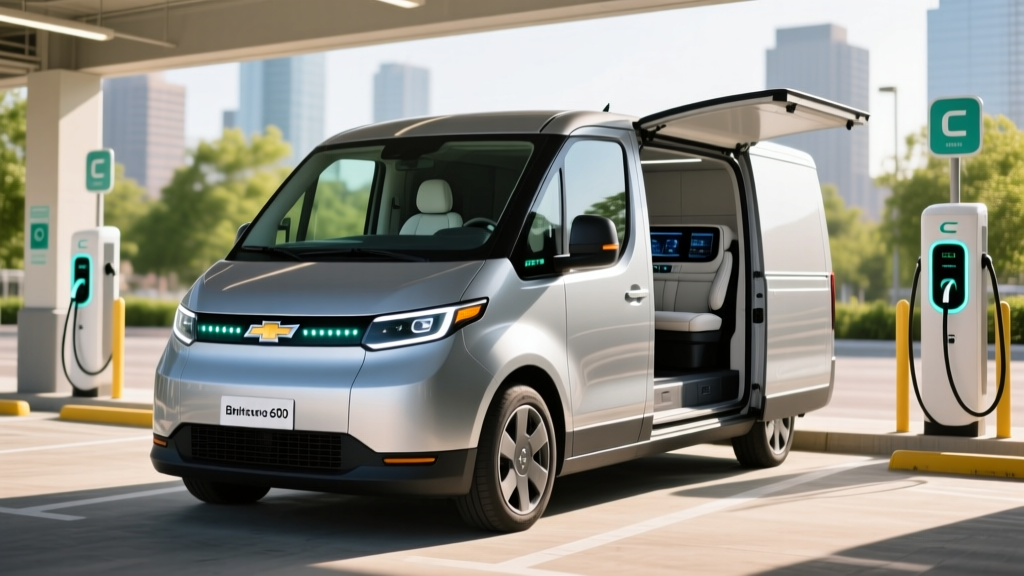
If you're searching for a Chevy van electric option in 2026, Chevrolet's commercial EV offering is the BrightDrop Zevo 600 (formerly known as the BrightDrop Zevo 600, now fully integrated under the Chevrolet brand umbrella). It delivers an EPA-estimated 250 miles of range from a 165 kWh Ultium (NMC) battery pack, supports DC fast charging up to 120 kW (10–80% in roughly 55 minutes), and starts around $72,000 MSRP for the Zevo 400 variant and $78,000 for the Zevo 600. It's designed for last-mile delivery fleets and commercial cargo operations — not consumer passenger use. If you need a personal passenger van, Chevy currently does not offer an electric minivan; the closest alternatives are the Chevy Equinox EV (SUV) or waiting for future announcements.
What the Chevy Electric Van Lineup Looks Like in 2026
Chevrolet's electric van strategy operates through BrightDrop, a GM subsidiary that designs purpose-built electric delivery vehicles. The lineup includes two main models:
- BrightDrop Zevo 400: Compact cargo van with ~200 cu ft of cargo volume, ~250-mile EPA range, ideal for dense urban delivery routes.
- BrightDrop Zevo 600: Larger step-in delivery van with ~410 cu ft of cargo volume, ~250-mile EPA range, targeting regional last-mile and middle-mile logistics.
Both models ride on GM's Ultium platform and share the same battery architecture. BrightDrop also offers the Trace electric cart for micro-delivery (warehouse-to-door), but that falls outside the van category. As of 2026, GM has not announced a consumer-oriented Chevy electric passenger van — the Chevrolet EV lineup focuses on the Equinox EV, Blazer EV, Silverado EV, and Bolt EV/EUV.
| Spec | Zevo 600 | Zevo 400 |
|---|---|---|
| EPA Range | ~250 mi | ~250 mi |
| Battery (Usable) | 165 kWh (NMC/Ultium) | 165 kWh (NMC/Ultium) |
| Peak DC Fast Charge | 120 kW | 120 kW |
| 10–80% DC Charge Time | ~55 min | ~55 min |
| Level 2 AC Charging | 11.5 kW | 11.5 kW |
| Cargo Volume | ~410 cu ft | ~200 cu ft |
| Payload Capacity | ~2,500 lbs | ~2,200 lbs |
| Horsepower | ~300 hp (FWD e-axle) | ~300 hp (FWD e-axle) |
| Base MSRP (est.) | $78,000 | $72,000 |
| Warranty (Battery) | 8 yr / 100,000 mi | 8 yr / 100,000 mi |
Real-World Range: What Fleets Actually Get
The EPA estimates 250 miles for both Zevo models, but real-world delivery operations rarely see sticker numbers. Here's what to expect based on route profiles:
- EPA Sticker: 250 miles
- Urban stop-and-go delivery (loaded): ~210–230 miles (regen braking helps recover energy)
- Highway/middle-mile at 65 mph (loaded): ~170–195 miles
- Cold weather (below 32°F, loaded): ~155–180 miles (cabin heating and battery thermal management consume significant energy)
For fleet planners: design routes around 180 usable miles as a safe operational baseline, with the Zevo's preconditioning feature helping preserve range when the van is plugged in at the depot.
The Zevo 600's large 165 kWh battery provides a meaningful buffer, but the trade-off is weight — a fully loaded Zevo 600 can weigh over 9,000 lbs GVWR, and that mass directly impacts highway efficiency. Urban delivery routes with frequent stops benefit enormously from regenerative braking, which is why city-based fleets often report range figures closer to the EPA estimate than highway-heavy operations.
Charging the Chevy Electric Van: Depot and Public Options
Commercial van charging differs fundamentally from consumer EV charging. Fleet operators typically rely on depot-based Level 2 charging overnight, supplemented by DC fast charging for mid-day top-ups.
| Charging Level | Power (kW) | Miles Added Per Hour | Full Charge Time | Typical Use Case |
|---|---|---|---|---|
| Level 1 (120V) | ~1.4 kW | ~2–3 mi/hr | ~100+ hours | Not practical for fleet use |
| Level 2 (240V, 48A) | 11.5 kW | ~20–22 mi/hr | ~14–16 hours (0–100%) | Overnight depot charging |
| DC Fast Charge | 120 kW peak | ~180–200 mi/hr (peak) | ~55 min (10–80%) | Mid-day opportunity charging |
Key charging reality: The Zevo's 120 kW peak DC rate is modest compared to passenger EVs like the Hyundai Ioniq 5 (240 kW) or Chevy Silverado EV (350 kW). That's because commercial vans prioritize battery longevity over fast-charge speed — frequent 350 kW charges accelerate NMC degradation. At 120 kW, the charge curve holds relatively flat to 50% SoC, then tapers progressively. Expect the final 80–100% to add another 40+ minutes on DC.
Depot charging infrastructure cost: Installing a commercial Level 2 station for a small fleet (5–10 vans) typically runs $3,000–$7,000 per charger (equipment + electrician + permit), but fleets often need panel upgrades, trenching, and utility coordination that push total project costs to $15,000–$40,000+ per site. Many fleets take advantage of utility commercial EV rates and state/federal fleet electrification incentives to offset this.
EV Van vs Gas Van: Total Cost of Ownership
The business case for an electric delivery van hinges on total cost of ownership (TCO), not sticker price. A gas-powered Ford E-Transit or Ram ProMaster starts $15,000–$25,000 cheaper, but the operating cost gap narrows fast in high-mileage fleet use.
| Cost Category | BrightDrop Zevo 600 (EV) | Gas Cargo Van (e.g., Ford Transit) |
|---|---|---|
| Purchase Price (base) | $78,000 | $48,000 |
| Federal Tax Credit (§30D / §45W) | Up to $7,500 (§30D) or $7,500 (§45W commercial) | $0 |
| Net Purchase After Credit | ~$70,500 | $48,000 |
| Fuel/Energy (5 yr, 150K mi) | ~$11,250 (at $0.15/kWh, 2.5 kWh/mi) | ~$33,750 (at $3.50/gal, 14 MPG) |
| Maintenance (5 yr) | ~$3,500 (no oil, fewer brake jobs) | ~$9,000 (oil, filters, brakes, transmission) |
| Insurance (5 yr est.) | ~$12,500 | ~$10,000 |
| Depot Charging Install (amortized) | ~$4,000 | $0 |
| 5-Year Total | ~$101,750 | ~$100,750 |
At parity on 5-year TCO for high-mileage routes, the EV van pulls ahead in years 6–8 as fuel and maintenance savings compound while the gas van faces major powertrain service intervals. Fleets running 40,000+ miles/year see EV payback in 3–4 years. Low-mileage routes (under 15,000 mi/yr) may not justify the upfront premium.
Tax credit note: The federal §30D clean vehicle credit applies to vehicles under 14,000 lbs GVWR purchased for personal use. For commercial fleet purchases, the §45W commercial clean vehicle credit (up to $7,500 for vehicles under 14,000 lbs, up to $40,000 for heavier vehicles) is typically the applicable incentive. Both have domestic battery-sourcing and critical-mineral requirements that evolve annually — consult a tax professional for current-year eligibility. The Zevo 600 is assembled in the U.S. (Camden, NJ), which helps with domestic-content rules.
Common Misconceptions About Electric Cargo Vans
| Myth | Fact |
|---|---|
| "Electric vans can't handle cold weather." | The Zevo's liquid-cooled Ultium battery includes active thermal management. Expect 20–30% range loss in sub-freezing temps — plan routes at 180 mi, not 250 mi, in winter. |
| "Charging takes too long for delivery schedules." | Most fleet vans charge overnight at the depot on Level 2 (11.5 kW). A full 250-mi range replenishes in ~14 hours. DC fast charging at 120 kW adds ~130 miles in 30 minutes for mid-day top-ups. |
| "EV vans have less cargo capacity." | The Zevo 600 offers ~410 cu ft — comparable to a Ford Transit 350 extended wheelbase. The flat Ultium battery skateboard actually enables a lower load floor. |
| "Battery replacement will bankrupt the fleet." | GM warranties the Ultium pack for 8 years/100,000 miles against dropping below 70% capacity. Real-world fleet data suggests NMC packs lose ~2–3% per year in commercial use. A full replacement (if needed post-warranty) is estimated at $15,000–$22,000 — significant, but amortized over 8+ years of fuel savings. |
| "The $7,500 tax credit applies to every buyer." | §30D has income caps, MSRP caps, and battery-sourcing rules. §45W (commercial) has different requirements. Always verify current-year eligibility on IRS.gov and with your tax advisor. |
Who Should Buy the Chevy Electric Van — and Who Shouldn't
Decision Framework: Is the BrightDrop Zevo Right for Your Operation?
Choose the BrightDrop Zevo 600 if:
- You run a delivery fleet with predictable daily routes under 180 miles
- You have (or can install) depot Level 2 charging for overnight replenishment
- Your vans average 25,000+ miles/year (fuel savings justify the premium)
- You operate in a metro area with access to DC fast charging for contingency top-ups
- You want to hedge against diesel/gas price volatility over a 5–8 year vehicle lifecycle
- Your sustainability reporting benefits from fleet electrification metrics
Look at a gas or diesel van instead if:
- Your daily routes regularly exceed 200 miles with no mid-day charging opportunity
- You operate in rural areas with limited public DC fast charging infrastructure
- Your fleet covers fewer than 15,000 miles/year per vehicle (TCO payback stretches too far)
- You cannot secure depot charging access (street-parked fleets face major hurdles)
- You need a passenger-configured van — the Zevo is cargo-only
What First-Time EV Fleet Buyers Need to Know
Transitioning from gas vans to electric is a bigger operational shift than buying a consumer EV. Here's what fleet managers consistently learn the hard way:
- Utility coordination takes months. Contact your utility provider 6–12 months before planned charger installation. Commercial service upgrades (especially 480V three-phase for DC fast chargers) can require transformer upgrades and lengthy permitting.
- Start with a pilot. Deploy 2–3 Zevos on your most predictable routes before committing to a full fleet conversion. Track real-world kWh/mile consumption to validate route planning.
- Train drivers on regen braking. One-pedal driving and regenerative braking can recover 15–25% of energy in stop-and-go delivery routes. Drivers used to gas vans need a week or two to adapt and maximize efficiency.
- Monitor State of Health (SoH). GM's BrightDrop telematics platform provides battery health data. Track SoH monthly — early degradation patterns can be caught under warranty.
- Insurance is higher (for now). EV commercial vehicles carry 15–25% higher insurance premiums due to repair costs and parts availability. Get quotes before finalizing your TCO model.
- Preconditioning matters. When the Zevo is plugged in at the depot, preconditioning warms or cools the battery and cabin using grid power rather than battery energy. This preserves 10–15 miles of range on cold mornings.
Frequently Asked Questions
Is there a Chevy electric passenger van for families?
No. As of 2026, Chevrolet does not offer an electric minivan or passenger van. The BrightDrop Zevo is cargo-only. Families needing electric passenger capacity should look at the Chrysler Pacifica PHEV (32 mi electric-only range), the Kia EV9 (3-row SUV, ~270 mi range), or wait for future announcements from GM. The Chevy Equinox EV and Blazer EV are 2-row SUVs, not van-class vehicles.
Can I buy a BrightDrop Zevo as an individual, or is it fleet-only?
BrightDrop initially sold exclusively to fleet customers (FedEx, Walmart, etc.), but GM has expanded availability to smaller businesses and individual commercial buyers. You can inquire through a Chevrolet Commercial dealer. However, consumer-oriented purchases (non-commercial use) are uncommon and may not qualify for the §45W commercial credit.
How does the BrightDrop Zevo compare to the Ford E-Transit?
The Ford E-Transit offers a lower starting price (~$55,000) but significantly less range (EPA ~126 miles with its 68 kWh battery). The Zevo 600's 165 kWh pack gives it roughly double the range, which matters for routes exceeding 100 miles/day. The E-Transit charges faster (peak ~115 kW on a smaller battery, reaching 80% in ~45 min) and offers a cutaway/chassis-cab configuration the Zevo doesn't. For high-mileage routes, the Zevo wins on range; for short urban hops with tight budgets, the E-Transit may suffice.
What happens if the Zevo's battery degrades past warranty?
GM's Ultium battery warranty guarantees at least 70% capacity retention for 8 years/100,000 miles. If degradation exceeds that threshold within the warranty period, GM covers repair or replacement. Post-warranty, a full pack replacement is estimated at $15,000–$22,000. However, NMC chemistry in commercial applications with moderate C-rates (the Zevo's 165 kWh pack is rarely stressed by its 300 hp motor) typically degrades 2–3% annually. At that rate, a Zevo would retain ~80% capacity after 8 years — well within the warranty floor.
Does the Chevy electric van qualify for the federal tax credit?
It depends on how you purchase it. For personal use under §30D, the Zevo may qualify for up to $7,500, subject to MSRP caps ($80,000 for vans), buyer income limits, and battery-sourcing requirements. For commercial fleet purchases, the §45W credit offers up to $7,500 (vehicles under 14,000 lbs GVWR) or up to $40,000 (heavier vehicles), with different sourcing rules. The Zevo 600's U.S. assembly (Camden, NJ) satisfies domestic manufacturing requirements, but critical-mineral and battery-component sourcing thresholds change annually. Verify current eligibility on IRS.gov.