Quick Verdict: What the Best Chevy Bolt Specials Actually Get You
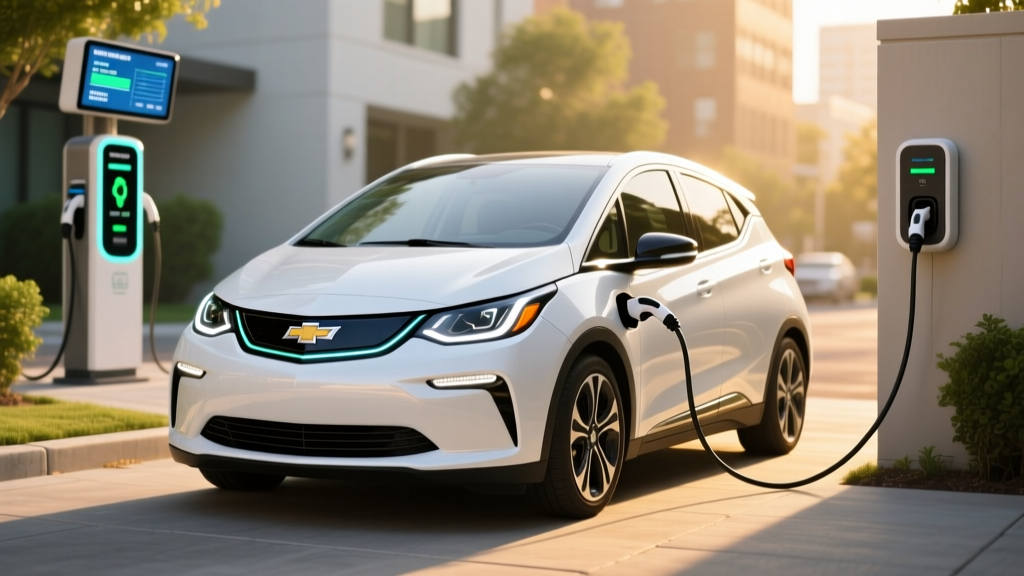
If you've been searching for chevy bolt specials, you're likely weighing whether Chevrolet's most affordable electric hatchback is the right entry point into EV ownership. The 2026 Chevy Bolt EV and Bolt EUV continue to occupy a unique position in the market: they're among the least expensive new EVs you can buy, and when dealer incentives, manufacturer discounts, and the federal tax credit align, the effective price can drop into territory that makes even budget-conscious buyers take notice.
But a low sticker price only matters if the vehicle delivers where it counts. The Bolt brings 259 miles of EPA-estimated range (247 for the EUV), a proven powertrain, and practical hatchback cargo space. Its Achilles' heel remains DC fast charging speed — a factor that matters enormously if you road-trip more than once or twice a year. Let's unpack the specs, the real ownership math, and whether current Bolt specials justify pulling the trigger.
2026 Chevy Bolt EV and EUV: Full Spec Breakdown
| Specification | Bolt EV (2LT) | Bolt EUV (Premier) |
|---|---|---|
| EPA Range | 259 miles | 247 miles |
| Battery Capacity | 65 kWh usable (NMC) | 65 kWh usable (NMC) |
| Efficiency | 120 MPGe / 28 kWh/100 mi | 115 MPGe / 29 kWh/100 mi |
| Motor Output | 200 hp / 266 lb-ft | 200 hp / 266 lb-ft |
| Drivetrain | FWD (single motor) | FWD (single motor) |
| 0–60 mph | ~6.5 seconds | ~6.8 seconds |
| Max DC Fast Charge | 55 kW (CCS) | 55 kW (CCS) |
| 10–80% DCFC Time | ~55 minutes | ~55 minutes |
| Level 2 Home Charging | 11.5 kW (~39 mi/hr) | 11.5 kW (~39 mi/hr) |
| Cargo Volume (rear seats up) | 16.6 cu ft | 36.3 cu ft |
| Cargo Volume (rear seats folded) | 57.0 cu ft | 63.6 cu ft |
| Rear Legroom | 36.0 in | 39.1 in |
| Battery/Powertrain Warranty | 8 yr / 100,000 mi | 8 yr / 100,000 mi |
| Base MSRP | ~$28,785 | ~$33,295 |
Sources: EPA fueleconomy.gov, Chevrolet spec sheets.
Real-World Range: What 259 Miles Actually Looks Like
Real-World Expectation: ~215–240 mi highway; ~180–210 mi in freezing weather with cabin heat
The Bolt's 65 kWh NMC (nickel manganese cobalt) battery pack delivers strong city efficiency thanks to aggressive regenerative braking and the stop-and-go driving patterns that favor EVs. In mild weather around town, owners regularly report exceeding the EPA estimate — 270+ miles is achievable at suburban speeds with one-pedal driving engaged.
Highway driving tells a different story. At sustained 70–75 mph speeds, aerodynamic drag cuts into range noticeably. Expect roughly 215–240 miles before you're hunting for a charger on a warm day. In cold weather (below 30°F), battery chemistry slows and cabin heating draws significant energy from the pack. Plan for 180–210 miles of usable range in winter conditions, and precondition the battery while still plugged in to mitigate losses.
The Bolt does not include a heat pump — it uses resistive heating, which is less efficient than the heat-pump systems found in competitors like the Hyundai Ioniq 5 or Tesla Model Y. If you live in a cold climate, this is a meaningful ownership consideration that no dealer special can fix after purchase.
Charging Speed: The Bolt's Most Honest Limitation
This is where the Bolt's value proposition hits a wall — and where you need to decide whether your driving patterns can accommodate it.
| Charging Level | Power | Speed (Miles Added) | Time (10–80%) |
|---|---|---|---|
| Level 1 (120V household) | ~1.4 kW | ~4 mi/hr | ~45+ hours |
| Level 2 (240V home/public) | 11.5 kW | ~39 mi/hr | ~7 hours (full) |
| DC Fast Charge (CCS) | 55 kW peak | ~150 mi/hr (peak) | ~55 min (10–80%) |
At 55 kW peak DC fast charging, the Bolt is a generation behind competitors. The Hyundai Kona Electric charges at up to 100+ kW; the Tesla Model 3 peaks near 250 kW on V3 Superchargers. On a road trip, that 55-minute 10–80% session means longer stops and more careful route planning around PlugShare-listed CCS stations.
For daily use with home Level 2 charging, this is largely irrelevant. Plug in overnight, wake up to a full battery every morning, and you'll rarely think about DC charging. But if you frequently drive routes exceeding 200 miles one-way without reliable destination charging, the Bolt's charge curve becomes a genuine friction point.
The Bolt uses the CCS1 connector. Chevrolet has announced NACS (Tesla Supercharger) adapter compatibility for future model years, but as of the 2026 model year, you're relying on CCS networks: Electrify America, EVgo, and ChargePoint DC stations.
Pricing, Dealer Specials, and Federal Tax Credit Math
Here's where searching for chevy bolt specials pays off — if you navigate the incentives correctly.
| Cost Factor | Bolt EV 2LT | Bolt EUV Premier |
|---|---|---|
| Base MSRP | $28,785 | $33,295 |
| Typical Dealer Discount / Special | −$1,000 to −$3,000 | −$1,500 to −$4,000 |
| Federal §30D Tax Credit (max) | −$7,500 | −$7,500 |
| Effective Price (best case) | ~$18,285 | ~$21,795 |
Federal tax credit eligibility (§30D) requires meeting all of the following:
- MSRP cap: Vehicle must be under $55,000 (sedans/hatchbacks) — both Bolt models qualify easily.
- Buyer income cap: Modified AGI must not exceed $150,000 (single), $225,000 (head of household), or $300,000 (joint filers).
- Battery sourcing: Critical minerals and battery components must meet phased-in domestic/free-trade sourcing requirements per IRS rules. These requirements tighten annually — verify current-year compliance with your dealer before signing.
- Point-of-sale transfer: As of 2024+, you can transfer the credit to the dealer at purchase, reducing your out-of-pocket cost immediately rather than waiting for tax filing.
When you stack a dealer special (often $1,500–$3,000 off during promotional periods) with the full $7,500 federal credit, a Bolt EV can land under $20,000 out the door — making it arguably the most affordable new EV in America. That's the headline that drives search interest in Chevy Bolt specials, and it's real, but only if you meet every credit requirement.
State and local incentives vary. Check AFDC's incentive database for your jurisdiction. Some states offer additional rebates of $1,000–$5,000 that stack on top.
Performance, Interior, and Daily Livability
The Bolt's 200-horsepower, single-motor front-wheel-drive setup isn't going to win drag races, but the 266 lb-ft of instant torque makes it genuinely quick off the line. The 0–60 mph time of roughly 6.5 seconds puts it ahead of many gas-powered compact hatchbacks and makes highway merging effortless. There is no AWD or dual-motor option.
Interior and tech highlights:
- 10.2-inch diagonal infotainment touchscreen with wireless Apple CarPlay and Android Auto
- 8-inch digital driver cluster
- Available Super Cruise (on EUV Premier) — GM's hands-free Level 2 driver-assistance system for mapped highways
- Chevy Safety Assist suite: automatic emergency braking, lane keep assist, following distance indicator, front pedestrian braking
- One-pedal driving mode with regen-on-demand paddle
Notable drawbacks:
- Rear seats don't fold completely flat — a lip remains at the cargo floor transition
- No front trunk (frunk) — the motor compartment is sealed
- Interior materials are hard-plastic heavy, consistent with the price point but noticeable vs. premium competitors
- No DC fast charging upgrade path — 55 kW is a hardware limitation of the platform
Who Should Buy the Bolt — And Who Shouldn't
Choose the Chevy Bolt if:
- You commute under 80 miles round-trip and charge at home overnight
- You want the lowest-cost entry into a new EV with full federal credit eligibility
- You prioritize city/suburban efficiency over road-trip charging speed
- You need a compact hatchback with usable cargo space (16.6 cu ft EV, 36.3 cu ft EUV)
- You're a first-time EV buyer testing the waters without a massive financial commitment
Look elsewhere if:
- You regularly drive 250+ miles one-way and need fast DC charging
- You need AWD for snow-belt winters (consider the Ioniq 5 or Model Y AWD)
- You tow anything — the Bolt is not rated for towing
- You want a heat pump for cold-climate range preservation
Bolt vs. Key Competitors: Where the Specials Stack Up
Even with aggressive Chevy Bolt specials, it's worth comparing the effective price against rivals:
- Hyundai Kona Electric: ~261 mi range, faster ~100 kW DC charging, slightly higher MSRP (~$33,000). Better road-trip car, but typically $5,000–$8,000 more after credits.
- Tesla Model 3 RWD: ~272 mi range, 170 kW DC charging, Supercharger access, but starts ~$38,000+ and may have reduced credit eligibility depending on sourcing.
- Nissan Leaf: Lower range (up to 212 mi on SV Plus), CHAdeMO connector (declining infrastructure), but often heavily discounted. The Bolt's CCS connector is a more future-proof choice.
The Bolt wins on pure price. It loses on charging speed and platform modernity. Whether that trade-off matters depends entirely on your driving patterns.
Warranty and Long-Term Battery Outlook
Chevrolet backs the Bolt's battery and electric drive unit with an 8-year / 100,000-mile warranty (whichever comes first), with a capacity retention threshold of 60% — meaning if your pack degrades below 60% of original capacity within the warranty period, GM will repair or replace it.
Real-world data from earlier Bolt generations (2017–2022) has shown modest degradation, typically 5–10% over the first 60,000 miles, though the 2021–2022 battery recall for fire risk (due to manufacturing defects in certain LG Chem cells) is a historical note worth acknowledging. The 2026 Bolt uses updated Ultium-adjacent cell sourcing and GM has revised its quality controls. Check the NHTSA recall database for any open recalls on your specific VIN before purchase.
Frequently Asked Questions
What is the real-world range of the 2026 Chevy Bolt?
The EPA rates the Bolt EV at 259 miles and the EUV at 247 miles. In real-world mixed driving, expect 215–240 miles on the highway in warm weather, and 180–210 miles in freezing temperatures with cabin heat. City driving with regenerative braking can match or slightly exceed the EPA sticker.
How fast does the Chevy Bolt charge at home and on the road?
On a Level 2 home charger (240V, 11.5 kW), the Bolt adds roughly 39 miles of range per hour — a full overnight charge from empty takes about 7 hours. On DC fast chargers, it peaks at 55 kW, taking approximately 55 minutes from 10–80%. This is slow compared to competitors charging at 100–250 kW.
Does the 2026 Chevy Bolt qualify for the $7,500 federal tax credit?
Both the Bolt EV and EUV are eligible for up to $7,500 under IRS §30D, provided the buyer meets income caps ($150K single / $300K joint), the vehicle MSRP is under $55,000 (both qualify), and the battery meets current-year critical mineral and component sourcing requirements. Always verify eligibility with your dealer and a tax professional before purchase. Rules tighten annually.
How much does a Chevy Bolt cost after all incentives?
With a base MSRP of ~$28,785 (EV 2LT), a typical dealer discount of $1,500–$3,000, and the full $7,500 federal credit applied at point of sale, an effective price of roughly $18,000–$20,000 is achievable. State incentives can push this even lower. The EUV Premier, starting ~$33,295, lands around $22,000–$25,000 with similar stacking.
Is the Chevy Bolt worth buying vs. the Kona Electric or Model 3?
If your priority is the lowest possible purchase price and you charge primarily at home, the Bolt is the clear value winner. If you road-trip frequently and need faster DC charging (10–80% in 18–25 minutes vs. the Bolt's 55 minutes), the Kona Electric or Model 3 are better choices — but at significantly higher cost.
What are the biggest pros and cons of the Chevy Bolt?
- Lowest effective EV price with federal credit
- 259-mile EPA range is strong for the class
- Peppy 200 hp motor with instant torque
- Practical hatchback cargo space
- Wireless CarPlay/Android Auto standard
- Available Super Cruise on EUV
- 55 kW DC fast charging is very slow
- No heat pump — cold-weather range suffers
- FWD only — no AWD option
- Interior plastics feel budget-tier
- No frunk for additional storage
- CCS-only (no native NACS/Supercharger access)
Can I use Tesla Superchargers with the Chevy Bolt?
Not natively. The 2026 Bolt uses the CCS1 connector. GM has committed to NACS adapter availability for future models, but current Bolt owners must rely on CCS networks (Electrify America, EVgo, ChargePoint) for DC fast charging. An adapter solution may become available — check with your dealer for the latest compatibility updates.