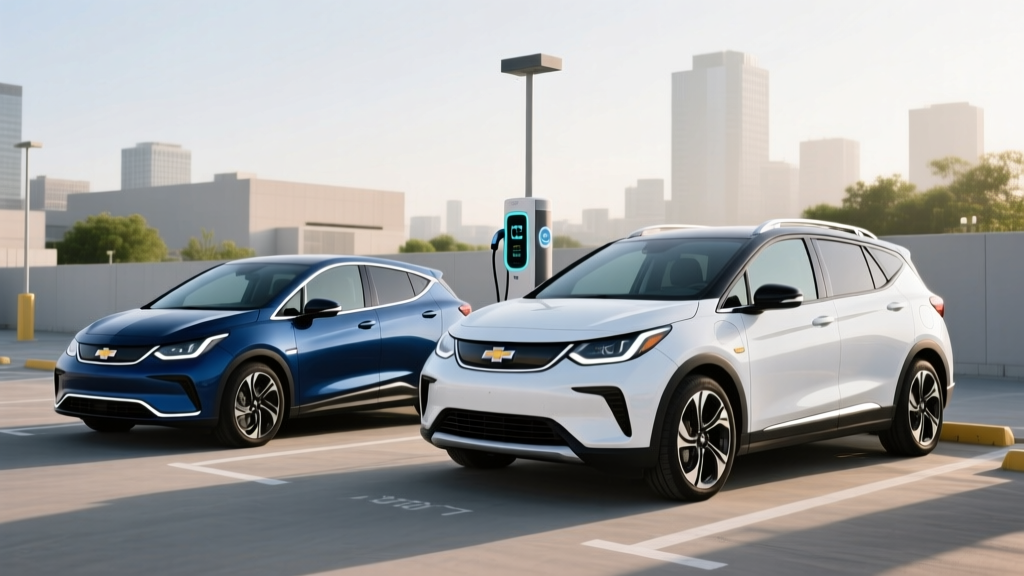
The Chevrolet Bolt has long been the benchmark for affordable electric mobility, and the 2026 model year brings a refreshed platform with faster charging and the transition to the North American Charging Standard (NACS). For buyers searching for chevy bolt special offers, the current landscape is a mix of aggressive manufacturer incentives, federal tax credits, and a vehicle that finally addresses its biggest historical flaw: DC fast-charging speeds.
As a data-driven analyst who has tracked the Bolt's evolution from its 60 kWh origins to the current Ultium-based architecture, I view the 2026 Bolt not as a luxury cruiser, but as the most pragmatic urban EV on the market. Below, we break down the exact specifications, real-world efficiency, and financial incentives that determine if this EV belongs in your driveway.
2026 Bolt EV and EUV: Quick Specifications
| Feature | Bolt EV (Hatch) | Bolt EUV (SUV) |
|---|---|---|
| Base MSRP | $27,995 | $29,795 |
| EPA Range | 255 miles | 247 miles |
| Battery Capacity | 65 kWh (NMC) | 65 kWh (NMC) |
| Max DC Charge Rate | 150 kW | 150 kW |
| 0-60 mph | 6.5 seconds | 6.8 seconds |
| Drivetrain | FWD | FWD |
| Efficiency | 120 MPGe | 115 MPGe |
Real-World Range and Efficiency
EPA vs. Reality
EPA Estimate: 255 miles (EV) / 247 miles (EUV)
Real-World Highway (70 mph): ~210-225 miles
Cold Weather (Freezing): ~175-190 miles
Note: The Bolt's lack of a standard heat pump on lower trims means winter efficiency can drop by 25-30% in sub-freezing climates.
The 2026 Bolt utilizes a 65 kWh (usable) Ultium battery module with Nickel Manganese Cobalt (NMC) chemistry. While it offers excellent energy density, it requires more careful thermal management than the LFP batteries found in some competitors. In city driving, where regenerative braking is maximized, hitting the 255-mile sticker is common; however, sustained highway driving or winter commutes will see that number dip closer to 200 miles.
Charging: The NACS Transition
The most significant update for the 2026 Bolt is the native NACS charge port. This grants access to the Tesla Supercharger network without an adapter—a massive reliability upgrade for road-trippers.
| Level | Power/Rate | Time to Charge |
|---|---|---|
| Level 1 (120V) | 1.2 kW | ~4 miles per hour |
| Level 2 (240V) | 11.5 kW | ~42 miles per hour (Full in ~7 hrs) |
| DC Fast Charge | 150 kW (Peak) | 10-80% in ~32 minutes |
Charging Curve Insight: While the Bolt peaks at 150 kW, it only sustains this rate up to approximately 40% State of Charge (SoC). Expect the rate to taper to 70 kW by 60% and 40 kW by 80%. For the best battery health, preconditioning via the infotainment system is essential before arriving at a DC station.
Current Special Offers and Pricing
Finding the right chevy bolt special offers requires looking at both manufacturer discounts and federal incentives. Chevrolet frequently offers "GM Loyalty" or "Conquest" cash (typically $1,000–$2,000) that can be stacked with dealer discounts.
| Trim | MSRP | Est. Dealer Discount | Federal Credit (Est.) | Final Price |
|---|---|---|---|---|
| EV LT | $27,995 | -$1,000 | -$7,500 | ~$19,495 |
| EV Premier | $32,395 | -$1,500 | -$7,500 | ~$23,395 |
| EUV LT | $29,795 | -$1,000 | -$7,500 | ~$21,295 |
Note: Federal credit eligibility depends on your taxable liability and the vehicle's battery sourcing. Always verify current IRS §30D requirements.
Federal Tax Credit Eligibility (§30D)
As of 2026, the Bolt remains one of the few vehicles that consistently qualifies for the full $7,500 federal tax credit, provided you meet the following criteria:
- MSRP Cap: Must be under $55,000 (The Bolt easily qualifies).
- Income Cap: AGI must not exceed $150k (Single) / $300k (Joint).
- Battery Sourcing: GM has made significant strides in North American mineral sourcing, but always check the official DOE/FuelEconomy list at the time of purchase.
- Point-of-Sale: You can now transfer the credit to the dealer for an immediate price reduction.
Interior, Tech, and Daily Livability
The 2026 interior is a step up from the previous generation, featuring an 11-inch diagonal infotainment screen with wireless Apple CarPlay and Android Auto. The cabin is surprisingly spacious for its footprint:
- Legroom (Rear): 39.1 inches (EUV) / 35.6 inches (EV)
- Cargo Volume: 57.2 cu ft (EV max) / 63.6 cu ft (EUV max)
ADAS Note: The Bolt offers "Super Cruise" on select trims—a Level 2 hands-free system. It is not self-driving; the driver must remain attentive and keep their eyes on the road as monitored by the cabin camera.
Pros and Cons
Pros
- Unbeatable value after tax credits.
- Native NACS port for 2026.
- Class-leading efficiency in city driving.
Cons
- No heat pump standard on base trims.
- Front-wheel drive only (no AWD option).
- DC charging is slower than 800V competitors.
Frequently Asked Questions
Is the Chevy Bolt being discontinued?
GM has committed to the Bolt nameplate on the Ultium platform for the foreseeable future, ensuring parts and support for the 2026 models.
Can I use a Tesla Supercharger with a 2026 Bolt?
Yes. The 2026 Bolt features a native NACS port, meaning you can plug directly into a V3 or V4 Supercharger without any adapters.
How long is the battery warranty?
Chevrolet provides an 8-year/100,000-mile warranty for the battery and powertrain, covering defects and capacity loss below 60%.