Quick Verdict: The Budget EV King Returns Refreshed
The Chevy Bolt EV has long been the entry point for buyers who want real electric range without a $40,000+ price tag. For 2026, Chevrolet carries forward the second-generation platform with the Ultium-derived 65 kWh battery pack, a starting MSRP that undercuts nearly every competitor, and full eligibility for the federal EV tax credit under current IRS §30D rules. It isn't the fastest-charging EV on the market, and highway road trips require patience, but as a daily commuter and urban runabout, the Bolt EV delivers more usable range per dollar than anything else in its class.
EPA Estimated Range: 259 miles (1LT trim)
Real-World Expectation: ~230–245 miles in mixed city/highway driving; ~200–215 miles at sustained 75 mph highway speeds; ~175–195 miles in freezing temperatures (below 32°F) with cabin heat. The Bolt's liquid-cooled battery and heat pump help mitigate cold-weather losses, but expect a 20–30% range reduction in deep winter conditions common across the northern U.S.
2026 Chevy Bolt EV: Full Spec Sheet
| Specification | 2026 Chevy Bolt EV |
|---|---|
| EPA Range | 259 miles (1LT) / 255 miles (2LT) |
| Battery Capacity | 65 kWh usable (NMC lithium-ion, Ultium-based) |
| MPGe (Combined) | 120 MPGe (131 city / 109 highway) |
| Energy Consumption | 28 kWh/100 mi |
| Motor Output | 200 hp / 266 lb-ft torque |
| 0–60 mph | ~6.5 seconds |
| Drivetrain | FWD (single front-mounted motor) |
| Max DC Fast Charge | 55 kW (CCS1 connector) |
| 10–80% DC Charge Time | ~50 minutes |
| Level 2 Home Charge Rate | 11.5 kW onboard charger (~39 mi/hr) |
| Base MSRP | $26,995 (1LT) / $30,595 (2LT) |
| Battery Warranty | 8 years / 100,000 miles |
| Bumper-to-Bumper | 3 years / 36,000 miles |
Sources: EPA Fuel Economy, Chevrolet Bolt EV Configurator
Battery and Powertrain: Ultium Chemistry Explained
The 2026 Bolt EV uses a 65 kWh (usable) NMC (nickel-manganese-cobalt) lithium-ion battery pack built on GM's Ultium platform architecture. This is a meaningful upgrade from the first-generation Bolt's LG Chem-supplied cells, which were subject to the 2021–2022 recall and replacement campaign. The current-generation pack features improved thermal management with active liquid cooling, which keeps cell temperatures in the optimal range during both fast charging and hot-weather driving.
NMC chemistry offers a strong balance of energy density and cycle life, though it doesn't match LFP (lithium iron phosphate) for long-term degradation resistance or the ability to sit at 100% state of charge without stress. GM recommends daily charging to 80% for routine use, reserving 100% charges for road trips. The battery's state-of-health (SoH) monitoring is accessible through the myChevrolet app, giving owners visibility into capacity retention over time.
The single front-mounted permanent-magnet motor produces 200 horsepower and 266 lb-ft of torque, routed exclusively to the front wheels. The 0–60 mph time of approximately 6.5 seconds is brisk for a subcompact hatchback — quick enough for confident highway merging and passing, though it won't challenge a Tesla Model 3 or Hyundai Ioniq 5 in a straight line. Regenerative braking offers two modes: standard (coast-friendly) and One-Pedal Driving, which brings the car to a full stop using regen alone in most traffic situations.
Charging Speeds: Where the Bolt Shows Its Limits
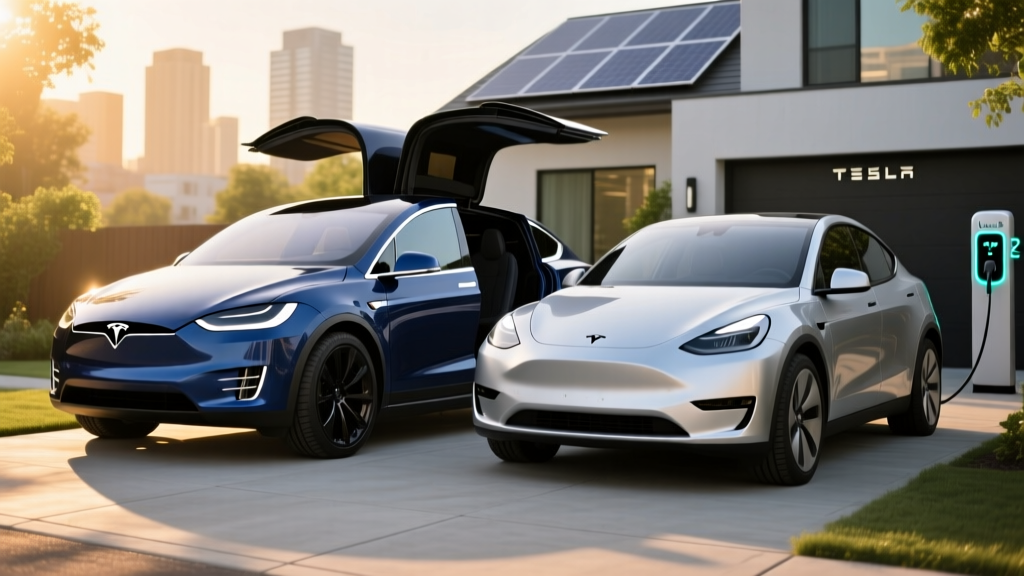
Here's the honest truth that every prospective Bolt EV buyer needs to understand: the 55 kW peak DC fast-charging rate is the vehicle's most significant compromise. While competitors like the Hyundai Kona Electric (100+ kW), Kia Niro EV, and especially the Tesla Model 3 (up to 250 kW) charge dramatically faster on the road, the Bolt's CCS1 charge curve peaks briefly around 55 kW in the 10–30% state-of-charge window, then tapers steadily through the rest of the session.
| Charging Level | Power / Rate | Miles Added | Best Use Case |
|---|---|---|---|
| Level 1 (120V standard outlet) | ~1.4 kW | ~4 miles per hour | Emergency / overnight trickle |
| Level 2 (240V home, 48A circuit) | 11.5 kW | ~39 miles per hour | Daily home charging (full charge ~7 hours) |
| DC Fast Charge (CCS1) | 55 kW peak | ~160 miles per hour (peak) | Road-trip stops; 10–80% in ~50 min |
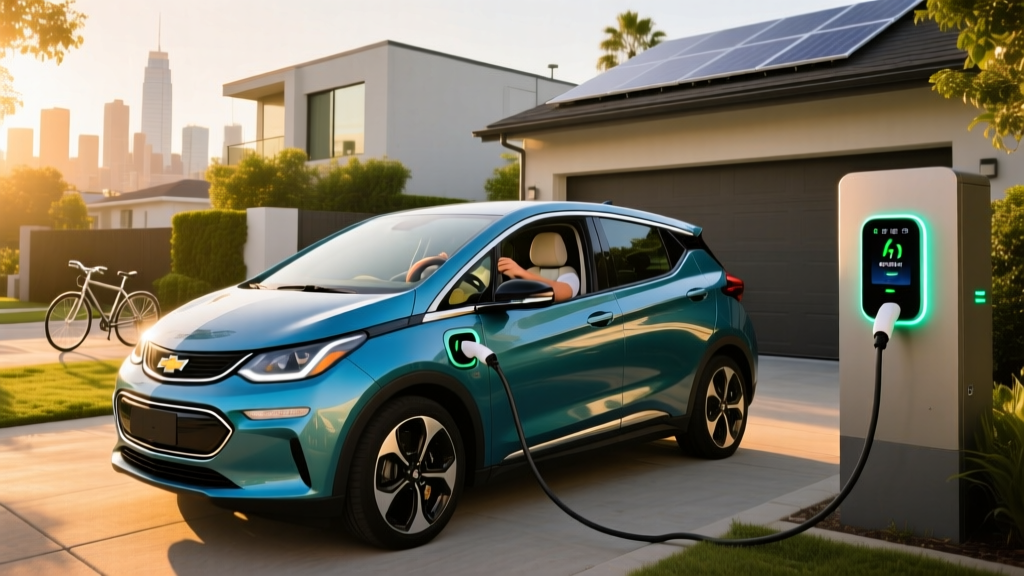
Home charging is where the Bolt shines. The 11.5 kW onboard charger is among the best in its class, meaning a full overnight charge from near-empty takes roughly 7 hours on a properly installed 240V/48A Level 2 home station. For most owners who plug in nightly, the Bolt always starts the day with a full 259-mile battery — and that makes the slow DC charging irrelevant for daily life.
Road trips require planning. A 50-minute 10–80% stop every ~180 miles (accounting for highway efficiency losses) means a 600-mile trip involves roughly three charging stops totaling 2.5+ hours. If your driving pattern includes frequent 300+ mile highway trips, a faster-charging EV like the Ioniq 5 or Model 3 will save substantial time and frustration.
Pricing, Trims, and Federal Tax Credit Eligibility
The 2026 Chevy Bolt EV is offered in two trims:
- 1LT — $26,995 MSRP: 17-inch alloy wheels, 10.2-inch infotainment touchscreen with wireless Apple CarPlay and Android Auto, heated front seats, heated steering wheel, Chevy Safety Assist suite (automatic emergency braking, lane-keep assist, following distance indicator, front pedestrian braking, IntelliBeam auto high beams), and a 6-speaker audio system.
- 2LT — $30,595 MSRP: Adds adaptive cruise control, blind-spot monitoring with rear cross-traffic alert, leatherette seating, Bose premium audio, wireless phone charging, and 18-inch machined-face alloy wheels.
| Trim | MSRP | Est. Federal Credit | Effective Price |
|---|---|---|---|
| 1LT | $26,995 | Up to $7,500* | ~$19,495 |
| 2LT | $30,595 | Up to $7,500* | ~$23,095 |
Eligibility for the full $7,500 credit depends on meeting ALL of the following criteria:
- Buyer Income Caps: AGI ≤ $150,000 (single) / $225,000 (head of household) / $300,000 (married filing jointly)
- MSRP Cap: Vehicle MSRP must not exceed $55,000 (cars) — Bolt EV qualifies easily
- Battery Sourcing: Critical minerals and battery components must meet escalating domestic-content thresholds per IRS guidelines. GM has worked to qualify the Bolt EV's Ultium pack, but sourcing rules tighten annually. Verify eligibility at the point of sale.
- Point-of-Sale Transfer: The credit can now be applied as an upfront discount at the dealer, reducing your out-of-pocket cost immediately rather than waiting for a tax refund.
Interior, Cargo, and Daily Livability
The Bolt EV is a subcompact hatchback, and its dimensions reflect that. Front-seat passengers enjoy generous headroom and legroom (42.3 inches front legroom), and the upright seating position provides good outward visibility. Rear legroom (35.4 inches) is adequate for average-height adults on shorter trips but will feel tight for taller passengers on longer drives.
Cargo volume: 16.6 cubic feet behind the rear seats, expanding to 57.0 cubic feet with the 60/40 split rear seats folded. That's competitive with the Kia Niro EV and slightly less than the Hyundai Kona Electric. There is no front trunk (frunk) — the space under the hood houses the motor and power electronics.
The 10.2-inch infotainment screen runs GM's latest software with responsive touch input, wireless phone integration, and available built-in navigation. The digital instrument cluster provides real-time energy flow, range estimation, and regen-level feedback. Physical knobs for volume and climate controls are a welcome ergonomic choice that many EV competitors have abandoned.
Safety and Driver Assistance
The 2026 Bolt EV comes standard with the Chevy Safety Assist suite across both trims, which includes:
- Automatic Emergency Braking with pedestrian detection
- Lane Keep Assist with Lane Departure Warning
- Following Distance Indicator
- IntelliBeam automatic high beams
- Forward Collision Alert
The 2LT trim adds Adaptive Cruise Control and Blind Zone Steering Assist with rear cross-traffic alert. These are SAE Level 1 driver-assistance features — they support the driver but require full attention and hands-on-wheel operation at all times. The Bolt EV does not offer GM's Super Cruise hands-free driving system; that technology remains reserved for higher-priced GM vehicles.
The Bolt EV earned a 5-Star Overall Safety Rating from NHTSA and has performed well in IIHS testing, though buyers should verify the latest model-year crash test results as ratings update.
Bolt EV vs. the Competition: Where It Fits
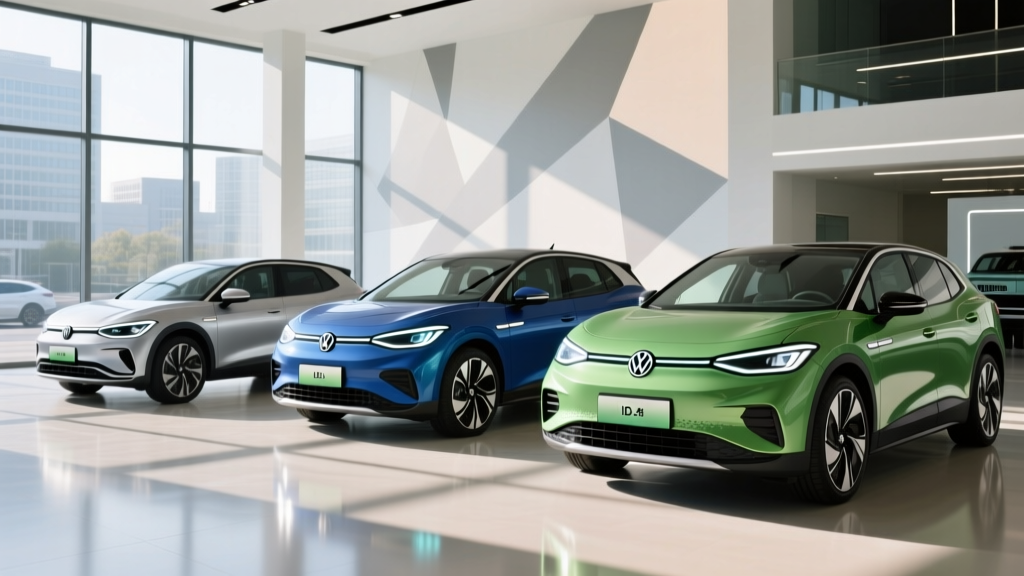
The Bolt EV's competitive set includes the Hyundai Kona Electric, Kia Niro EV, Nissan Leaf, and (at a higher price point) the Tesla Model 3 and Hyundai Ioniq 5. Here's how the key specs compare:
| Metric | Chevy Bolt EV | Hyundai Kona Electric | Kia Niro EV |
|---|---|---|---|
| EPA Range | 259 mi | 261 mi | 239 mi |
| Battery | 65 kWh NMC | 64.8 kWh NMC | 64.8 kWh NMC |
| DC Fast Charge | 55 kW | 100+ kW | 85 kW |
| Base MSRP | $26,995 | $32,975 | $39,600 |
| 0–60 mph | 6.5 sec | ~7.2 sec | ~7.8 sec |
- Budget is your top priority — nothing else offers 250+ miles of range under $28K
- Your driving is primarily commuting and city errands (under 100 miles/day)
- You have reliable home Level 2 charging and rarely need public DC fast charging
- You want a proven, simple EV with low running costs and strong efficiency
- You take frequent road trips over 250 miles and need fast DC charging
- You need AWD for snow-belt winters
- You want hands-free highway driving assistance (Super Cruise / Autopilot)
- Rear-seat space for adults on long trips is a priority
Pros, Cons, and Ownership Reality
- Lowest MSRP of any 250+ mile EV on the market
- Strong 11.5 kW Level 2 home charging rate
- Spunky 200-hp motor makes it fun around town
- Generous cargo space for a subcompact hatch
- Full federal tax credit eligibility (verify sourcing)
- Physical climate controls and straightforward infotainment
- 8-year/100,000-mile battery warranty
- 55 kW DC fast charging is painfully slow for road trips
- FWD only — no AWD option for snow/ice traction
- Rear seat is tight for tall adults on long drives
- No frunk (front trunk) for extra storage
- No Super Cruise or advanced hands-free driving option
- CCS1 connector (not NACS) — may need adapter for Tesla Superchargers
- Plastic-heavy interior reflects budget pricing
Frequently Asked Questions
What is the real-world range of the 2026 Chevy Bolt EV?
The EPA rates the Bolt EV at 259 miles, but real-world results depend heavily on driving conditions. In mild weather with mixed city/highway driving, expect 230–245 miles. At sustained 75 mph highway speeds, plan for roughly 200–215 miles. In sub-freezing temperatures with the heater running, range can drop to 175–195 miles. The Bolt's heat pump helps, but cold-weather chemistry limitations affect all NMC batteries.
How fast does the Bolt EV charge at home and on the road?
At home on a 240V Level 2 charger, the Bolt accepts up to 11.5 kW, adding roughly 39 miles of range per hour and achieving a full charge from empty in about 7 hours. On DC fast chargers, it peaks at 55 kW, making a 10–80% session take approximately 50 minutes. This is the Bolt's weakest spec — it's roughly half the speed of a Kona Electric on DC.
Does the 2026 Bolt EV qualify for the $7,500 federal tax credit?
The Bolt EV qualifies on MSRP ($26,995–$30,595, well under the $55,000 car cap) and is manufactured by GM in the U.S. However, full credit eligibility depends on your adjusted gross income (must fall under IRS caps), the battery's critical-mineral and component sourcing meeting 2026 thresholds, and your overall tax liability. The credit can be transferred to the dealer at point of sale as an upfront discount. Confirm eligibility with your dealer and review current IRS §30D guidelines.
Is the Bolt EV worth buying over the Kona Electric or Niro EV?
If price is your primary factor, the Bolt EV is a clear winner — it undercuts both competitors by $5,000–$13,000 while offering comparable or better range and more horsepower. If fast DC charging for road trips matters to you, the Kona Electric's 100+ kW rate is a meaningful advantage worth the premium. The Niro EV offers more interior space but at a steep price increase with slower charging than the Kona.
What's the total cost of ownership compared to a gas car?
At a national average electricity rate of ~$0.16/kWh, fully charging the Bolt's 65 kWh battery costs roughly $10.40 — delivering 259 miles for about $0.04 per mile. A comparable gas hatchback getting 30 MPG at $3.50/gallon costs about $0.12 per mile. Over 15,000 annual miles, that's roughly $1,200/year in fuel savings. Factor in zero oil changes, reduced brake wear from regen, and lower maintenance, and the Bolt EV's TCO is among the lowest of any new vehicle sold in America.
How long will the Bolt EV battery last?
GM warranties the battery for 8 years or 100,000 miles against defects and capacity loss below 60% of original capacity. Based on data from the previous-generation Bolt (which used different cells), most owners report 5–10% degradation over the first 100,000 miles. The Ultium pack's improved thermal management should support similar or better longevity. Replacement cost, if ever needed out of warranty, is estimated at $14,000–$16,000 — though full replacements remain rare.
Final Word: Who Should Buy the 2026 Chevy Bolt EV?
The Bolt EV is the best EV deal in America for a specific buyer: someone who commutes under 100 miles daily, has access to Level 2 home charging, rarely drives more than 200 miles in a single trip, and wants to minimize upfront cost while maximizing range per dollar. At roughly $19,500 after the federal credit, the 1LT trim is cheaper than many used gas cars and costs pennies per mile to operate.
If your lifestyle demands frequent long-distance highway travel, AWD traction, or cutting-edge driver assistance, the Bolt's slow DC charging and FWD-only layout are genuine limitations that warrant looking at a Model 3, Ioniq 5, or EV6. But for the vast majority of daily-driving needs — commuting, school runs, grocery trips, and weekend excursions within 150 miles — the 2026 Bolt EV delivers more value than any EV on the market.