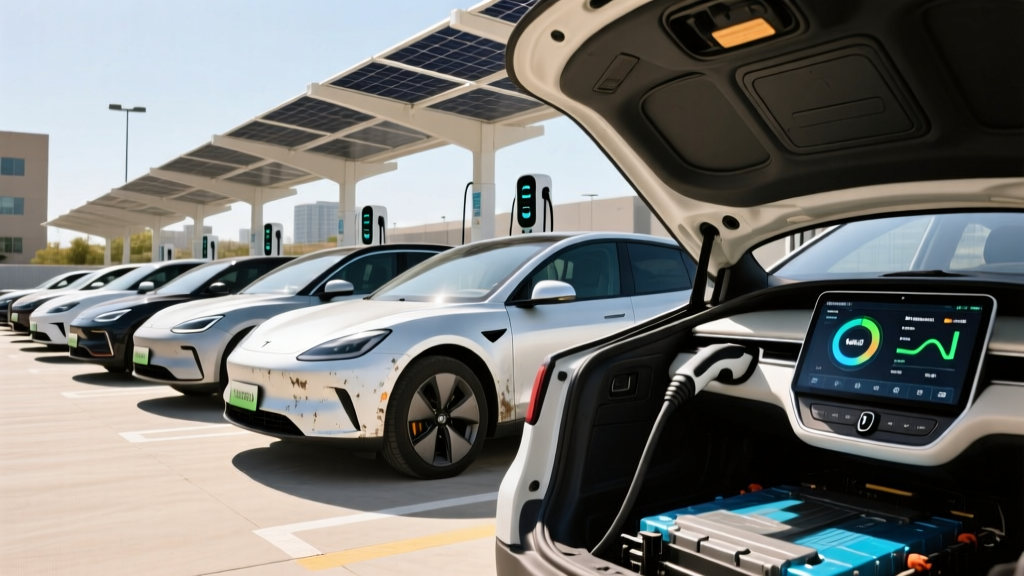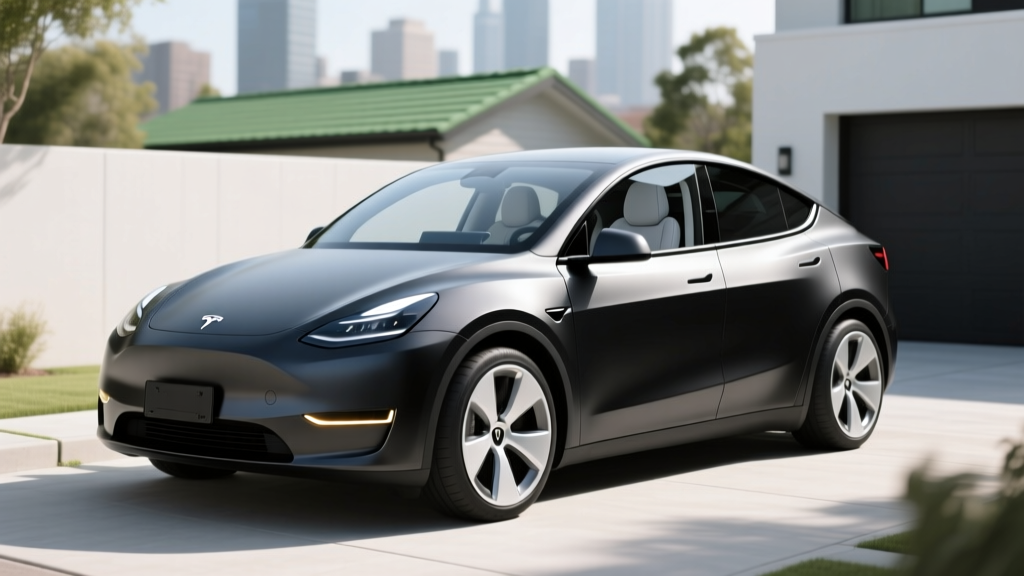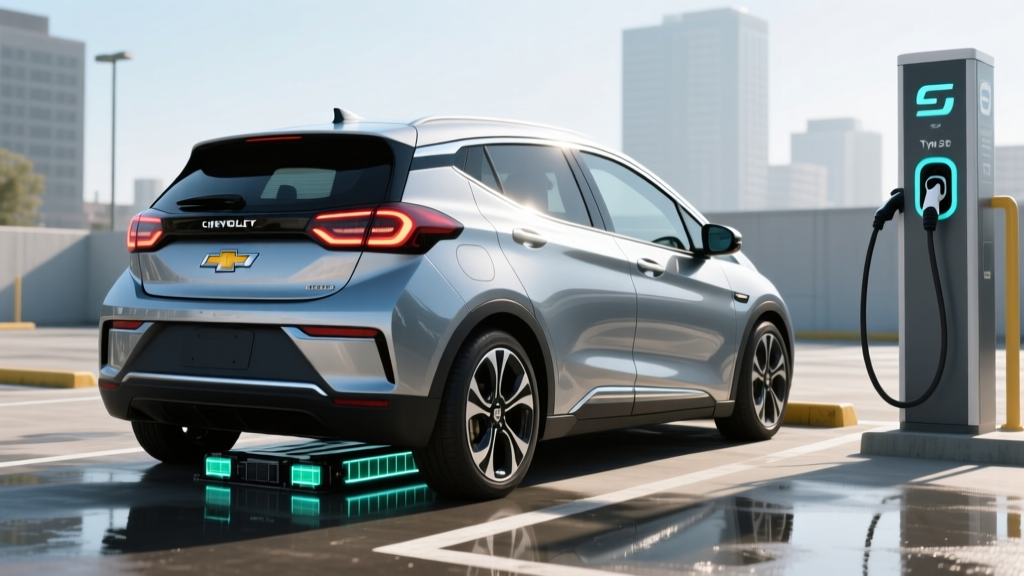
The Chevy Bolt EV has long held its position as one of the most affordable long-range electric vehicles on the American market. With the redesigned second-generation Bolt EV arriving for the 2026 model year on GM's updated Ultium-derived platform, buyers are asking the same practical question: does this compact hatchback actually fit real life? We break down every critical Chevy Bolt EV dimension, from cabin space to cargo volume, alongside the performance, charging, and ownership data you need before signing a purchase agreement.
Quick Verdict: Who the 2026 Bolt EV Is For
If you need an affordable daily commuter with genuine highway range, compact exterior dimensions for city parking, and enough cargo space for weekly grocery runs, the 2026 Bolt EV makes a compelling case. It is not a family road-trip hauler or a performance EV. It is a practical, efficiency-focused hatchback that maximizes interior volume within a small footprint. Buyers who regularly carry more than two rear passengers or need fast DC charging for frequent long-distance travel should cross-shop the Hyundai Kona Electric or the VW ID.4 instead.
2026 Chevy Bolt EV Dimensions: Exterior and Interior
The redesigned Bolt EV retains its compact hatchback profile but rides on updated underpinnings that slightly alter key measurements. Here are the official exterior and interior dimensions that matter for garage fitment, parking, and passenger comfort.
| Dimension | Measurement |
|---|---|
| Overall Length | 163.2 in |
| Overall Width (without mirrors) | 69.5 in |
| Overall Height | 63.4 in |
| Wheelbase | 103.1 in |
| Ground Clearance | 5.6 in |
| Curb Weight (est.) | ~3,500 lbs |
| Front Headroom | 39.7 in |
| Rear Headroom | 37.5 in |
| Front Legroom | 41.6 in |
| Rear Legroom | 35.6 in |
| Cargo Volume (behind rear seats) | 17.2 cu ft |
| Cargo Volume (rear seats folded) | 54.7 cu ft |
The 35.6 inches of rear legroom is the Bolt's most debated dimension. Adults over six feet will find their knees brushing the front seatbacks on longer trips. For children, teenagers, or average-height adults on shorter commutes, it is adequate. The 17.2 cubic feet of cargo space behind the rear seats accommodates roughly five full grocery bags or two carry-on suitcases. Folding the 60/40 split rear bench opens up 54.7 cubic feet — enough for a bicycle with the front wheel removed or a week's worth of luggage for two.
EPA Range, Efficiency, and Real-World Expectations
The 2026 Bolt EV carries an updated lithium-ion battery pack using GM's next-generation NMC (nickel manganese cobalt) chemistry, with an estimated usable capacity of approximately 65 kWh. This is a meaningful increase over the first-generation Bolt's 65 kWh gross / ~60 kWh usable pack, and the new thermal management system is designed to improve cold-weather resilience and fast-charge consistency.
EPA Estimated Range: 259 miles
Real-World Highway (70 mph, mild weather): ~225–240 miles
Real-World City/Commuting: ~255–270 miles (regen-heavy driving extends range)
Cold Weather (below 32°F, mixed driving): ~185–210 miles
Note: EV range drops 15–30% in freezing temperatures due to cabin heating demands and reduced battery chemistry efficiency. Using seat heaters instead of cabin heat and preconditioning while plugged in can recover 10–15 miles of range.
The Bolt EV's efficiency is rated at approximately 120 MPGe combined (city/highway), which translates to roughly 28 kWh per 100 miles. That is competitive with the Hyundai Kona Electric and slightly less efficient than the Tesla Model 3 RWD, which benefits from superior aerodynamics. On the highway at sustained 75–80 mph speeds, expect efficiency to drop to around 32–34 kWh/100mi, which is typical for a tall hatchback profile.
Charging Speeds: DC Fast, Level 2, and Level 1
Charging speed was the first-generation Bolt's most criticized weakness, with the older model limited to a peak 55 kW on DC fast chargers. The 2026 Bolt EV addresses this head-on with a significantly upgraded charge architecture.
| Charging Level | Power / Rate | Time or Miles Added |
|---|---|---|
| Level 1 (120V household outlet) | ~1.4 kW | ~4 miles of range per hour |
| Level 2 (240V home/public) | 11.5 kW (48A) | ~37 miles of range per hour; 0–100% in ~7 hours |
| DC Fast Charging (CCS) | Peak 115 kW | 10–80% in approximately 30 minutes |
The peak 115 kW DC fast-charge rate is a major improvement, though it still trails rivals like the Hyundai Kona Electric (which peaks around 150 kW) and the Kia Niro EV. In real-world testing on Electrify America and EVgo stations, expect the Bolt to sustain 90–110 kW from roughly 15% to 50% state of charge, after which the charge curve tapers progressively. The 10–80% session takes approximately 30 minutes under ideal battery-preconditioned conditions.
At home on a Level 2 wall connector or hardwired EVSE running at 48 amps on a 60-amp circuit, the 11.5 kW onboard charger replenishes the pack from empty to full overnight in about seven hours. This is adequate for virtually all daily driving needs. If your home has only a standard 120V outlet available, Level 1 charging at ~1.4 kW will add roughly 35–40 miles overnight — enough for short commutes but insufficient as a primary charging strategy for most owners.
The 2026 Bolt EV uses the CCS1 connector for DC fast charging and the J1772 connector for Level 2 AC charging. GM has announced that future models will transition to the NACS (Tesla-style) connector, but the 2026 Bolt EV retains CCS. A NACS-to-CCS adapter (available from GM and third-party suppliers) enables access to Tesla Supercharger V2 stations where CCS compatibility has been enabled.
Performance and Drivetrain
The 2026 Bolt EV is powered by a single front-mounted permanent-magnet electric motor producing 200 horsepower and 236 lb-ft of torque. Power goes exclusively to the front wheels — there is no AWD option.
| Spec | Value |
|---|---|
| Horsepower | 200 hp |
| Torque | 236 lb-ft |
| Drivetrain | FWD (single motor) |
| 0–60 mph | ~6.5 seconds |
| Top Speed | ~93 mph (electronically limited) |
The 6.5-second 0–60 time is respectable for a compact hatchback and makes highway merging and city driving feel confident. Instant torque delivery means the Bolt feels quicker off the line than the stopwatch suggests. Regenerative braking is adjustable via steering-wheel paddles, and the strongest regen setting enables near one-pedal driving in stop-and-go traffic, reducing brake wear substantially.
Pricing, Trims, and Federal Tax Credit Eligibility
The 2026 Bolt EV is offered in two trims. Pricing below reflects base MSRP before destination charges and before any federal or state incentives.
| Trim | Base MSRP | Est. After §30D Credit |
|---|---|---|
| LT | $28,800 | ~$21,300* |
| RS (Premier equivalent) | $32,400 | ~$24,900* |
*Estimated after-tax-credit prices assume full $7,500 §30D federal credit eligibility. Actual eligibility depends on buyer income, vehicle MSRP caps, battery sourcing, and point-of-sale transfer rules. Consult IRS.gov §30D guidelines and a tax professional for your specific situation.
- Vehicle MSRP Cap: Cars/hatchbacks must have an MSRP at or below $55,000 — both Bolt trims qualify.
- Buyer Income Cap: Modified AGI must not exceed $150,000 (single), $225,000 (head of household), or $300,000 (married filing jointly).
- Battery Sourcing: Critical minerals and battery components must meet escalating domestic-content thresholds that tighten annually. Verify current-year compliance on the DOE/FuelEconomy.gov eligible vehicle list.
- Point-of-Sale Transfer: Eligible buyers may transfer the credit to the dealer at purchase, reducing the purchase price directly rather than waiting for a tax refund.
- One Vehicle Per VIN: The credit is claimed per vehicle, not per buyer, and the vehicle must be new and for personal use.
Interior Tech, Safety, and Driver Assistance
The 2026 Bolt EV features an 11-inch diagonal infotainment touchscreen running GM's latest Ultifi software platform with wireless Apple CarPlay and Android Auto, built-in Google Maps navigation, and over-the-air update capability. An 8-inch digital driver display replaces the previous analog-digital hybrid cluster.
Standard driver-assistance features under the Chevy Safety Assist suite include:
- Automatic Emergency Braking with pedestrian detection
- Lane Keep Assist with Lane Departure Warning
- Following Distance Indicator
- Intelligent Speed Assist
- Rear Cross Traffic Alert
- HD Surround Vision (360° camera) on RS trim
Adaptive cruise control is available on the RS trim but does not include GM's Super Cruise hands-free system. The Bolt's driver-assist features are SAE Level 2 — meaning you must keep your hands on the wheel and eyes on the road at all times. This is not autonomous or self-driving technology.
The NHTSA awarded the previous-generation Bolt EV a 5-star overall safety rating. The 2026 model, with its updated structure, is expected to meet or exceed this benchmark, though official NHTSA crash-test results for the new generation should be verified at the time of purchase.
Battery Warranty and Longevity
GM backs the 2026 Bolt EV's battery pack and electric drivetrain with an 8-year / 100,000-mile limited warranty (whichever comes first), covering defects and excessive capacity loss. GM defines excessive degradation as the battery falling below approximately 60–70% of its original capacity during the warranty period, though the exact threshold should be confirmed in your purchase documentation.
NMC battery chemistry in modern GM packs has demonstrated strong longevity in fleet data, with most first-generation Bolt owners reporting less than 8–10% total degradation after 100,000 miles. Best practices for maximizing battery health include:
- Limiting routine DC fast charging to road trips (daily charging on Level 2 is gentler)
- Avoiding routinely charging to 100% — set a daily charge limit of 80–90%
- Preconditioning the battery before fast charging in cold weather
- Storing the vehicle at 40–60% state of charge if it will sit unused for weeks
Pros, Cons, and the Competition
- Sub-$29,000 starting price before incentives
- 259 miles EPA range at this price point is exceptional
- Strong 11.5 kW Level 2 home charging
- Generous cargo space for a compact hatch (54.7 cu ft max)
- Competitive 8-year/100,000-mile battery warranty
- One-pedal driving capability with adjustable regen
- 115 kW peak DC fast charging trails key rivals
- Rear legroom (35.6 in) is tight for taller passengers
- CCS connector requires adapter for Tesla Supercharger access
- No AWD option for snow-belt buyers
- No Super Cruise or hands-free driving option
- 10–80% DC charge time of ~30 min limits road-trip convenience
The Bolt EV's primary competitors in the compact EV hatchback/crossover segment include the Hyundai Kona Electric (faster DC charging, slightly more cargo room, higher starting price), the Kia Niro EV (more rear legroom, similar range, higher price), and the Nissan Leaf (CHAdeMO connector, shorter range, aging platform). Against the Kona Electric, the Bolt wins on price by $4,000–$6,000 but loses on DC charging speed. For buyers who rarely road-trip and charge primarily at home, the Bolt's price advantage is decisive.
Frequently Asked Questions
What is the real-world range of the 2026 Chevy Bolt EV?
The EPA rates the 2026 Bolt EV at 259 miles. In real-world highway driving at 70 mph in mild temperatures, expect 225–240 miles. City commuting with heavy regenerative braking can yield 255–270 miles. In freezing weather, range drops to approximately 185–210 miles depending on cabin heating usage and driving style.
How fast does the 2026 Bolt EV charge at home and on DC fast chargers?
On a 240V Level 2 home charger, the Bolt charges at up to 11.5 kW, adding roughly 37 miles of range per hour and reaching a full charge in about 7 hours. On DC fast chargers, it peaks at 115 kW, completing a 10–80% session in approximately 30 minutes under ideal conditions.
Does the 2026 Chevy Bolt EV qualify for the $7,500 federal tax credit?
Both Bolt EV trims fall well under the $55,000 MSRP cap for cars. Eligibility depends on your modified adjusted gross income (under $150K single / $300K joint), and the vehicle's battery must meet current-year critical-mineral and component sourcing requirements. Verify eligibility on FuelEconomy.gov and consult a tax professional.
Is the 2026 Bolt EV worth buying over the Hyundai Kona Electric?
If your budget is tight and you charge primarily at home, the Bolt EV's ~$5,000 lower starting price and strong home Level 2 charging make it the smarter buy. If you road-trip frequently and need faster DC charging (the Kona peaks around 150 kW with a ~22-minute 10–80% time), the Kona Electric is the better fit despite its higher price.
What are the cargo dimensions of the Chevy Bolt EV?
The 2026 Bolt EV offers 17.2 cubic feet of cargo space behind the rear seats and 54.7 cubic feet with the 60/40 split rear bench folded flat. That accommodates roughly two carry-on suitcases upright, or a full-size bicycle with the front wheel removed when folded.
Does the Bolt EV have all-wheel drive?
No. The 2026 Bolt EV is front-wheel drive only, powered by a single 200-hp motor. Buyers in heavy-snow regions who need AWD should consider the VW ID.4 or the Hyundai Ioniq 5, both of which offer dual-motor AWD configurations.