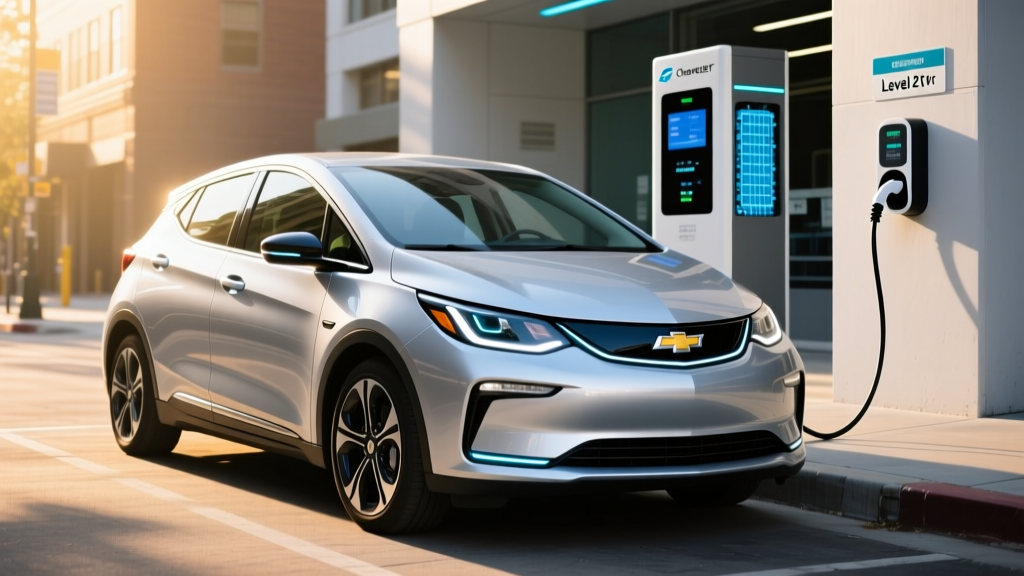
The original Chevrolet Bolt EV was the budget king of early mainstream electric vehicles — a 259-mile commuter hatchback that undercut everything else on price. After a brief hiatus, GM confirmed a next-generation Bolt EV on the Ultium platform, and the 2027 Chevy Bolt EV arrives with a critical upgrade: a lithium iron phosphate (LFP) battery, faster DC charging, and a starting MSRP that keeps it among the most affordable new EVs in America.
But affordability only matters if the fundamentals hold up. We've analyzed Chevrolet's published specs, EPA filings, and early drive data to answer the questions that actually matter: What's the real-world range? How long does a fast charge really take? And does it still qualify for the federal tax credit under current IRS §30D rules?
Range, Battery, and Efficiency
The 2027 Bolt EV uses a 65 kWh usable LFP (lithium iron phosphate) battery pack built on GM's Ultium architecture. LFP chemistry trades some energy density for superior cycle life, thermal stability, and lower raw-material cost — a smart match for a budget commuter EV where longevity matters more than maximizing every last mile of range.
| EPA Est. Range | 255 miles |
| Battery (Usable) | 65 kWh, LFP chemistry |
| Efficiency | 120 MPGe combined / 28 kWh/100 mi |
| Motor Output | 200 hp / 236 lb-ft torque |
| Drivetrain | FWD (single front motor) |
| 0–60 mph | ~7.0 seconds (est.) |
| Max DC Fast Charge | 115 kW peak |
| 10–80% DC Charge | ~30 minutes |
| Level 2 Home Charge | 11.5 kW (~39 mi/hr) |
| Base MSRP | $26,900 (LT trim, before credits) |
| Battery Warranty | 8 years / 100,000 miles |
The EPA rates the 2027 Bolt EV at 255 miles. In mixed suburban and city driving at moderate temperatures, expect to see 235–250 miles from a full charge. Sustained highway driving at 75+ mph drops that to roughly 210–225 miles due to aerodynamic drag. In freezing winter conditions (below 30°F), plan for 180–200 miles — LFP cells lose efficiency in the cold, and cabin heating draws significant energy. Preconditioning the battery while plugged in recovers some of that loss.
LFP batteries also allow — and in fact benefit from — regular charging to 100%. Unlike NMC packs, which GM and most automakers recommend keeping between 20–80% for daily use, LFP chemistry tolerates full charges without accelerated degradation. That means the Bolt's full 255-mile EPA range is practically accessible every day, not just on road trips.
Charging Speed: DC Fast and Home Level 2
The biggest criticism of the original Bolt EV was its sluggish 55 kW DC fast-charging ceiling. The 2027 model more than doubles that to a 115 kW peak, enabled by the Ultium platform's more advanced thermal management system. It won't match the 250+ kW rates of premium SUVs, but for a sub-$30,000 hatchback, it's a meaningful upgrade.
| Charge Level | Power (kW) | Speed | Notes |
|---|---|---|---|
| Level 1 (120V household) | ~1.4 kW | ~4 mi/hr | Emergency/trickle only; full charge ~46 hrs |
| Level 2 (240V home/public) | 11.5 kW | ~39 mi/hr | Full charge in ~6 hrs; requires 48A circuit |
| DC Fast Charge | 115 kW peak | 10–80% in ~30 min | Rate tapers above 80%; ~155 mi in 30 min |
At home on a Level 2 charger, the 11.5 kW onboard charger adds roughly 39 miles of range per hour — enough to fully replenish overnight on a standard 240V/48-amp circuit. For DC fast charging, the 10–80% session takes about 30 minutes at a compatible 150+ kW station. Expect the charge curve to taper noticeably past 80% SoC, so plan to unplug at 80% on road trips rather than waiting for a full top-off.
The 2027 Bolt EV comes equipped with the NACS (North American Charging Standard) connector, giving it native access to Tesla's Supercharger network — a major practical advantage over older CCS-only vehicles. Adapters are available for legacy CCS stations.
Performance and Driving Dynamics
A single front-mounted permanent-magnet motor produces 200 horsepower and 236 lb-ft of torque, routing power to the front wheels. GM estimates a 0–60 mph time of approximately 7.0 seconds — brisk enough for confident highway merging and passing, though not in the performance-EV conversation. The instant torque delivery characteristic of electric motors makes the Bolt feel quicker around town than the 0–60 number suggests.
Ride quality benefits from the Ultium platform's lower center of gravity and independent rear suspension — a notable improvement over the previous Bolt's torsion-beam rear axle. Regenerative braking is adjustable via steering-wheel paddles, and a one-pedal driving mode allows near-complete stops without touching the brake pedal.
Interior, Cargo, and Technology
The 2027 Bolt EV is a compact five-seat hatchback. Interior dimensions improve slightly over the prior generation, with GM citing 42.1 inches of front legroom and 35.8 inches of rear legroom. Cargo volume behind the rear seats is 18.5 cubic feet, expanding to 54.2 cubic feet with the 60/40 rear bench folded — competitive with the Hyundai Kona Electric and Nissan LEAF.
The infotainment system centers on an 11.3-inch diagonal touchscreen running GM's latest Ultifi-based software with wireless Apple CarPlay and Android Auto. A digital 8-inch driver display replaces the traditional instrument cluster. Standard driver-assistance features under the Chevy Safety Assist suite include automatic emergency braking, lane-keep assist, following-distance indicator, and IntelliBeam automatic high beams. Available adaptive cruise control and a surround-view camera round out the options.
One notable omission: GM's Super Cruise hands-free highway driving system is not available on the Bolt EV. This is a Level 2 driver-assist vehicle that requires active driver engagement at all times — consistent with the Bolt's price positioning.
Pricing, Trims, and Federal Tax Credit
Chevrolet offers the 2027 Bolt EV in two trims:
- LT — $26,900 MSRP (base)
- RS — $29,400 MSRP (sport appearance, additional tech features)
Destination charges add approximately $1,295. A well-equipped RS with available packages (adaptive cruise, premium audio, heated seats/steering wheel) lands near $33,000 before incentives.
| Trim | MSRP | Max §30D Credit | Effective Price* |
|---|---|---|---|
| LT | $26,900 | Up to $7,500 | ~$19,400 |
| RS | $29,400 | Up to $7,500 | ~$21,900 |
*Effective price assumes full credit eligibility. Actual credit depends on battery sourcing, buyer income, and tax liability. See IRS rules below.
Does the 2027 Bolt EV Qualify for the §30D Federal Tax Credit?
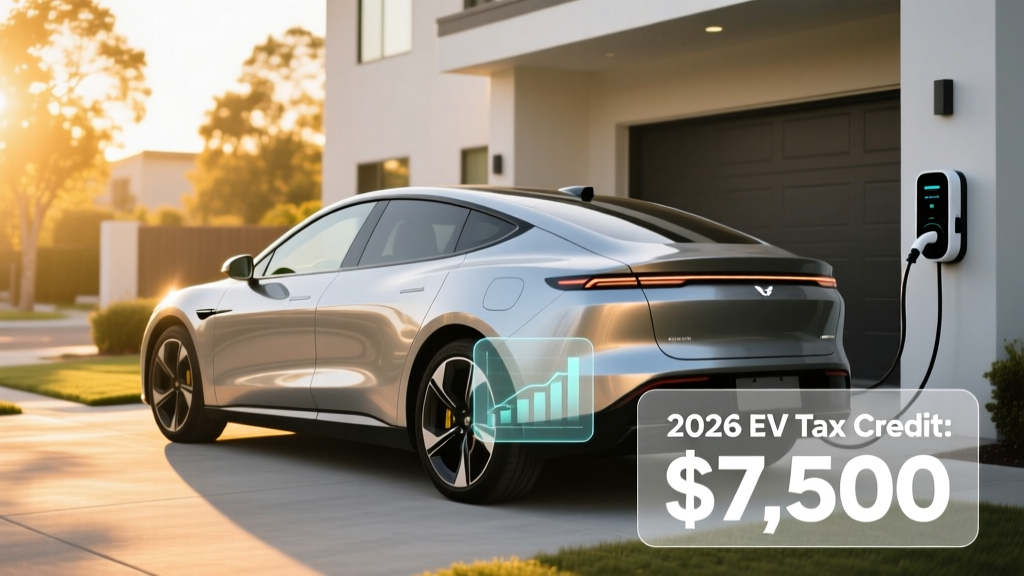
Under current IRS §30D rules, the 2027 Bolt EV is eligible for up to $7,500 in federal tax credits, split into two $3,750 halves:
- Battery component requirement ($3,750): A percentage of battery components must be manufactured or assembled in North America. GM's Ultium battery plants in Ohio and Tennessee are designed to meet this threshold.
- Critical minerals requirement ($3,750): A percentage of critical minerals must be sourced from the U.S. or a free-trade-agreement partner. This threshold tightens annually; verify current-year compliance at purchase.
- MSRP cap: The Bolt EV (classified as a passenger car) must have an MSRP at or below $55,000. All trims qualify.
- Buyer income cap: Modified AGI must not exceed $150,000 (single), $225,000 (head of household), or $300,000 (married filing jointly).
- Point-of-sale transfer: Eligible buyers can transfer the credit to the dealer at purchase, reducing the out-of-pocket price immediately rather than waiting to claim it on a tax return.
Because battery-sourcing requirements tighten each year, always confirm eligibility with your dealer and a tax professional at the time of purchase. Rules current as of the 2027 model year may shift. See the EPA/FuelEconomy.gov qualified vehicle list for the most up-to-date status.
How It Compares: Bolt EV vs. Key Competitors
The sub-$35,000 EV hatchback and compact SUV segment is more competitive than ever. Here's how the Bolt EV stacks up against its closest rivals:
| Spec | 2027 Chevy Bolt EV | Hyundai Kona Electric | Nissan LEAF |
|---|---|---|---|
| EPA Range | 255 mi | 261 mi | 212 mi (SV Plus) |
| Battery | 65 kWh (LFP) | 64.8 kWh (NMC) | 60 kWh (NMC) |
| DC Fast Charge | 115 kW | 100 kW | 100 kW (CHAdeMO) |
| 0–60 mph | ~7.0 sec | ~7.4 sec | ~6.9 sec |
| Starting MSRP | $26,900 | $32,975 | $29,135 |
| Connector | NACS | NACS (2026+) | CHAdeMO (legacy) |
| Federal Credit | Up to $7,500 | Up to $7,500 | Up to $3,750 |
- You want the lowest entry price in the segment with full $7,500 credit potential
- You prioritize LFP battery longevity and daily 100% charging
- NACS Supercharger access is a priority for road trips
- You need AWD or more than 255 miles of EPA range (consider the Hyundai Kona Electric or a used Tesla Model 3)
- You want hands-free highway driving assist (Super Cruise is not offered)
- You regularly tow — the Bolt is not rated for towing
Warranty and Long-Term Ownership
Chevrolet covers the 2027 Bolt EV's battery and electric powertrain for 8 years or 100,000 miles, whichever comes first — the federal minimum for EV battery warranties. The warranty guarantees the battery will retain at least 60% of its original capacity during that period, though LFP chemistry's slower degradation curve suggests most packs will retain well above 80% at the 100,000-mile mark based on industry data.
The limited bumper-to-bumper warranty runs 3 years / 36,000 miles. GM's planned Ultium battery production in U.S. plants should support strong parts availability long-term — a concern that plagued some early Bolt owners after the 2021–2022 battery recall.
Pros and Cons
- Lowest MSRP in its class at $26,900 before credits
- LFP battery allows daily 100% charging with slower degradation
- NACS connector for native Tesla Supercharger access
- 115 kW DC fast charging — double the original Bolt
- Strong cargo volume (54.2 cu ft) for a compact hatch
- Full $7,500 federal tax credit potential
- FWD only — no AWD option for snow-belt buyers
- 255-mile EPA range trails the Kona Electric slightly
- No Super Cruise or hands-free driving assist
- DC fast charge rate (115 kW) lags behind 250+ kW competitors
- Rear legroom is adequate but not generous for taller passengers
Frequently Asked Questions
What is the real-world range of the 2027 Chevy Bolt EV?
The EPA rates the Bolt EV at 255 miles. Expect 235–250 miles in mixed city/suburban driving, 210–225 miles at sustained highway speeds, and 180–200 miles in freezing winter weather. Preconditioning while plugged in helps mitigate cold-weather losses.
How fast does the 2027 Bolt EV charge?
On a DC fast charger, it peaks at 115 kW and reaches 10–80% in approximately 30 minutes. At home on Level 2 (240V, 48A), the 11.5 kW onboard charger adds about 39 miles per hour, fully charging in roughly 6 hours.
How much does the 2027 Bolt EV cost after tax credits?
The base LT trim starts at $26,900. With the full $7,500 federal credit applied at point of sale, the effective price drops to approximately $19,400 — making it one of the cheapest new EVs available. Eligibility depends on income, battery sourcing, and tax liability.
Is the 2027 Bolt EV worth buying over the Hyundai Kona Electric?
If price is your priority, yes — the Bolt undercuts the Kona by roughly $6,000 before credits. The Kona offers slightly more EPA range (261 mi) and available AWD, but the Bolt's LFP battery, NACS Supercharger access, and lower cost make it the stronger value proposition for most commuters.
Does the 2027 Chevy Bolt EV qualify for the full $7,500 federal tax credit?
Based on GM's U.S. battery manufacturing and current IRS §30D rules, the Bolt EV is expected to qualify for the full $7,500. However, critical-minerals sourcing thresholds tighten annually. Confirm eligibility at fueleconomy.gov and with a tax professional before purchase.
Can I charge the 2027 Bolt EV at Tesla Superchargers?
Yes. The 2027 Bolt EV uses the NACS connector natively, providing direct access to Tesla's Supercharger network without an adapter.
Is the 2027 Bolt EV self-driving?
No. The Bolt EV offers Chevy Safety Assist — a suite of Level 2 driver-assistance features (per SAE automation levels) — that requires the driver to remain fully engaged. It does not offer GM's Super Cruise hands-free system.
Who Should Buy the 2027 Chevy Bolt EV?
The 2027 Bolt EV is built for a specific buyer: the cost-conscious commuter who drives 30–60 miles round trip, has access to home Level 2 charging, and wants a practical daily EV without paying a premium. It's ideal as a first EV for apartment dwellers with workplace charging, a second car for a two-EV household, or a budget entry point into electric ownership.
It's not a road-trip champion — 255 miles of range and 115 kW charging mean longer drives require planning. It's not an AWD winter warrior. And it won't impress at a drag strip. But at roughly $19,400 after the federal credit, it delivers the essentials — reliable LFP battery, Supercharger access, a practical hatchback body — at a price point nothing else in the 2027 EV market can match.