Quick Verdict: A Proven, Practical Electric Crossover
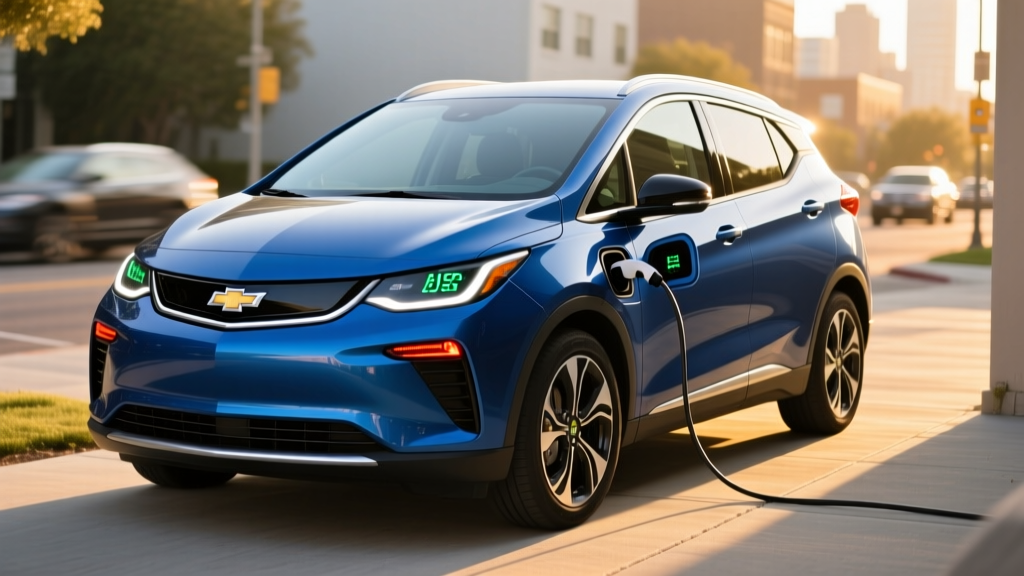
The 2026 Chevrolet Bolt EUV enters its second generation on GM's Ultium platform, addressing the original model's biggest criticism — sluggish DC fast charging — while retaining the value proposition that made the first-generation Bolt EUV a best-seller. For buyers researching Chevy Bolt EUV reliability, the headline is that GM's Ultium battery architecture has now accumulated significant real-world miles across the Equinox EV, Blazer EV, and Silverado EV fleets, providing a growing data set for long-term durability projections. The 2026 Bolt EUV pairs a 65 kWh (usable) Ultium NMC battery with a front-mounted motor, EPA-estimated 265 miles of range, and a peak DC charge rate of 150 kW — a massive upgrade from the first generation's 55 kW ceiling.
| Spec | Value |
|---|---|
| EPA Range | 265 miles (2LT trim) |
| Battery (usable) | 65 kWh, NMC Ultium |
| Motor Output | 213 hp / 236 lb-ft torque |
| Drivetrain | FWD, single motor |
| 0-60 mph | 7.0 seconds (est.) |
| Peak DC Fast Charge | 150 kW |
| 10-80% DC Time | ~28 minutes |
| Level 2 Home Charge Rate | 11.5 kW (~35 mi/hr) |
| MPGe (combined) | 114 MPGe |
| Efficiency | 29 kWh/100 mi |
| Cargo Volume | 28.1 cu ft (rear seats up) / 57.3 cu ft (folded) |
| Rear Legroom | 39.1 inches |
| Base MSRP (1LT) | $28,900 |
| Battery Warranty | 8 years / 100,000 miles |
Battery Chemistry, Degradation, and Long-Term Reliability
The 2026 Bolt EUV uses GM's Ultium NMC (nickel manganese cobalt) battery modules arranged in a low-slung skateboard pack. NMC chemistry offers higher energy density than LFP (lithium iron phosphate), which is why GM can package 65 kWh of usable capacity into a compact crossover footprint. The trade-off is that NMC cells are more sensitive to sustained high state-of-charge (SoC) and extreme heat, meaning long-term capacity retention depends on smart charging habits.
Based on Ultium fleet data from the 2024-2025 Equinox EV and Blazer EV — which share the same cell-level architecture — GM's thermal management system keeps degradation conservative. Industry-wide, NMC packs with active liquid cooling typically lose 8-12% capacity over 100,000 miles and 8 years. GM's warranty guarantees the battery will retain at least 60% of original capacity over the 8-year/100,000-mile coverage period, though real-world Ultium data suggests most packs will retain 85-90% at that interval. The Chevrolet EV battery warranty also covers defects and excessive loss of capacity as determined by the manufacturer.
For reliability specifically, the Bolt EUV benefits from a simpler drivetrain than an internal-combustion vehicle — no transmission, no timing chain, no oil changes. The single-speed reduction gear and permanent-magnet motor have far fewer wear components. First-generation Bolt owners (2017-2023) reported strong powertrain reliability after the 2021 battery recall addressed a manufacturing defect in LG cells — a problem fully resolved with the Ultium redesign and new cell supplier partnerships.
Real-World Range Expectations
EPA sticker: 265 miles (2LT with 17-inch wheels)
Real-world highway (70-75 mph, moderate temps): ~225-240 miles
City/suburban mixed driving: ~255-270 miles (regen braking recovers energy)
Cold weather (below 30°F, cabin heat on): ~185-210 miles (30-35% reduction is typical for NMC packs without a heat pump)
Bottom line: The Bolt EUV's range is competitive for the segment, but highway-heavy commuters and cold-climate drivers should plan for 200-220 usable miles per charge in those conditions. The 2026 model does not include a standard heat pump — it uses resistive PTC heating, which draws more from the battery in winter.
Charging Speed: DC Fast Charging and Home Level 2
The first-generation Bolt's 55 kW DC fast-charging cap was its most-cited flaw. The 2026 Ultium-based Bolt EUV fixes this with a 150 kW peak charge rate, bringing it in line with competitors like the Hyundai Kona Electric and Kia Niro EV. At a 150+ kW DC fast charger (Electrify America, EVgo, or Tesla Supercharger via the NACS adapter now standard on GM EVs), the Bolt EUV can add roughly 150 miles of range in 20 minutes under ideal conditions.
However, peak kW is not sustained kW. The Bolt EUV's charge curve tapers meaningfully above 80% SoC to protect cell longevity. Expect the 10-80% sprint in approximately 28 minutes at a sufficiently powerful station, but a full 10-100% session will take closer to 45-50 minutes. For road-trippers, the practical strategy is to charge to 80% and go — the last 20% is rarely worth the wait.
| Charging Level | Power (kW) | Miles Added per Hour | Typical Use Case |
|---|---|---|---|
| Level 1 (120V household) | 1.2 kW | ~4 mi/hr | Overnight top-up, emergencies |
| Level 2 (240V, 48A home charger) | 11.5 kW | ~35 mi/hr | Daily home charging, full charge in ~6.5 hours |
| DC Fast Charge (150 kW peak) | 150 kW (peak) | ~450 mi/hr (peak) | Road trips, 10-80% in ~28 min |
For home charging, the Bolt EUV accepts up to 11.5 kW on Level 2, which requires a 48-amp hardwired wall connector on a 60-amp circuit. A full 0-100% home charge takes roughly 6.5 hours — easily accomplished overnight. Installation costs for a Level 2 home setup typically run $800-$2,000 depending on panel capacity and conduit distance, per Department of Energy estimates. Always consult a licensed electrician for final specifications.
Performance, Driving Dynamics, and Efficiency
The 2026 Bolt EUV sends 213 horsepower and 236 lb-ft of torque to the front wheels through a single-speed reduction gear. The estimated 0-60 mph time of 7.0 seconds is adequate for merging and passing — not thrilling, but responsive thanks to instant electric torque at zero RPM. The FWD layout keeps weight and cost down, and the low center of gravity from the underfloor battery pack gives the EUV composed handling for a compact crossover.
Efficiency is rated at 114 MPGe combined (29 kWh per 100 miles) by fueleconomy.gov. That's competitive with the segment: the Kona Electric achieves 120 MPGe combined, while the slightly larger Volkswagen ID.4 sits at 107 MPGe. In practical terms, 29 kWh/100 mi means a full 65 kWh charge costs roughly $8.50-$11.00 at the national average residential electricity rate of $0.15-$0.17/kWh — translating to approximately $0.04-$0.05 per mile driven, versus $0.12-$0.15 per mile for a comparable 28 MPG gas crossover at $3.40/gallon.
Regenerative braking is adjustable through steering-wheel paddles, with a one-pedal driving mode that can bring the EUV to a complete stop without touching the brake pedal. This is especially useful in stop-and-go traffic and extends real-world efficiency in city driving.
Interior, Cargo, and Technology
The Bolt EUV's cabin prioritizes function over luxury, which is appropriate for its price point. The 17.7-inch diagonal infotainment touchscreen runs GM's latest Ultifi software with wireless Apple CarPlay and Android Auto, built-in Google Maps navigation, and over-the-air update capability. A 11-inch digital driver display replaces the traditional instrument cluster.
Passenger space is a strong point: 39.1 inches of rear legroom makes the EUV genuinely usable for adults in the back seat, and the 28.1 cubic feet of cargo space behind the rear row (57.3 cu ft with seats folded) is competitive with gas-powered compact SUVs. There is no front trunk (frunk), as the motor and power electronics occupy the space under the hood.
Driver assistance comes through Chevy Safety Assist, which includes automatic emergency braking, lane-keeping assist, following-distance indicator, and adaptive cruise control. GM's Super Cruise hands-free driving system is available on the Premier trim for $2,500 — it operates on over 750,000 miles of mapped highways in the US and Canada. Note: Super Cruise is an SAE Level 2 system, meaning the driver must remain attentive and ready to take over at all times, even though hands can leave the wheel on compatible roads.
Pricing, Trim Levels, and Federal Tax Credit
The 2026 Bolt EUV is offered in three trims. Pricing starts at $28,900 for the 1LT, making it one of the most affordable electric crossovers on the market:
| Trim | MSRP | Est. After §30D Credit | Key Additions |
|---|---|---|---|
| 1LT | $28,900 | ~$21,400* | 17.7" screen, 11.5 kW L2 charging, Chevy Safety Assist |
| 2LT | $32,500 | ~$25,000* | Heated seats/steering, 360° camera, panoramic sunroof, power liftgate |
| Premier | $36,900 | ~$29,400* | Leather, Super Cruise eligible, ventilated seats, premium audio |
*Estimated prices assume full $7,500 federal tax credit eligibility. Actual credit depends on IRS §30D rules including buyer income, battery sourcing, and MSRP caps. The credit can be applied as a point-of-sale discount through a registered dealer. Always verify eligibility with a tax professional and consult IRS guidance on clean vehicle credits.
Under current IRS §30D rules, the Bolt EUV qualifies for the federal credit if the buyer meets income caps ($150,000 single / $300,000 joint modified AGI), the vehicle MSRP is under the $80,000 SUV cap (all trims qualify), and the battery's critical minerals and components meet North American sourcing thresholds. GM has worked aggressively to localize Ultium battery supply chains, and the Bolt EUV's battery is assembled in the US, though the exact credit amount (up to $7,500) can shift based on annual sourcing rule updates. The point-of-sale transfer option allows buyers to apply the credit as an instant discount at participating dealerships rather than waiting for a tax refund.
Who the Bolt EUV Suits — and Who Should Look Elsewhere
Pros
- Segment-leading value at $28,900 base MSRP
- 265-mile EPA range covers most daily and weekly driving
- 150 kW DC fast charging is a generational improvement
- Spacious rear seat (39.1" legroom) for a compact crossover
- Strong infotainment with 17.7" screen and wireless CarPlay/Android Auto
- Low running costs (~$0.04-0.05/mi on home electricity)
- 8-year/100,000-mile battery warranty
Cons
- FWD only — no AWD option for snow-belt buyers
- No heat pump — cold-weather range loss is significant
- No frunk (front trunk)
- 150 kW peak charge rate trails Hyundai/Kia's 800V architecture (~240 kW)
- Super Cruise limited to Premier trim and requires subscription after trial
- Resistive cabin heating draws more battery in winter vs. heat pump competitors
Best for: Budget-conscious commuters and small families who charge at home, drive under 200 miles daily, and want a practical electric crossover without paying premium EV prices. The Bolt EUV excels as a daily driver with occasional road-trip capability.
Look elsewhere if: You need AWD for winter conditions (consider the Hyundai Ioniq 5 AWD or Subaru Solterra), you regularly drive 300+ mile highway trips and need the fastest possible DC charging (the Ioniq 5 or Kia EV6 with 800V architecture charge faster), or you live in a cold climate where a heat pump is essential for winter range retention (the Volkswagen ID.4 includes one standard).
Frequently Asked Questions
What is the real-world range of the 2026 Chevy Bolt EUV?
The EPA rates the Bolt EUV 2LT at 265 miles. In real-world highway driving at 70-75 mph in moderate temperatures, expect 225-240 miles. In cold weather below 30°F with cabin heating, plan for 185-210 miles. City driving with regenerative braking can match or slightly exceed the EPA estimate.
How fast does the Bolt EUV charge at home and on the road?
On a Level 2 home charger (240V, 48A), the Bolt EUV accepts up to 11.5 kW, adding roughly 35 miles per hour and achieving a full charge in about 6.5 hours. On a DC fast charger, it peaks at 150 kW, reaching 10-80% in approximately 28 minutes.
Does the 2026 Bolt EUV qualify for the $7,500 federal tax credit?
The Bolt EUV is eligible for up to $7,500 under IRS §30D, provided the buyer meets income caps ($150K single / $300K joint), the MSRP is under the $80K SUV threshold (all trims qualify), and battery sourcing requirements are met. The credit can be transferred to the dealer as a point-of-sale discount. Confirm eligibility with a tax professional and check current IRS rules before purchasing.
Is the Chevy Bolt EUV reliable compared to gas vehicles?
EVs have fewer moving parts than internal-combustion vehicles — no oil changes, no transmission fluid, no spark plugs, no exhaust system. The Ultium battery platform has been in production since 2023 across multiple GM models. The 8-year/100,000-mile battery warranty provides long-term protection. Historically, the Bolt family's main reliability concern was the 2021 battery recall, which has been fully addressed in the Ultium redesign.
Is the Bolt EUV worth buying vs. the Hyundai Kona Electric or Kia Niro EV?
The Bolt EUV undercuts both on price ($28,900 vs. ~$33,000-$34,000 base for competitors) while offering comparable range and more rear-seat space. The Kona Electric is slightly more efficient (120 MPGe vs. 114 MPGe), and the Niro EV offers a heat pump for better cold-weather performance. If budget is the priority, the Bolt EUV is the segment's value leader. If cold-climate range or slightly faster DC charging matters more, cross-shop the competition.
What is the battery replacement cost if the warranty expires?
Out-of-warranty Ultium battery pack replacement costs are estimated at $8,000-$12,000 based on current GM service data, though prices are expected to decline as battery manufacturing scales. Most EV batteries outlast their warranty periods with 85-90% capacity retention at 100,000 miles, making full replacement uncommon within the vehicle's typical ownership life.