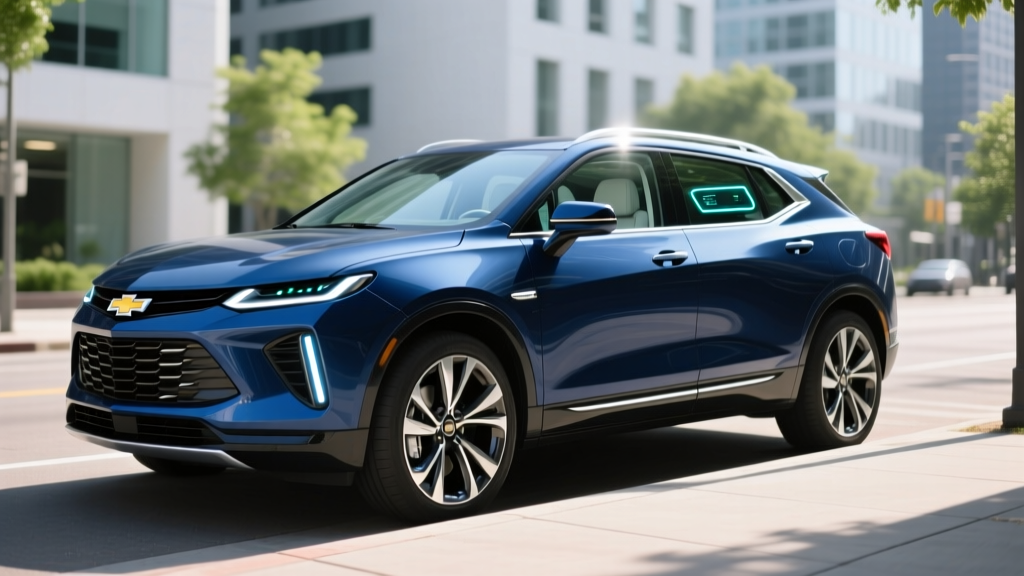
Bottom line: The 2026 Chevrolet Blazer EV is a midsize electric crossover targeting buyers who want SUV practicality without the three-row bulk. The rear-wheel-drive 2LT trim delivers an EPA-estimated 324 miles of range from a ~102 kWh (usable) Ultium battery, while the all-wheel-drive RS drops to roughly 279 miles. DC fast charging peaks at 190 kW (10–80% in approximately 30 minutes). Base pricing starts near $44,600 before destination, and federal §30D tax-credit eligibility depends on your income, the vehicle's MSRP cap compliance, and battery-sourcing requirements — always verify current-year rules at IRS.gov.
Range and Efficiency: EPA Sticker vs. the Real World
The Blazer EV's headline number is 324 miles on the 2LT RWD, which is competitive for the segment. But EPA estimates assume a mix of city and highway driving at moderate temperatures. Real-world results depend heavily on your conditions.
EPA vs. Reality — Blazer EV 2LT RWD:
- EPA combined: 324 miles
- Highway-heavy (70+ mph): expect ~265–285 miles
- Cold weather (below 30°F): expect ~230–260 miles without preconditioning
- Ideal city/suburban, mild temps: 310–330 miles achievable
The larger trims with AWD and bigger wheels sacrifice range for grip and aesthetics. The RS AWD on 21-inch wheels lands around 279 miles EPA, and the high-performance SS AWD (557 hp, 0–60 in under 4 seconds) drops further. According to fueleconomy.gov, efficiency across trims ranges from roughly 88 to 98 MPGe combined depending on drivetrain and wheel size.
| Spec | 2LT RWD | RS AWD | SS AWD |
|---|---|---|---|
| EPA Range | 324 mi | ~279 mi | ~270 mi (est.) |
| Battery (usable) | ~102 kWh (NMC) | ~102 kWh (NMC) | ~102 kWh (NMC) |
| Horsepower | 340 hp | 340 hp (dual motor) | 557 hp |
| 0–60 mph | ~6.2 sec | ~5.5 sec | <4.0 sec |
| Peak DC Charge Rate | 190 kW | 190 kW | 190 kW |
| 10–80% DC Fast Charge | ~30 min | ~30 min | ~30 min |
| Level 2 (240V) Rate | 11.5 kW | 11.5 kW | 11.5 kW |
| Base MSRP (approx.) | $44,600 | $51,400 | $61,400 |
| Battery Warranty | 8 yr / 100,000 mi | 8 yr / 100,000 mi | 8 yr / 100,000 mi |
Charging Speed and the 80% Taper Reality
The Blazer EV uses GM's Ultium platform and charges via the NACS (Tesla-style) connector on current models, granting access to Tesla Supercharger stations through an adapter or natively depending on build date. Peak DC fast charging hits 190 kW, which is respectable but not class-leading — the Hyundai Ioniq 5 peaks at roughly 240 kW on comparable infrastructure.
Understanding the charge curve matters more than the peak number. The Blazer EV sustains close to its peak rate between roughly 10% and 40% state of charge (SoC), then progressively tapers. By 80% SoC, the rate drops significantly, which is why the 10–80% time of ~30 minutes is the useful metric. Charging from 80–100% can add another 25–35 minutes — plan accordingly on road trips and aim to leave chargers at 80% unless you absolutely need the extra miles.
| Level | Power | Approx. Miles Added per Hour | Typical Use Case |
|---|---|---|---|
| Level 1 (120V) | ~1.4 kW | ~4–5 mi/hr | Emergency / overnight trickle |
| Level 2 (240V, 48A) | 11.5 kW | ~34–38 mi/hr | Home daily charging (~9 hrs for full) |
| DC Fast (190 kW peak) | Up to 190 kW | ~200+ mi in 30 min (10–80%) | Road trips, quick top-ups |
At home on a Level 2 charger, a full overnight session easily replenishes a day's worth of driving. For most owners with home charging access, a DC fast charge is needed only on road trips exceeding the vehicle's range.
EV vs. Gas: Blazer EV Compared to the Gas Blazer
The most common cross-shopping question: does the Blazer EV actually save money versus the conventional gas Blazer? The answer depends on your fuel costs, annual mileage, and whether you can charge at home.
| Factor | Blazer EV (RS AWD) | Gas Blazer (2LT AWD) |
|---|---|---|
| Base MSRP | ~$51,400 | ~$42,000 |
| EPA Efficiency | ~90 MPGe (2.9 mi/kWh) | ~22 MPG combined |
| Annual Fuel/Energy (12,000 mi) | ~$550–$700 (home charging at $0.14/kWh) | ~$1,900 (gas at $3.50/gal) |
| Annual Maintenance | ~$150–$300 (no oil, fewer fluids) | ~$600–$900 |
| Federal Tax Credit (§30D) | Up to $7,500 (eligibility varies) | $0 |
| 5-Year Fuel + Maintenance | ~$3,500–$5,000 | ~$12,500–$14,000 |
The EV carries a higher sticker price, but the annual fuel and maintenance gap of roughly $1,500–$2,200 narrows the total cost of ownership quickly — especially if you qualify for the §30D credit. Over five years, the EV can break even or come out ahead on operating costs, though insurance premiums on EVs tend to run 10–20% higher than comparable gas models.
Real Ownership Costs: The Full 5-Year Picture
Sticker price is just the entry point. Here's a more complete look at what owning a Blazer EV RS AWD actually costs over five years and 60,000 miles, assuming home Level 2 charging and moderate driving.
| Category | Estimated Cost | Notes |
|---|---|---|
| Purchase (after est. $3,750 credit*) | ~$47,650 + dest. | *§30D credit varies; some buyers get $0, some $7,500 |
| Home Level 2 Charger Install | $500–$2,000 | Depends on panel capacity and run length |
| Electricity (5 years, 60k mi) | $2,750–$3,500 | At $0.14/kWh avg; higher on public DC |
| Maintenance (5 years) | $750–$1,500 | Tire rotation, cabin filter, brake fluid, wipers |
| Insurance (5 years) | $8,500–$11,000 | EV premiums typically 10–20% higher |
| Depreciation (est.) | $18,000–$22,000 | EV resale still volatile; improving as market matures |
| Total (approx.) | $78,000–$87,000 | Before state/local incentives |
Home charging installation is a variable many first-time buyers underestimate. If your electrical panel has spare capacity (a 200-amp panel with room for a 60-amp breaker), a Level 2 charger install runs $500–$1,200. If you need a panel upgrade to 200 amps, add $1,500–$3,000. Always get a licensed electrician's quote before purchasing.
Federal Tax Credit: §30D Eligibility in 2026
The Blazer EV is assembled in Mexico, and its §30D federal tax-credit eligibility hinges on several moving targets: battery-component sourcing, critical-mineral requirements, MSRP caps (SUVs capped at $80,000 — all Blazer EV trims qualify on price), and buyer income limits ($300,000 joint / $150,000 single for modified adjusted gross income). The credit can be transferred to the dealer at point of sale, reducing your out-of-pocket cost directly.
- MSRP cap: $80,000 for SUVs — Blazer EV passes ✓
- Buyer income cap: $300K joint / $150K single MAGI
- Battery sourcing: Critical-mineral and component percentages must meet annual thresholds — check current-year status at IRS.gov
- Point-of-sale transfer: Available; reduces purchase price at the dealer
- One vehicle per VIN, one credit per taxpayer per year
Because sourcing requirements tighten each year, a Blazer EV that qualified in 2024 may have a different credit amount in 2026. Confirm eligibility with your dealer and a tax professional before committing.
Common Misconceptions — Fact vs. Fiction
| Myth | Fact |
|---|---|
| "The Blazer EV gets 324 miles no matter how you drive." | 324 is the EPA combined estimate. Sustained highway speeds above 70 mph and cold weather can reduce range by 15–30%. |
| "I can't charge it at Tesla Superchargers." | Current Blazer EV models use the NACS connector, granting native access to the Tesla Supercharger network (V3 and V4 stalls). Verify your specific build. |
| "EV batteries need replacing every few years." | GM warranties the Ultium battery for 8 years / 100,000 miles against defects and excessive capacity loss (below 60% retention). Real-world degradation for NMC packs is typically 8–12% over 100,000 miles. |
| "Charging takes too long for road trips." | A 10–80% DC fast charge takes ~30 minutes — roughly the time for a meal break. Plan stops around 200-mile intervals and the trip flows naturally. |
| "The Blazer EV is just a gas Blazer with a battery." | It rides on GM's dedicated BEV3 platform (Ultium), not a converted gas chassis. This means a flat floor, lower center of gravity, and packaging optimized for electric drivetrains. |
Who Should Buy the Blazer EV — Decision Framework
Choose the Blazer EV if:
- You want a midsize two-row EV crossover with 270–324 miles of range and don't need a third row
- You have (or can install) Level 2 home charging — this is the single biggest factor in EV satisfaction
- You value access to the Tesla Supercharger network for road-trip flexibility
- You're cross-shopping the Ford Mustang Mach-E, Hyundai Ioniq 5, or Tesla Model Y and prefer Chevrolet's styling and dealer network
- Your annual mileage is 10,000–15,000 miles, where the fuel-cost savings compound meaningfully
Look elsewhere if:
- You need three rows — consider the Kia EV9 or Chevrolet Equinox EV with more interior volume, or a PHEV like the Mazda CX-70 PHEV
- You rely exclusively on apartment/street parking with no charging access — public-only charging is expensive and inconvenient for daily use
- You regularly tow heavy loads — the Blazer EV's towing capacity is limited compared to body-on-frame SUVs
- You live in extreme cold (frequent sub-zero temps) and drive long distances — consider a PHEV for guaranteed winter range, or budget for 30%+ range loss
Frequently Asked Questions
Does the Blazer EV qualify for the $7,500 federal tax credit?
Eligibility varies by model year, battery-sourcing compliance, and your personal income. The Blazer EV meets the MSRP cap for SUVs ($80,000), but critical-mineral and battery-component requirements change annually. Check the latest eligibility list at fueleconomy.gov and consult a tax professional.
How long does it take to charge the Blazer EV at home?
On a Level 2 (240V, 11.5 kW) home charger, a full charge from near-empty takes roughly 9–10 hours. Most owners plug in overnight and wake up with a full battery — a daily 40-mile commute uses about 14 kWh, which replenishes in roughly 1.5 hours on Level 2.
Is the Blazer EV good in winter?
AWD trims provide confident traction, and the Ultium platform's thermal management helps mitigate cold-weather range loss. Expect 15–30% range reduction in sustained sub-freezing temperatures. Preconditioning the battery while plugged in (via the MyChevrolet app) warms the pack and recovers some of that lost efficiency.
What's the difference between kW and kWh?
kW (kilowatts) measures power — the rate at which energy flows, like water pressure from a hose. kWh (kilowatt-hours) measures energy — the total amount stored or delivered, like the size of the bucket. The Blazer EV's battery holds ~102 kWh of energy, and it can accept up to 190 kW of charging power at peak.
How does the Blazer EV compare to the Tesla Model Y?
The Model Y Long Range AWD offers roughly 310 miles EPA, faster peak charging (~250 kW on V4 Superchargers), and a slightly lower starting price. The Blazer EV counters with more conventional SUV styling, GM's Super Cruise Level 2 driver-assist (hands-free on compatible highways — driver must remain attentive), and access to Chevrolet's dealer service network. It's a close comparison; test-drive both.
What does the battery warranty cover?
GM covers the Ultium battery for 8 years or 100,000 miles, whichever comes first, against defects and capacity loss below a specified retention threshold (typically 60% of original capacity). This is standard across the industry and provides meaningful long-term protection.