Quick Verdict: The Blazer EV LT Is the Value Sweet Spot
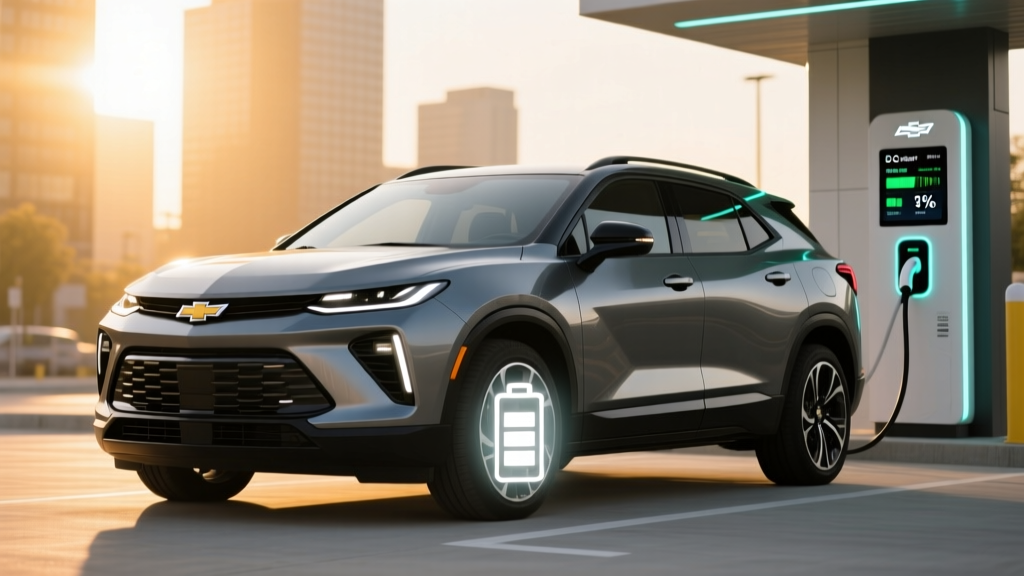
The 2026 Chevrolet Blazer EV LT occupies a narrow but important lane in the midsize electric SUV segment: it's the trim where you get the biggest battery, the longest range, and a usable feature set without paying SS or RS premiums. For buyers cross-shopping the Hyundai Ioniq 5, Ford Mustang Mach-E, and Tesla Model Y, the Blazer EV LT makes its case on comfort, cabin space, and a price that dips below $40,000 after the federal tax credit — provided you meet IRS §30D sourcing and income requirements.
But the LT is also the trim where Chevrolet makes the most compromises to hit that price point. You lose the sport-tuned suspension, certain driver-assist upgrades, and some interior material quality found on the RS and SS. This review breaks down exactly what you get, what you give up, and whether the math works for your household.
| Spec | LT (2LT AWD) | LT (RWD) |
|---|---|---|
| EPA Range | 293 miles | 307 miles |
| Battery (usable) | 102 kWh (NMC) | 102 kWh (NMC) |
| Drivetrain | Dual-motor AWD | Single-motor RWD |
| Horsepower | 288 hp | 340 hp |
| Torque | 343 lb-ft | 325 lb-ft |
| 0–60 mph | ~7.3 sec | ~6.8 sec |
| Max DC Fast Charge | 190 kW | 190 kW |
| 10–80% DCFC Time | ~32 min | ~32 min |
| Level 2 Home Charge | 11.5 kW (77 V/A) | 11.5 kW |
| MPGe (combined) | 87 MPGe | 89 MPGe |
| Base MSRP | $47,400 | $45,900 |
Range and Efficiency: EPA Sticker vs. Real-World Miles
The 2026 Blazer EV LT rides on GM's Ultium platform with a 102 kWh usable battery pack using nickel-manganese-cobalt (NMC) pouch cells. The 2LT AWD earns an EPA-estimated 293 miles of range, while the RWD variant stretches to 307 miles thanks to reduced drivetrain losses and slightly different gearing.
Real-World Range Expectations (LT 2LT AWD, 293 mi EPA):
- Mixed city/suburban driving (65°F): 270–295 miles — the Blazer's regenerative braking and stop-and-go efficiency play well here.
- Sustained highway (70–75 mph): 235–260 miles. The Blazer's boxy crossover profile and ~5,000-lb curb weight penalize it at speed more than sleeker rivals like the Ioniq 5.
- Cold weather (20–30°F, no preconditioning): 190–230 miles. Expect 20–35% range loss. The Blazer EV's heat pump helps, but the large cabin volume and heavy battery still suffer in deep cold.
- Cold weather + highway + heater: As low as 175–200 miles on a winter road trip. Plan charging stops accordingly.
Efficiency lands at 87 MPGe combined (AWD) and 89 MPGe (RWD) per EPA fueleconomy.gov data. In kWh terms, that translates to roughly 36–38 kWh per 100 miles in mixed driving — middling for the segment. The Model Y Long Range AWD achieves around 28 kWh/100mi by comparison, meaning you'll spend more per mile charging the Blazer than its most efficient competitor.
Charging Speed: DC Fast Charging and Home Level 2
The Blazer EV LT supports a peak DC fast-charge rate of 190 kW on CCS-equipped chargers (or NACS at Tesla Superchargers via adapter, as GM transitioned to NACS for 2025+ models). That peak rate is competitive but not class-leading — the Ioniq 5 peaks at 240 kW, and the Model Y sustains higher rates longer thanks to a more aggressive charge curve.
| Charge Level | Power | Miles Added per Hour | Typical Use Case |
|---|---|---|---|
| Level 1 (120V, 12A) | 1.4 kW | ~3–4 mi/hr | Emergency/top-up overnight |
| Level 2 (240V, 48A) | 11.5 kW | ~32–34 mi/hr | Home daily charging (full in ~9.5 hrs) |
| DC Fast (CCS/NACS) | Peak 190 kW | ~180–220 mi in 30 min | Road trips, 10–80% in ~32 min |
Charging curve reality: The Blazer EV LT hits its 190 kW peak only between roughly 10–30% state of charge. Above 50% SoC, the rate tapers to ~120 kW, and above 80% it drops to ~50–60 kW. This means a 10–80% session takes about 32 minutes at a capable 200+ kW charger, but if you're starting from 20% or charging past 80%, the session stretches considerably. On a road trip, plan for 30–35 minute stops every 180–220 miles of real-world driving.
Home charging: The onboard charger accepts up to 11.5 kW on a 240V/48A Level 2 circuit. That means a full 0–100% charge takes roughly 9.5 hours — adequate for overnight replenishment. You'll need a 60A dedicated circuit (electricians typically install a NEMA 14-50 or hardwired wall connector). Expect home installation costs of $800–$2,500 depending on panel capacity and run length; a 200A panel upgrade can add $1,500–$3,000 if your home's electrical service is older.
Performance and Driving Dynamics
The 2LT AWD pairs dual motors for 288 hp and 343 lb-ft of torque, reaching 60 mph in approximately 7.3 seconds. The RWD variant is the surprise performer: its single rear motor produces 340 hp and hits 60 in roughly 6.8 seconds, making it the quicker option despite lacking front-axle traction.
Neither figure is thrilling by EV standards — the Model Y Long Range AWD does 60 in 4.8 seconds, and the Blazer EV SS (the performance trim) drops to 3.9 seconds with its 557 hp setup. But for the LT buyer, the question isn't drag-strip times; it's whether the powertrain feels adequate for merging, passing, and loaded family hauling. The answer is yes, comfortably. The Ultium platform's low center of gravity and 50/50-ish weight distribution keep body roll controlled, though the LT's comfort-oriented suspension tuning prioritizes ride quality over cornering composure.
Towing: The Blazer EV LT with the available towing package is rated for 1,500 lbs — enough for a small utility trailer or a pair of dirt bikes, but not a camper or boat. If you need serious towing (up to 4,500 lbs), you must step up to the SS trim, which limits your range significantly.
Interior Space, Cargo, and Technology
The Blazer EV's two-row cabin is one of its strongest selling points against the Ioniq 5 and Mach-E. Rear legroom measures 38.4 inches (versus 39.4 in the Ioniq 5 but ahead of the Mach-E's 36.9), and the flat floor makes the middle seat genuinely usable for adults on shorter trips.
Cargo volume:
- Behind second row: 25.8 cu ft
- Second row folded: 58.5 cu ft
- Front trunk (frunk): None — the Ultium platform packaging in the Blazer does not include a frunk, a notable miss versus the Mach-E (4.7 cu ft) and Ioniq 5 (0.85 cu ft).
Infotainment: The LT comes standard with a 17.7-inch diagonal touchscreen running GM's latest Ultifi-based infotainment software with Google built-in (Google Maps, Google Assistant, Google Play Store). Wireless Apple CarPlay and Android Auto are included. The system is responsive, but some owners report occasional lag when launching navigation while media is playing — a software issue GM has addressed with OTA updates in late 2025.
Driver assistance: The LT includes Chevy Safety Assist as standard: automatic emergency braking, forward collision alert, lane keep assist, following distance indicator, and IntelliBeam auto high beams. Adaptive cruise control is available but not standard on the LT — it requires the Comfort and Active Safety 2 packages (~$1,200). Super Cruise (GM's Level 2 hands-free highway driving system) is not available on the LT trim; it requires the RS or SS. This is one of the LT's biggest feature gaps for road-trip-focused buyers.
SAE Level 2 — Not Self-Driving: Chevy Safety Assist and even Super Cruise (on higher trims) are SAE Level 2 driver-assistance systems. The driver must remain attentive, keep eyes on the road (Super Cruise monitors gaze via steering-column camera), and be prepared to take over at any moment. No production consumer vehicle currently sold in the U.S. is "self-driving." Only Level 4 robotaxi services like Waymo operate without a human driver — and those are geofenced, not available for personal ownership.
Pricing, Trims, and Federal Tax Credit Eligibility
The 2026 Blazer EV LT starts at $47,400 for the 2LT AWD and $45,900 for the RWD (destination included). A well-equipped 2LT AWD with the Comfort package, adaptive cruise, and metallic paint typically lands around $51,000–$52,500 before incentives.
| Configuration | Base MSRP | After §30D Credit | Effective Price |
|---|---|---|---|
| LT RWD | $45,900 | Up to $7,500 | From ~$38,400 |
| LT 2LT AWD | $47,400 | Up to $7,500 | From ~$39,900 |
| LT 2LT AWD (as-tested) | ~$52,000 | Up to $7,500 | ~$44,500 |
Federal tax credit eligibility (§30D): The Blazer EV is assembled in Ramos Arizpe, Mexico, and its Ultium battery cells are manufactured in the U.S. (Lordstown, OH and Lansing, MI). Under current IRS §30D rules, the Blazer EV qualifies for up to $7,500 in federal tax credits, split between critical minerals ($3,750) and battery components ($3,750). However, eligibility depends on three buyer-side requirements:
§30D Eligibility Checklist — Blazer EV LT:
- MSRP cap: The Blazer EV is classified as an SUV, so the MSRP cap is $80,000. All LT trims qualify.
- Buyer income cap: Adjusted gross income must not exceed $150,000 (single), $225,000 (head of household), or $300,000 (married filing jointly).
- Point-of-sale transfer: You can transfer the credit to the dealer at purchase for an immediate price reduction, or claim it on your tax return. You must elect one or the other — not both.
- Prior EV credit use: You cannot have claimed the §30D new-vehicle credit in the prior 3 years.
- Sourcing verification: Confirm current-year critical-mineral and battery-component compliance on the dealer's Monroney label or at fueleconomy.gov — these sourcing percentages are updated periodically by the IRS.
State incentives: Many states offer additional rebates or tax credits (e.g., California's CVRP, Colorado's $5,000 credit, New York's Charge NY). Amounts and eligibility vary by jurisdiction and change frequently — check your state energy office or the DOE Alternative Fuels Data Center for current programs.
Warranty and Long-Term Ownership
Chevrolet backs the Blazer EV with a competitive warranty package:
- Battery & propulsion system: 8 years / 100,000 miles (whichever comes first), covering capacity loss below 60% of original.
- Bumper-to-bumper: 3 years / 36,000 miles
- Powertrain (non-battery): 5 years / 60,000 miles
- Roadside assistance: 5 years / 60,000 miles
The 60% capacity retention threshold is standard for the industry but less generous than Hyundai/Kia's 70% threshold on the Ioniq 5. NMC chemistry in the Ultium pack is expected to retain approximately 85–90% capacity after 100,000 miles based on GM's Bolt EV long-term fleet data and early Ultium-platform tracking. Replacement cost for the full 102 kWh pack, should it be needed out of warranty, is estimated at $14,000–$18,000 including labor — though module-level repair (replacing individual degraded cell groups) is possible and significantly cheaper.
Pros, Cons, and Who Should Buy the Blazer EV LT
✅ Pros
- Class-leading rear-seat room and cargo volume for the segment
- Sub-$40K effective price after federal credit (LT RWD)
- 17.7-inch Google-based infotainment is responsive and feature-rich
- Comfortable, quiet ride quality ideal for commuting
- Qualifies for full $7,500 §30D credit at current sourcing levels
❌ Cons
- No frunk — a missed opportunity for a dedicated EV platform
- Super Cruise unavailable on LT trim (requires RS/SS)
- Efficiency (36–38 kWh/100mi) trails Ioniq 5 and Model Y
- 190 kW peak charge rate is adequate but not segment-leading
- 1,500-lb tow rating is low for a midsize SUV
- Software glitches reported in early-build models (improving via OTA)
Choose the Blazer EV LT if: You prioritize cabin space and ride comfort over sporty driving, want a sub-$40K EV after credits, mostly commute and take occasional road trips, and don't need hands-free highway driving.
Choose the Ioniq 5 instead if: Charging speed matters most to you (240 kW peak, 10–80% in ~18 min), you want V2L capability for camping/power outages, or you value efficiency (30 kWh/100mi).
Choose the Model Y Long Range if: You want the best efficiency, the Supercharger network without adapters, or access to FSD (Supervised) for long highway commutes.
Step up to the Blazer EV RS if: You want Super Cruise, the sport suspension, and the available 320-hp AWD tune — and can absorb the ~$5,000 price premium.
Frequently Asked Questions
What is the real-world range of the Chevy Blazer EV LT?
The LT 2LT AWD carries a 293-mile EPA estimate. In real-world mixed driving at moderate temperatures, expect 270–295 miles. Sustained highway driving at 70+ mph drops that to 235–260 miles. In cold weather (20–30°F), plan for 190–230 miles depending on cabin heat use and whether you precondition the battery. The RWD variant's 307-mile EPA rating translates to roughly 280–300 miles in mixed real-world use.
How fast does the Blazer EV LT charge at home and on the road?
At home on a 240V/48A Level 2 charger, the Blazer EV LT accepts 11.5 kW, adding about 32–34 miles of range per hour and fully recharging in roughly 9.5 hours. On a DC fast charger, it peaks at 190 kW and charges from 10–80% in approximately 32 minutes, though the charge curve tapers significantly above 50% SoC.
Does the Blazer EV LT qualify for the $7,500 federal tax credit?
Yes, the 2026 Blazer EV qualifies for up to $7,500 under IRS §30D at current battery-sourcing and critical-mineral thresholds. However, buyer eligibility depends on income caps ($150K single / $300K joint), the $80K SUV MSRP cap (all LT trims pass), and not having claimed the credit in the prior 3 years. The credit can be transferred to the dealer at point of sale for an immediate price reduction. Always verify current sourcing compliance at fueleconomy.gov before purchasing.
Is the Blazer EV LT worth buying vs. the Ioniq 5, Mach-E, and Model Y?
It depends on your priorities. The Blazer EV LT wins on rear-seat comfort, cabin quietness, and effective after-credit pricing. It loses on charging speed (Ioniq 5 is 26% faster), efficiency (Model Y uses ~25% less energy per mile), and driver-assist tech (Super Cruise isn't available on the LT). For families who value space and value over sportiness and fast charging, the LT is a strong pick. For road warriors who charge publicly often, the Ioniq 5 or Model Y serve better.
What are the biggest drawbacks of the Blazer EV LT?
The three most significant compromises are: no Super Cruise availability (you must upgrade to RS or SS), no frunk despite riding on a dedicated EV platform, and below-average efficiency that costs you real money in electricity over ownership. Additionally, the 1,500-lb tow rating is low if you expected midsize-SUV utility, and the 190 kW charge peak — while adequate — means longer road-trip stops than key competitors.
What battery chemistry does the Blazer EV LT use?
The Blazer EV LT uses GM's Ultium platform with NMC (nickel-manganese-cobalt) pouch cells. NMC offers higher energy density than LFP (lithium iron phosphate), which is why GM can pack 102 kWh usable into the Blazer's footprint. The trade-off is that NMC cells degrade slightly faster than LFP over very high cycle counts and are more sensitive to sustained 100% SoC storage. For daily use, GM recommends charging to 80–90% and only charging to 100% before long trips.