Quick Answer: Should You Buy a Used Chevrolet Spark EV?
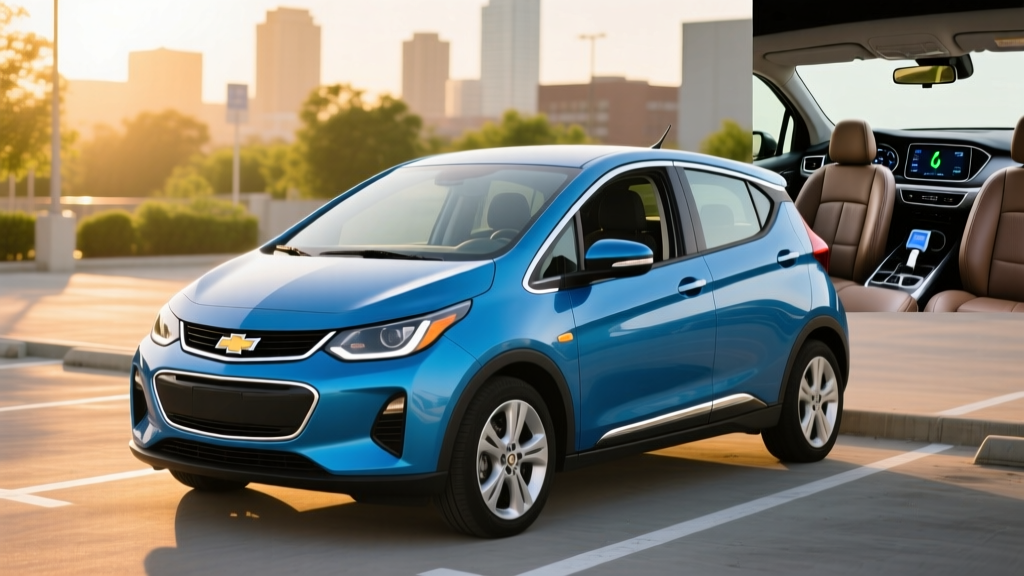
The Chevrolet Spark EV is a discontinued, used-only electric hatchback with an EPA-rated range of 82 miles, a 19 kWh usable battery, and a 141-hp electric motor. Originally priced around $26,000 new, used examples now sell for roughly $6,000–$11,000 depending on mileage and battery condition. It remains one of the cheapest ways to get into a fully electric vehicle, but its limited range, DC fast-charging bottleneck, and age make it strictly a city commuter — not a road-trip car. If you drive under 50 miles daily, have access to home charging, and live in a mild climate, the Spark EV can be a compelling bargain. If you need highway range or rely on public fast charging, look elsewhere.
What the Chevrolet Spark EV Actually Is
Chevrolet sold the Spark EV in the United States from the 2014 through 2016 model years, primarily in California, Oregon, and Maryland to meet zero-emission vehicle mandates. It was Chevy's first purpose-built production electric car, predating the Bolt EV by several years. The Spark EV was never sold new in all 50 states, and Chevrolet discontinued it when the far more capable Bolt EV arrived for the 2017 model year.
This means there is no 2025 or 2026 Chevrolet Spark EV. Every example on the road is a used vehicle between 9 and 12 years old. Buyers are shopping the secondary market, which changes the calculus entirely: no federal §30D new-vehicle tax credit applies, though the used clean vehicle credit (up to $4,000 or 30% of sale price, whichever is lower) may apply if you buy from a licensed dealer, meet income caps, and the vehicle's original MSRP was under $25,000 — a threshold the Spark EV's original ~$26,000 sticker technically exceeds, so verify eligibility with your tax professional before counting on it.
| Spec | Value |
|---|---|
| EPA Range | 82 miles |
| Battery (usable) | ~19 kWh (2014: 21.3 kWh total / ~19 usable; 2015–16: revised pack) |
| Battery Chemistry | Lithium-ion (NMC) |
| Motor Output | 141 hp / 105 kW, 400 lb-ft torque |
| 0–60 mph | ~7.2 seconds |
| EPA Efficiency | 119 MPGe combined (28 kWh/100 mi) |
| Level 2 AC Charging | 3.3 kW onboard charger (2014); 3.3 kW standard |
| DC Fast Charge | SAE Combo (CCS1), peak ~50 kW |
| 10–80% DC Fast Charge | ~30–35 minutes (estimated) |
| Original MSRP | ~$26,685 (before incentives) |
| Current Used Price (2026) | $6,000–$11,000 |
| Battery Warranty (original) | 8 years / 100,000 miles (expired on most) |
Range and Efficiency: 82 Miles EPA, Less in Reality
The EPA-rated 82-mile range was respectable for a compliance car in 2014, but it feels limiting today. The Spark EV achieves roughly 28 kWh per 100 miles, which is actually quite efficient — comparable to a modern Hyundai Ioniq 5 on a per-mile energy basis. The problem is the small battery, not the efficiency.
Real-World Range Expectations
EPA Sticker: 82 miles
City driving (mild weather): 75–85 miles — regenerative braking in stop-and-go traffic helps maximize range.
Highway driving (65–70 mph): 60–70 miles — small frontal area helps, but high speeds drain the 19 kWh pack quickly.
Cold weather (below 32°F): 50–60 miles — NMC chemistry loses 25–35% in freezing temps, and the Spark EV's resistive cabin heater is a significant energy draw. The car lacks a heat pump, which modern EVs use to reduce winter heating loads.
Practical daily range to plan around: 55–65 miles, leaving a buffer for detours and climate use.
For context, a 2026 Chevrolet Bolt EV (the Spark's spiritual successor, if it returns or its equivalent) would offer 250+ miles of EPA range. Even a 2024 Nissan Leaf S provides 149 miles. The Spark EV is a generation behind on range, and that gap is the single biggest factor in any purchase decision.
Charging the Spark EV: Slow by Modern Standards
Charging is where the Spark EV's age shows most clearly. The onboard AC charger tops out at 3.3 kW, meaning a full Level 2 charge from empty takes roughly 6–7 hours. That's overnight-adequate for most commuters but noticeably slower than the 7–11 kW onboard chargers in modern EVs.
| Charging Level | Power | Miles Added per Hour | Full Charge Time |
|---|---|---|---|
| Level 1 (120V outlet) | ~1.4 kW | ~4–5 mi/hr | ~17–20 hours |
| Level 2 (240V) | 3.3 kW (onboard limit) | ~11–13 mi/hr | ~6–7 hours |
| DC Fast Charge (CCS1) | Peak ~50 kW | N/A | 10–80% in ~30–35 min |
The DC fast-charging capability is the Spark EV's saving grace for occasional longer trips, but 50 kW is slow by 2026 standards — a modern Hyundai Ioniq 5 peaks at 240 kW and charges 10–80% in roughly 18 minutes. At 50 kW, the Spark EV also experiences significant charge-curve taper above 80% State of Charge, so plan to unplug at 80% to avoid sitting at a charger watching single-digit kW trickles.
Connector note: The Spark EV uses the CCS1 (SAE Combo) standard for DC fast charging and a J1772 inlet for Level 1/2 AC. Most public DC fast stations still have CCS1 cables, though the industry is shifting toward NACS (Tesla's connector). You may need a CCS-to-NACS adapter in the future as more networks transition.
Cost Breakdown: The Spark EV as a Budget Commuter
The Spark EV's strongest argument in 2026 is price. A used example at $7,000–$9,000 is dramatically cheaper than any new EV and undercuts most used alternatives. Here's how the costs stack up against a comparable used gasoline subcompact (e.g., a 2015 Honda Fit) and a modern used EV like a 2020 Chevrolet Bolt EV.
| Cost Category | Spark EV (Used ~$8,000) | 2015 Honda Fit (Used ~$10,000) | 2020 Bolt EV (Used ~$16,000) |
|---|---|---|---|
| Purchase Price | $6,000–$11,000 | $8,000–$12,000 | $14,000–$19,000 |
| Annual Fuel/Energy | ~$430 (at $0.14/kWh home) | ~$1,440 (at $3.60/gal, 30 MPG) | ~$470 (at $0.14/kWh home) |
| Annual Maintenance | ~$200 (tires, cabin filter, wipers) | ~$600 (oil, filters, brakes, fluids) | ~$250 |
| Insurance (est.) | ~$900–$1,200/yr | ~$900–$1,100/yr | ~$1,000–$1,300/yr |
| Estimated 5-Year Total Cost | ~$16,500–$22,500 | ~$24,500–$29,500 | ~$28,000–$35,000 |
The Spark EV's energy cost is roughly $0.036 per mile at the national average residential electricity rate of $0.14/kWh (per EIA data). That compares to $0.12/mile for a 30-MPG gas car at $3.60/gallon. Over 12,000 miles annually, the Spark EV saves roughly $1,000/year in fuel alone versus the Fit.
Maintenance savings compound further. There are no oil changes, no spark plugs, no transmission fluid, and regenerative braking extends brake-pad life substantially. Budget for tires, a cabin air filter, windshield washer fluid, and wiper blades — that's essentially it.
Common Misconceptions About the Spark EV
| Myth | Fact |
|---|---|
| "The battery will need a $15,000 replacement." | NMC degradation on the Spark EV has generally been moderate. Most 8–12 year old examples retain 80–90% of original capacity. A full replacement pack is rare and costly (~$5,000–$8,000 if available), but most units don't need it. |
| "It qualifies for the $7,500 federal tax credit." | The new-vehicle §30D credit is gone — the car is discontinued. The used-EV credit (up to $4,000) may apply, but the Spark EV's original MSRP of ~$26,685 may exceed the $25,000 cap. Verify with a tax professional and the IRS used vehicle credit rules. |
| "82 miles of range is enough for anyone." | It's enough for short urban commutes with home charging. It is not enough for highway road trips, cold climates without planning, or drivers without reliable overnight charging. |
| "I can charge it on any fast charger in 15 minutes." | Peak DC charge rate is ~50 kW, and 10–80% takes 30–35 minutes. Modern 150–350 kW stations won't charge the Spark EV any faster than its onboard hardware allows. |
| "EVs don't work in cold weather." | EVs work in cold weather, but range drops. Expect 25–35% loss below freezing on the Spark EV, bringing practical range to ~50–60 miles. Preconditioning while plugged in helps preserve range. |
Battery Health: What to Check Before You Buy
The Spark EV's lithium-ion NMC battery is the most critical component, and at 9–12 years old, degradation is the top buying concern. Here's what to evaluate:
- State of Health (SoH): Ask the seller or a Chevy dealer to pull the battery's SoH via the onboard diagnostics. A healthy pack should read 80–90% capacity. Below 75%, you'll feel the range shrink to under 65 miles EPA-equivalent.
- Original warranty status: The 8-year/100,000-mile battery warranty has expired on 2014–2015 models and is expiring or expired on 2016 models. Any battery failure is an out-of-pocket expense.
- Charging history: Frequent DC fast charging and repeated 100% charges accelerate degradation. A car that was Level 2 home-charged to 80–90% daily will generally have a healthier pack than one regularly fast-charged to full.
- Climate history: Cars from hot climates (Arizona, Texas) may show more heat-related degradation. Cold-climate cars may show less degradation but may have been driven harder on range.
If you're serious about a Spark EV, budget $100–$200 for a pre-purchase inspection at a Chevrolet dealer that can read the battery management system data. This is the single most important step in the buying process.
Who Should Buy a Spark EV — and Who Shouldn't
Decision Framework: Is the Spark EV Right for You?
Buy the Spark EV if:
- Your daily round-trip commute is under 50 miles
- You have reliable home Level 1 or Level 2 charging (a garage or driveway with outlet access)
- You live in a mild-to-warm climate (rarely below 30°F)
- This is a second car or dedicated city commuter
- Your budget is under $10,000 and you want a true BEV
- You're comfortable with a 9–12 year old vehicle and potential out-of-warranty repairs
Skip the Spark EV and consider alternatives if:
- You regularly drive more than 60 miles in a day
- You lack home charging access and would rely on public infrastructure
- You live in a cold climate with sustained freezing temperatures
- You need a single vehicle that handles both commuting and road trips
- You want modern safety tech (automatic emergency braking, lane-keeping) — the Spark EV predates widespread ADAS
- You want a vehicle still under battery warranty
| Factor | Spark EV (Used) | 2020 Bolt EV (Used) | 2015 Honda Fit (Used Gas) |
|---|---|---|---|
| Price Range | $6,000–$11,000 | $14,000–$19,000 | $8,000–$12,000 |
| EPA Range | 82 mi | 259 mi | ~360 mi (10.5-gal tank, 34 MPG) |
| Annual Fuel Cost | ~$430 | ~$470 | ~$1,270 |
| DC Fast Charge | ~50 kW peak | ~55 kW peak (CCS1) | N/A |
| Modern Safety Tech | None | Basic (rear camera) | None |
| Battery Warranty Remaining | Expired/expiring | May have 1–3 yrs left | N/A |
First-Time EV Buyer Checklist for the Spark EV
If the Spark EV would be your first electric vehicle, here's what to know before signing any paperwork:
- Confirm your charging setup first. A standard 120V household outlet delivers roughly 4–5 miles of range per hour of charging — enough to replenish a daily commute overnight. A 240V Level 2 installation ($500–$1,500 for equipment and electrician, depending on panel capacity) charges three times faster and is strongly recommended.
- Check your electrical panel. A Level 2 charger typically requires a 240V/20–40 amp circuit. If your panel is already near capacity (common in older homes), a panel upgrade ($1,500–$3,000) may be needed. Have a licensed electrician assess before purchasing the car.
- Download charging apps. PlugShare and ChargePoint are essential for finding public chargers. With 82 miles of range, you'll want to know where every CCS1 station is along any route outside your daily loop.
- Understand preconditioning. If your Spark EV supports timed charging or climate preconditioning while plugged in, use it. Warming or cooling the cabin and battery while connected to shore power preserves range.
- Budget for tires. The Spark EV's instant 400 lb-ft of torque is hard on front tires. Expect to replace them more frequently than on a gas car — every 25,000–35,000 miles is typical.
- Verify insurance costs. Get a quote before buying. Some insurers charge more for EVs, even older ones, due to battery-repair costs. Others offer discounts. Shop around.
Frequently Asked Questions
Is the Chevrolet Spark EV still being made?
No. Chevrolet discontinued the Spark EV after the 2016 model year. It was replaced by the Chevrolet Bolt EV for 2017. There is no 2025 or 2026 Spark EV. All examples available today are used vehicles.
How much does it cost to charge a Spark EV at home?
A full charge from empty to 100% uses roughly 19 kWh. At the national average residential rate of $0.14/kWh, that's about $2.66 for a full charge — enough for roughly 82 miles of EPA-rated range. Your cost per mile is approximately $0.033–$0.04, compared to $0.10–$0.14 per mile for a 25–35 MPG gas car.
Can I take a road trip in a Spark EV?
Technically yes, but practically it's difficult. With 82 miles of range and a 50 kW DC fast-charge rate, you'd stop every 60–70 miles for 30–35 minutes. A 300-mile trip that takes 5 hours in a gas car would take 8–10 hours in a Spark EV. It's a city commuter, not a road-trip vehicle.
What happens if the battery dies on a used Spark EV?
Complete battery failure is rare. More commonly, the pack degrades to 75–85% of original capacity, reducing range to 60–70 miles. If a full replacement is needed, expect $5,000–$8,000 from a dealer, though independent EV shops may offer refurbished packs for less. Given the car's $6,000–$11,000 value, a battery replacement can approach or exceed the vehicle's worth — which is why a pre-purchase battery health check is essential.
Does the Spark EV qualify for any tax credits in 2026?
The federal new-vehicle §30D credit is unavailable since the car is discontinued. The used clean vehicle credit offers up to $4,000 (or 30% of the sale price, whichever is less) for qualified used EVs purchased from a licensed dealer. However, the vehicle's original MSRP must not exceed $25,000, and the Spark EV's original MSRP was approximately $26,685. This likely disqualifies it, but confirm with a tax professional and the IRS guidelines, as interpretation of "original MSRP" for incentive purposes can vary.
Is the Spark EV safe?
The Spark EV received basic safety ratings for its era but lacks modern active safety features like automatic emergency braking, lane-departure warning, or blind-spot monitoring. It includes standard stability control, anti-lock brakes, and multiple airbags. For reference, check NHTSA ratings for the specific model year. If advanced driver-assistance is a priority, look at newer vehicles.
Bottom Line: A Budget EV With Real Trade-Offs
The Chevrolet Spark EV occupies a specific niche in 2026: the lowest-cost entry point into battery-electric ownership. At $6,000–$11,000 used, with $430/year in electricity and minimal maintenance, it's cheaper to own than almost any gas car on a per-mile basis. But the 82-mile range, slow charging, expired battery warranty, and lack of modern safety technology are genuine limitations, not footnotes.
If your driving pattern fits inside the Spark EV's envelope — short urban commutes, home charging access, mild climate — it's a rational, economical choice. If your needs stretch beyond that envelope, spend the extra $6,000–$10,000 for a used Chevrolet Bolt EV or Nissan Leaf with 150+ miles of range and remaining battery warranty. The Spark EV is a smart buy for the right buyer, but the margin for error is small.