Quick Answer: Should You Buy a Used Chevrolet Spark EV in 2026?
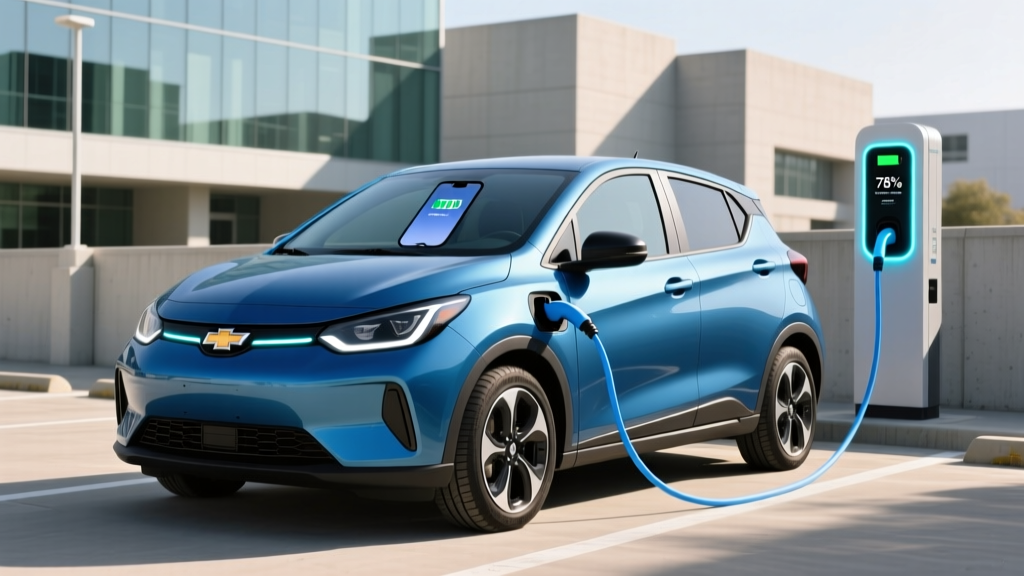
The Chevrolet Spark EV electric is a discontinued, used-only city commuter with an EPA-estimated 82 miles of range, 136 MPGe combined, and a 21 kWh liquid-cooled battery. In 2026, expect to pay $5,500–$9,000 on the used market depending on mileage and battery health. It works as a second car or urban runabout for drivers who can charge at home and rarely exceed 50-mile round trips. It does not qualify for the federal §30D new-vehicle tax credit (discontinued after 2016), and the federal used-EV credit (up to $4,000) expired for purchases after 2032 — but always verify current IRS rules. If you need highway range, fast charging, or back seats adults can use, skip it.
Chevrolet Spark EV Electric: Specs at a Glance
Chevrolet produced the Spark EV for the 2014–2016 model years only. The 2014 model used an A123 Systems battery; the 2015–2016 models switched to an LG Chem pack with slightly more usable capacity. Here are the hard numbers for the more common 2015–2016 version:
| Specification | Value |
|---|---|
| EPA Range | 82 miles |
| Battery Capacity (usable) | ~19 kWh (21 kWh gross) |
| Battery Chemistry | NMC (nickel manganese cobalt) |
| Motor Output | 140 hp (104 kW) / 400 lb-ft torque |
| 0–60 mph | ~7.2 seconds |
| EPA Efficiency | 136 MPGe combined (city 128 / hwy 109) |
| Energy Consumption | 25 kWh/100 mi |
| DC Fast Charging | SAE Combo (CCS1), up to 50 kW peak |
| Level 2 Charging | 3.3 kW onboard charger |
| DC Fast Charge 10–80% | ~25–30 minutes (at 50 kW) |
| Level 2 Full Charge (0–100%) | ~6–7 hours |
| Cargo Volume | 9.6 cu ft (seats up) / 23.5 cu ft (seats folded) |
| Original MSRP (2016) | $25,995 (before incentives) |
| 2026 Used Price Range | $5,500–$9,000 |
| Battery/Powertrain Warranty (original) | 8 years / 100,000 miles (now expired on most) |
Source: EPA Fuel Economy
Real-World Range: What 82 EPA Miles Actually Means
The EPA's 82-mile estimate assumes a mix of city and highway driving at moderate temperatures. In practice, your range will fluctuate significantly based on conditions:
EPA Sticker: 82 miles
City driving, 70°F: ~85–95 miles (regen braking in stop-and-go extends range)
Highway driving, 70°F at 65–70 mph: ~60–70 miles
Cold weather (below 32°F), mixed driving: ~45–60 miles (battery chemistry slows, cabin heater draws ~2–4 kW)
The Spark EV lacks a heat pump — it uses a resistive PTC heater, which is the single largest range killer in winter. If you live in the upper Midwest or Northeast, plan for a functional range of roughly 50 miles on a January morning commute. The liquid-cooled thermal management system does protect the battery from extreme degradation, which is a genuine advantage over passively cooled competitors like the Nissan Leaf of the same era.
Charging the Spark EV: Slow by Modern Standards
This is where the Spark EV shows its age most clearly. The 3.3 kW onboard Level 2 charger means a full charge from empty takes roughly 6–7 hours — adequate for overnight top-ups but noticeably slower than modern EVs with 7.2–11.5 kW chargers. If you arrive home at 8 PM with 15 miles of range, you won't have a full battery by 6 AM.
| Charging Level | Power (kW) | Time to Full | Miles Added per Hour |
|---|---|---|---|
| Level 1 (120V standard outlet) | ~1.4 kW | ~14–16 hours | ~5–6 mi/hr |
| Level 2 (240V, J1772) | 3.3 kW (onboard limit) | ~6–7 hours | ~12–14 mi/hr |
| DC Fast Charge (CCS1) | 50 kW peak | 10–80% in ~25–30 min | ~80–100 mi/hr (at peak) |
The 50 kW DC fast-charge capability was competitive in 2015 but is modest today, when many EVs accept 150–350 kW. The charge curve tapers noticeably above 80% state of charge — expect the final 20% to take nearly as long as the first 80% on DC fast charging. The CCS1 connector is still supported at most Electrify America and ChargePoint stations, though the industry's shift to NACS (Tesla's connector) means CCS availability may shift over the coming years.
Home charging reality: If you have a garage or dedicated parking spot with 240V access, a Level 2 EVSE ($300–$500 for the unit, $500–$1,500 for electrician installation) will cover daily needs. If you rely exclusively on public charging, the Spark EV's slow charging and limited range make it a frustrating daily driver.
Cost Breakdown: Spark EV vs. a Comparable Gas Car
The strongest argument for the Spark EV in 2026 is rock-bottom operating costs — if you charge at home. Here's a five-year cost comparison against a used 2016 Chevrolet Spark gasoline model (the most direct comparison):
| Cost Category (5 Years / 75,000 Miles) | Spark EV (Used) | Gas Spark (Used, 30 MPG Combined) |
|---|---|---|
| Purchase Price | $7,000 | $8,500 |
| Fuel / Electricity | $2,625 (home charging at $0.14/kWh) | $8,750 (gas at $3.50/gal) |
| Maintenance | $1,200 (tires, cabin filter, brake fluid) | $3,500 (oil, filters, brakes, spark plugs) |
| Insurance (avg.) | $5,500 | $4,800 |
| Estimated Battery Replacement Reserve | $2,000–$5,000 (if needed) | $0 |
| Total (5-Year Estimate) | $18,325–$21,325 | $25,550 |
The Spark EV saves roughly $4,200–$7,200 over five years — but only if the battery holds up. The original 8-year/100,000-mile battery warranty has expired on virtually all Spark EVs on the road in 2026 (the newest examples are 2016 models). A full battery replacement, if needed, could cost $5,000–$8,000 from a specialist, though many used examples retain 80–90% of original capacity.
Battery Health: What to Check Before You Buy
Any used EV purchase hinges on battery state of health (SoH). The Spark EV's LG Chem NMC pack is liquid-cooled, which generally means better longevity than air-cooled alternatives. However, these are now 10–12-year-old batteries.
Before buying, request or verify:
- Dashboard range display at full charge: A healthy pack should show 70–82 miles on a full charge. Below 65 miles, degradation is significant.
- OBD-II scan with an app like LeafSpy or Torque Pro: Some third-party tools can read remaining battery capacity percentage. Look for SoH above 80%.
- Charge history: Cars that were DC fast-charged daily or regularly charged to 100% and stored in hot climates will degrade faster.
- Warranty status: Confirm with a Chevrolet dealer whether any battery warranty remains. Most 2014–2016 examples will have expired.
Real-world data from owner forums suggests most Spark EVs retain 82–90% of original capacity after 8–10 years and 60,000–80,000 miles — respectable for the era, but not guaranteed for every individual vehicle.
Common Misconceptions About the Spark EV
| Myth | Fact |
|---|---|
| "It qualifies for the $7,500 federal tax credit." | The Spark EV has been discontinued since 2016. The federal new-vehicle §30D credit does not apply. The used-EV credit (up to $4,000 under §25E) has specific income and price caps — check current IRS §25E rules. |
| "82 miles of range is enough for anyone." | Adequate for city commutes under 40 miles round-trip with home charging. Inadequate for highway travel, cold climates, or drivers without reliable home charging. |
| "EVs need no maintenance." | The Spark EV still requires tire rotations, cabin air filter changes, brake fluid flushes, coolant checks for the battery thermal system, and 12V battery replacement. Maintenance costs are lower than gas cars, not zero. |
| "It charges at any public station." | The Spark EV uses CCS1 for DC fast charging and J1772 for Level 2. It cannot use Tesla Superchargers (NACS) without an adapter, and CHAdeMO-only stations won't work. |
| "The battery will need replacing soon." | Most Spark EVs show moderate degradation (10–18% capacity loss after a decade). Catastrophic failure is uncommon but not impossible — budget a reserve. |
Decision Framework: Is the Spark EV Right for You?
Choose the Chevrolet Spark EV electric if:
- You need an affordable second car strictly for city errands and short commutes (under 40 miles round-trip)
- You have reliable home charging access (garage, driveway with 240V outlet)
- You live in a mild climate (Southern California, Florida, Texas) where cold-weather range loss is minimal
- You want the lowest possible fuel cost and your daily driving stays within the ~80-mile envelope
- You're comfortable buying a 10-year-old car with no remaining powertrain warranty
Skip the Spark EV and look at other options if:
- You need to drive more than 60 miles one-way or regularly take highway trips
- You live in a cold climate (Minnesota, Maine, Colorado winters) where range drops to 50 miles
- You lack home charging access and would depend on public chargers (slow 3.3 kW charging makes this painful)
- You need usable rear seats or more than 9.6 cu ft of cargo space
- You want modern driver-assistance features (the Spark EV has basic stability control and airbags — no adaptive cruise, no lane-keeping, no automatic emergency braking)
- You want a vehicle that holds resale value — the Spark EV depreciates heavily and has a thin buyer pool
Alternatives to Consider in 2026
If the Spark EV's limitations are dealbreakers, these used EVs from the same era or slightly newer offer more range and modern features:
- 2017–2018 Chevrolet Bolt EV: 238 miles EPA, 60 kWh battery, CCS1 fast charging up to 55 kW. Used prices in 2026: $12,000–$17,000. Significantly more capable.
- 2016–2018 Nissan Leaf (30 kWh): 107 miles EPA, but passively cooled battery degrades faster in hot climates. Used prices: $8,000–$12,000.
- 2017–2019 Volkswagen e-Golf: 125 miles EPA (2017+), refined driving dynamics, CCS1 charging. Used prices: $13,000–$18,000.
- New 2026 Chevrolet Equinox EV: Starting around $33,600 with 319 miles EPA — eligible for the §30D tax credit (verify income and sourcing rules with a tax professional).
Frequently Asked Questions
Can I use the Spark EV for road trips?
Technically yes, but it's impractical. With 82 miles of range and 50 kW DC fast charging, you'd stop every 60–70 miles for 25–30 minutes. A 300-mile trip would take 7–8 hours including charging. This is a city car.
Does the Chevrolet Spark EV electric qualify for any tax credits in 2026?
The new-vehicle §30D credit does not apply to a discontinued model. The used-EV credit under IRS §25E may offer up to $4,000 (30% of sale price, capped at $4,000) if you meet income limits (AGI under $75,000 single / $150,000 joint) and the sale price is under $25,000. Consult a tax professional or the IRS for your specific eligibility, as rules may change.
How much does it cost to charge the Spark EV at home?
A full charge from empty to full uses about 21 kWh. At the US average residential rate of $0.14/kWh, that's roughly $2.94 per full charge, or about $0.035 per mile — compared to $0.12–$0.15 per mile for a 30 MPG gas car at $3.50/gallon.
What happens if the battery fails?
Out-of-warranty battery replacement for the Spark EV typically costs $5,000–$8,000 including labor at an EV specialist. Some third-party shops offer refurbished packs for less. Given the car's $5,500–$9,000 used value, a battery failure could total the vehicle economically.
Is the Spark EV safe?
The Spark EV earned a 4-star overall rating from NHTSA (the highest rating available for its class at the time). It includes standard stability control, antilock brakes, and 10 airbags. However, it lacks modern active-safety features like automatic emergency braking, blind-spot monitoring, or lane-departure warning that are standard on most 2026 vehicles.
Can I install a Level 2 charger for the Spark EV at home?
Yes. Any standard J1772 Level 2 EVSE will work. Because the Spark EV's onboard charger is limited to 3.3 kW, even a 40-amp (9.6 kW) home charger will only deliver 3.3 kW to the car. A basic 16-amp Level 2 unit ($250–$400) is sufficient. Expect $500–$1,500 for professional electrical installation depending on your panel capacity and wiring distance. Consult a licensed electrician for a site-specific quote.