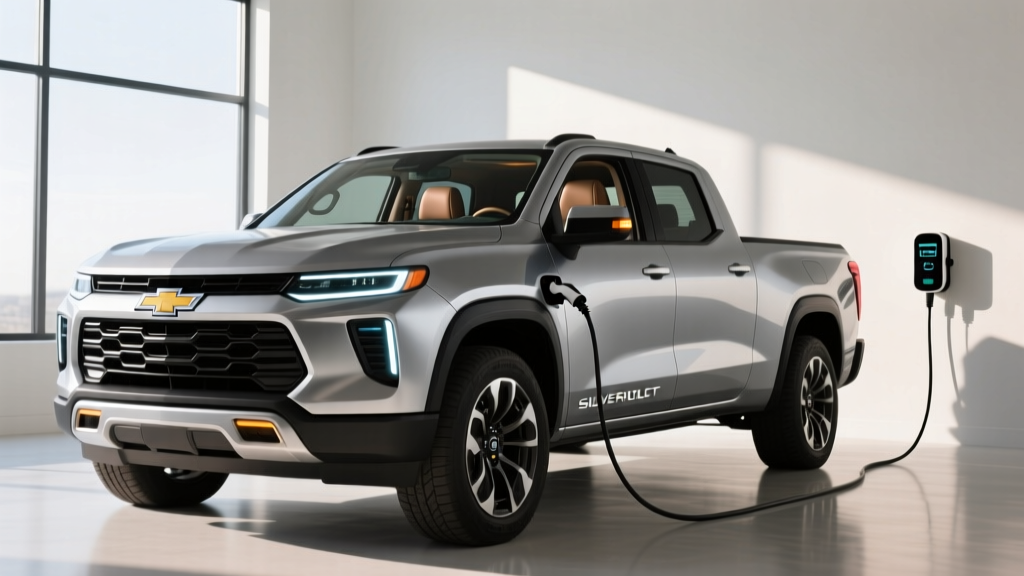
The 2026 Chevrolet Silverado EV is GM's full-size electric pickup built on the Ultium platform, offering up to an EPA-estimated 492 miles of range (Work Truck Max Range trim), 350 kW peak DC fast charging, and a starting MSRP around $57,900 for the Work Truck (WT) fleet-oriented trim. For retail buyers, the RST trim starts near $87,300 and delivers roughly 440 miles EPA with 664 horsepower. If you need a work-capable electric truck with class-leading range and can install a Level 2 home charger, the Silverado EV is one of the most practical options in the segment — but its sheer size, weight, and pricing mean it isn't the right electrified truck for every buyer.
Quick Verdict: Who Should Buy the Silverado EV?
Buy it if: You need 400+ miles of EPA range in a full-size truck bed, tow occasionally under 10,000 lbs, have home Level 2 charging, and want to eliminate fuel costs on a daily commute or job-site loop.
Consider a gas Silverado 1500 or PHEV alternative if: You tow heavy trailers regularly (towing cuts EV range 40-60%), live in a charging desert, lack reliable home charging access, or need a sub-$45,000 entry price.
Range & Efficiency: EPA Sticker vs Real-World Miles
The 2026 Silverado EV lineup spans multiple battery and trim configurations. The headline number — 492 miles EPA — belongs to the WT Max Range model with the larger ~200 kWh (usable) Ultium battery pack. The more commonly configured RST trim carries the same large pack and achieves approximately 440 miles EPA, while the standard-range WT trims with the smaller ~175 kWh pack target roughly 280-320 miles depending on configuration.
Real-World Range Reality Check
EPA 492 mi (WT Max Range): Expect approximately 380-420 miles in mixed real-world driving at highway speeds (70-75 mph). In cold weather (below 32°F), plan for a 20-30% reduction — roughly 340-390 miles effective range. When towing a 5,000-lb trailer, range drops to approximately 220-260 miles.
EPA ~440 mi (RST): Real-world highway driving yields roughly 340-380 miles. Cold-weather highway driving: approximately 280-330 miles. Towing range: approximately 200-240 miles with a moderate load.
Source: EPA / fueleconomy.gov — always verify trim-specific figures as configurations vary by model year.
| Trim | Battery (usable kWh) | EPA Range | MPGe (combined) | kWh/100mi |
|---|---|---|---|---|
| WT Standard Range | ~175 kWh (est.) | ~280-320 mi | TBD | ~48-52 |
| WT Max Range | ~200 kWh | 492 mi | ~62 MPGe | ~48 |
| RST (Large Pack) | ~200 kWh | ~440 mi | ~58 MPGe | ~50 |
The Silverado EV's efficiency is typical for a full-size electric truck — these are heavy vehicles (curb weight exceeds 8,800 lbs on RST), so kWh/100mi figures are roughly double what you'd see in a midsize sedan. The trade-off is the massive battery that enables the range figure.
Charging: 350 kW Peak, but Sustained Speeds Tell the Real Story
Chevrolet advertises up to 350 kW peak DC fast charging capability on 800V-capable Ultium architecture. That peak number is real but fleeting — as with all EVs, the charge curve tapers significantly as the battery fills.
| Level | Power (kW) | Speed | Use Case |
|---|---|---|---|
| Level 1 (120V) | 1.4 kW | ~3-4 mi/hr | Emergency/trickle only |
| Level 2 (240V, 48A) | 11.5 kW | ~28-32 mi/hr | Overnight home charging |
| Level 2 (240V, 80A) | 19.2 kW | ~48-52 mi/hr | Fast home / depot charging |
| DC Fast (peak) | 350 kW | ~100 mi in ~10 min | Highway road-trip stops |
| DC Fast (10-80%) | Variable | ~40-45 min (est.) | Typical fast-charge session |
Charge curve reality: At a 350 kW station (such as newer Electrify America or EVgo stalls), the Silverado EV will peak near 300-350 kW only between roughly 10-25% State of Charge. From 25-60%, sustained speeds typically average 180-230 kW. Above 80%, charging slows dramatically to protect battery longevity — expect 40-60 kW or less. A 10-80% session on a capable charger takes approximately 40-45 minutes for the large ~200 kWh pack, which is longer than smaller-battery EVs due to sheer energy volume.
Home charging is essential: With a ~200 kWh battery, Level 1 (120V) charging is functionally useless — it would take over 5 days to fill from empty. You need a hardwired Level 2 charger (ideally 80A / 19.2 kW) to add meaningful range overnight. Budget $1,200-$2,500 for a quality Level 2 unit plus professional installation by a licensed electrician, and potentially $2,000-$5,000 more if your home needs an electrical panel upgrade to support 80A continuous draw.
Performance & Capability: Towing, Payload, and Power
The Silverado EV delivers substantial power across trims. The RST produces 664 horsepower and 780 lb-ft of torque, launching to 60 mph in approximately 4.5 seconds — genuinely quick for a vehicle this heavy. The WT trims offer lower outputs (estimated 510-600 hp depending on motor configuration) but still out-accelerate most gas V8 Silverados off the line.
| Spec | WT (est.) | RST |
|---|---|---|
| Horsepower | 510-600 hp | 664 hp |
| Torque | 600-780 lb-ft | 780 lb-ft |
| 0-60 mph | ~5.5-6.0 sec | ~4.5 sec |
| Max Towing | 10,000 lbs | 10,000 lbs (up to 12,500 w/ max tow pkg) |
| Payload | ~1,300-1,800 lbs | ~1,300 lbs |
| Drive | AWD (dual motor) | AWD (dual motor) |
Towing reality: Electric trucks lose range dramatically when towing. Expect a 40-60% range reduction depending on trailer weight, aerodynamics, and terrain. A Silverado EV RST towing a 7,000-lb camper through mountain passes may deliver as little as 180-200 miles before needing a charge. For frequent heavy towing over long distances, a diesel or gas Silverado remains more practical until DC fast-charging infrastructure for trucks matures further.
The Silverado EV features GM's Super Cruise (SAE Level 2) on compatible highways — this is a hands-off-wheel, eyes-on-road driver-assist system, not autonomous driving. It covers over 750,000 miles of mapped roads in the US and Canada and works well for highway commuting, but requires constant driver supervision.
Pricing, Tax Credits & Total Cost of Ownership
The 2026 Silverado EV lineup pricing spans a wide range:
- WT (fleet/commercial base): ~$57,900 MSRP (standard range, fleet-oriented)
- WT Max Range: ~$70,000-$75,000 (est.)
- RST (retail flagship): ~$87,300 MSRP
Federal §30D Tax Credit Eligibility (2026 Rules)
The Silverado EV qualifies for analysis under the IRS §30D Clean Vehicle Credit, but eligibility depends on multiple factors that change frequently:
- MSRP cap: Trucks/vans must be under $80,000 MSRP — this means the RST (~$87,300) likely exceeds the cap and is ineligible, while WT trims may qualify
- Buyer income cap: AGI limits apply ($150K single / $300K joint filers)
- Battery sourcing: Critical minerals and battery component requirements must be met — GM's Ultium batteries use a mix of domestic and imported cells, and sourcing compliance varies by model year
- Point-of-sale transfer: Eligible buyers can apply the credit at purchase rather than waiting for tax filing
- Verify current rules: Always check IRS.gov §30D guidance and consult a tax professional before relying on credit eligibility
| Category | Silverado EV WT | Silverado 1500 Gas (V8) |
|---|---|---|
| Purchase Price (MSRP) | ~$57,900 | ~$44,000 |
| Federal Tax Credit (est.) | -$3,750 to -$7,500* | $0 |
| Fuel/Energy (5 yrs, 75K mi) | ~$4,500-$6,000 | ~$12,000-$15,000 |
| Maintenance (5 yrs) | ~$1,500-$2,000 | ~$3,500-$4,500 |
| Insurance (5 yrs) | ~$9,000-$12,000 | ~$7,000-$9,000 |
| Estimated 5-Year Total | ~$69,150-$76,900 | ~$66,500-$72,500 |
*Tax credit amount varies based on battery sourcing compliance and buyer eligibility. Source: Author estimates based on fueleconomy.gov energy costs and industry insurance data.
The EV breaks even or pulls ahead on operating costs (energy + maintenance savings of $8,000-$12,000 over 5 years), but the higher purchase price and insurance premiums narrow the gap. The more miles you drive annually, the faster the EV pays for itself. At 15,000+ miles/year with home charging at $0.13/kWh, the Silverado EV's fuel savings become substantial.
Battery Longevity, Warranty & What First-Time Buyers Should Know
The Silverado EV uses GM's Ultium battery platform with NMC (nickel manganese cobalt) chemistry. GM provides a battery warranty of 8 years / 100,000 miles, covering defects and capacity loss below a specified retention threshold (typically 60-70% of original capacity, depending on model year terms).
Degradation expectations: Based on Ultium platform data and industry NMC averages, expect approximately 8-12% total capacity loss over the first 100,000 miles under normal use. The large battery size works in your favor here — even with 10% degradation, a 492-mile truck still delivers roughly 440 miles of effective range.
Common Silverado EV Misconceptions
| Myth | Fact |
|---|---|
| "It charges in 10 minutes." | 350 kW is peak only. A realistic 10-80% session takes ~40-45 minutes at a capable DC fast charger. |
| "492 miles means I'll never need to charge on road trips." | Highway speeds, cold weather, and towing reduce effective range by 20-60%. Plan charging stops for long hauls. |
| "The $7,500 tax credit applies to all trims." | The RST exceeds the $80K MSRP cap for trucks. Only WT trims may qualify, subject to income and sourcing rules. |
| "I can charge it on a regular outlet." | Level 1 (120V) adds only 3-4 miles per hour. With a ~200 kWh battery, a full charge would take 5+ days. Level 2 home installation is essential. |
| "Super Cruise drives itself." | Super Cruise is SAE Level 2 — you must remain alert and ready to take over at all times. It is not autonomous driving. |
First-time EV buyer checklist for the Silverado EV:
- Home charging: Confirm your electrical panel can support a 60A or 80A circuit before purchasing. Get a quote from a licensed electrician.
- Daily driving pattern: If your daily round-trip commute is under 100 miles, you'll rarely need public charging. The Silverado EV excels as a home-charged daily driver.
- Climate: If you live in sub-freezing regions for 3+ months per year, budget 25-30% range loss in winter and ensure your home charger can precondition the battery.
- Towing needs: If you tow more than 2-3 times per month over 100+ miles, map out DC fast-charging stations along your routes before committing.
- Insurance: Get quotes before buying. EV trucks carry 15-30% higher premiums than gas equivalents due to repair costs and vehicle weight.
Silverado EV vs Competition: How It Stacks Up
| Spec | Silverado EV RST | Ford F-150 Lightning (Ext. Range) | Rivian R1T (Dual Max) |
|---|---|---|---|
| EPA Range | ~440 mi | ~320 mi | ~410 mi |
| Battery (usable) | ~200 kWh | ~131 kWh | ~149 kWh |
| Peak DC Charge | 350 kW | 150 kW | 220 kW |
| 0-60 mph | ~4.5 sec | ~3.8 sec | ~3.5 sec |
| Max Towing | 12,500 lbs | 10,000 lbs | 11,000 lbs |
| Base MSRP | ~$87,300 | ~$65,000 | ~$82,000 |
| Tax Credit Eligible | Unlikely (over $80K cap) | Yes (qualifying trims) | Yes (qualifying trims) |
The Silverado EV's primary advantage is range — it leads the segment by a significant margin. The F-150 Lightning remains the value and availability leader with more accessible pricing and a proven track record. The Rivian R1T targets a more premium, adventure-oriented buyer with superior off-road capability and a smaller footprint.
Decision Framework: Which Electric Truck Is Right for You?
Choose the Silverado EV if:
- Range is your #1 priority and you regularly drive 300+ miles between charging opportunities
- You want maximum battery buffer for cold-weather commuting
- You need a full-size bed and GM's Super Cruise for highway miles
- You're a fleet/commercial buyer where the WT pricing and fuel savings make clear economic sense
Choose the F-150 Lightning if:
- You want the lowest entry price in an electric full-size truck
- You need a proven model with wide dealer support and strong tax credit eligibility
- 320 miles of range covers your daily needs with home charging
Choose the Rivian R1T if:
- You want a smaller, more maneuverable truck with genuine off-road capability
- You prioritize performance (fastest 0-60) and adventure features (gear tunnel, camp kitchen)
- 410 miles of range is sufficient for your use case
Frequently Asked Questions
Does the Silverado EV qualify for the $7,500 federal tax credit?
It depends on the trim and your income. The WT trims under the $80,000 MSRP cap for trucks may qualify, but battery sourcing requirements and buyer AGI limits apply. The RST trim at ~$87,300 likely exceeds the MSRP cap and would not qualify. Always verify current eligibility on IRS.gov and consult a tax professional.
How long does it take to charge the Silverado EV at home?
With a 19.2 kW (80A) Level 2 home charger, a full charge from near-empty takes approximately 10-11 hours for the large ~200 kWh battery. With an 11.5 kW (48A) charger, plan for roughly 17-18 hours. Most owners charge overnight and never fully deplete the battery, so typical daily top-ups take 3-6 hours.
Can the Silverado EV power my home during an outage?
GM has announced V2H (vehicle-to-home) capability for Ultium-based vehicles, which would allow the Silverado EV to serve as a backup power source. However, this requires compatible home energy equipment (such as GM's Energy bundle or a third-party V2H system). Confirm V2H availability and hardware requirements with your dealer before relying on this feature.
What happens to range when towing with the Silverado EV?
Expect a 40-60% range reduction when towing, depending on trailer weight and aerodynamics. An RST with a 440-mile EPA range towing a 7,000-lb enclosed trailer at highway speeds may deliver only 180-220 miles before needing a charge. Plan routes around DC fast-charging stations and anticipate 45-60 minute charging stops.
Is the Silverado EV too big for daily driving?
At over 233 inches long and nearly 82 inches wide (excluding mirrors), the Silverado EV is larger than most garages can accommodate. Measure your garage and parking space before ordering. In urban environments, the size is noticeable in tight parking lots and narrow streets. For city-dominant driving, a smaller EV may be more practical.
What is the battery replacement cost?
Full Ultium battery pack replacement costs are not yet widely published for the Silverado EV, but industry estimates for large NMC packs of this capacity (~200 kWh) range from $20,000-$35,000 out of warranty. Under the 8-year/100,000-mile warranty, GM covers defects and excessive degradation. Most owners will never need a full replacement, as NMC packs typically retain 80-90% capacity at 100,000 miles.