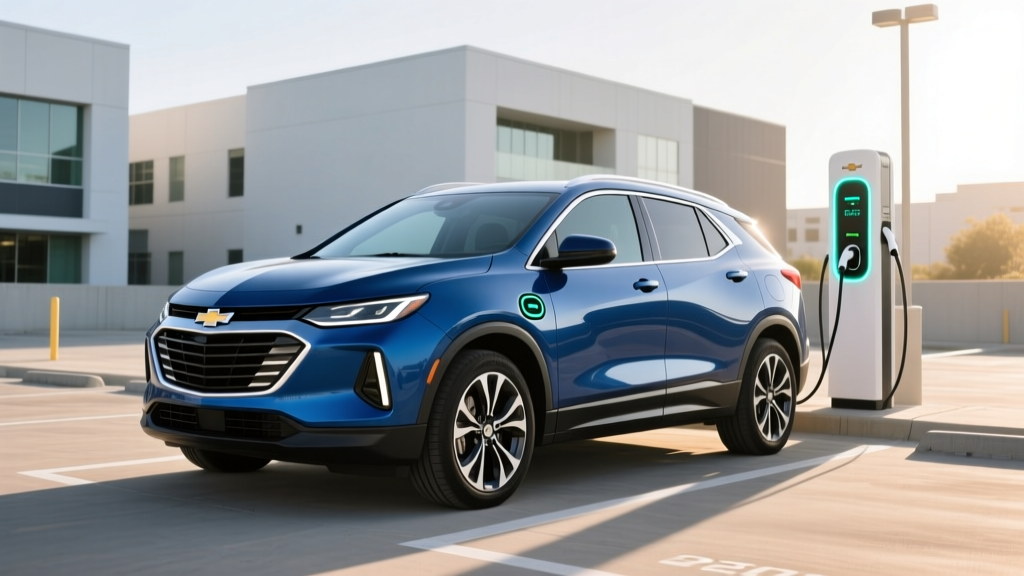
The midsize electric SUV segment has no shortage of contenders, but the Chevrolet Blazer EV LT occupies a distinct niche: a spacious, comfortable two-row crossover that prioritizes everyday usability over headline-grabbing performance. For 2026, the LT trim remains the volume play in the Blazer EV lineup — offering the largest battery option, competitive range, and a price point that, when paired with federal incentives, undercuts many rivals by thousands. After spending time with the Blazer EV LT and analyzing its specs against real-world driving data, here's everything you need to know before signing the paperwork.
Quick Verdict: Who the Blazer EV LT Is For
The 2026 Chevrolet Blazer EV LT is best suited for daily commuters and small families who want a comfortable ride, generous cargo space, and enough range to handle weekend road trips without constant charging stops. It's not the quickest SUV in its class, and its infotainment learning curve may frustrate some, but its combination of 300+ mile range, spacious interior, and available all-wheel drive makes it a pragmatic choice for buyers transitioning from a gas-powered midsize crossover.
Look elsewhere if: You need third-row seating, want the fastest DC charging in the segment, or prefer physical buttons for climate controls.
Range, Battery, and Efficiency
The 2026 Blazer EV LT is available with two battery configurations depending on drivetrain choice. The front-wheel-drive (FWD) LT comes equipped with a 102 kWh usable lithium-ion battery pack (NMC chemistry — nickel manganese cobalt), which delivers an EPA-estimated 324 miles of range. The all-wheel-drive (AWD) LT uses the same pack but is rated at 283 miles due to the added weight and mechanical drag of the dual-motor setup.
EPA estimates assume a mix of city and highway driving at moderate temperatures. In real-world use:
• Highway-heavy trips (70-80 mph): Expect ~265–285 miles (FWD) or ~230–250 miles (AWD) before needing a charge.
• City/commuter driving with regen: You may match or slightly exceed EPA numbers, hitting 330+ miles in the FWD model.
• Cold weather (below 30°F): Plan for a 20–30% reduction. A 324-mile FWD Blazer may deliver 225–260 miles in freezing conditions, especially without preconditioning.
• Heat pump: The 2026 Blazer EV includes a heat pump, which helps mitigate cold-weather losses compared to resistive heating systems.
Efficiency is rated at 87 MPGe combined (FWD) and 79 MPGe combined (AWD) per fueleconomy.gov. In kWh/100mi terms, the FWD model consumes approximately 39 kWh/100mi, while the AWD version sits around 42 kWh/100mi. These are midpack figures — the Hyundai Ioniq 5 and Tesla Model Y are noticeably more efficient per mile, but the Blazer's larger cabin and heavier curb weight (approximately 5,700 lbs FWD) account for the difference.
| Spec | LT FWD | LT AWD |
|---|---|---|
| EPA Range | 324 miles | 283 miles |
| Battery (usable) | 102 kWh (NMC) | 102 kWh (NMC) |
| Efficiency (combined) | 87 MPGe / 39 kWh/100mi | 79 MPGe / 42 kWh/100mi |
| Horsepower | 220 hp | 288 hp |
| Torque | 325 lb-ft | 355 lb-ft |
| 0–60 mph | ~7.8 sec | ~6.2 sec |
| Drivetrain | Single-motor FWD | Dual-motor AWD |
| Max DC Fast Charge | 190 kW | 190 kW |
| 10–80% DCFC Time | ~34 min | ~34 min |
| Level 2 Home Charge Rate | 11.5 kW | 11.5 kW |
| Base MSRP | $44,600 | $47,600 |
Charging Speed: DC Fast and Home Level 2
The Blazer EV LT supports a peak DC fast-charging rate of 190 kW via its CCS connector (2026 models ship with CCS1; a NACS adapter is available for Tesla Supercharger access). On a capable 350 kW station like an Electrify America or EVgo unit, you'll see peak speeds near 190 kW in the low state-of-charge range (10–30%), with a gradual taper beginning around 50% SoC.
| Charging Level | Power | Miles of Range Added | Notes |
|---|---|---|---|
| Level 1 (120V household) | ~1.4 kW | ~3–4 miles/hour | Emergency/top-up only; full charge in ~72 hours |
| Level 2 (240V home) | 11.5 kW | ~28–31 miles/hour | Full 0–100% in ~9 hours; ideal for overnight |
| DC Fast Charge (CCS) | Up to 190 kW peak | ~170 miles in 20 min | 10–80% in ~34 min; tapers significantly above 80% |
Charging-curve reality check: The 190 kW peak is not sustained. Expect an average rate closer to 130–140 kW across the full 10–80% session. Above 80%, charging slows dramatically to protect battery health — going from 80–100% can add another 30+ minutes. For road trips, plan stops around the 10–80% window for maximum efficiency.
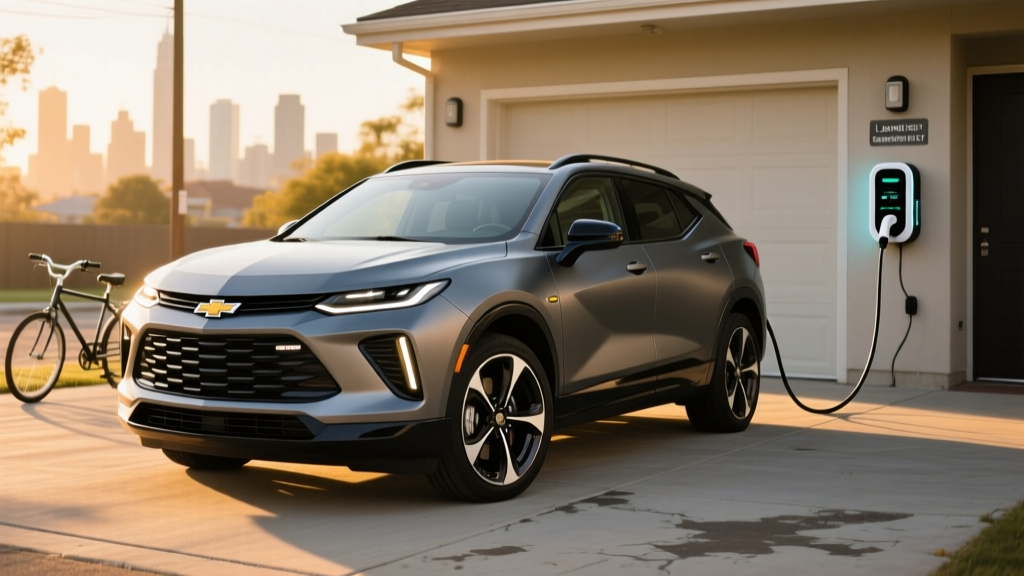
For home charging, the onboard 11.5 kW charger is competitive. With a Level 2 wall connector installed on a 60-amp circuit (48 amps continuous), you'll add roughly 30 miles per hour of charging — enough to fully replenish the 102 kWh battery overnight. A professional Level 2 installation typically costs $500–$1,500 depending on panel proximity and local permit requirements. Always consult a licensed electrician for final specifications.
Performance and Driving Impressions
The FWD Blazer EV LT produces 220 horsepower and 325 lb-ft of torque from its single rear-mounted motor (despite the FWD badge, GM's Ultium platform places the primary motor at the rear axle). Acceleration to 60 mph takes approximately 7.8 seconds — adequate for merging and passing, but not thrilling.
Step up to the AWD LT with its dual-motor setup, and output rises to 288 hp and 355 lb-ft, cutting the 0–60 time to a more confident 6.2 seconds. The instant torque delivery makes the AWD model feel quicker around town than the numbers suggest.
Ride quality is a strong point. The Blazer EV's suspension is tuned for comfort over sportiness, soaking up highway imperfections with a composed, planted feel. The steering is light and low-effort — ideal for parking lots but lacking the feedback that driving enthusiasts crave. Regenerative braking offers a one-pedal driving mode with adjustable intensity, though the brake pedal feel is somewhat numb in the transition between regen and friction braking.
Interior, Cargo, and Technology
Inside, the Blazer EV LT seats five with generous dimensions. Front legroom measures 42.8 inches, and rear legroom is a comfortable 38.4 inches — competitive with the Ford Mustang Mach-E and slightly more spacious than the Hyundai Ioniq 5's rear seat. The seats themselves are well-bolstered, though the LT trim uses cloth upholstery (leatherette is available on higher trims or as an option package).
Cargo volume behind the second row is 27.7 cubic feet, expanding to 55.2 cubic feet with the rear seats folded. There's no front trunk (frunk) — GM opted for a traditional hood housing HVAC components. For comparison, the Tesla Model Y offers 30.2 cu ft behind the second row plus a frunk, giving it a slight edge in total storage.
Infotainment: The centerpiece is a standard 17.7-inch diagonal touchscreen running GM's latest Ultifi software, paired with an 11-inch digital instrument cluster. Wireless Apple CarPlay and Android Auto are standard. The screen is vivid and responsive, but the heavy reliance on touchscreen controls (climate, seat heating) means more taps for simple adjustments. A handful of physical shortcut buttons help, but the learning curve is real for first-time users.
Driver assistance: The LT trim includes Chevy Safety Assist as standard — a Level 2 (SAE) suite featuring automatic emergency braking, forward collision alert, lane keep assist, following distance indicator, and adaptive cruise control. GM's Super Cruise (hands-free highway driving on mapped divided highways) is available as an option on the LT and standard on higher trims. Note: Super Cruise is a Level 2 driver-assist system — you must remain attentive and keep your eyes on the road at all times. It is not autonomous driving.
Pricing, Trims, and Federal Tax Credit
For 2026, the Blazer EV LT starts at $44,600 (FWD) and $47,600 (AWD), including destination charge. Key trim levels in the Blazer EV lineup include:
- LT FWD: $44,600 — 324-mile range, 17.7" screen, cloth seats, Chevy Safety Assist
- LT AWD: $47,600 — 283-mile range, dual-motor, all-weather capability
- RS AWD: $51,400 — sport styling, leatherette, upgraded audio
- SS AWD: $58,200 — 557 hp performance variant (separate review)
Federal tax credit (§30D) eligibility: The 2026 Blazer EV LT may qualify for up to $7,500 in federal tax credits, but eligibility depends on several IRS requirements that change periodically. Key rules under current IRS §30D guidelines:
- MSRP cap: SUVs must have an MSRP at or below $80,000 — all Blazer EV LT trims qualify.
- Buyer income cap: Modified adjusted gross income (MAGI) must not exceed $150,000 (single), $225,000 (head of household), or $300,000 (joint).
- Battery sourcing: A percentage of critical minerals and battery components must be sourced from the U.S. or free-trade-agreement countries. The Blazer EV's Ultium battery is assembled in the U.S., but the exact credit amount ($3,750 or $7,500) depends on current-year sourcing thresholds that the IRS updates annually.
- Point-of-sale transfer: Eligible buyers can transfer the credit to the dealer at purchase, reducing the upfront price rather than waiting for a tax refund.
| Trim | Base MSRP | Est. After $7,500 Credit | Est. After $3,750 Credit |
|---|---|---|---|
| LT FWD | $44,600 | ~$37,100 | ~$40,850 |
| LT AWD | $47,600 | ~$40,100 | ~$43,850 |
Note: Tax credit eligibility is complex and subject to change. Consult a tax professional and verify current battery-sourcing requirements on IRS.gov before purchasing. State and local incentives may also apply — check your jurisdiction's energy office for details.
Warranty and Long-Term Ownership
Chevrolet backs the 2026 Blazer EV with a competitive warranty package:
- Battery & propulsion components: 8 years / 100,000 miles (whichever comes first), covering defects and excessive capacity loss (GM defines excessive as below ~70% state of health)
- Limited vehicle warranty: 3 years / 36,000 miles bumper-to-bumper
- Powertrain (non-battery): 5 years / 60,000 miles
- Roadside assistance: 5 years / 60,000 miles
The 8-year/100,000-mile battery warranty is standard for the segment and aligns with federal requirements. Long-term degradation data for the Ultium platform is still accumulating (the platform launched in 2022), but GM's use of an active liquid thermal management system is designed to minimize capacity loss over time. To maximize battery longevity, avoid routinely charging to 100% on DC fast chargers and use Level 2 for daily top-ups.
Pros, Cons, and Competitor Comparison
- 324-mile EPA range (FWD) is among the best in the midsize EV SUV class
- Spacious cabin with 38.4" rear legroom and 27.7 cu ft cargo
- Comfortable, compliant ride quality
- Standard 17.7" touchscreen with wireless CarPlay/Android Auto
- Available Super Cruise hands-free driving (Level 2)
- Competitive pricing, especially after potential tax credits
- Heat pump included for cold-weather efficiency
- 190 kW peak DC charging is slower than Hyundai/Kia's 800V competitors (240+ kW)
- No front trunk (frunk)
- Heavy reliance on touchscreen for climate and seat controls
- FWD model's 7.8-second 0–60 feels leisurely for the class
- Rear visibility is compromised by thick C-pillars
- Ultium platform long-term reliability data still limited
Versus key competitors: The Hyundai Ioniq 5 charges significantly faster (peak 240 kW on 800V architecture, 10–80% in ~18 minutes) and is more efficient, but offers less rear-seat room. The Tesla Model Y has more cargo space, access to the Supercharger network natively (though the Blazer can use it via NACS adapter), and slightly better efficiency, but its ride is firmer and its interior more minimalist than some buyers prefer. The Ford Mustang Mach-E is sportier to drive but has a smaller battery and less range in comparable trims. The Blazer EV LT's advantage is its blend of range, space, and ride comfort at a strong price point.
Frequently Asked Questions
What is the real-world range of the 2026 Chevrolet Blazer EV LT?
The FWD model's EPA rating is 324 miles, but real-world highway driving at 70–80 mph typically yields 265–285 miles. In cold weather (below 30°F), expect 225–260 miles. The AWD model is EPA-rated at 283 miles, with real-world highway figures around 230–250 miles.
How fast does the Blazer EV LT charge?
On a DC fast charger, it peaks at 190 kW and charges from 10–80% in approximately 34 minutes. At home on a Level 2 (240V) charger at 11.5 kW, it adds about 28–31 miles per hour, reaching a full charge in roughly 9 hours.
Does the 2026 Blazer EV LT qualify for the federal EV tax credit?
It may qualify for up to $7,500 under IRS §30D, depending on your income (MAGI caps apply), the current-year battery sourcing requirements, and the vehicle's MSRP (all LT trims fall under the $80,000 SUV cap). The credit can be transferred to the dealer at point of sale. Verify current eligibility on IRS.gov and consult a tax professional.
Is the Blazer EV LT worth buying over the Tesla Model Y or Hyundai Ioniq 5?
It depends on your priorities. If maximum range, ride comfort, and a traditional SUV feel matter most, the Blazer EV LT is compelling — especially after tax credits. If fast DC charging and efficiency are paramount, the Ioniq 5 wins. If cargo space and Supercharger access (without an adapter) are key, the Model Y has the edge.
What are the biggest drawbacks of the Blazer EV LT?
Its 190 kW peak charging speed is outpaced by 800V competitors, there's no frunk, and the touchscreen-heavy control scheme takes adjustment. The FWD model's acceleration is modest, and rear visibility could be better.
Can the Blazer EV LT use Tesla Superchargers?
Yes — with a NACS adapter (available from Chevrolet), the Blazer EV can access Tesla's Supercharger network using the CCS-to-NACS adapter. The adapter typically supports up to the vehicle's 190 kW peak, though Supercharger stall output varies.