Should You Buy a Car with an Electric Motor?
The short answer: Cars with electric motors (battery-electric vehicles, or BEVs) save most drivers $4,000–$9,000 over five years in fuel and maintenance compared to gas equivalents — but only if you can charge at home or work. Expect EPA ranges of 240–400 miles in 2026, real-world highway ranges 15–25% lower, and base prices from ~$29,000 (Nissan Leaf) to $80,000+ (luxury). Federal tax credits under IRS §30D can reduce qualifying models by up to $7,500 at the point of sale, but eligibility depends on your income, the vehicle's MSRP cap, and battery-sourcing rules.
If you've been searching for cars with electric motors and feeling overwhelmed by range claims, charging jargon, and conflicting cost advice, this guide gives you the exact numbers you need. We'll break down what electric motors actually deliver versus internal combustion, what ownership really costs, and how to decide whether a BEV, plug-in hybrid (PHEV), or conventional hybrid (HEV) fits your driving life.
How Electric Motors Compare to Gas Engines
Electric motors produce maximum torque from zero RPM — no revving, no gear hunting. That translates to instant acceleration and a driving feel that gas engines can't match without turbo lag or high-revving drama. A Tesla Model 3 Long Range AWD hits 0–60 mph in 4.2 seconds with 346 horsepower, while a comparably priced Toyota Camry (gas) takes 7.6 seconds with 203 hp.
But raw performance isn't the whole story. Here's how the two powertrains stack up on the metrics that actually affect your wallet and daily routine:
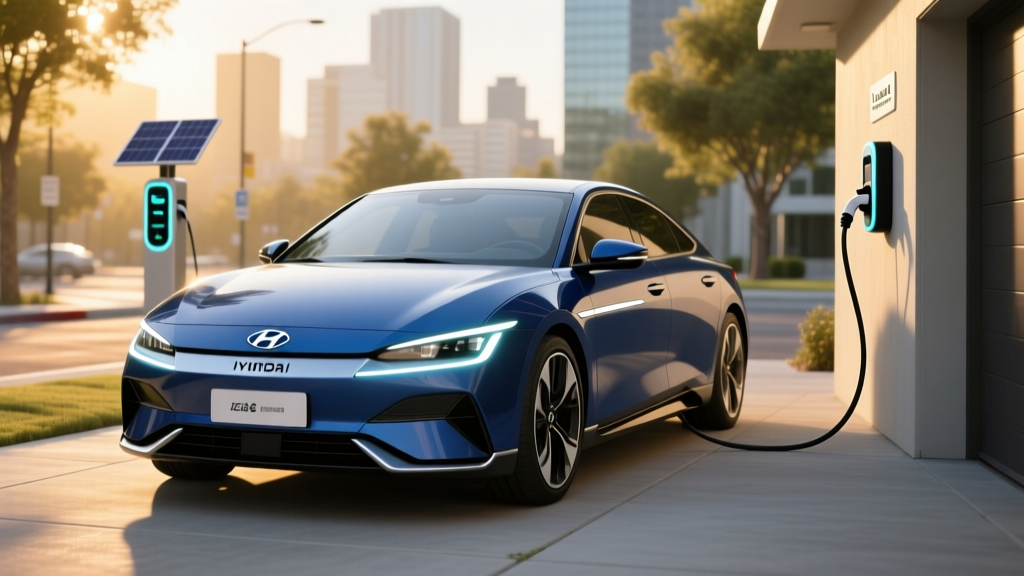
| Metric | BEV (e.g., Hyundai Ioniq 6 SE) | Gas (e.g., Honda Accord 1.5T) | HEV (e.g., Toyota Camry Hybrid) |
|---|---|---|---|
| EPA Efficiency | 140 MPGe / 25 kWh/100mi | 33 MPG combined | 52 MPG combined |
| Fuel/Energy Cost per Mile | ~$0.04 (home L2) | ~$0.13 ($3.50/gal) | ~$0.07 |
| 0–60 mph | 5.1 sec (RWD Long Range) | 7.2 sec | 7.1 sec |
| Maintenance (5-yr est.) | ~$1,800 | ~$4,200 | ~$3,500 |
| EPA Range | 361 mi | ~460 mi (14.8 gal tank) | ~510 mi (13.2 gal tank) |
| "Refuel" Time | 10–80% in ~18 min (DC fast) | ~3 min | ~3 min |
The efficiency gap is where electric motors dominate. Per fueleconomy.gov, the average 2026 BEV achieves 3–4× the energy efficiency of a gas car. Even accounting for higher electricity rates in states like California (~$0.30/kWh), a BEV still costs roughly half per mile to "fuel" compared to gasoline at $3.50/gallon.
Real Costs: Purchase, Charging, and Ownership
The sticker price of cars with electric motors remains higher than gas equivalents — typically $5,000–$12,000 more at the base trim level. But the total cost of ownership (TCO) tells a different story when you factor in fuel, maintenance, and available tax credits.
| Cost Category (5 Years / 75,000 mi) | BEV (Chevrolet Equinox EV LT) | Gas (Chevrolet Equinox LT AWD) | PHEV (Toyota RAV4 Prime) |
|---|---|---|---|
| Purchase Price (after credits) | $33,400 (est. after $7,500 §30D) | $31,900 | $43,600 (est. after $7,500 §30D) |
| Fuel/Energy | $2,800 (home charging) | $7,900 | $3,400 (mixed EV + gas) |
| Maintenance | $1,600 | $4,100 | $3,200 |
| Insurance (avg.) | $8,200 | $6,800 | $7,400 |
| 5-Year Total | $46,000 | $50,700 | $57,600 |
Key caveats on the tax credit: The IRS §30D federal credit of up to $7,500 is not universal. For 2026, the vehicle must meet MSRP caps ($55,000 for sedans, $80,000 for SUVs/trucks/vans), the buyer must fall under income limits ($150K single / $300K joint modified AGI), and the battery must meet critical-mineral and component-sourcing requirements that tighten annually. The credit can now be transferred to the dealer at the point of sale, reducing your out-of-pocket cost immediately. Always verify current eligibility on IRS.gov before purchasing.
Charging Cost Breakdown
Your charging scenario dramatically affects per-mile cost:
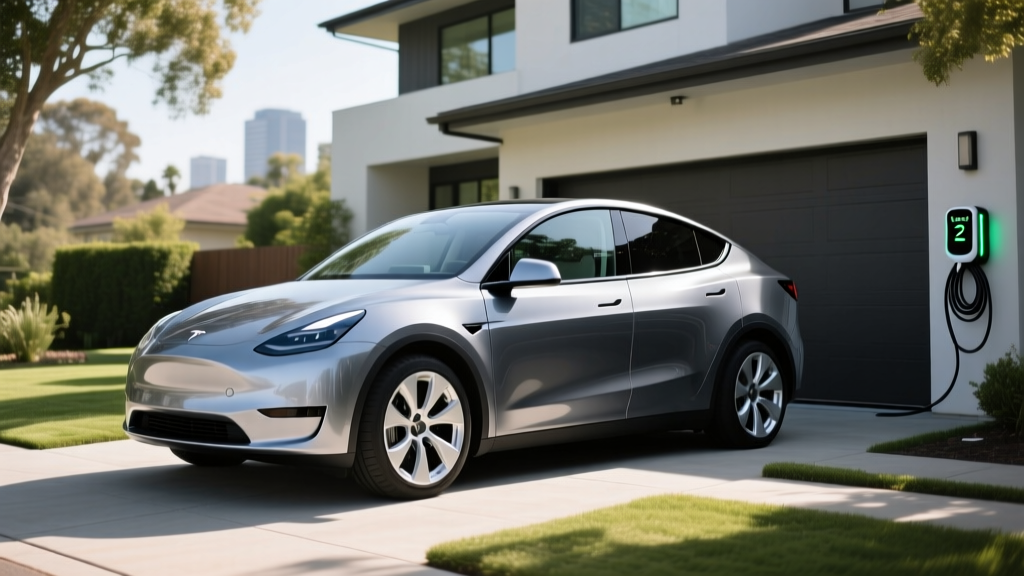
- Home Level 2 (average $0.15/kWh): ~$0.04/mile — cheapest and most convenient
- Home Level 1 (120V outlet): Same per-kWh cost, but adds only 3–5 miles of range per hour — viable only for low-mileage drivers
- Public DC fast charging (avg. $0.35–$0.55/kWh): ~$0.09–$0.14/mile — approaches gas costs if used exclusively
- Workplace/free charging: $0.00/mile — the best-case scenario if available
If you rely solely on public DC fast charging, a BEV's cost advantage over gas narrows significantly. Home charging access is the single largest predictor of EV ownership satisfaction.
Range, Charging Speed, and Real-World Expectations
EPA range estimates for 2026 cars with electric motors are more achievable than ever, but real-world conditions always reduce the sticker number. Here's what to expect from popular models:
| Model | Battery (kWh) | EPA Range | Real-World Highway | Cold Weather (20°F) | 10–80% DC Fast |
|---|---|---|---|---|---|
| Tesla Model 3 LR AWD | 79 kWh (NMC) | 341 mi | ~275–290 mi | ~240–260 mi | ~15 min (250 kW peak) |
| Hyundai Ioniq 5 SE AWD | 77.4 kWh (NMC) | 290 mi | ~240–255 mi | ~210–225 mi | ~18 min (240 kW peak) |
| Ford Mustang Mach-E Select | 72 kWh (NMC) | 250 mi | ~210–225 mi | ~180–195 mi | ~28 min (150 kW peak) |
| Chevrolet Equinox EV LT | 85 kWh (NMC) | 319 mi | ~265–280 mi | ~230–250 mi | ~22 min (190 kW peak) |
| BMW i4 eDrive40 | 81.5 kWh (NMC) | 307 mi | ~260–275 mi | ~225–240 mi | ~31 min (200 kW peak) |
Understanding the charge curve: Peak DC fast-charging rates (e.g., 250 kW) are only sustained at low states of charge — typically 10–30%. Above 50% SoC, the rate tapers significantly to protect battery health. A "15-minute 10–80%" claim is impressive, but charging from 80–100% may take an additional 20–30 minutes. Plan road-trip stops around the 10–80% window for the fastest experience.
Cold weather reality: Lithium-ion batteries lose 20–35% of their range in sub-freezing temperatures due to increased internal resistance and cabin-heating demands. Models equipped with a heat pump (standard on Tesla Model 3/Y, Hyundai Ioniq 5/6, and many 2026 BEVs) recover some of this loss by efficiently scavenging waste heat rather than using resistive heating. If you live in a cold climate, a heat pump is nearly essential.
Common Misconceptions About Electric Cars
| Myth | Fact (with Data) |
|---|---|
| "Batteries need replacing every few years" | Federal law mandates 8-year/100,000-mile battery warranties. Real-world degradation averages 10–15% over 10 years/150,000 miles (Recurrent Auto data). Full replacement costs $8,000–$18,000 but is rarely needed. |
| "EVs are worse for the environment" | Even on coal-heavy grids, a BEV produces 50–70% fewer lifetime emissions than a gas car (Union of Concerned Scientists). On clean grids, the advantage exceeds 80%. The manufacturing carbon debt is repaid within 6–18 months of driving. |
| "You can't take an EV on a road trip" | The US now has over 60,000 public charging ports. With 250+ miles of range and 15–25-minute fast-charge stops, a 500-mile trip adds ~45 minutes of charging — comparable to rest stops and meals. |
| "EVs are slow and boring to drive" | The base Tesla Model 3 RWD does 0–60 in 5.8 seconds; the Performance variant does it in 2.9 seconds. Electric motors deliver instant torque with zero lag — most BEVs out-accelerate gas cars at their price point. |
| "I need a special electrical panel" | Most homes with a 200-amp panel can support a Level 2 (240V/48A) charger. A panel upgrade to 200A costs $1,500–$3,000 if needed. Level 1 (120V) works on any standard outlet for low-mileage drivers. |
BEV vs PHEV vs HEV: Which Powertrain Fits You?
Not every driver is ready for a full battery-electric vehicle. Here's a data-driven framework for choosing:
Choose a BEV (full electric) if:
- You have reliable home or workplace charging
- Your daily driving is under 200 miles round-trip
- You want the lowest per-mile fuel cost and near-zero maintenance
- You're willing to plan charging stops on road trips (1–2× per month)
- You qualify for the §30D tax credit, reducing the price premium
Choose a PHEV (plug-in hybrid) if:
- You can charge at home but frequently take trips exceeding 300 miles
- You want 25–45 miles of electric-only commuting with a gas backup
- You live in an area with sparse public charging infrastructure
- You want to reduce fuel use 60–80% without full range commitment
Choose an HEV (conventional hybrid) if:
- You have no access to home or workplace charging
- You want better MPG (45–57 combined) without plugging in
- You drive high miles annually (20,000+) and want simplicity
- The upfront BEV premium doesn't pencil out for your budget
For context, a PHEV like the Toyota RAV4 Prime delivers 42 miles of electric-only range (EPA) and 38 MPG combined once the battery depletes — covering most daily commutes on electricity while eliminating range anxiety entirely. The tradeoff: PHEVs carry both a battery/gas engine (more maintenance) and qualify for the same §30D credit as BEVs, making them compelling for mixed-use drivers.
What First-Time EV Buyers Must Know
If you're transitioning from gas to a car with an electric motor for the first time, prepare for these ownership realities:
- Home charging installation: A Level 2 (240V) home charger costs $500–$800 for the unit plus $800–$2,500 for electrician installation (depending on panel proximity and conduit runs). Budget $1,500–$3,000 total. Per NHTSA and electrical codes, always use a licensed electrician — never DIY high-voltage work.
- Insurance premiums: BEVs cost 15–25% more to insure than gas equivalents due to higher repair costs and parts pricing. Shop quotes from EV-friendly insurers (Geico, Progressive, and Tesla Insurance tend to be competitive) before purchasing.
- Regenerative braking: Most BEVs offer adjustable regen — the strongest settings enable "one-pedal driving" where lifting off the accelerator slows the car significantly. Expect a 1–2 week adaptation period; most owners come to prefer it.
- Tire wear: EVs are 15–25% heavier than gas equivalents and deliver instant torque. Expect tire replacement 10,000–15,000 miles sooner. Budget for EV-rated tires (Michelin Pilot Sport EV, Hankook iON) which are optimized for low rolling resistance and noise.
- Software updates: Modern BEVs receive over-the-air (OTA) updates that can add features, improve range, or fix recalls without a dealer visit. This is a significant ownership advantage over gas vehicles.
- Charging network reliability: Tesla's Supercharger network remains the most reliable (~97% uptime). Non-Tesla networks (Electrify America, EVgo, ChargePoint) have improved but still average 80–90% uptime. Download multiple charging apps before road trips.
Frequently Asked Questions
Do cars with electric motors last as long as gas cars?
Yes — and often longer in terms of powertrain simplicity. Electric motors have roughly 20 moving parts versus 2,000+ in an internal combustion engine. There are no oil changes, spark plugs, timing belts, or exhaust systems to fail. The battery is the primary longevity concern, but most degrade only 1–2% per year under normal use. With proper care, a BEV should comfortably reach 200,000+ miles.
What happens if I run out of charge on the road?
Running a BEV to zero is rare — modern vehicles provide 20–30 miles of low-charge warnings and will throttle power to preserve remaining energy. If you do deplete fully, roadside assistance can tow you to the nearest charger (many EV-specific roadside plans include this). Unlike running out of gas, you can't "walk back with a can" — plan trips with a 20% buffer.
Can I charge an EV in the rain or snow?
Yes. All EV charging connectors (NACS, CCS, J1772) are weather-sealed to IP67 or better standards. Charging in rain, snow, or even light flooding at the connector is safe. The system will not energize until a secure, sealed connection is confirmed.
Are EVs good in cold climates?
They work, but with compromises. Expect 20–35% range loss below freezing due to battery chemistry limitations and cabin heating demand. Preconditioning your battery while plugged in (warming it using grid power) recovers some charging speed and range. Cold-climate EV buyers should prioritize models with a heat pump, heated seats/steering wheel (more efficient than cabin air heating), and 300+ miles of EPA range to absorb the winter penalty.
How do I know if my home electrical panel can handle an EV charger?
A standard Level 2 charger draws 32–48 amps at 240 volts. Most modern homes with a 200-amp main panel have sufficient capacity. An electrician will perform a load calculation to verify. If your panel is 100 amps or older, a $1,500–$3,000 upgrade may be required. Some utilities offer rebates covering part of this cost — check with your local provider.
Is a used EV a smart buy?
Potentially. The federal used-EV credit (§25E) offers up to $4,000 (30% of sale price) on qualifying used BEVs and PHEVs priced under $25,000. Check the battery's State of Health (SoH) via the vehicle's diagnostic menu or a pre-purchase inspection. A used EV with 90%+ SoH and under 60,000 miles can be an excellent value — but verify the remaining battery warranty (typically 8 years/100,000 miles from original purchase date).