The Short Answer: Can Tesla Deactivate Your Car?
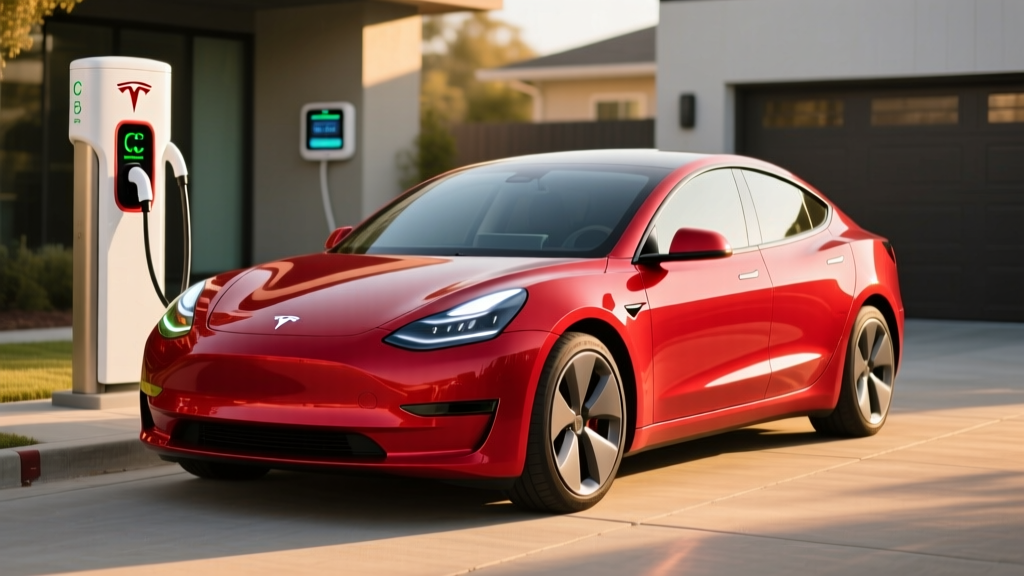
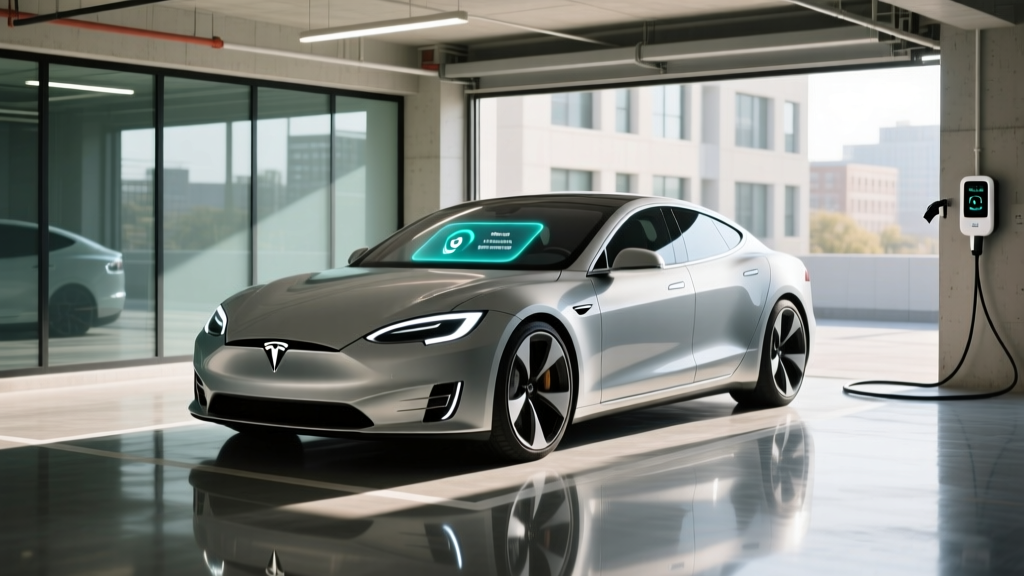
If you've seen viral posts claiming Tesla can remotely shut off your car at will, the reality is more nuanced. Tesla does possess remote immobilization capabilities, but the company uses them in extremely specific circumstances — primarily when a vehicle is reported stolen or when law enforcement requests assistance during an active pursuit. Tesla cannot and does not deactivate cars over missed payments, disagreements, or arbitrary reasons. Once you purchase a Tesla outright, it is your property, and the company has no legal mechanism or stated policy to brick a paid-off vehicle remotely.
However, the technical capability exists, and that distinction matters for buyers evaluating digital ownership rights in the EV era. Let's break down exactly what Tesla can and cannot do, then examine the 2026 Tesla Model Y as the vehicle most affected by these questions.
When Tesla Has Actually Immobilized Vehicles
Documented cases of Tesla remote immobilization fall into narrow categories:
- Stolen vehicle recovery: Tesla has assisted police by remotely limiting speed or immobilizing vehicles confirmed stolen. In several publicized cases (including a 2019 incident in California and a 2022 case in Florida), Tesla remotely slowed stolen vehicles to a stop at police request.
- Court-ordered actions: In rare legal disputes where a court has ordered Tesla to disable a vehicle, the company has complied — but this requires judicial process, not unilateral corporate action.
- Financed/leased vehicle repossession: If you default on a loan through Tesla Financial, standard repossession laws apply. Tesla may remotely restrict access as part of the repossession process, similar to how some lenders use GPS trackers and starter-interrupt devices on conventional vehicles.
Tesla's Vehicle Data Privacy policy and customer agreement outline data collection practices but do not contain a clause granting the company the right to deactivate a fully owned vehicle without cause or legal process. The Electronic Communications Privacy Act and state consumer protection laws also constrain remote interference with personal property.
2026 Tesla Model Y: Full Spec Review
The Model Y remains Tesla's highest-volume vehicle and the model most owners ask about regarding remote capabilities. Here's the complete 2026 breakdown for the current Long Range AWD and Performance trims.
| Specification | Long Range AWD | Performance |
|---|---|---|
| EPA Range | 320 miles | 295 miles |
| Battery (usable) | ~75 kWh, NMC | ~75 kWh, NMC |
| Drivetrain | Dual-motor AWD | Dual-motor AWD |
| Horsepower | ~384 hp | ~456 hp |
| 0–60 mph | 4.8 sec | 3.5 sec |
| Max DC Charge Rate | 250 kW | 250 kW |
| 10–80% DCFC Time | ~25 min | ~25 min |
| Level 2 Home Rate | 11.5 kW (~44 mi/hr) | 11.5 kW (~44 mi/hr) |
| Efficiency | 122 MPGe / 28 kWh/100mi | 115 MPGe / 30 kWh/100mi |
| Cargo (rear seats up) | 30.2 cu ft | 30.2 cu ft |
| Cargo (seats folded) | 72.1 cu ft | 72.1 cu ft |
| Base MSRP | $47,990 | $52,990 |
| Battery Warranty | 8 yr / 120,000 mi | 8 yr / 120,000 mi |
Source: fueleconomy.gov, Tesla.com specifications (2026 model year). Prices exclude $1,390 destination fee.
Charging: Supercharger Network Advantage and Limitations
Tesla's charging ecosystem remains its strongest competitive moat. The 2026 Model Y uses the NACS (North American Charging Standard) connector natively — the same plug now adopted by Ford, GM, Rivian, Hyundai, and most major automakers.
| Charging Level | Power (kW) | Miles Added per Hour | Best Use Case |
|---|---|---|---|
| Level 1 (120V outlet) | ~1.4 kW | ~3–5 mi/hr | Emergency / trickle |
| Level 2 (240V, 48A) | 11.5 kW | ~44 mi/hr | Daily home charging |
| DC Fast (Supercharger V3) | Peak 250 kW | ~1,000 mi/hr (peak) | Road trips |
Charging curve reality: The 250 kW peak applies only between roughly 10–30% state of charge (SoC). Above 50%, the rate tapers significantly — expect ~100 kW at 60% and ~40 kW above 85%. This is why the 10–80% metric (~25 minutes) is more useful than peak kW claims. Never plan a road-trip stop around "charging at 250 kW" — plan around the taper curve.
Home Level 2 installation with a Tesla Wall Connector ($475 for the unit) on a 60-amp circuit typically costs $800–$2,200 for the electrician work depending on panel proximity and local permitting. If your home's electrical panel needs an upgrade to 200A service, add $1,500–$3,500.
Tax Credit Eligibility and Real Pricing
Under current IRS §30D rules, the 2026 Model Y may qualify for up to $7,500 in federal tax credits — but eligibility is not automatic and depends on three factors:
| Requirement | Rule | Model Y Status (2026) |
|---|---|---|
| MSRP Cap | SUVs/vans/pickups ≤ $80,000 | ✅ Qualifies (well under cap) |
| Buyer Income Cap | $150K single / $300K joint AGI | ⚠️ Buyer-dependent |
| Battery Sourcing | Critical minerals + component rules | ⚠️ Verify on fueleconomy.gov at purchase |
The point-of-sale transfer option allows you to apply the credit as an immediate price reduction at delivery rather than waiting for tax filing — but only if the dealer (Tesla) is registered with the IRS Energy Credits portal and your income qualifies. Always confirm eligibility at the point of purchase; battery-sourcing requirements tighten annually and can shift mid-year.
- Your modified AGI is under $150K (single) or $300K (married filing jointly)
- The specific VIN's battery meets current-year critical-mineral and component sourcing thresholds
- You have sufficient tax liability to use the credit (or use point-of-sale transfer)
Interior, Tech, and Driver Assistance
The 2026 Model Y continues Tesla's minimalist interior approach: a single 15.4-inch center touchscreen handles virtually all vehicle functions, from climate to navigation to entertainment. There is no traditional instrument cluster — speed and driving info display on the left edge of the center screen.
Notable tech features:
- Autopilot (standard): Adaptive cruise control + lane centering. SAE Level 2 — you must keep hands on the wheel and eyes on the road.
- FSD Supervised ($8,000 option or $99/month): Adds automatic lane changes, navigate-on-autopilot, traffic light/stop sign recognition, and parking assist. Still SAE Level 2 — not self-driving. The driver remains fully responsible.
- Sentry Mode: 360-degree camera recording when parked, with motion-triggered alerts to your phone.
- Over-the-air updates: Tesla regularly pushes feature additions and performance improvements wirelessly.
Drawbacks: The absence of physical buttons frustrates some drivers — adjusting mirrors, opening the glovebox, and changing vent direction all require screen taps. Rear-seat legroom (41.6 inches) is adequate but trails the Hyundai Ioniq 5 (41.7 in) and Kia EV6 (39.4 in rear, but with a more upright seat angle). Panel gap quality has improved in recent production runs but still varies by factory.
Pros, Cons, and Who Should Buy
✅ Pros
- Supercharger network reliability (19,000+ stalls in North America)
- Class-leading efficiency (122 MPGe combined)
- Over-the-air updates add features post-purchase
- Strong resale value relative to non-Tesla EVs
- 72 cu ft cargo with seats folded — genuine SUV utility
- 320-mile EPA range covers most commutes for a week
❌ Cons
- No physical controls — screen-dependent for everything
- FSD costs $8,000 and remains Level 2 (not autonomous)
- Ride quality firm on rough pavement (sport-tuned suspension)
- Insurance premiums 15–30% higher than comparable gas SUVs
- 250 kW peak DCFC trails Hyundai Ioniq 5's 350 kW capability
- Remote immobilization capability concerns some owners
Best for: Daily commuters with home charging access who value Supercharger road-trip convenience and want strong cargo capacity. The Model Y Long Range is ideal for two-adult households who take 2–4 road trips per year and want a single-vehicle solution.
Consider alternatives if: You prioritize ride comfort (look at the Hyundai Ioniq 5), need three-row seating (Kia EV9), or want a vehicle with zero remote-immobilization capability from the manufacturer (any non-connected EV, though most modern vehicles have some telematics).
Frequently Asked Questions
Can Tesla remotely shut off my car while I'm driving?
Tesla has the technical capability to remotely limit vehicle speed or prevent a vehicle from starting, but there are no documented cases of Tesla deactivating a moving, privately owned vehicle without law enforcement involvement or a court order. The company's public statements indicate immobilization is used only in theft recovery or legal proceedings.
What happens to my Tesla if I miss a payment?
If you financed through Tesla Financial and default, standard repossession laws apply. Tesla may remotely restrict vehicle access as part of the repossession process, similar to starter-interrupt devices used by conventional auto lenders. If you purchased outright or refinanced through a third-party lender, Tesla has no mechanism or right to immobilize your car over financial disputes.
Does Tesla's remote capability make it less safe to own?
From a cybersecurity standpoint, Tesla's connected architecture is similar to modern vehicles from GM (OnStar), Ford (FordPass), and BMW (ConnectedDrive) — all of which have remote lock/unlock and some immobilization features. The difference is Tesla's system is more tightly integrated. No major security breach resulting in mass vehicle immobilization has occurred, but the attack surface exists for all connected vehicles.
Can I disable Tesla's connectivity to prevent remote access?
You can disable Wi-Fi and limit data sharing in the vehicle settings, but the built-in cellular connection (used for Supercharger authentication, OTA updates, and the Tesla app) cannot be fully severed without physically modifying the vehicle — which would void your warranty and disable key features like navigation and remote climate preconditioning.
Is the 2026 Model Y worth buying over the Ford Mustang Mach-E or Hyundai Ioniq 5?
The Model Y wins on Supercharger access, efficiency (122 MPGe vs. the Ioniq 5's 114 MPGe), and cargo volume. The Ioniq 5 charges faster (350 kW peak vs. 250 kW) and offers a more comfortable ride. The Mach-E provides a more traditional cockpit layout with physical controls. If Supercharger reliability is your top priority, the Model Y still leads — though competitors now access Superchargers via NACS adapters, narrowing this advantage.
What is the real-world highway range of the Model Y Long Range?
Expect approximately 260–280 miles at sustained 70–80 mph highway speeds in moderate temperatures (60–80°F). In winter conditions below 30°F, plan for 220–250 miles. These figures assume no roof cargo box and standard tire pressure. Preconditioning via the Tesla app before departure recovers meaningful range in cold weather.
Specifications reflect the 2026 model year as listed on Tesla.com and fueleconomy.gov. Tax credit rules per IRS §30D are current as of publication and subject to change. Verify your eligibility with a tax professional before purchase.