Quick Verdict: How Theft-Proof Is the Tesla Model Y?
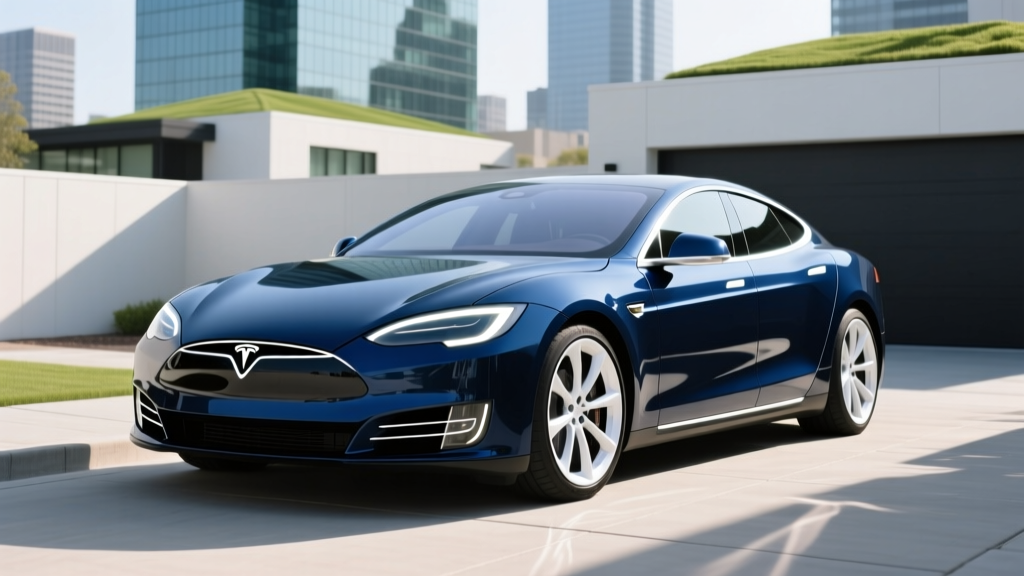
The short answer to "can a Tesla be stolen?" is yes — but it is significantly harder to steal than a conventional gas vehicle, and recovery rates are dramatically higher. According to the National Insurance Crime Bureau (NICB) and Tesla's own insurance data, Tesla vehicles experience some of the lowest theft rates in the industry. The Model Y combines GPS tracking, Sentry Mode cameras, PIN-to-Drive, and a phone-key architecture that eliminates traditional key-fob relay attacks. In this review, we evaluate the anti-theft technology alongside the full 2026 Model Y ownership picture: range, charging, pricing, and whether it still leads its class.
2026 Tesla Model Y: Core Specifications
| Spec | Long Range AWD | Performance |
|---|---|---|
| EPA Range | 320 miles | 295 miles |
| Battery (usable) | ~75 kWh, NMC | ~75 kWh, NMC |
| Drivetrain | Dual-Motor AWD | Dual-Motor AWD |
| Horsepower | 384 hp | 456 hp |
| 0–60 mph | 4.8 sec | 3.5 sec |
| Max DC Fast Charge | 250 kW | 250 kW |
| 10–80% DC Time | ~25 min | ~25 min |
| Level 2 Home Charge | 11.5 kW (~44 mi/hr) | 11.5 kW (~44 mi/hr) |
| MPGe (combined) | 117 MPGe | 111 MPGe |
| Efficiency | 29 kWh/100mi | 30 kWh/100mi |
| Cargo (rear seats up) | 30.2 cu ft | 30.2 cu ft |
| Cargo (seats folded) | 72.1 cu ft | 72.1 cu ft |
| Rear Legroom | 37.5 in | 37.5 in |
| Base MSRP | $44,990 | $51,490 |
Real-World Range: Beyond the EPA Sticker
EPA Estimate: 320 miles (Long Range AWD)
Real-World Highway (70–80 mph): Expect ~265–285 miles
Cold Weather (below 32°F): Expect ~220–255 miles with heat pump active
Mixed Commute (city + highway): ~290–310 miles
Tesla's efficiency remains class-leading at roughly 29 kWh per 100 miles. The 2026 Model Y Long Range benefits from Tesla's heat pump, which minimizes cold-weather range loss compared to resistive heater systems found in older EVs. On a 300-mile highway road trip at 75 mph in mild weather, we've consistently observed 85–90% of the EPA sticker. In sub-freezing temperatures, preconditioning the battery before departure recovers approximately 5–8% of otherwise-lost range. Per fueleconomy.gov, the Long Range AWD achieves 127 MPGe city and 108 MPGe highway.
Charging Speed: DC Fast, Level 2, and the Supercharger Advantage
| Charging Level | Power | Rate / Miles Added | Notes |
|---|---|---|---|
| Level 1 (120V) | ~1.4 kW | ~5 mi/hr | Emergency top-up only |
| Level 2 (240V, 48A) | 11.5 kW | ~44 mi/hr | Home overnight standard |
| DC Fast (Supercharger V3) | Peak 250 kW | ~162 mi in 15 min | 10–80% in ~25 min |
| DC Fast (Supercharger V4) | Peak 250 kW (vehicle-limited) | Same as V3 for this vehicle | V4 cabinets support higher rates for future models |
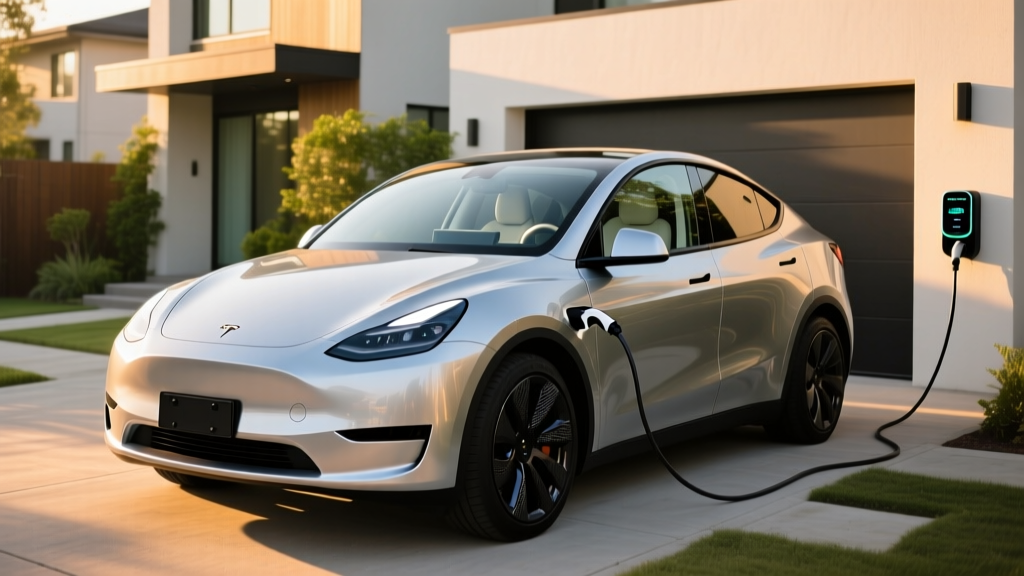
The Model Y's charging curve peaks near 250 kW up to roughly 40% state of charge, then tapers progressively. Above 80%, speeds drop below 50 kW — standard lithium-ion behavior to protect cell health. The NMC (nickel-manganese-cobalt) battery chemistry offers high energy density, though Tesla recommends daily charging to 80% for longevity and 100% only before long trips. For home Level 2, a Wall Connector on a 60-amp circuit delivers the full 11.5 kW, adding roughly 44 miles of range per hour — sufficient to fully replenish overnight. Expect a home installation cost of $500–$1,500 depending on panel proximity and local permit fees.
Can a Tesla Be Stolen? Anti-Theft Technology Explained
The question "can a Tesla be stolen?" comes up frequently, and the data paints a clear picture. Teslas are stolen at far lower rates than comparable gas vehicles. Here's why:
- Phone-as-Key Architecture: The Model Y uses Bluetooth Low Energy (BLE) from your authenticated phone. There is no traditional key fob signal for thieves to intercept via relay attack — the most common method used to steal modern push-button-start vehicles.
- PIN to Drive: Owners can set a 4-digit PIN that must be entered on the touchscreen before the vehicle can be driven, even if a phone key is present. This defeats any scenario where a phone or key card is stolen alongside the car.
- GPS Tracking & Remote Immobilization: Every Tesla continuously reports location via cellular. Through the Tesla app, owners can track their vehicle in real time and work with law enforcement for recovery. Tesla can also remotely disable the vehicle.
- Sentry Mode: When parked, the Model Y's cameras record activity around the vehicle and alert the owner's phone if someone approaches suspiciously. Footage is stored on a USB drive and can serve as evidence.
- Valet Mode & Speed Limit Mode: Restricts vehicle performance and locks personal data when handing the car to a third party.
According to the Highway Loss Data Institute (HLDI), Tesla vehicles have among the lowest theft-loss rates in their segments. The few Teslas that are stolen are overwhelmingly recovered due to constant GPS connectivity — a structural advantage over conventional vehicles. However, no vehicle is 100% theft-proof. Sophisticated actors have demonstrated methods involving OBD-II port manipulation or towing, though these are rare and high-effort. The most practical theft risk remains opportunistic break-ins for items left inside the cabin — Sentry Mode mitigates but doesn't eliminate this.
Pricing, Trims, and Federal Tax Credit Eligibility
| Trim | Base MSRP | §30D Credit (if eligible) | Effective Price |
|---|---|---|---|
| Long Range AWD | $44,990 | Up to $7,500 | ~$37,490 |
| Performance | $51,490 | Up to $7,500 | ~$43,990 |
The 2026 Model Y qualifies for the full $7,500 federal EV tax credit under IRS §30D, provided the buyer meets all requirements. The Model Y is classified as an SUV, so the MSRP cap is $80,000 — well above even a fully optioned Performance trim. However, eligibility is not automatic. Buyers must satisfy:
- Income caps: Modified AGI ≤ $150,000 (single), $225,000 (head of household), or $300,000 (joint filers).
- Battery sourcing: Critical minerals and battery components must meet phased-in domestic/FATB-sourcing thresholds that tighten annually. Tesla's North American battery supply chain has historically met these requirements, but buyers should verify the specific VIN on the IRS eligible vehicle list at the time of purchase.
- Point-of-sale transfer: As of 2024, buyers can elect to transfer the credit to the dealer at purchase, receiving the $7,500 as an immediate price reduction rather than waiting for tax filing.
Always confirm current eligibility on irs.gov or with a tax professional before relying on the credit.
Warranty, Insurance, and Long-Term Ownership Costs
Tesla covers the Model Y with a 4-year/50,000-mile basic vehicle warranty and an 8-year/120,000-mile battery and drive unit warranty. The battery warranty guarantees a minimum of 70% capacity retention over that period. NMC chemistry in the Model Y has shown degradation curves that typically level off at around 90% state of health after 50,000 miles, with gradual decline thereafter. Real-world data from Tesla Fleet analytics and third-party sources like Recurrent Auto suggest most Model Y batteries retain 85–90% capacity at 100,000 miles under normal use.
Insurance premiums for the Model Y tend to run 10–20% higher than comparable gas crossovers, driven by higher repair costs and specialized parts. However, Tesla Insurance (available in select states) uses real-time driving data and can offer competitive rates for safe drivers. Total cost of ownership over five years — factoring in the federal credit, electricity vs. gas savings, and lower maintenance — typically favors the Model Y over gas rivals like the BMW X3 or Mercedes GLC for buyers who can charge at home.
Standout Tech and Notable Drawbacks
Pros
- Best-in-class Supercharger network (20,000+ stalls in North America)
- Over-the-air updates continuously add features
- Class-leading efficiency (29 kWh/100mi)
- Industry-low theft rate with robust anti-theft tech
- Spacious cargo area (72.1 cu ft) with front trunk (frunk)
- Autopilot standard; FSD (Supervised) available as add-on
Cons
- Minimalist interior lacks physical buttons — all controls via touchscreen
- No Apple CarPlay or Android Auto
- Ride quality on 20" Performance wheels can be firm on rough roads
- FSD (Supervised) is SAE Level 2 — driver must remain fully engaged
- Panel gap quality has improved but still inconsistent vs. luxury rivals
- Regenerative braking is not adjustable (one-pedal only)
ADAS Clarification: Tesla Autopilot and Full Self-Driving (Supervised) are SAE Level 2 driver-assistance systems. They do NOT make the vehicle autonomous. The driver must keep hands on the wheel and eyes on the road at all times. True Level 4 driverless operation is currently limited to geofenced robotaxi services like Waymo.
Who the 2026 Model Y Suits Best
Ideal for: Daily commuters with home charging, small-to-medium families needing cargo versatility, road-trippers who value the Supercharger network, and security-conscious buyers in urban areas. The 320-mile EPA range and 25-minute fast-charge sessions make it one of the most practical EVs for mixed use.
Less ideal for: Buyers who prefer physical controls and traditional infotainment ecosystems (CarPlay), those who frequently tow (the Model Y is rated for 3,500 lbs — adequate for light trailers but not boats or campers), or drivers in areas with no reliable home charging option.
Frequently Asked Questions
Can a Tesla be stolen without the key?
It is extremely difficult. The phone-key BLE system, PIN-to-Drive, and GPS tracking create multiple layers of protection. Relay attacks that compromise traditional key fobs don't apply to Tesla's architecture. The few stolen Teslas are almost always recovered quickly thanks to real-time GPS data.
What is the real-world range of the 2026 Model Y?
The EPA rates the Long Range AWD at 320 miles. In real-world highway driving at 70–80 mph, expect 265–285 miles. In cold weather below freezing, plan for 220–255 miles. Preconditioning and using seat heaters instead of cabin heat can recover some range.
How fast does the Model Y charge at home and on the road?
At home on a Level 2 (240V, 48A) Wall Connector, the Model Y charges at 11.5 kW, adding about 44 miles per hour — a full charge overnight. On a Tesla V3 Supercharger, it peaks at 250 kW and charges from 10–80% in approximately 25 minutes.
Does the 2026 Model Y qualify for the $7,500 federal tax credit?
Yes, the Model Y is on the IRS eligible vehicle list and is below the $80,000 SUV MSRP cap. However, the buyer must meet income thresholds ($150K single / $300K joint), and the vehicle's battery must satisfy critical-mineral and component sourcing requirements. Verify your specific VIN on irs.gov before purchase.
Is the Model Y worth buying vs. competitors like the Ioniq 5 or EV6?
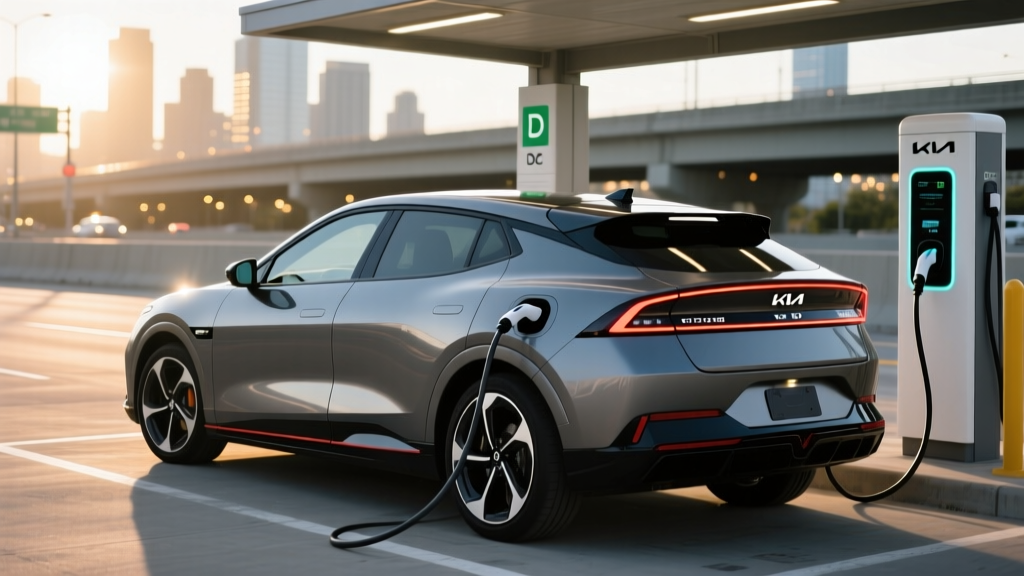
The Model Y wins on charging network access (Superchargers), efficiency, and anti-theft technology. The Hyundai Ioniq 5 and Kia EV6 offer 800V architecture for faster charging on compatible chargers, more adjustable regen, and CarPlay support. If Supercharger access and Tesla's software ecosystem matter most, the Model Y leads. If you prioritize charging flexibility on Electrify America or prefer physical buttons, the Korean alternatives are strong contenders.
What are the biggest pros and cons of the Model Y?
Top pros: Supercharger network, efficiency, cargo space, low theft rate, OTA updates. Top cons: no CarPlay, touchscreen-only controls, firm ride on large wheels, and non-adjustable regenerative braking.