Quick Answer: Can-Am Electric Side by Side in 2026
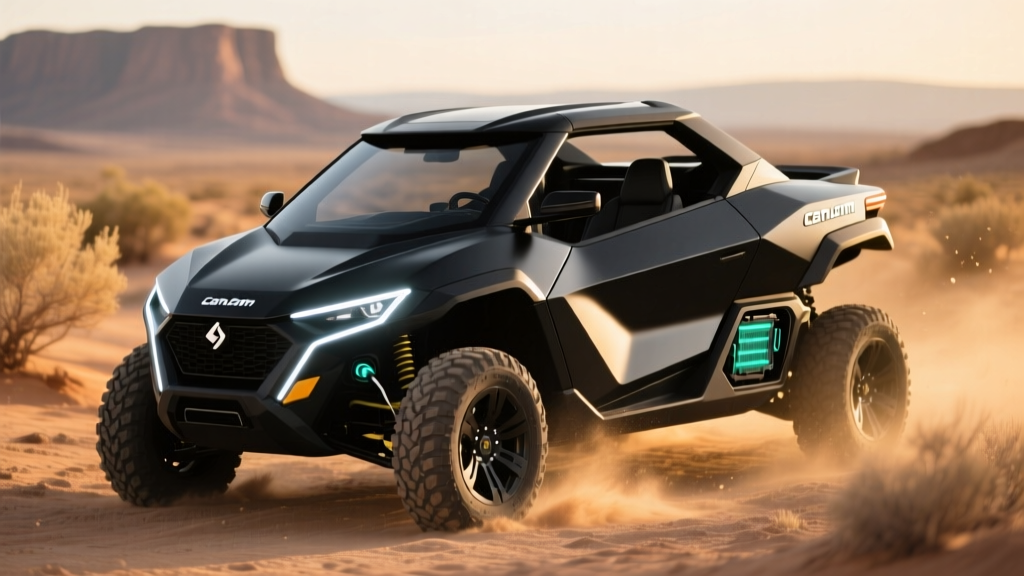
As of early 2026, BRP (Can-Am's parent company) has not yet released a production electric side-by-side (UTV/ROV). Can-Am has publicly committed to electrifying its off-road and powersports lineup, with concept previews and patent filings pointing to battery-electric utility vehicles. However, no model is currently available for purchase at dealerships. Buyers searching for a Can-Am electric side by side today will find only the gasoline-powered Defender, Maverick, and Outlander lines — or must look to competitors like Polaris Ranger XP Kinetic (the first production electric UTV, launched in 2022) for an electrified off-road utility vehicle.
This guide covers what we know about Can-Am's electric UTV plans, how an electric side-by-side compares to gas models on cost and capability, and what to evaluate if you're considering going electric in the off-road segment.
Can-Am's Electric Side-by-Side: What BRP Has Confirmed
BRP (Bombardier Recreational Products), the Quebec-based manufacturer behind the Can-Am brand, announced in 2021 a commitment to offer electric models in each of its product lines by the end of 2026. This pledge covers snowmobiles, personal watercraft, motorcycles, and off-road vehicles. The company has since debuted the Can-Am Origin and Pulse electric motorcycles (2024–2025 model years), signaling serious investment in electric powertrain development.
For side-by-sides specifically, BRP has filed multiple patents related to electric UTV chassis design, battery packaging, and thermal management for off-road use. Industry analysts expect an electric variant positioned within the Defender (work/utility) or Maverick (sport/performance) families, though BRP has not confirmed a model name, battery capacity, or MSRP.
Key takeaway: If you need an electric UTV today, the Polaris Ranger XP Kinetic remains the only mass-production option. A Can-Am electric side by side is plausible by late 2026 or 2027, but it is not currently orderable.
Electric UTV vs. Gas UTV: The Numbers That Matter
Since Can-Am's electric side-by-side specs remain unannounced, the most useful comparison uses the Polaris Ranger XP Kinetic as a proxy for what an electric UTV delivers against Can-Am's gasoline Defender lineup. This gives prospective buyers a realistic framework for evaluating costs, capability, and trade-offs.
| Spec | Polaris Ranger XP Kinetic (Electric) | Can-Am Defender HD11 (Gas) |
|---|---|---|
| Powertrain | Battery electric, permanent-magnet motor | 999cc V-twin, gasoline |
| Horsepower | 110 HP | 82 HP |
| Torque | 140 lb-ft (instant) | 69 lb-ft |
| Battery / Fuel | 29.8 kWh lithium-ion (14.9 kWh base) | 10.6-gallon fuel tank |
| Est. Range | ~45 miles (29.8 kWh) / ~22 miles (14.9 kWh) | ~120–150 miles (varies by load/terrain) |
| Towing Capacity | 2,500 lbs | 2,500 lbs |
| Payload | 1,250 lbs | 1,750 lbs |
| Top Speed | ~60 mph | ~62 mph |
| Base MSRP | $29,990 (Premium, 29.8 kWh) | $15,599 (Defender HD11) |
| Noise Level | Near-silent operation | 75–85 dB under load |
| Maintenance | No oil, spark plugs, air filter, exhaust | Regular oil, filter, belt, plug service |
The data reveals a clear trade-off: the electric UTV delivers significantly more torque and horsepower, near-silent operation (critical for hunting and wildlife observation), and drastically lower maintenance. But it costs nearly twice as much upfront and offers roughly one-third the range of a gas UTV under typical mixed-terrain use.
Real-World Ownership Costs: Electric vs. Gas UTV
Upfront price is only one variable. The total cost of ownership over five years tells a more complete story, especially for buyers who use their UTV frequently for farm, ranch, or property work.
| Cost Category | Electric UTV ($30,000 MSRP) | Gas UTV ($15,600 MSRP) |
|---|---|---|
| Purchase Price | $29,990 | $15,599 |
| Fuel/Energy (5 yrs, 5,000 mi total) | $350–$500 (home charging at $0.14/kWh) | $2,200–$2,800 (gas at ~$3.80/gal, ~15 mpg) |
| Maintenance (5 yrs) | $300–$500 (brake pads, cabin filter, coolant) | $2,500–$3,500 (oil, belts, plugs, filters, valve checks) |
| Insurance (est. annual avg) | $900/yr × 5 = $4,500 | $700/yr × 5 = $3,500 |
| Depreciation (est. 5-yr) | ~45% = $13,500 | ~40% = $6,240 |
| Total 5-Year Cost | ~$48,640–$49,290 | ~$30,039–$31,639 |
Over five years, the electric UTV's fuel and maintenance savings of roughly $4,000–$5,500 are real but do not offset the $14,000+ purchase premium. The breakeven point for most buyers lands around 8–12 years of ownership or very high annual mileage (2,000+ miles/year). For buyers prioritizing low noise, instant torque, and minimal maintenance over pure economics, the premium may be justified sooner.
Charging an Electric Side-by-Side: What You Actually Need
Charging logistics for an electric UTV differ significantly from a highway EV. Most off-road use happens at a single property, which changes the infrastructure calculus.
Charging Speeds and Times
- Level 1 (120V standard outlet): ~1.4 kW — adds roughly 4–6 miles of range per hour. A full charge of a 29.8 kWh battery takes 20–22 hours. Practical only for overnight top-offs between light use days.
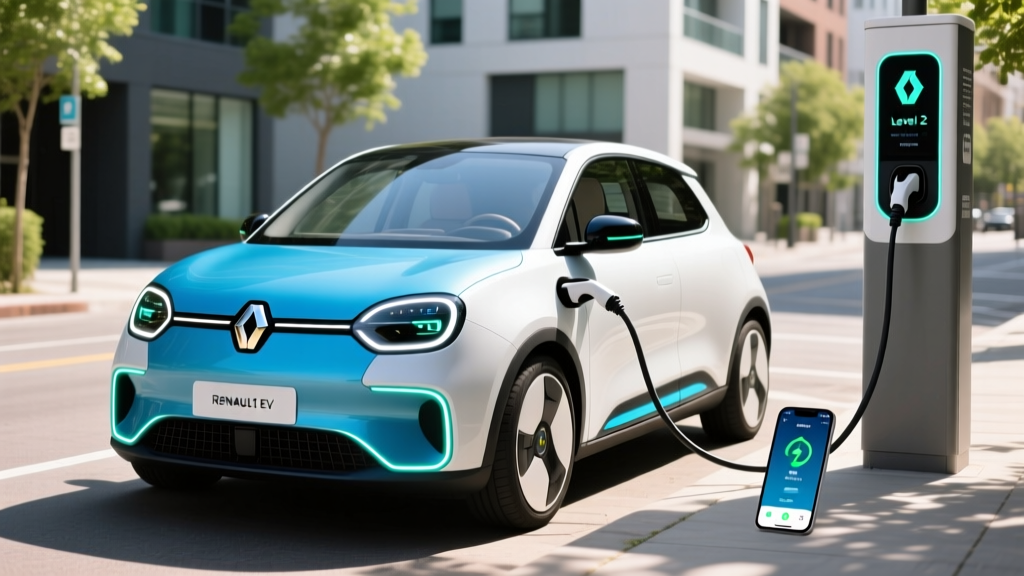
- Level 2 (240V, 32A–48A): 7.7–11.5 kW — full charge in 3–5 hours. This is the practical baseline for daily-use electric UTVs. Most owners install a 240V outlet in a barn, garage, or shop.
- DC Fast Charging: Not currently available on production UTVs. The Polaris Ranger XP Kinetic does not support DCFC. This is a significant limitation for multi-day trail rides far from home base.
Home/Barn Charging Installation Costs
| Component | Low Estimate | High Estimate |
|---|---|---|
| Level 2 EVSE (charger unit) | $350 | $700 |
| 240V circuit (50A, 60-ft run) | $500 | $1,500 |
| Permit & inspection | $50 | $250 |
| Panel upgrade (if needed, 100A→200A) | $1,500 | $3,500 |
| Total (no panel upgrade) | $900 | $2,450 |
| Total (with panel upgrade) | $2,400 | $5,950 |
For rural properties where the UTV lives in a barn or equipment shed, running a dedicated 240V line can be more expensive than a suburban garage install due to longer wire runs. Budget $1,200–$3,000 for a typical agricultural installation without a panel upgrade. Always have a licensed electrician assess your existing service capacity before committing.
Common Misconceptions About Electric UTVs
| Myth | Fact |
|---|---|
| "Electric UTVs don't have enough torque for work." | Electric motors deliver peak torque at 0 RPM. The Polaris Ranger XP Kinetic produces 140 lb-ft instantly — more than most gas V-twins — and out-tows many gas UTVs in real-world hill climbs. |
| "You can't use an electric UTV in cold weather." | Lithium-ion batteries lose 15–30% capacity below freezing, reducing range. However, UTVs used for short property tasks (2–5 miles) retain ample range even in cold climates. Battery thermal management systems in newer models mitigate this further. |
| "Battery replacement will cost more than the vehicle." | Current UTV battery replacement runs $8,000–$12,000 out of warranty — expensive, but not vehicle-totaling. Most manufacturers warranty the battery for 3 years with no mileage limit or degradation threshold around 70% capacity retention. |
| "Electric UTVs qualify for the $7,500 federal EV tax credit." | The IRS §30D credit applies to on-road vehicles meeting specific criteria (MSRP caps, battery sourcing, income limits). Off-road UTVs are generally classified differently and do not currently qualify for the federal plug-in vehicle credit. Check IRS guidelines for current eligibility. |
| "An electric UTV is completely silent — you'll never hear it coming." | While near-silent at low speeds, electric UTVs produce tire noise, suspension articulation sounds, and motor whine above 20 mph. Many owners add aftermarket sound devices for trail safety. |
Decision Framework: Should You Wait for Can-Am or Buy Now?
If X, Then Y — Electric UTV Buyer Decision Guide
Choose to buy the Polaris Ranger XP Kinetic NOW if:
- You need an electric UTV for hunting, wildlife management, or noise-sensitive property work within the next 12 months
- Your typical daily use is under 30 miles round-trip from a home-base charger
- You have or can install a 240V outlet at your primary storage location
- Silent operation and instant torque are higher priorities than maximum range
- You're willing to accept a $30,000 purchase price and limited DC fast-charging capability
Wait for a Can-Am electric side by side if:
- You're loyal to the Can-Am dealer network for service and parts support
- You want to see whether BRP integrates DC fast charging (critical for multi-day trail riding)
- Your use case requires more than 50 miles of range per charge cycle
- You prefer to let the market mature — competition between Polaris and Can-Am should drive prices down and specs up by 2027
- You currently run a Can-Am Defender or Maverick and want to stay within the ecosystem for shared accessories and dealer relationships
Stick with a gas Can-Am Defender or Maverick if:
- You regularly ride 80+ miles per day on trails without charging access
- You tow near maximum capacity over long distances (electric range drops sharply under heavy towing loads — expect 40–50% range reduction at max tow)
- Your budget is firmly under $20,000
- You operate in extreme cold (below 0°F) for extended periods and cannot afford range loss
What First-Time Electric UTV Buyers Must Know
If you've only owned gas side-by-sides, the transition to electric involves a few non-obvious adjustments:
1. Range is highly variable. Unlike a gas UTV where fuel economy stays relatively consistent, electric UTV range fluctuates dramatically with terrain, elevation change, payload, towing, temperature, and driving aggression. A 45-mile EPA-equivalent range estimate can shrink to 20–25 miles under heavy towing on hilly terrain in cold weather. Plan your work loops conservatively.
2. Regenerative braking changes your riding style. Electric UTVs use regenerative braking to recapture energy during deceleration and downhill segments. This extends range by 10–20% in hilly terrain and reduces brake wear, but it requires an adjustment period. Most models offer adjustable regen levels.
3. Battery storage matters. If you store your electric UTV for extended periods (winter, off-season), maintain the battery at approximately 50–60% state of charge. Storing at 100% or 0% for months accelerates degradation. Most modern battery management systems (BMS) handle this automatically, but verify with your owner's manual.
4. Charging infrastructure is your responsibility. Unlike highway EVs that can use public fast-charging networks, electric UTVs live and die by your property's electrical setup. Confirm your barn, garage, or shop can support a 240V/50A circuit before purchasing.
5. Resale value is uncertain. The electric UTV market is young, and long-term depreciation curves are not yet established. Gas UTVs have decades of resale data. If you plan to sell within 3–5 years, factor in potentially higher depreciation on the electric model until the used market matures.
Frequently Asked Questions
When will Can-Am release an electric side-by-side?
BRP has committed to offering electric models across all product lines by the end of 2026, but no specific electric UTV has been officially announced with a release date, specs, or pricing. Industry expectations place a potential launch between late 2026 and 2028. Monitor BRP's official channels for announcements.
Does the Polaris Ranger XP Kinetic qualify for any federal tax credits?
Generally, no. The IRS §30D Clean Vehicle Credit applies to vehicles classified for on-road use meeting specific battery-sourcing, MSRP, and buyer-income requirements. Off-road UTVs typically fall outside this classification. Some states may offer separate incentives for off-road electrification — check your state energy office. Consult a tax professional for your specific situation.
How much does it cost to charge an electric UTV at home?
At the U.S. average residential electricity rate of ~$0.14/kWh, fully charging a 29.8 kWh battery costs approximately $4.17. For comparison, filling a 10.6-gallon gas UTV tank at $3.80/gallon costs about $40.28. Over 1,000 miles of annual use, electricity costs roughly $70–$100 versus $500–$600 for gasoline.
Can I charge an electric UTV from a standard 120V outlet?
Yes, but slowly. A standard 120V/15A outlet delivers about 1.4 kW, requiring 20+ hours for a full charge of a large battery pack. This works for light, occasional use but is impractical for daily heavy-duty operation. A 240V Level 2 installation is strongly recommended.
How long do electric UTV batteries last?
Lithium-ion UTV batteries are typically warrantied for 3 years. Real-world lifespan depends on charge cycles, depth of discharge, temperature exposure, and storage habits. Expect 70–80% capacity retention after 1,000–1,500 full charge cycles, which translates to roughly 8–12 years of typical recreational use before noticeable range degradation. Replacement costs currently run $8,000–$12,000.
Is an electric UTV powerful enough for heavy farm and ranch work?
For most property tasks — fencing, hauling feed, pulling logs, plowing snow — yes. Electric motors deliver peak torque instantly, which excels at low-speed pulling and climbing. The limitation is sustained high-load range: towing at max capacity on inclines drains the battery rapidly. If your work regularly requires 40+ miles of heavy towing per day, a gas UTV remains more practical today.