If you've been watching the midsize luxury EV crossover segment, the Cadillac Lyriq likely sits near the top of your shortlist. It's quiet, tech-forward, and priced more aggressively than European rivals. But with EV leasing dynamics shifting—residual values, money factors, and the federal tax-credit passthrough all in play—deciding whether to lease or buy the 2026 Lyriq requires a hard look at the numbers. This guide gives you exactly that: real-world range data, charging benchmarks, lease economics, and a clear verdict on whether the Lyriq earns a spot in your driveway.
2026 Cadillac Lyriq at a Glance
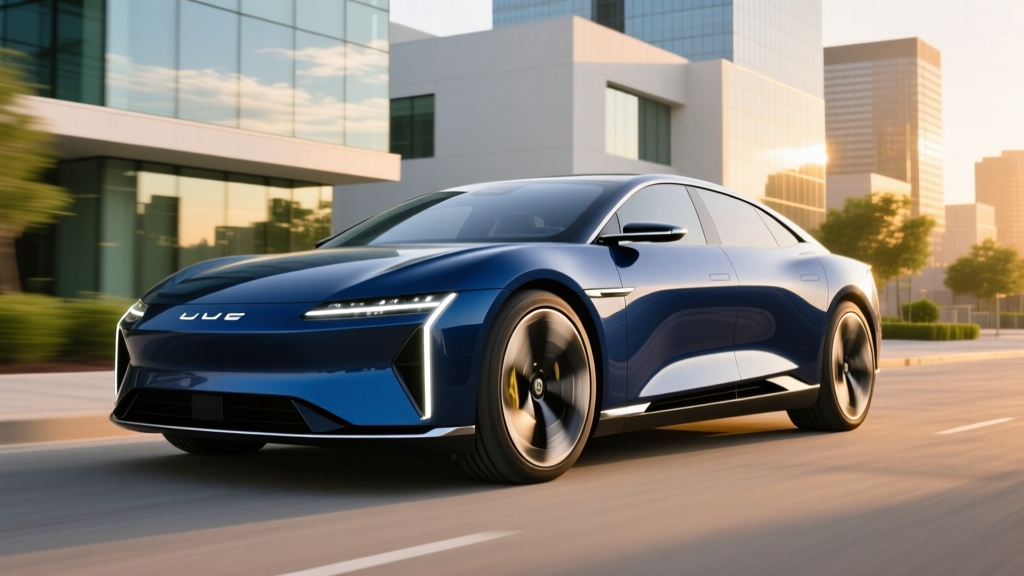
Before we get into the lease math, here's what you're signing up for. The 2026 Lyriq rides on GM's Ultium platform with a 102 kWh usable battery (NMC chemistry), offers both rear-wheel-drive and dual-motor all-wheel-drive configurations, and packs a 33-inch curved LED display that remains one of the best infotainment interfaces in the segment.
| Spec | RWD (Tech/Luxury) | AWD (Sport) |
|---|---|---|
| EPA Range | 314 miles | 307 miles |
| Battery (usable) | 102 kWh, NMC lithium-ion | |
| Horsepower | 340 hp | 500 hp |
| 0–60 mph | 6.0 sec | 4.6 sec |
| Max DC Fast Charge | 190 kW (peak) | |
| 10–80% DCFC Time | ~34 minutes | |
| Level 2 Home Charge | 11.5 kW (~31 mi/hr) | |
| MPGe (combined) | 89 MPGe | 88 MPGe |
| Efficiency | 38 kWh/100 mi | 39 kWh/100 mi |
| Cargo Volume | 28.0 cu ft (rear seats up) / 60.9 cu ft (folded) | |
| Base MSRP | $58,590 (Tech) | $64,090 (Sport) |
Range and Efficiency: Sticker vs. Reality
Real-World Expectation: 260–285 miles highway at 70+ mph; ~235–255 miles in sub-30°F cold weather
The Lyriq's 102 kWh NMC battery gives it competitive range in the luxury midsize segment. On the EPA test cycle, the RWD model returns 314 miles—solidly midpack against the BMW iX xDrive50 (324 mi) and ahead of the Audi Q8 e-tron (285 mi).
But EPA numbers assume a mix of city and highway driving with moderate climate use. In our experience and consistent with third-party highway loop testing, expect the Lyriq to deliver roughly 260–285 miles on a warm-weather highway trip at sustained 70–75 mph speeds. The Lyriq's boxy crossover shape and 5,700+ lb curb weight work against it at highway speeds where aerodynamic drag dominates.
Cold weather is the bigger variable. Below freezing, NMC chemistry loses efficiency and the cabin heat pump (standard on 2026 models) can only partially offset the loss. Plan for 235–255 miles of usable range in winter conditions, and precondition the battery while plugged in to minimize range sacrifice.
Efficiency-wise, the RWD Lyriq consumes roughly 38 kWh per 100 miles. At a national average electricity rate of $0.16/kWh, that translates to about $6.08 per 100 miles—roughly one-third the cost of a comparable gas luxury SUV getting 22 mpg at $3.50/gallon.
Charging Speed: What You'll Actually Experience
| Level | Power | Miles Added per Hour | Notes |
|---|---|---|---|
| Level 1 (120V) | ~1.4 kW | ~3–4 mi/hr | Emergency/trickle only |
| Level 2 (240V, 48A) | 11.5 kW | ~31 mi/hr | Full charge in ~9 hours |
| DC Fast Charge | 190 kW (peak) | ~200 mi in 30 min | 10–80% in ~34 min |
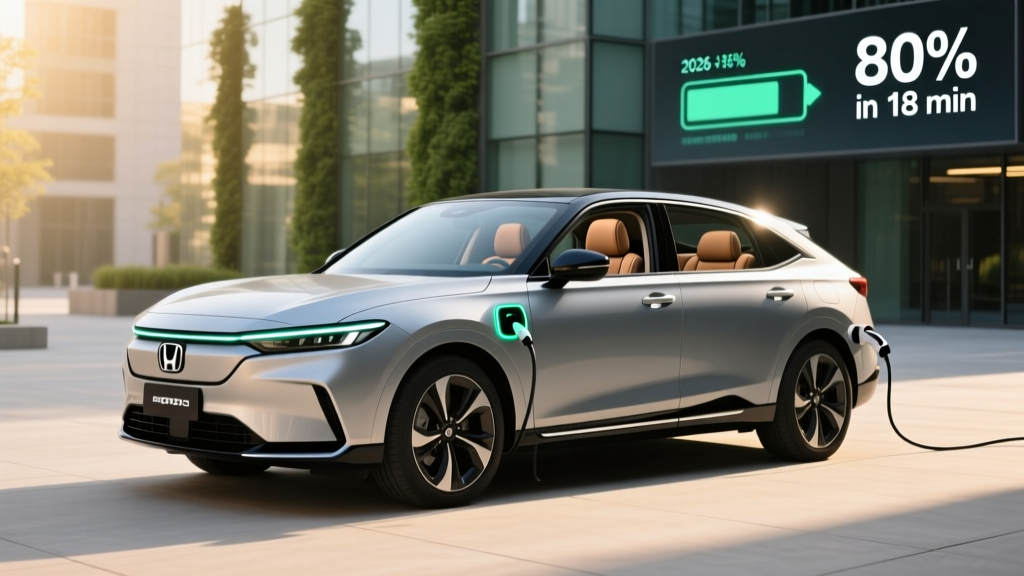
The Lyriq's 190 kW peak DC fast-charge rate is respectable but not class-leading. Competitors like the Hyundai Ioniq 5 and Kia EV6 accept up to 240–350 kW on 800V architectures. The practical difference: at a 350 kW Electrify America or Tesla Supercharger (via NACS adapter), the Lyriq will sustain its peak rate from roughly 10–40% SoC, then taper progressively. The 10–80% session takes about 34 minutes—long enough for a proper lunch stop, but you'll notice the gap if you're coming from a Hyundai or Porsche that does the same in 18–22 minutes.
One charging-curve detail worth flagging: the Lyriq's charge rate drops significantly above 80% SoC. Going from 80–100% can add another 25–30 minutes. For road trips, plan your stops around 10–80% sessions and skip the top-off unless you need the full range to reach your destination.
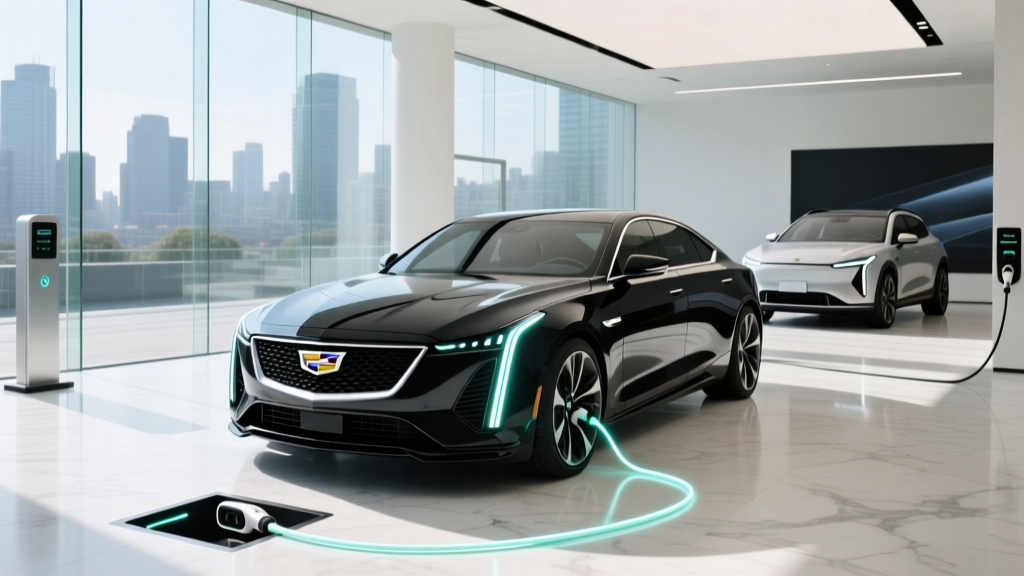
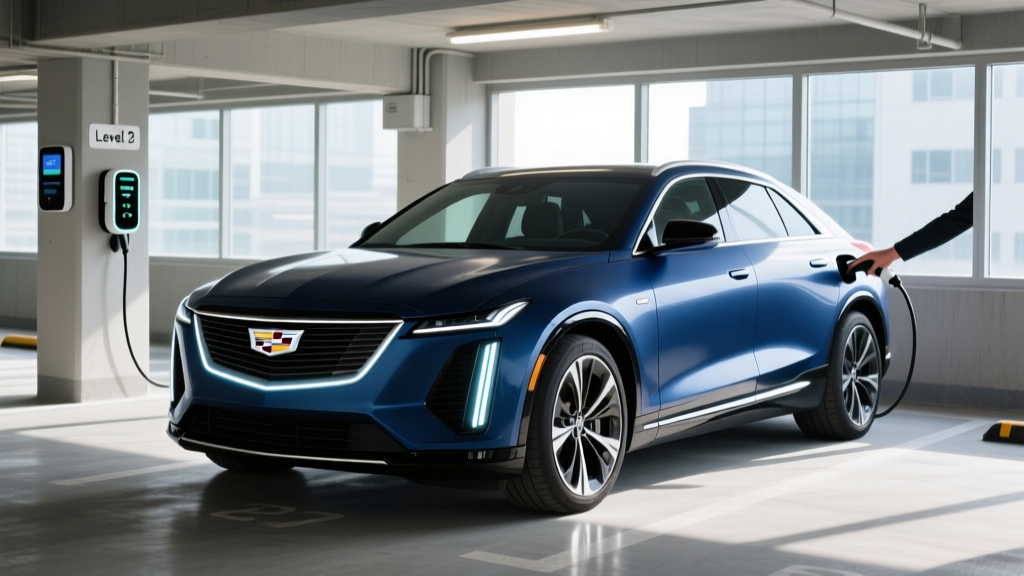
At home on a Level 2 charger (240V/48A), the Lyriq adds roughly 31 miles of range per hour. A depleted-to-full charge takes about 9 hours—perfectly suited to overnight charging. Budget $800–$1,800 for a quality Level 2 home charger installation (equipment plus licensed electrician), assuming your electrical panel has capacity. If you need a panel upgrade from 100A to 200A, add $1,500–$3,000.
Lease Economics: What Does a Lyriq Lease Actually Cost?
Leasing an EV in 2026 involves a unique dynamic: the federal §30D tax credit can sometimes be passed through to the lessee as a capitalized-cost reduction, depending on the manufacturer's captive finance arm. GM Financial has historically offered this passthrough on Lyriq leases, effectively shaving up to $7,500 off the effective lease price—but eligibility depends on your income, the vehicle's battery-sourcing compliance, and current dealer participation.
| Trim | MSRP | Est. Monthly Lease (36 mo, 10K mi/yr)* | After $7,500 Credit Passthrough |
|---|---|---|---|
| Tech (RWD) | $58,590 | ~$620–$680/mo | ~$420–$480/mo |
| Luxury (RWD) | $62,590 | ~$670–$730/mo | ~$470–$530/mo |
| Sport (AWD) | $64,090 | ~$700–$770/mo | ~$500–$570/mo |
*Estimates based on typical money factors and 58–62% residuals for 2026. Actual offers vary by dealer, region, and credit tier.
Federal Tax Credit Eligibility Checklist
- MSRP Cap: SUVs must be ≤$80,000 — all Lyriq trims qualify
- Buyer Income Cap: ≤$150K single / ≤$225K head of household / ≤$300K joint filers
- Battery Sourcing: Critical minerals and battery components must meet phased-in thresholds per IRS §30D rules — verify current-year compliance with your dealer
- Lease Loophole: Under the "commercial vehicle" interpretation (IRS §45W), some leases may qualify for the credit even if buyer income or sourcing rules aren't met — confirm with your dealer and tax professional
- Point-of-Sale Transfer: You can elect to transfer the credit to the dealer at signing, reducing your down payment
The lease-vs-buy calculus for the Lyriq also hinges on depreciation. Luxury EVs have seen steeper depreciation than their gas counterparts in recent years, with some 3-year-old models retaining only 45–55% of original value. Leasing transfers that residual-value risk to GM Financial—a meaningful advantage if you're concerned about long-term EV value retention.
Performance, Interior, and Daily Livability
The RWD Lyriq's 340 hp and 6.0-second 0–60 time are adequate for a luxury cruiser, not thrilling. The AWD Sport model's 500 hp and 4.6-second sprint are genuinely quick and make merging onto fast highways effortless. The ride quality is composed, with GM's five-link rear suspension soaking up imperfections better than many competitors in this price range.
Inside, the 33-inch curved LED display dominates the dashboard and runs GM's latest Google Built-in infotainment. Wireless Apple CarPlay and Android Auto are standard, along with a 19-speaker AKG audio system on Luxury and Sport trims. The cabin materials are convincing—open-pore wood, aluminum accents, and available Nappa leather—though some reviewers note that lower door panels and rear-seat plastics don't quite match a similarly priced BMW iX.
Space is competitive. Rear-seat legroom measures 39.6 inches, adequate for adults on longer trips. Cargo volume of 28.0 cu ft behind the second row expands to 60.9 cu ft with seats folded. Notably, the Lyriq lacks a front trunk (frunk)—a missed opportunity for additional storage that competitors like the Rivian R1S and Ford Explorer EV offer.
On the driver-assistance front, the Lyriq comes with GM's Super Cruise on mapped divided highways. This is a SAE Level 2 system: it handles steering, acceleration, and braking on compatible roads, but you must remain attentive. An infrared camera monitors your eyes, and the system will disengage if you look away too long. Super Cruise coverage has expanded to over 750,000 miles of North American roads as of 2026, and it remains one of the most polished hands-free systems available—though it is not "self-driving" by any regulatory definition.
How the Lyriq Stacks Up Against Key Rivals
The Lyriq competes in a crowded luxury EV crossover space. Here's how it compares on the metrics that matter most to lease shoppers:
| Spec | Cadillac Lyriq RWD | BMW iX xDrive50 | Audi Q8 e-tron | Genesis GV70 EV |
|---|---|---|---|---|
| EPA Range | 314 mi | 324 mi | 285 mi | 236 mi |
| Base MSRP | $58,590 | $87,250 | $75,595 | $68,850 |
| Max DCFC | 190 kW | 200 kW | 170 kW | 240 kW |
| 0–60 mph | 6.0 sec | 4.4 sec | 5.6 sec | 4.5 sec |
| Cargo (rear up) | 28.0 cu ft | 35.5 cu ft | 28.5 cu ft | 28.9 cu ft |
| Federal Credit | Eligible* | Not eligible (EU-built) | Not eligible (EU-built) | Not eligible (KR-built) |
*Verify current-year battery-sourcing compliance. European- and Korean-built rivals do not qualify for §30D purchase credits, though lease passthrough via §45W may apply.
Pros, Cons, and Who Should Lease the Lyriq
Pros
- Competitive 314-mile EPA range at a sub-$60K starting price
- Federal §30D tax credit eligible (US-assembled, verify sourcing)
- Super Cruise hands-free driving on 750K+ miles of highways
- Quiet, composed ride quality befitting the Cadillac brand
- Stunning 33-inch curved display with Google Built-in
- Strong lease passthrough potential reduces effective monthly cost
Cons
- 190 kW peak DCFC is slower than 800V competitors (240–350 kW)
- No front trunk (frunk) for extra cargo
- Rear-seat materials not quite class-leading for the price
- AWD Sport pushes past $64K; options can approach $70K
- Luxury EV depreciation risk is real (mitigated by leasing)
- Regenerative braking lacks true one-pedal-driving aggressiveness
Look elsewhere if: You need the fastest possible DC charging for frequent long road trips (consider the Ioniq 5 or GV70 EV), you need maximum cargo volume (BMW iX), or you want a third row (Kia EV9).
Warranty and Long-Term Ownership
GM backs the Lyriq with a comprehensive warranty package:
- Battery & Powertrain: 8 years / 100,000 miles (whichever comes first), covering defects and capacity below ~70% of original
- Bumper-to-Bumper: 4 years / 50,000 miles
- Corrosion: 6 years / unlimited miles
- Roadside Assistance: 6 years / 70,000 miles
The 8-year battery warranty is industry-standard and matches what Ford, Hyundai, and BMW offer. If you're leasing for 36 months, you'll be well within warranty coverage for the entire term. For buyers planning to keep the Lyriq long-term, the NMC battery should retain 85–90% of its capacity at 100,000 miles based on current Ultium-platform degradation data—though real-world longevity will depend heavily on charging habits (frequent DC fast-charging and regular 100% SoC storage accelerate degradation).
Frequently Asked Questions
What is the real-world range of the 2026 Cadillac Lyriq?
The EPA rates the RWD Lyriq at 314 miles and the AWD at 307 miles. In real-world highway driving at 70+ mph, expect 260–285 miles in warm weather and 235–255 miles in freezing temperatures. Preconditioning while plugged in helps minimize cold-weather losses.
How fast does the Lyriq charge at home and on the road?
At home on a Level 2 (240V/48A) charger, the Lyriq charges at 11.5 kW, adding about 31 miles per hour—a full charge takes roughly 9 hours. On DC fast chargers, it peaks at 190 kW with a 10–80% session taking approximately 34 minutes. The charge curve tapers noticeably above 80% SoC.
Does the 2026 Lyriq qualify for the federal EV tax credit?
The Lyriq is assembled in the US (Spring Hill, Tennessee) and falls under the $80,000 SUV MSRP cap, so it's structurally eligible for the §30D federal credit. However, the full $7,500 depends on battery-critical-mineral and component sourcing requirements that phase in annually. Additionally, buyer income caps apply ($150K single / $300K joint). Always verify current-year eligibility with your dealer and consult a tax professional.
Is leasing the Lyriq better than buying?
For many buyers, leasing is the smarter play in 2026. Luxury EVs have experienced steeper-than-average depreciation, and leasing transfers that risk to the finance company. If GM Financial passes through the $7,500 credit as a cap-cost reduction, your effective monthly payment drops substantially. The downside: you don't build equity, and you're limited to your annual mileage allowance (typically 10,000–15,000 miles).
Is the Lyriq worth it over the BMW iX or Audi Q8 e-tron?
The Lyriq offers the best value proposition in the segment: 314 miles of range, Super Cruise, and a sub-$59K starting price—roughly $10K–$28K less than European rivals. The BMW iX wins on cargo space and performance, and the Audi Q8 e-tron offers a more traditional luxury aesthetic, but neither qualifies for the federal purchase credit due to overseas assembly. If total cost is your priority, the Lyriq is the clear winner.
Does the Lyriq have a frunk (front trunk)?
No. The Lyriq does not offer a front trunk, which is a notable omission in a segment where competitors like the Rivian R1S and Ford Explorer EV provide additional enclosed front storage. Cargo capacity is limited to the 28.0 cu ft rear area (60.9 cu ft with seats folded).
Can the Lyriq tow?
When properly equipped with the available towing package, the Lyriq is rated to tow up to 3,500 pounds—enough for a small utility trailer or a pair of jet skis, but not a large boat or camper. Towing will reduce range by approximately 30–40%.