Quick Verdict: A Heavy Hitter in Luxury Electric SUVs
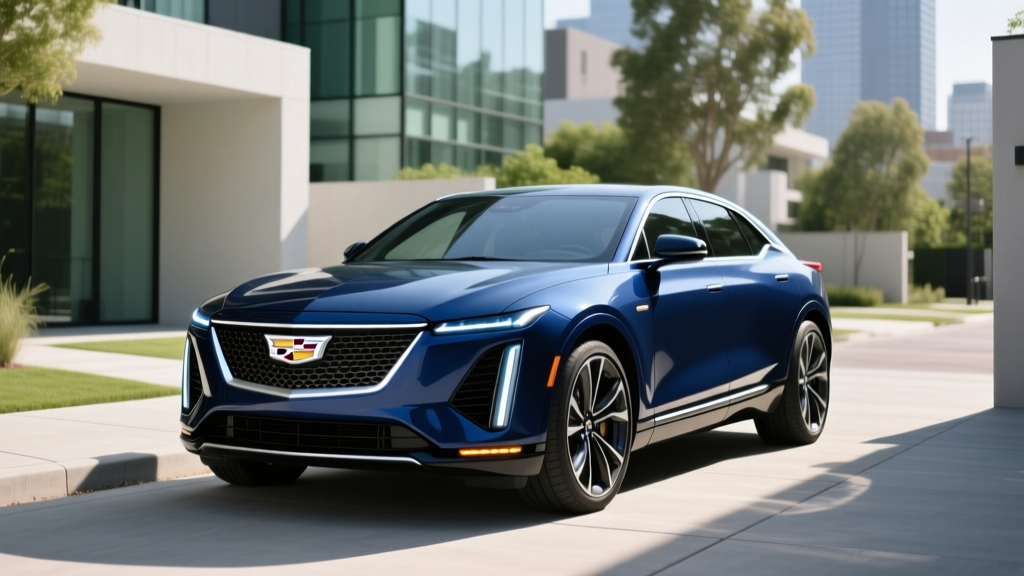
The 2024 Cadillac Lyriq is General Motors' opening statement in the premium electric SUV segment, built on the dedicated Ultium platform. It's a substantial vehicle in every sense — particularly when you look at the 2024 Cadillac Lyriq curb weight, which ranges from 5,721 lbs (RWD) to 5,937 lbs (AWD). That mass directly influences its efficiency, range, and driving dynamics, making weight a critical spec that buyers often overlook.
Despite its heft, the Lyriq delivers a competitive 314-mile EPA range, refined ride quality, and a 33-inch LED display that sets the interior apart from rivals like the BMW iX and Genesis Electrified GV70. But how does all that mass translate to real-world ownership? This review breaks down every number that matters.
Full Specifications at a Glance
| Specification | RWD (Tech/Luxury/Sport) | AWD |
|---|---|---|
| EPA Range | 314 miles | 307 miles |
| Battery (Usable) | 102 kWh (NMC) | 102 kWh (NMC) |
| Curb Weight | 5,721 lbs | 5,937 lbs |
| Horsepower | 340 hp | 500 hp |
| Torque | 325 lb-ft | 450 lb-ft |
| 0–60 mph | 6.0 sec | 4.6 sec |
| Max DC Fast Charge | 190 kW | 190 kW |
| 10–80% DC Time | ~33 min | ~33 min |
| Level 2 Home Charging | 19.2 kW (77 mi/hr) | 19.2 kW (77 mi/hr) |
| MPGe (City/Hwy/Combined) | 95 / 82 / 89 | 94 / 80 / 88 |
| kWh/100 mi | 37 | 38 |
| Cargo (behind rear seats) | 28.0 cu ft | 28.0 cu ft |
| Cargo (rear seats folded) | 60.9 cu ft | 60.9 cu ft |
| Rear Legroom | 39.6 in | 39.6 in |
| Base MSRP | $57,195 | $60,195 |
| Battery/Powertrain Warranty | 8 years / 100,000 miles | |
Why the 2024 Cadillac Lyriq Curb Weight Matters
At 5,721 lbs for RWD and 5,937 lbs for AWD, the Lyriq is heavier than most of its direct competitors. The BMW iX xDrive50 tips the scales at roughly 5,660 lbs with a smaller 105.2 kWh gross battery, while the Genesis Electrified GV70 comes in around 5,060 lbs with a 77.4 kWh pack. The Lyriq's mass comes from its large-format Ultium battery modules (nickel-manganese-cobalt chemistry), substantial steel-and-aluminum structure, and luxury sound deadening.
This weight has three practical implications for owners:
- Tire wear: Heavier EVs consume tires faster. Expect 25,000–35,000 miles from the standard 20-inch all-season tires versus 40,000+ on a lighter sedan.
- Braking feel: The Lyriq uses regenerative braking heavily, which reduces mechanical brake wear. However, emergency stops from 70 mph require more distance than a lighter vehicle — plan accordingly.
- Efficiency penalty: The 37–38 kWh/100 mi consumption is respectable for the class but trails lighter EVs. On long highway runs at 75+ mph, that consumption figure will climb to 42–45 kWh/100 mi.
Range: EPA Sticker vs. Real-World Expectations
EPA Estimated: 314 miles (RWD) / 307 miles (AWD)
Expect in mixed driving: 270–295 miles
Highway (75 mph sustained): ~245–265 miles
Cold weather (below 32°F): ~215–245 miles
The Lyriq's 102 kWh usable battery (NMC chemistry, part of GM's Ultium family) provides ample capacity for daily commuting and road trips. Per fueleconomy.gov, the RWD model achieves 89 MPGe combined, which translates to 37 kWh per 100 miles.
In real-world highway testing at 70–75 mph with climate control active, expect the Lyriq RWD to deliver roughly 250–265 miles before needing a charge. Cold weather compounds this — lithium-ion batteries lose efficiency below freezing, and cabin heating draws significant energy without a dedicated heat pump (the Lyriq uses resistive heating, which is less efficient than competitors with heat pump systems). If you live in Minnesota or Maine, budget for 215–240 miles of usable winter range.
City driving with frequent regenerative braking opportunities pushes efficiency closer to the EPA sticker. Commuters with stop-and-go routes will see 290+ miles regularly.
Charging Speed: DC Fast Charge and Home Level 2
| Charging Level | Power / Rate | Time / Miles Added |
|---|---|---|
| Level 1 (120V household) | ~1.4 kW | ~3–4 miles per hour |
| Level 2 (240V, 48A) | 11.5 kW | ~32 miles per hour |
| Level 2 (240V, 80A — max onboard) | 19.2 kW | ~52–77 miles per hour |
| DC Fast Charge (peak) | 190 kW | 10–80% in ~33 minutes |
| DC Fast Charge (sustained avg) | ~120–140 kW | 10–80% realistic average |
The Lyriq supports up to 190 kW peak DC fast charging via CCS1 connector (with a NACS adapter available for Tesla Supercharger access starting late 2024). At a 350 kW Electrify America or EVgo station, the Lyriq will peak near 190 kW at low state of charge, then taper progressively. Expect the 10–80% session to take approximately 33 minutes under ideal conditions (warm battery, low starting SoC).
The charge curve matters more than peak kW. The Lyriq sustains roughly 150+ kW between 10–40% SoC, then drops to ~120 kW through 60%, and further tapers above 80%. If you're road-tripping and only charging to 80%, the effective average is around 130–140 kW — adequate but not class-leading. The Hyundai Ioniq 5, for comparison, sustains higher rates thanks to its 800V architecture.
At home, the Lyriq's 19.2 kW onboard charger is a standout feature. Most EVs max out at 11.5 kW (48 amps), but the Lyriq can accept up to 80 amps on a compatible Level 2 circuit. This requires a hardwired wall connector and a 100-amp dedicated circuit — plan for $1,500–$3,000 in electrical work if your panel supports it. With 19.2 kW, you'll add roughly 52–77 miles of range per hour, fully replenishing the battery in about 5.5–6 hours. Most owners installing a standard 48-amp (11.5 kW) outlet will see a full charge in ~9 hours, which is fine for overnight charging. Consult a licensed electrician for your specific panel capacity.
Performance: Smooth Power, Not a Track Weapon
The RWD Lyriq produces 340 hp and 325 lb-ft of torque from a single rear motor, hitting 0–60 mph in approximately 6.0 seconds. That's adequate for highway merging and passing but won't pin you to the seat. The AWD variant adds a front motor for 500 hp and 450 lb-ft, cutting the 0–60 time to 4.6 seconds — a meaningful improvement that makes the AWD model feel genuinely quick for a 5,937-lb SUV.
Ride quality is where the Lyriq shines. The five-link rear suspension and passive dampers absorb road imperfections with genuine luxury composure. Steering is light and accurate, though not sporty. This is a grand touring EV, not a performance machine — think Mercedes EQS SUV territory rather than BMW iX M60.
The regenerative braking system offers adjustable levels via steering-wheel paddles, enabling near one-pedal driving in the strongest setting. The brake pedal feel is progressive and natural — a common weak point in EVs that Cadillac has executed well here.
Interior, Tech, and Cargo Practicality
The Lyriq's cabin centers on a 33-inch diagonal LED display that spans the dashboard, combining the instrument cluster and infotainment touchscreen into a single curved panel running Google Built-In (Google Maps, Google Assistant, Play Store). Wireless Apple CarPlay and Android Auto are standard. The interface is responsive, though the touch-sensitive climate controls below the screen require glances away from the road.
Super Cruise — GM's hands-free Level 2 driver-assistance system — comes standard on all trims for the first three years (subscription required afterward). It operates on over 400,000 miles of mapped highways in the US and Canada, offering genuine hands-off driving with driver monitoring via an infrared camera on the steering column. Per NHTSA guidelines, this remains a Level 2 system: you must remain alert and ready to take over at any moment.
Cargo space measures 28.0 cubic feet behind the second row and 60.9 cubic feet with the 60/40 split rear seats folded. That's competitive with the BMW iX (35.5 / 77.9 cu ft) though the iX offers more total volume. Rear legroom at 39.6 inches is generous for adults on longer trips. Notably, the Lyriq has no front trunk (frunk) — the space is occupied by HVAC components and electronics.
Pricing, Trims, and Federal Tax Credit Eligibility
| Trim | Drivetrain | MSRP |
|---|---|---|
| Tech | RWD | $57,195 |
| Tech | AWD | $60,195 |
| Luxury | RWD | $62,695 |
| Luxury | AWD | $65,695 |
| Sport | RWD | $63,695 |
| Sport | AWD | $66,695 |
The Lyriq's pricing places it squarely in the mid-premium luxury EV SUV segment. A well-equipped AWD Luxury model with the $1,300 Celestial Metallic paint and no other options lands around $67,000 before incentives.
Federal tax credit eligibility (§30D): The 2024 Lyriq qualifies for the full $7,500 federal EV tax credit, subject to buyer income limits ($150,000 single / $300,000 joint modified AGI) and the vehicle MSRP cap ($80,000 for SUVs). As of 2024, the credit can be transferred to the dealer at point of sale, reducing your purchase price directly rather than waiting for a tax refund. Battery sourcing and critical mineral requirements must be met — per IRS guidelines, GM has confirmed the Lyriq's Ultium battery meets the sourcing thresholds for the full credit. Always verify current eligibility with your tax professional before purchase, as rules evolve annually.
After the $7,500 credit, the base RWD Tech model effectively starts at $49,695 — making it one of the most accessible luxury EV SUVs with 300+ miles of range.
Warranty and Long-Term Ownership
Cadillac covers the Lyriq's battery and powertrain for 8 years or 100,000 miles, whichever comes first. The battery warranty guarantees that capacity will not fall below 60% of original capacity during the warranty period — a relatively low threshold compared to Hyundai's 70% guarantee, though degradation on NMC Ultium packs has been minimal in early fleet data.
The bumper-to-bumper limited warranty runs 4 years / 50,000 miles. Scheduled maintenance is minimal (cabin air filter, brake fluid check, tire rotation), with estimated annual costs under $200.
Pros, Cons, and Who Should Buy
- 314-mile EPA range is competitive for the class
- 19.2 kW onboard charger enables fast home charging
- Super Cruise standard with excellent highway coverage
- Quiet, composed ride quality befitting a Cadillac
- Full $7,500 federal tax credit eligibility
- Striking interior with 33-inch LED display
- High curb weight (5,721–5,937 lbs) impacts tire wear and efficiency
- No front trunk (frunk) for additional storage
- Resistive cabin heating reduces cold-weather range
- 190 kW peak DC charging trails 800V competitors
- Touch-sensitive climate controls distract from driving
- Super Cruise subscription required after 3 years
Who the Lyriq suits best: Luxury-minded buyers who prioritize ride comfort, highway cruising with Super Cruise, and a distinctive interior over sporty dynamics. It's ideal for commuters with home charging access, families needing five-passenger comfort, and road-trippers who value 300+ mile range. It is less suited for buyers who prioritize rapid DC charging (look at Hyundai/Kia 800V platforms) or maximum cargo volume (consider the BMW iX or Rivian R1S).
Frequently Asked Questions
What is the real-world range of the 2024 Cadillac Lyriq?
Expect 270–295 miles in mixed driving, 245–265 miles on sustained highway runs at 75 mph, and 215–245 miles in sub-freezing winter conditions. The EPA rates it at 314 miles (RWD) under ideal mixed-cycle conditions.
How fast does the Lyriq charge at home and on the road?
At home on a 240V/80A circuit, the Lyriq charges at up to 19.2 kW, adding 52–77 miles per hour and fully charging in ~5.5 hours. On a DC fast charger, it peaks at 190 kW with a 10–80% time of approximately 33 minutes.
Does the 2024 Lyriq qualify for the federal EV tax credit?
Yes. The Lyriq qualifies for the full $7,500 §30D credit, provided the buyer meets income limits ($150k single / $300k joint) and the vehicle MSRP stays under the $80,000 SUV cap. The credit can be applied at point of sale as of 2024. Verify with a tax professional.
How does the Lyriq compare to the BMW iX and Genesis Electrified GV70?
The Lyriq offers more range (314 vs. iX's ~324 and GV70's ~236 miles) at a lower starting price. The iX offers more cargo space and a slightly lighter curb weight. The GV70 is smaller and more affordable but sacrifices range. The Lyriq's Super Cruise and 19.2 kW home charging are unique advantages.
Is the Lyriq good for towing?
The Lyriq is not rated for towing by Cadillac. If towing capacity is a priority, consider the Rivian R1S (up to 7,700 lbs) or the Tesla Model X (up to 5,000 lbs).
What happens if the battery degrades?
Cadillac's 8-year/100,000-mile battery warranty covers capacity loss below 60%. Early Ultium fleet data suggests degradation of roughly 5–8% over the first 100,000 miles, well within warranty tolerance. NMC chemistry generally retains 80–85% capacity at 150,000 miles under normal use.